Village Wildlife Diary for December 2021

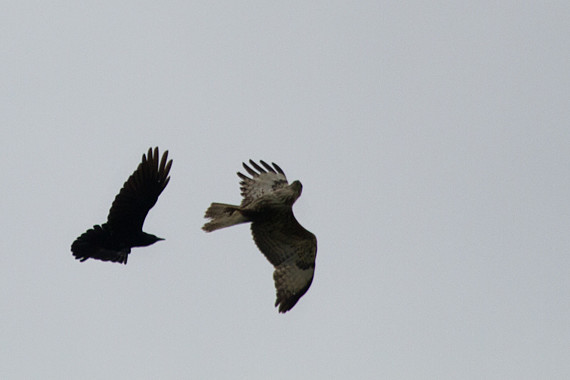
Raven and Buzzard
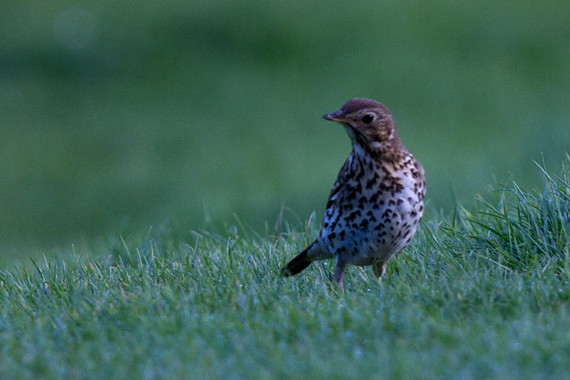
Song Thrush

5th December, Alan has a male blackcap feeding in his garden at Long Buckby Wharf, also pied and grey wagtail, next-door has the parakeet feeding on the ground below a bird-feeder.

9th December, at CEP two rooks are paired and hang in the air softly croaking to one another. They and another pair land in the big, old Ash in gas-works corner and I notice that not a single stick of last year’s three-nest colony now exists. They all look like they are prospecting there again so fingers crossed. The ‘Welchification’ of Buckby has always been a fascination. Birds, as a teenage birdwatcher, I only saw in Wales are now everyday sights in my English Midlands village. The red kite, common buzzard and raven look perfectly at home above the skies of our parish. 2 snipe, a brambling and reed bunting noted. At home my birch tree has a handful of redpoll feeding and the starling on the roof insists on practicing his impression of a buzzard call. A bumblebee reported.

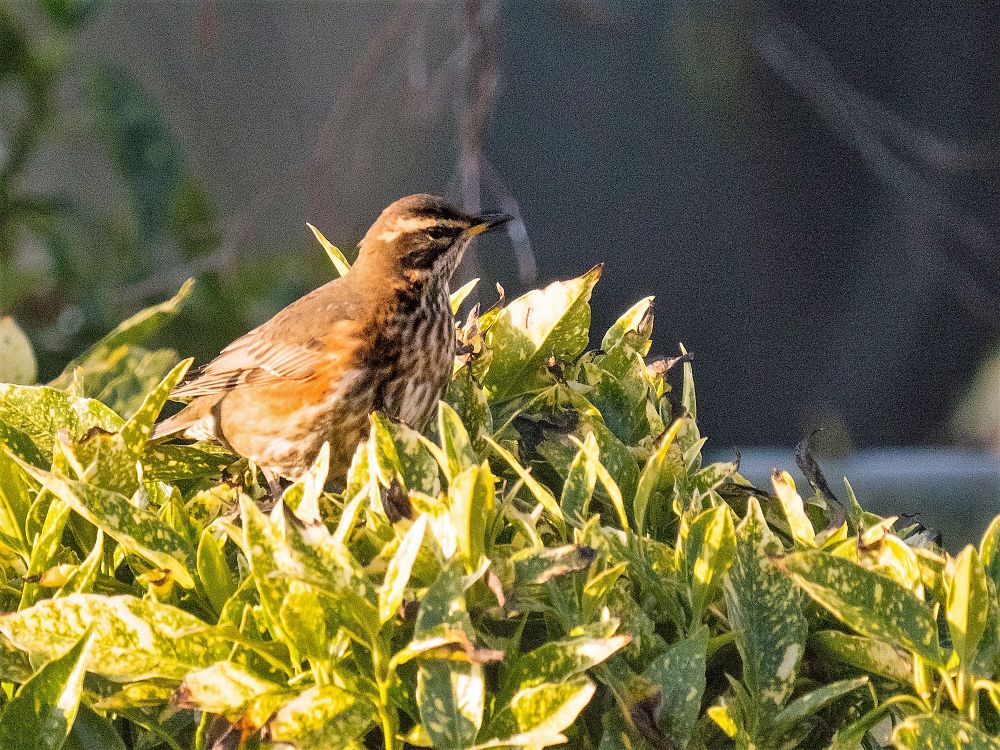
12th December, a lovely sunny day at 12 degrees is a mixed blessing. The car-killed hedgehog on East Street looked too small to hibernate but still a shame to see on such a day. Goldfinch, wren and blue tit give a burst of song as I check on my sheep flock. In the big blue a pair of raven are towering and diving in courtship display. It’s a thrush-fest at the park with 3 mistle, 2 song, 8 blackbird, 2 fieldfare and 25 redwing all loving our berry laden hedges.
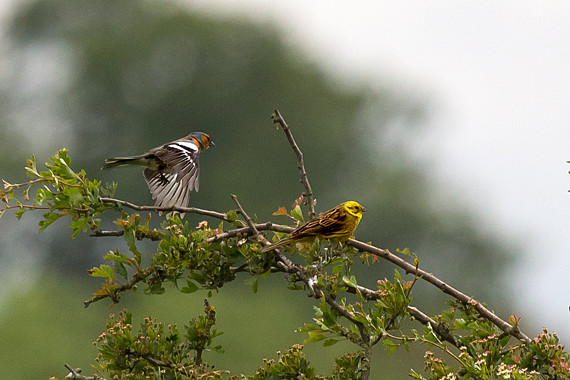
Chaffinch and Yelllowhammer
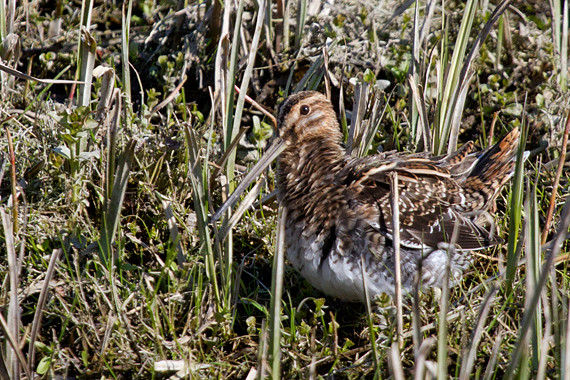
Snipe

16th December, dull but mild; there seem to be more fieldfares now and there are 40 with redwings on the meadow at the park. Flyover redpoll and skylark seen. At the hide I usually pick out 1 or 2 roosting common snipe amongst the irises on the pond edge but this time the bird I see is smaller, darker with a shorter bill. I move slightly to get a better view but it spots me and turns its back to me showing a dark, bottle green mantle with a set of old gold stripes. A jack snipe. Perhaps the first I’ve seen that isn’t flying away from me. Alan sees little egret at the Wharf and Richard reports Kingfisher from a couple of weeks back.

18th December, my ‘Welshification’ theory continues as an immature Peregrine alights on a pylon at the park. No sign of the jack snipe but the common snipe are back. The ex-millet fields off Foxhill Road still have loose flocks of small birds including 100 linnet, 80 chaffinch and 20 yellowhammer, with feral pigeons, collared doves and jackdaws in attendance. In the hedge behind Lime Avenue there are 2 greenfinch.

21st December, the Solstice sees my son and I on hedge work near The Banks. There has always been a healthy flock of some 40 house sparrows in this area and today they are in noisy conversation as we hack away with billhooks. Alan reports grey wagtail feeding beneath a bird feeder in his garden and has been told of a pair of goosanders on the canal nearby. These are very smart-looking winter visiting ducks; large, long-bodied, with a long, red, narrow, hook-tipped bill designed for catching fish.
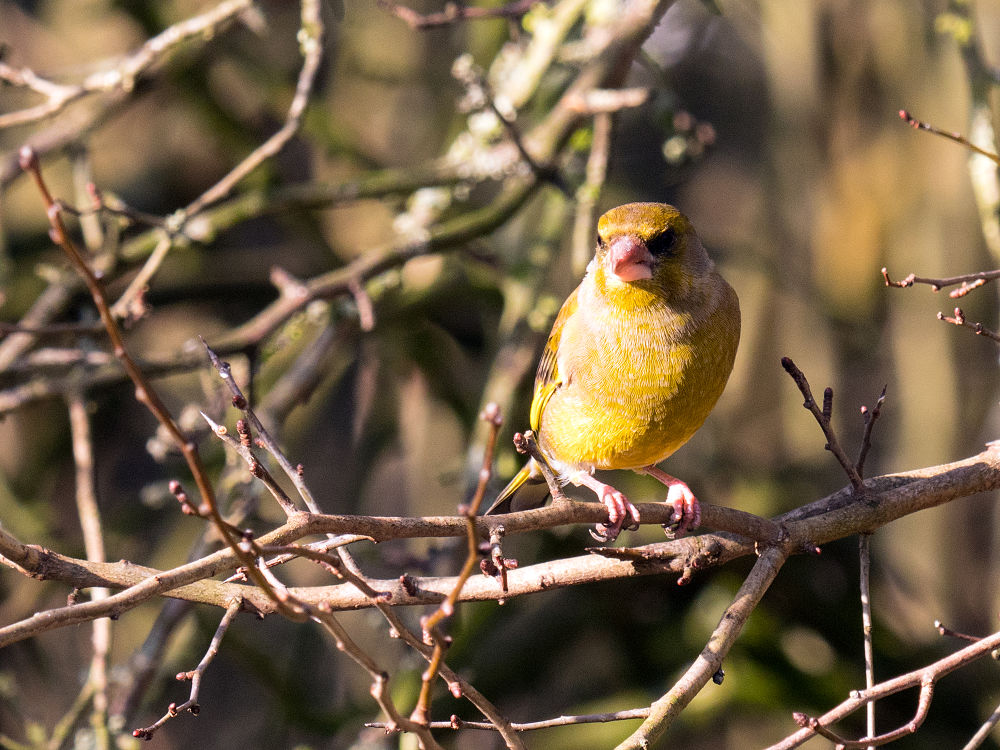
Greenfinch
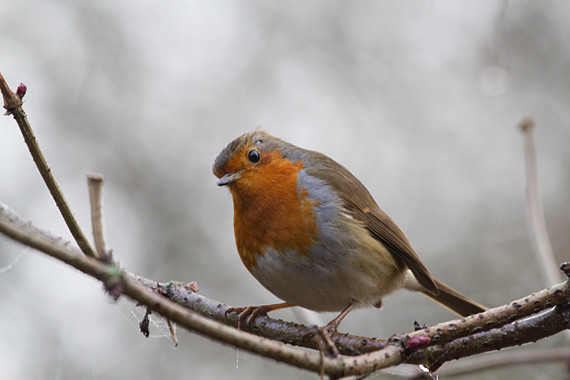
Robin

24th December, checking sheep at the farm and on the roof tops a grey wagtail. These birds are certainly more common than previously and seem to displace pied wagtails around the farm and in the built village. The winter thrushes are spaced out over the sheep pasture acting like blackbirds; I guess they have all but stripped the local hedges of fruit and have moved on to the invertebrate course. The gulls are doing similar, with 40 odd black-headed gulls and 20 common gulls ‘worming’ near Surney.

27th December, a long walk is needed and a song thrush is singing on Lodge Lane. The sparse, dull sky has playful jackdaws and rather more serious-sounding rooks drifting over. A robin sings from a post on Brington Road, and the gardens have flowering primroses.

Many thanks to all of the villagers and photographers that have contributed this past year and Happy New Year! For 2022.
Village Wildlife Diary for November 2021

Redwing
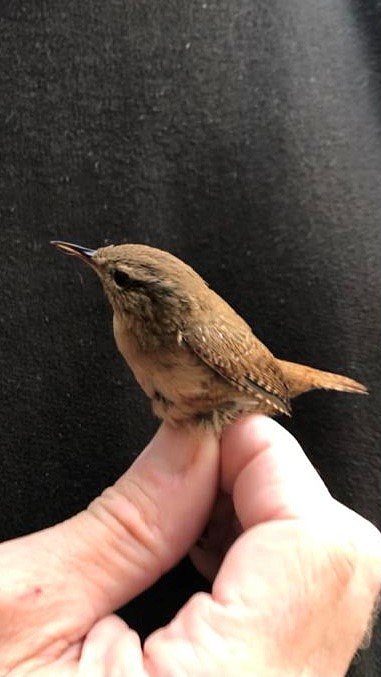
Wren

5th November, at last a fieldfare makes an appearance. These thrushes breed in northern Europe and come to us for our mild winters. I usually see them in October but my Norwegian friends tell me that they are still hanging around there which is unusual. There is a snipe and a pair of mallard at CEP pond, and a cormorant flies over. Back in the village and another couple of fieldfare come over with dozens of wood pigeon.

7th November, sun and wind is ideal conditions for crows and raptors to test themselves against the wind strength. The red kite sails aimlessly with barely a movement but the buzzard hovers in situ with great effort by flying into the wind. I sneak into the hide at the park and see 2 snipe sitting quietly, perfectly matching the back-drop of dead reeds and leaves. A wren flies into our house, is caught and released just after a having it’s photo taken.

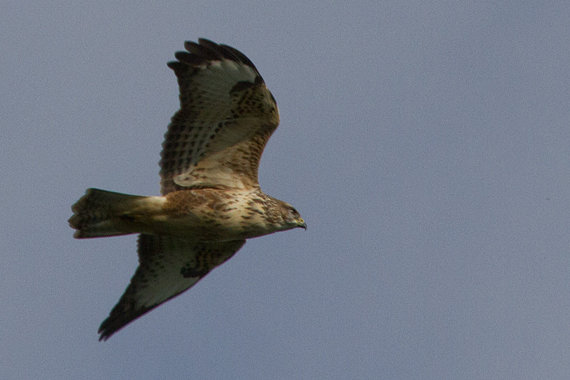
Buzzard
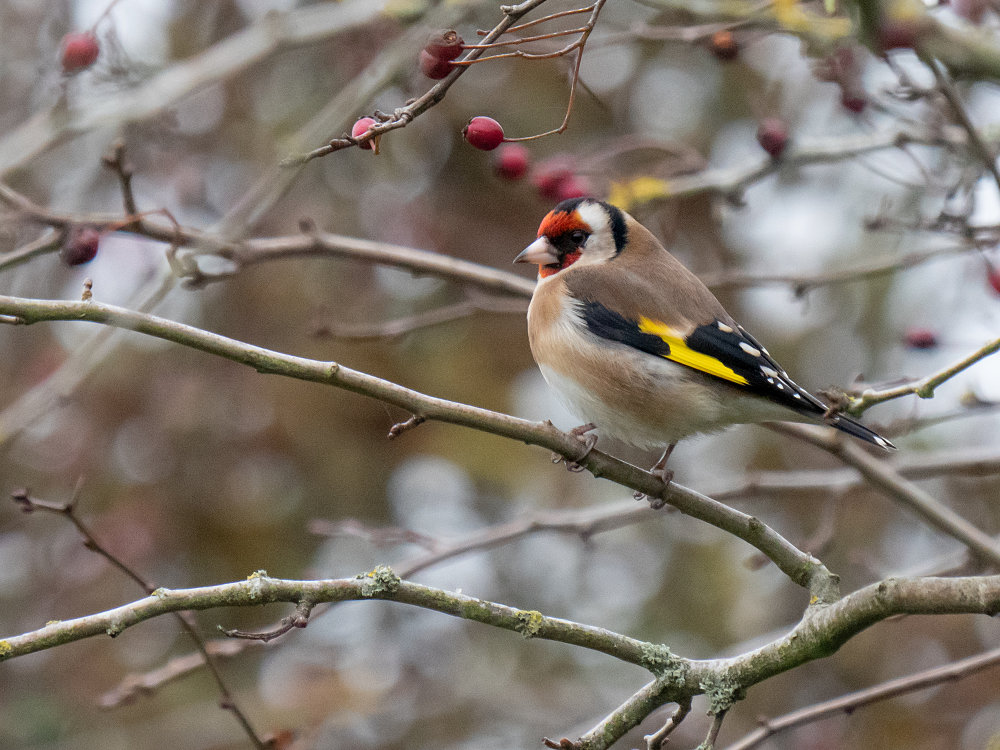
Goldfinch

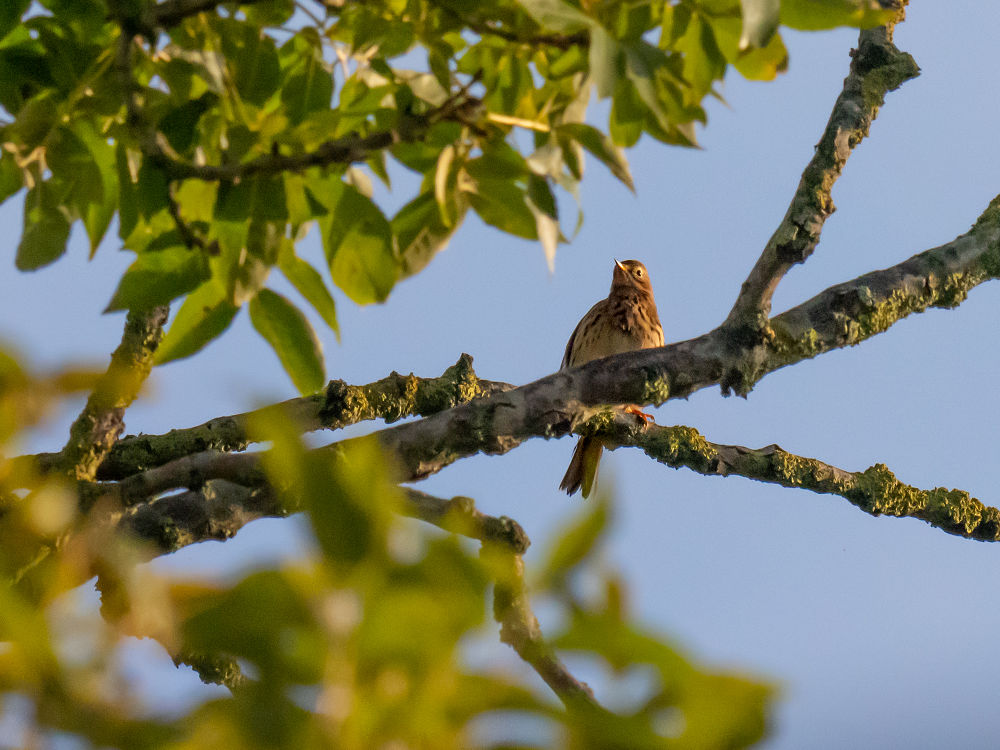
12th November, 0530h, a little owl is calling from behind my back garden. I get up and stand at the open window; there are chaffinches and meadow pipits going over with handfuls of redwings and a couple of fieldfares. Alan reports that the (Alexandrine) parakeet is back at Long Buckby Wharf after an absence of six months.

14th November, changing seasonal weather conditions promotes small and large scale movements of birds across Europe, and the clear skies today are dotted with birds. I see blackbirds, skylarks, chaffinches, redpolls, siskins, wood pigeons, linnets, goldfinches, meadow pipits, grey and pied wagtails, redwings and fieldfares, and starlings. It’s hard to tell whether these are from UK or the continent.

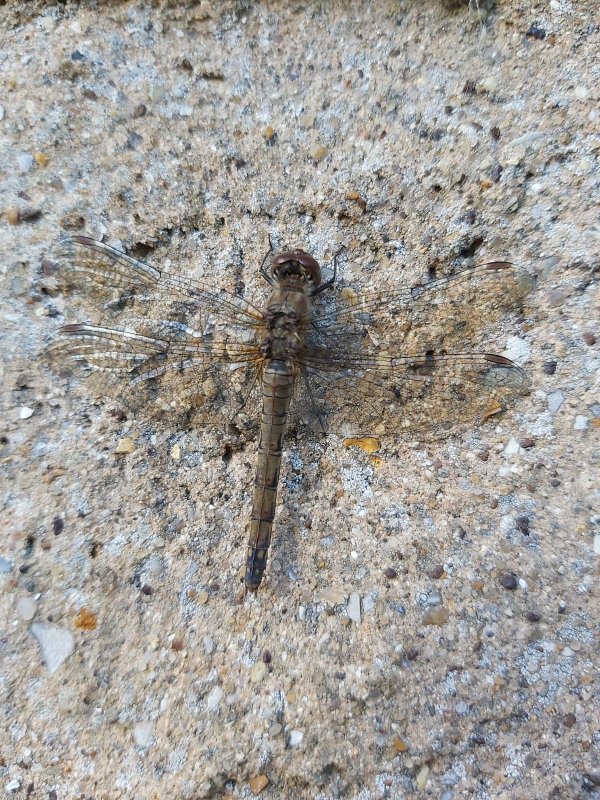
15th November, a sunny and fairly warm day. Common Darters still being seen!

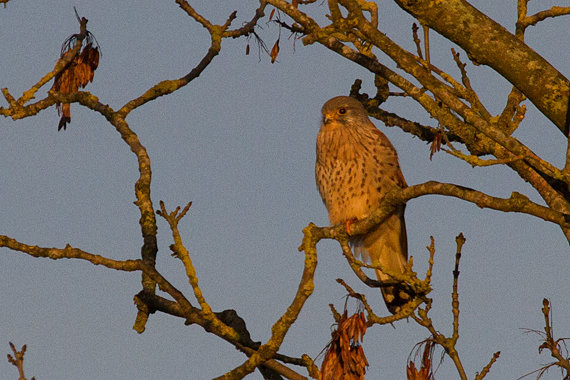
Kestrel
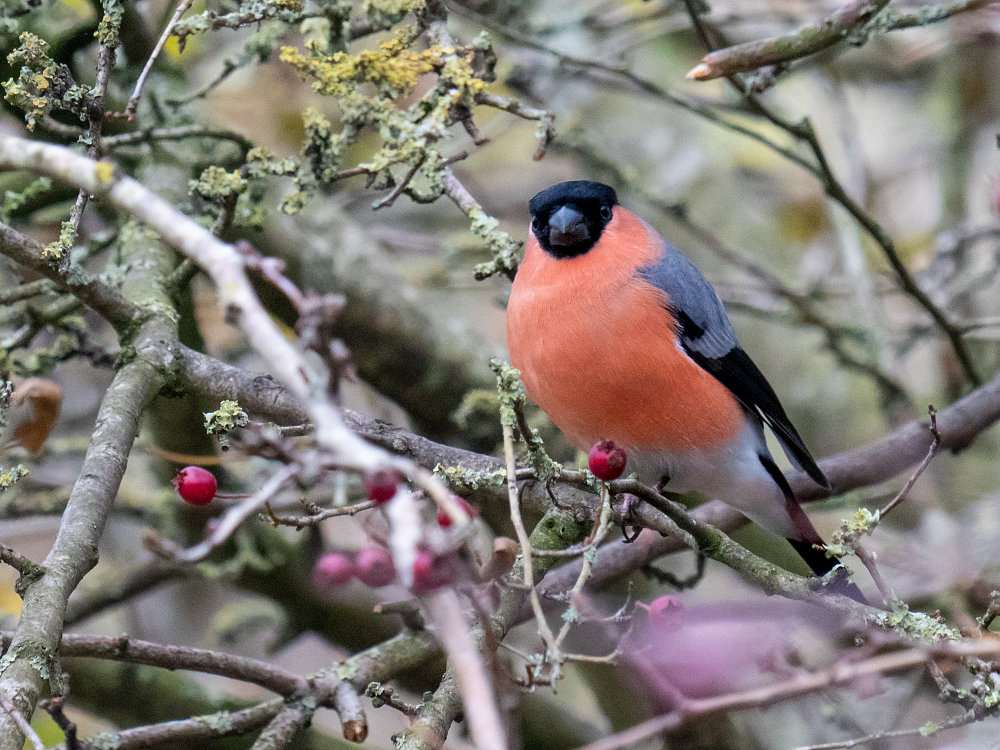
Bullfinch

18th November, I hear and see a chiffchaff and hear a kingfisher on a dog-walk near Evans’ ponds and Picnic Spinney.

20th November, tight flocks of starlings are racing non-stop over the village, looking very much like incoming migrants. The local starlings are sitting on the roof-tops singing. Black-headed and common gulls are about.

26th November, my company Long Buckby Electrical is installing the Christmas lights on Market Place when Storm Arwen stirs. We manage to get it all done before it gets going and fingers crossed they are still there tomorrow afternoon for the great switch-on. As usual there is a collared dove nesting in the tree but the nest disintegrates as the gusts get stronger.

Long Tailed Tit
Great Tit

27th November, I time unlocking CEP as the first snow hits the village. I stand facing north and the strong wind hits me with horizontal snow. It is exhilarating and I have the urge to open my mouth. The Hebrideans have more sense and are sheltering under the dense blackthorn hedge. Later the ‘switch-on’ goes well and even though tree is being buffeted the lights remain on. Will they last ‘till Christmas?

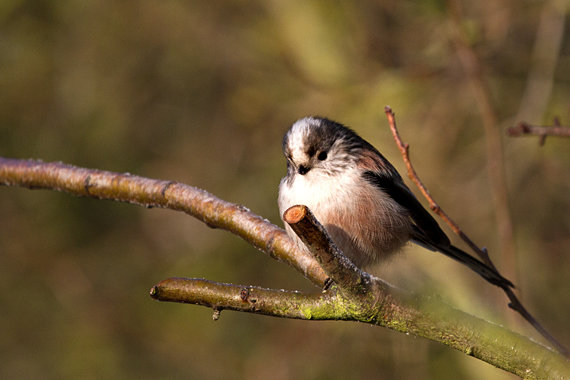
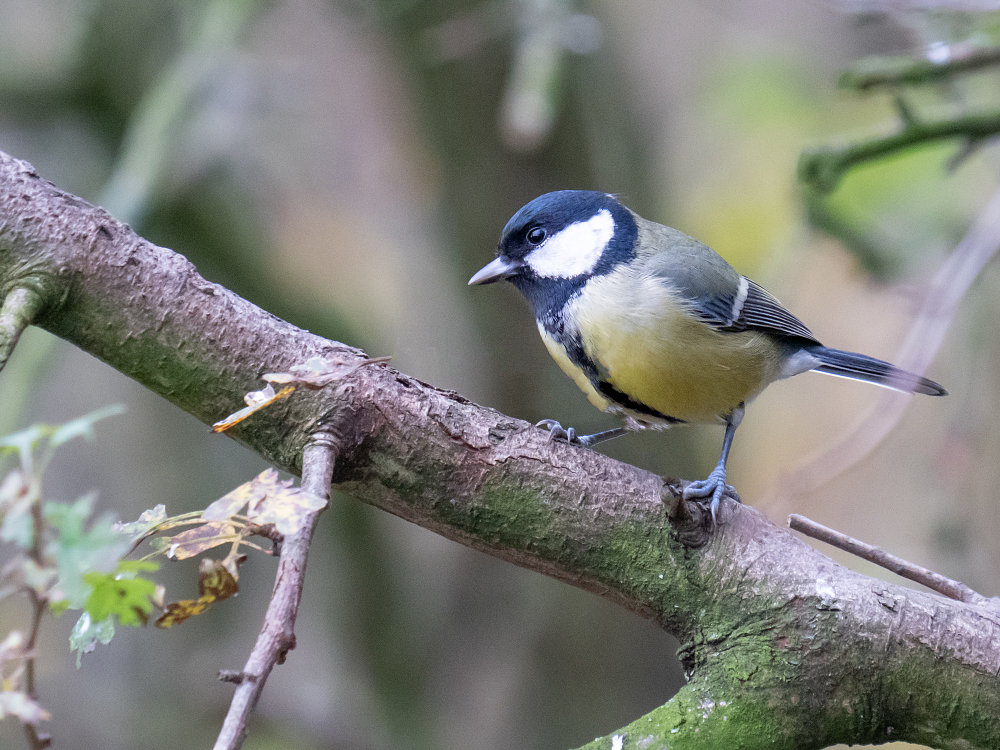
28th November, more snow and a heavy frost. A tit flock moves through the garden; long-tailed are vocal but great and blue not so. There is at least one goldcrest and a coal tit tagging along. Busy jackdaws are about the roof-tops near the library, they need no excuse to chase and hassle anything that comes over. They act like bandits and I watch as they attempt to mug a passing kite. Simon reports several woodcock and 2 kingfishers from game areas in the parish.

Village Wildlife Diary for October 2021

supper
Dryadds Saddle

Notes start from beginning of the month.


1st October, two swallows and 12 house martins over the village. Red admiral reported. CEP has two singing chiffchaffs and five bullfinches. A magpie in my garden has found a badly rotten woodpigeon’s egg but doesn’t find this out until it drops it. It has a peck at the contents but pulls back and immediately reaches for some yew berries to clear the palate.


3rd October, three geese appear from the east and head towards me. They are silent which is annoying as their calls help to identify them. As they come over I see two larger and one smaller, the former looking like greylags, the latter I don’t know. Mistle thrushes are being seen; perhaps they are just being more vocal. There’s one at Grange Farm, and another at CEP. Grey wagtail, pied wagtail and skylark fly over the village. Jim sees an egret off Brington Road, presumably little egret. Peacock and red admiral reported, and Ali sends a great photo of an old common darter.


6th October, sunny and windy but migrant hawker and common darter still about the ponds at CEP. Buzzard, kite, kestrel and sparrowhawk are noted using the empty sky. Collared doves, about a dozen seem to be finding millet seeds after the harvest. A hornet reported from the fire station.

Common Darter
sleepy snake


8th October, a redwing in the fog, which soon clears. Chiffchaffs in my garden and jay in Sue’s.


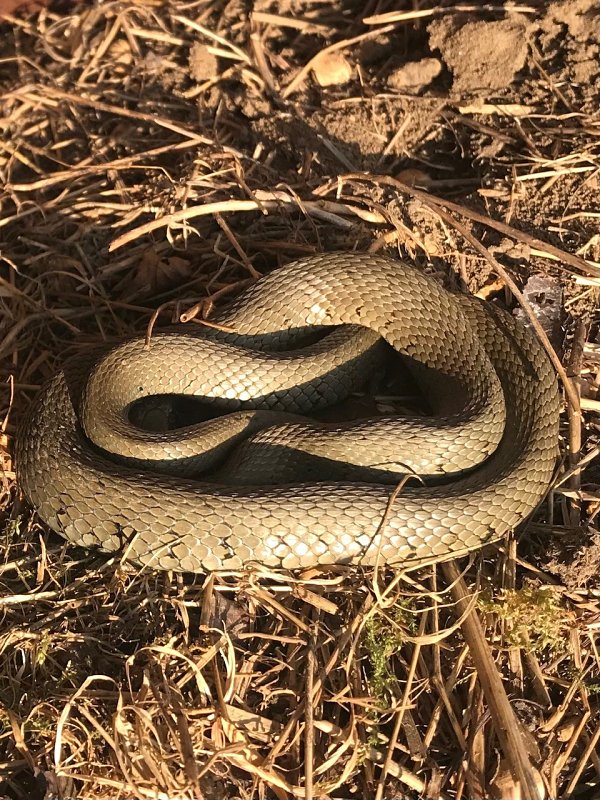
9th October, perhaps ten bullfinch including three beautiful males are amongst the birches at CEP. Several song thrushes have arrived and robins too. Goldcrests, reed bunting, chaffinch and mistle thrush are also noted. Mark sees a young stonechat off Brington Road. Hanglands has an 18inch grass snake and a muntjac. On sheep duty at Grange Farm and I hear then see a female/immature brambling which is rare with us, and an incoming migrant from Scandinavia. What a season for jays with sightings most days.


10th October, sunny and warm again for the volunteer work party at the park. Red admiral, common darter and migrant hawker are about, and in the pond I find a curious pointed conical shell that belonged to a great pond-snail. Pretty sure I haven’t seen that before and perhaps look for a live one next time.


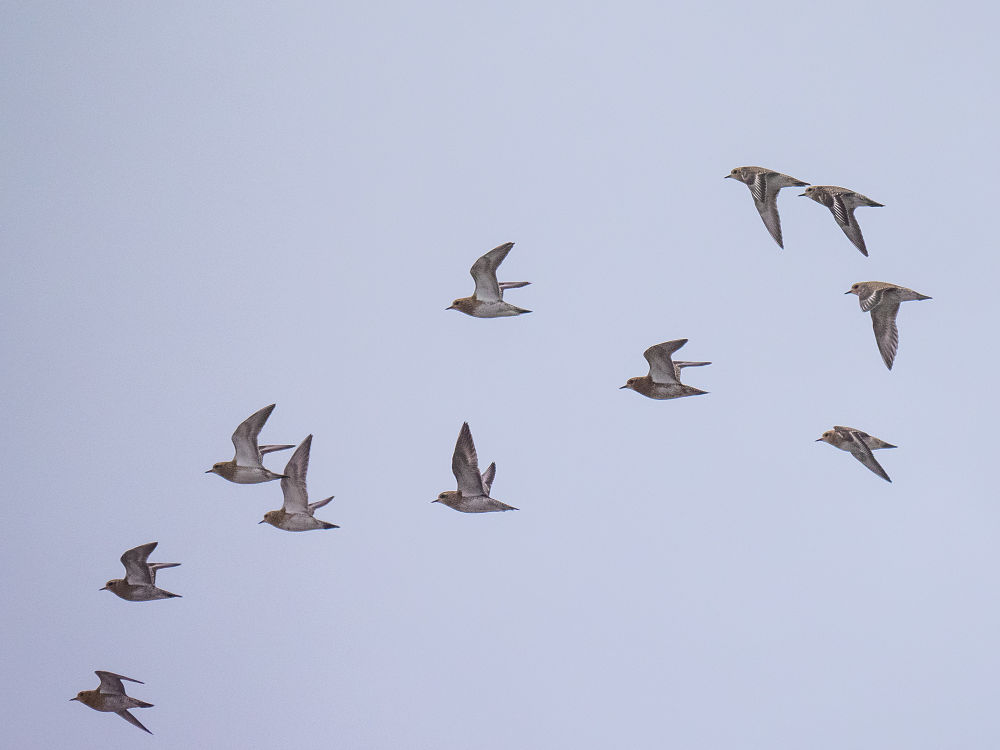
12th October, sleeping with windows open gives me the calls of an overnight passage of redwings and a tawny owl. On the way to Daventry and 30 golden plover are circling Thrupp Grounds. First I’ve seen for ages.

Meadow Pipit
Golden Plover


13th October, another strong over-head movement of redwings during the evening with birds being heard calling every 20 seconds for about twenty minutes. Meadow pipit and skylarks fly over as well.


16th October, cracking day, lots of birds at CEP; perhaps 20 species noted. There are quite a few stands of fungi including hedgehog fungus, brown birch bolete, and woolly milk-cap. There is common ink-cap which is edible but only if you don’t have alcohol in your system before, or up to three days after consumption, as it becomes toxic. The other name for common ink-cap is tipplers bane. Another great-crested newt in my garden is again at risk from enthusiastic dogs so is removed to safety.


17th October, a report of lesser spotted woodpecker from an area between Brington Road, Lodge Lane and Cotton End. The hedges there are superb and look suitable for this sparrow-sized rarity. Bats on West Street.

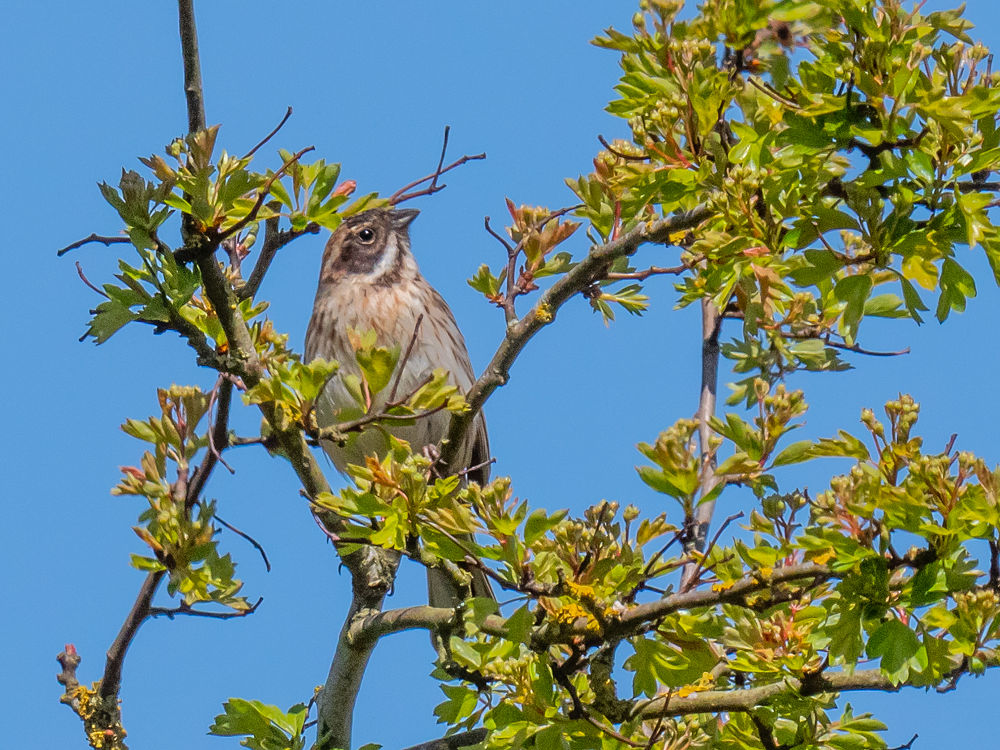
Reed Bunting
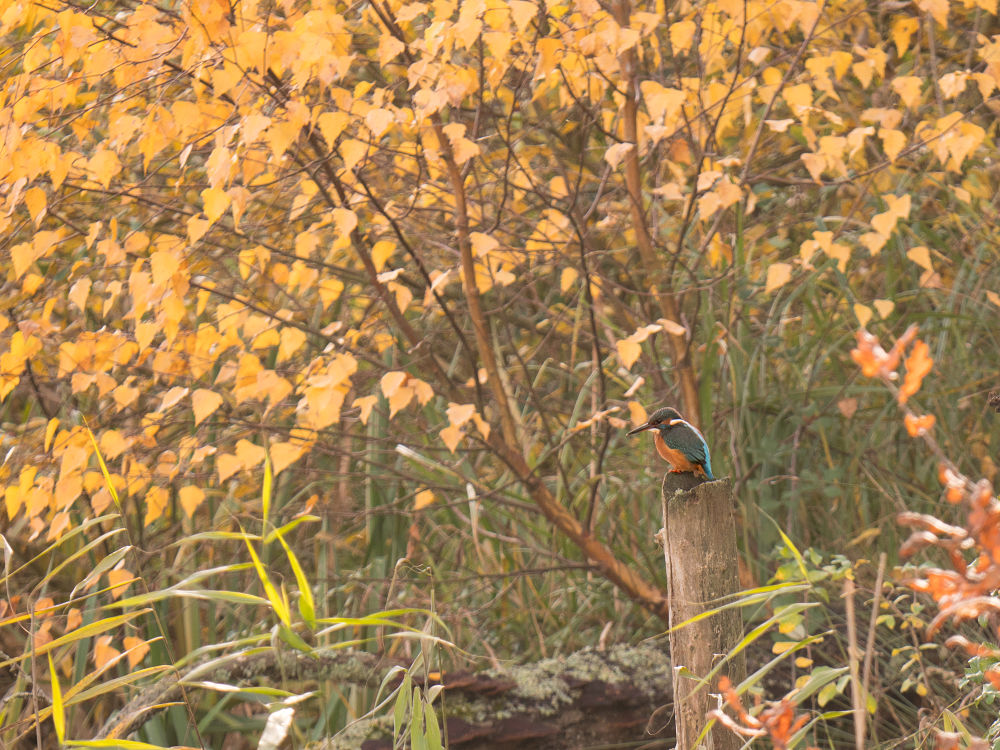
Female Kingfisher


21st October, a sunny cool lunch-break at CEP, and I see male common darters and a red admiral. I also find a freshly dead young moorhen.


22nd October, a hunter’s moon is still high in the sky at daybreak and I see a flock of a dozen geese come over the village. They are silent, which is unusual, and as I watch they circle over the recently cropped millet fields off Foxhill Road; eventually they land and start feeding. I get a bit closer and find out they are Greylags. They look distinctly ‘wild’ and could be incoming migrants (or part of the UK’s resident population).


23rd October, a walk with Chris and Sue in search of the lesser spotted woodpecker off Brington Road. A few fly-over skylarks, meadow pipits, chaffinch, siskin and a jay noted.


24th October, at CEP there are a dozen redpoll, parties of redwing, bullfinch, yellowhammer and reed bunting. Again I see jay; they are in good numbers this autumn as are woodpigeons. At Hanglands a large hare has taken up residence in the copse and under the tins a couple of field voles have amassed a vast collection of cherry stones; there is also an 18inch grass snake. Red admiral reported.

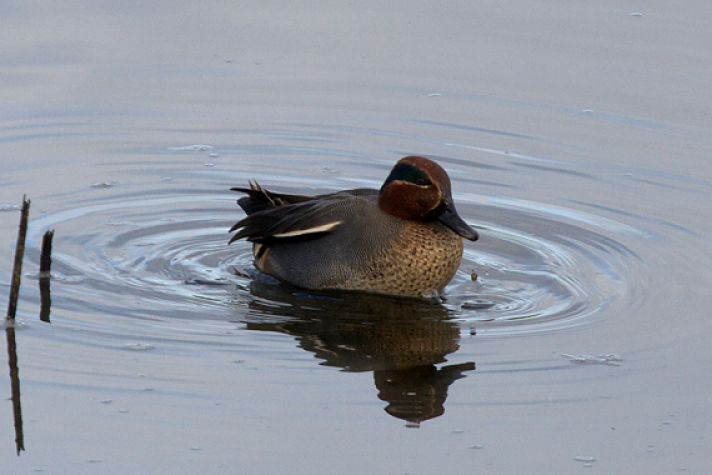
Teal
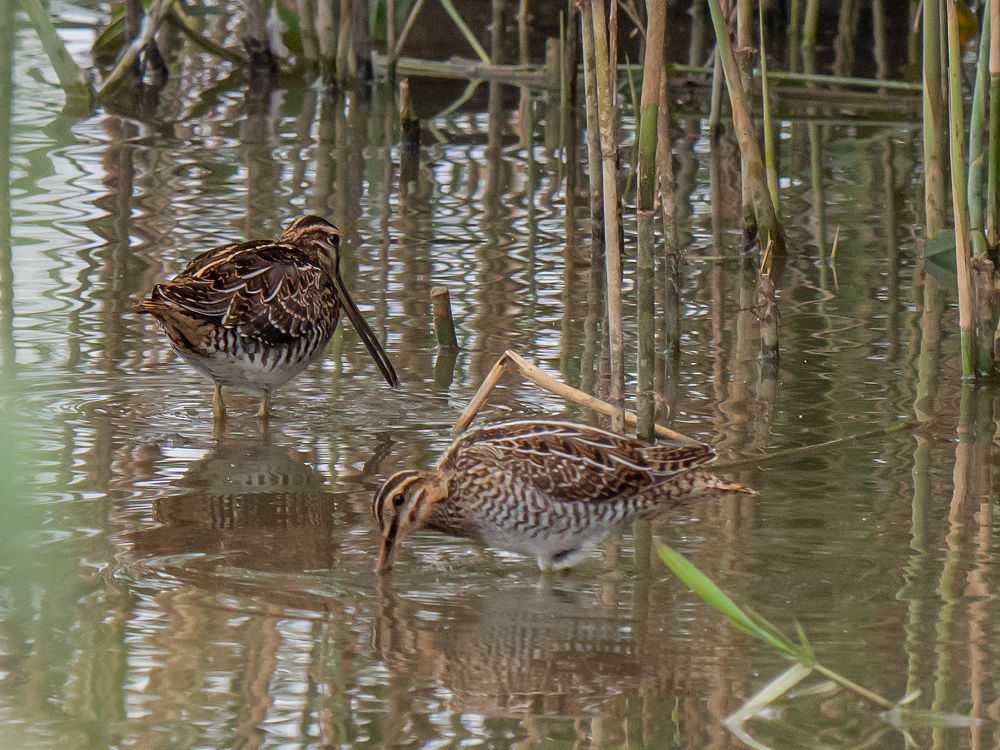
Snipe


25th October, of Brington Road we see 30 odd chaffinches, goldfinch and skylarks. Red kite and buzzard are about the fields. I am working at Lodge Park Farm and see 6 gadwall with the mallards and moorhens on the lake. A blue flash dips into the water and straight out, landing on an over-hanging twig. Kingfisher! Mr Gardner thinks they nested in the stream bank nearby. He also reports 2 little egrets visiting regularly.


29th October, mildness is prompting the flowering of clover and chicory in the set-a-side strips on Armley field, allowing bumblebees and red admiral to feed.


30th October, I’m looking from the hide at CEP and as usual don’t see much. I use my binoculars to look into the foliage at the back of the pond to the left and see a male teal sitting quietly amongst the reeds, next to it a snipe materializes; again sitting still, half covered and perfectly camouflaged.