Village Wildlife Diary October 2024

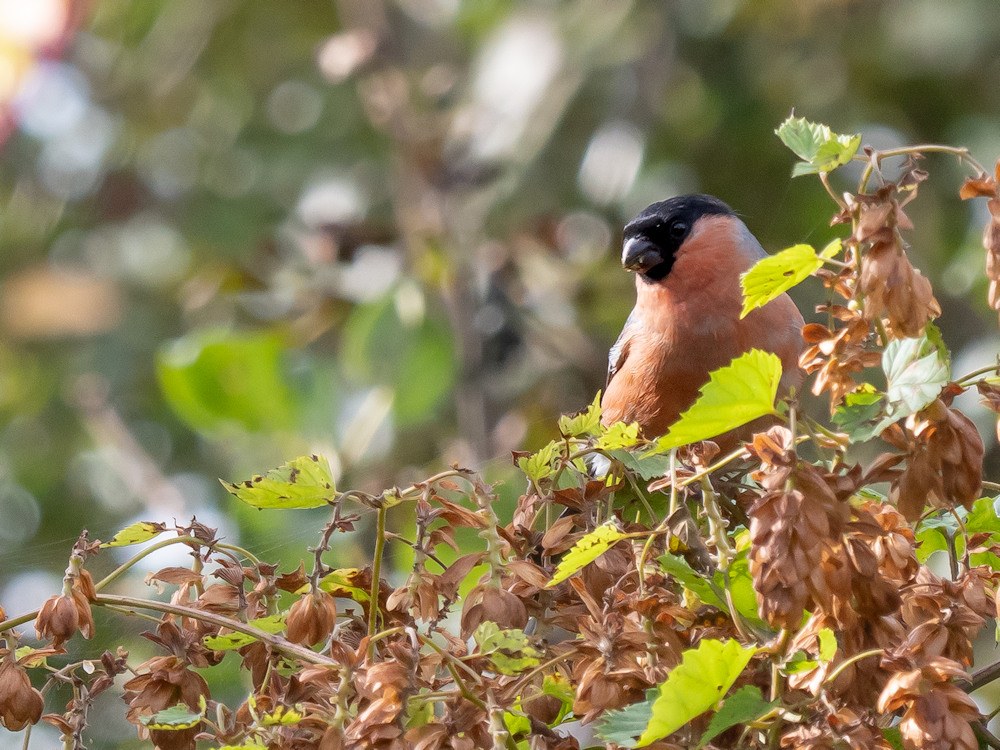
Bullfinch
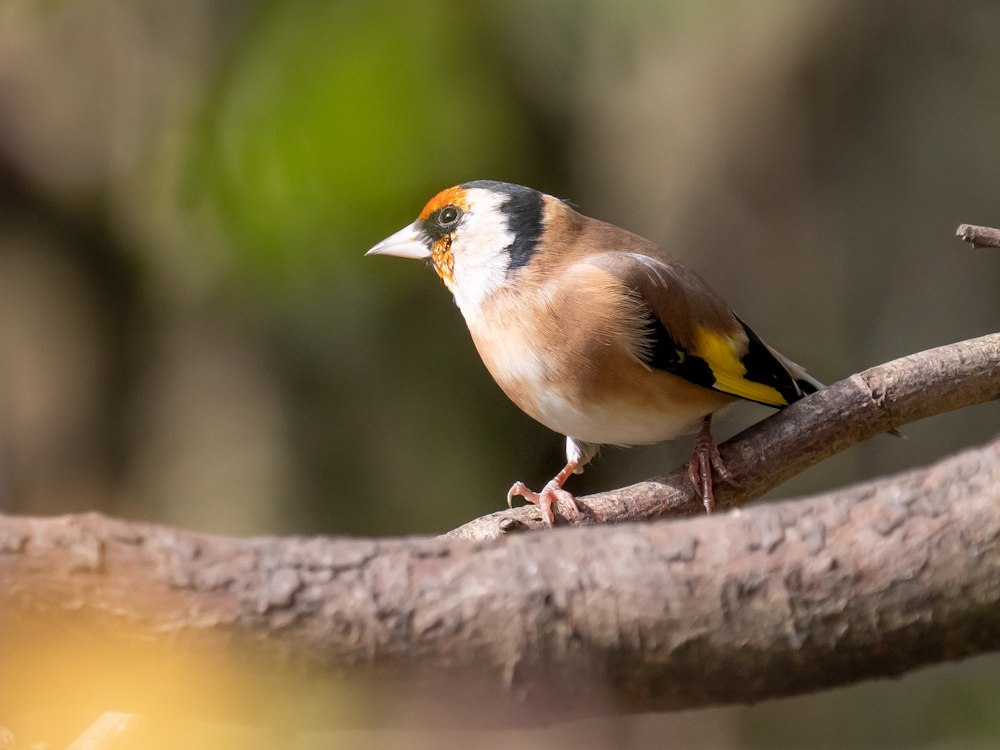
Goldfinch

I’m watching a barn owl as it flies on the verge on Foxhill Road. It is moving quickly, its wings busy, somewhere between providing forward flight, stalling and hovering, and its head is fixed downwards as it scans the ground. Five minutes earlier I was travelling back from the farm in the dusk and the bird appeared silhouetted again the glow of the sunset. I am now parked with lights off and window down and have a few more silent seconds with the bird as it drifts over me and continues its work.

The following day (3rd) the sun is giving enough warmth for red admiral, small white, speckled wood and peacock to be active, and I notice the admiral landing on a swell of ivy growth then sort of walk into it and disappear. The juvenile buzzard is still whining, pleading to be fed and a couple of jays are also calling. At one point I hear a call of a bird going high over-head. It is either a snow bunting or a Lapland bunting but it only calls twice and I don’t see it. Some just get away. A migrant hawker dragonfly and a hornet are on the wing and coal tit and siskin are seen.
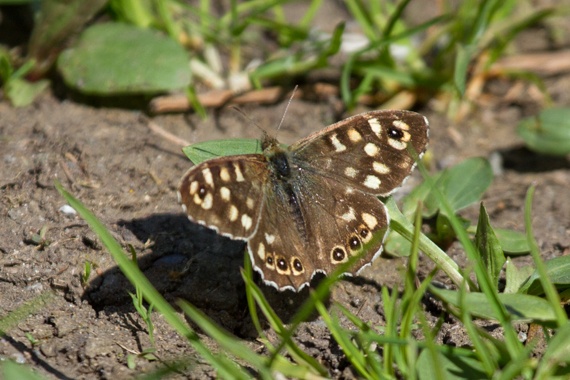
Speckled Wood
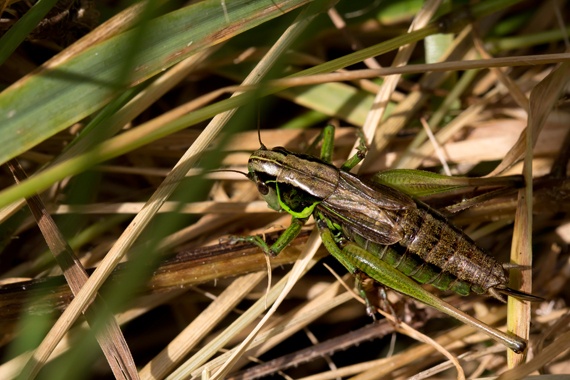
Roesel’s Bush Cricket

Saturday the 5th is our Apples & Pears event on Market Place and we are blessed with sunshine and good attendance. We have an apple juicing station set up and the smell of sweet fruit attracts two horses (with their riders) to the stand. Not sure how much control the riders had as the horse’s eyes were popping out at the sight of all that goodness!

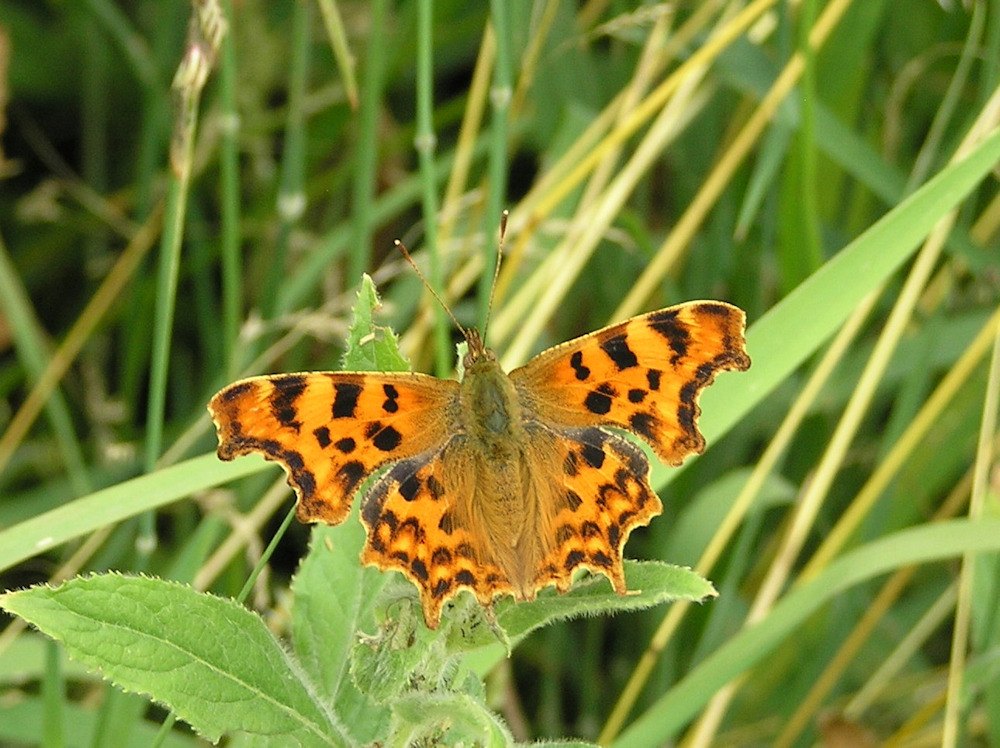
Four snipe reported from below St Lawrence’s and CEP has comma and large white butterflies and southern and migrant hawker present.

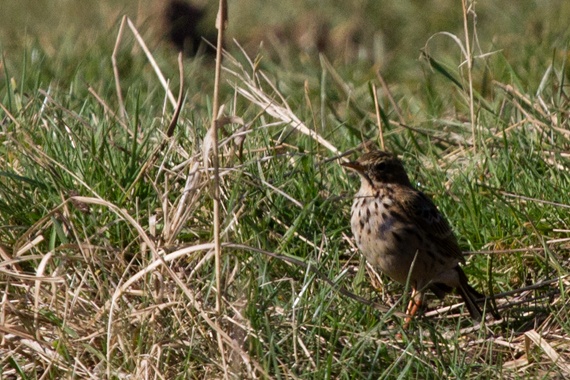
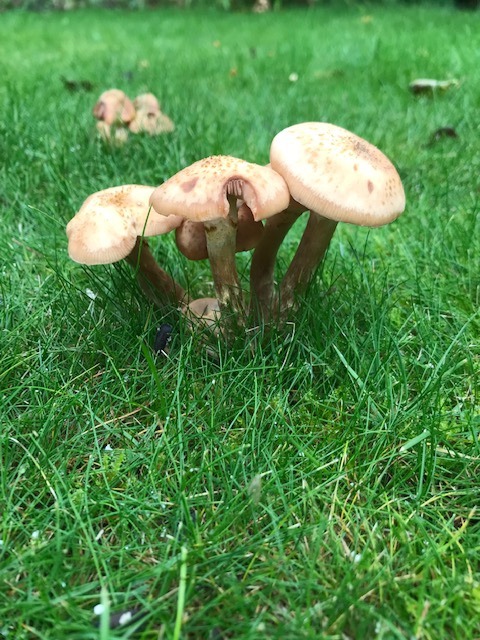
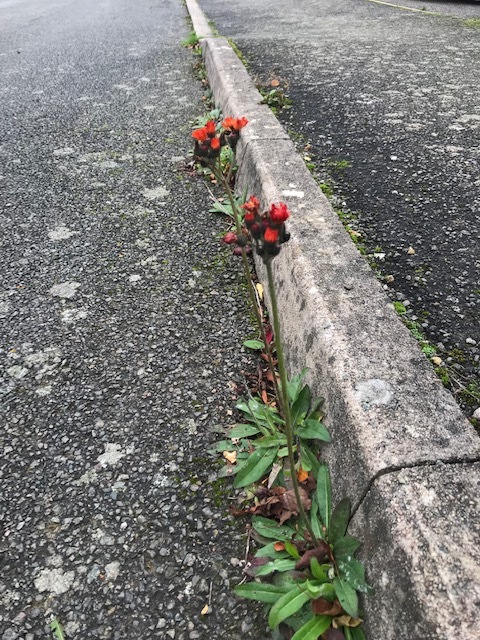
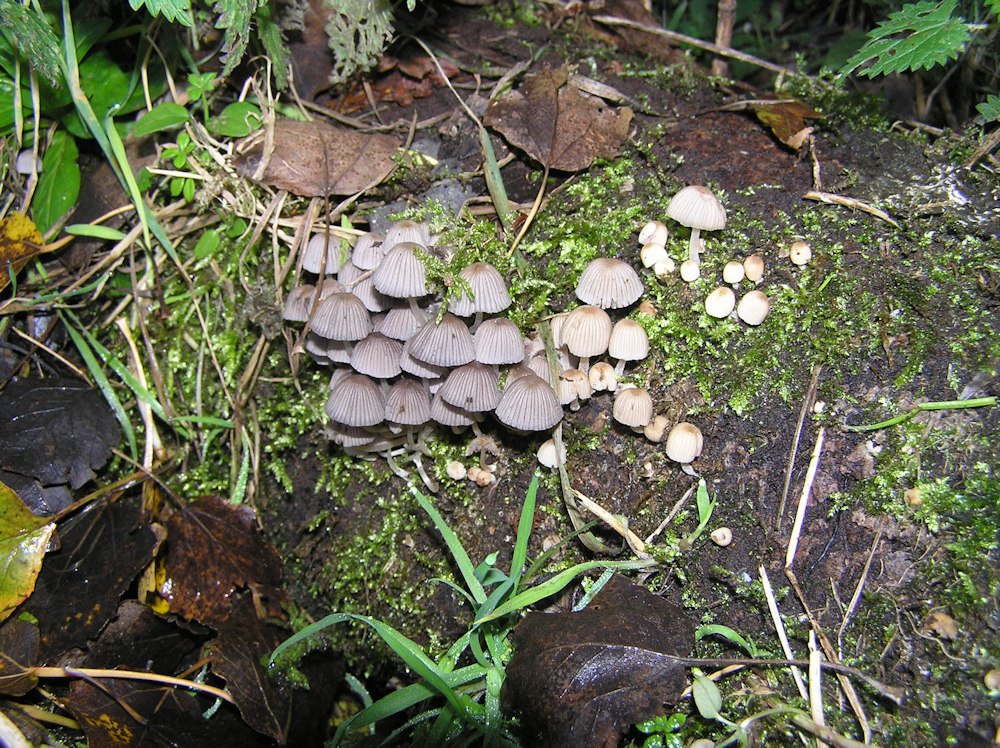
11th October, sunny and mild after damp and dreary brings forth fungi, a few butterflies and there is still the odd Roesel’s bush-cricket active. A few clover, buttercups and ragwort are in flower and every so often skylarks and meadow pipits call as they go over.
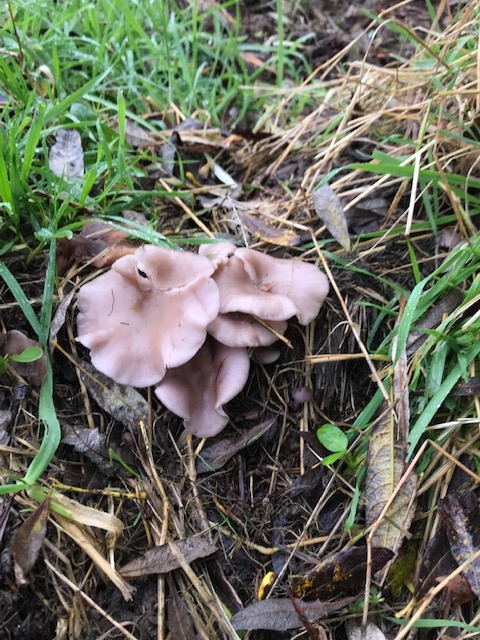
Fungi 1
Fungi 2

13th October, our volunteer work parties often start with a walk and talk, as we check on the state of the park and of each other. We see a small flock of redwings fresh in from Russia, Scandinavia or Iceland. They are amongst the haws and hips on our boundary hedge. There is another odd call amongst the tit flock. Some of us have the ‘Merlin’ bird call identification app and even though it picks up treecreeper, great tit, coal tit and goldcrest it doesn’t register this small fast-moving warbler. My thoughts are with maybe a continental chiffchaff. Another one that gets away without being positively identified – I must be slowing up.

A report comes in of pollution in the stream through Mill Park with dead fish being seen. Butterflies and dragonflies about at CEP including willow emerald. 25 lapwing on the way to Daventry was a pleasant surprize.
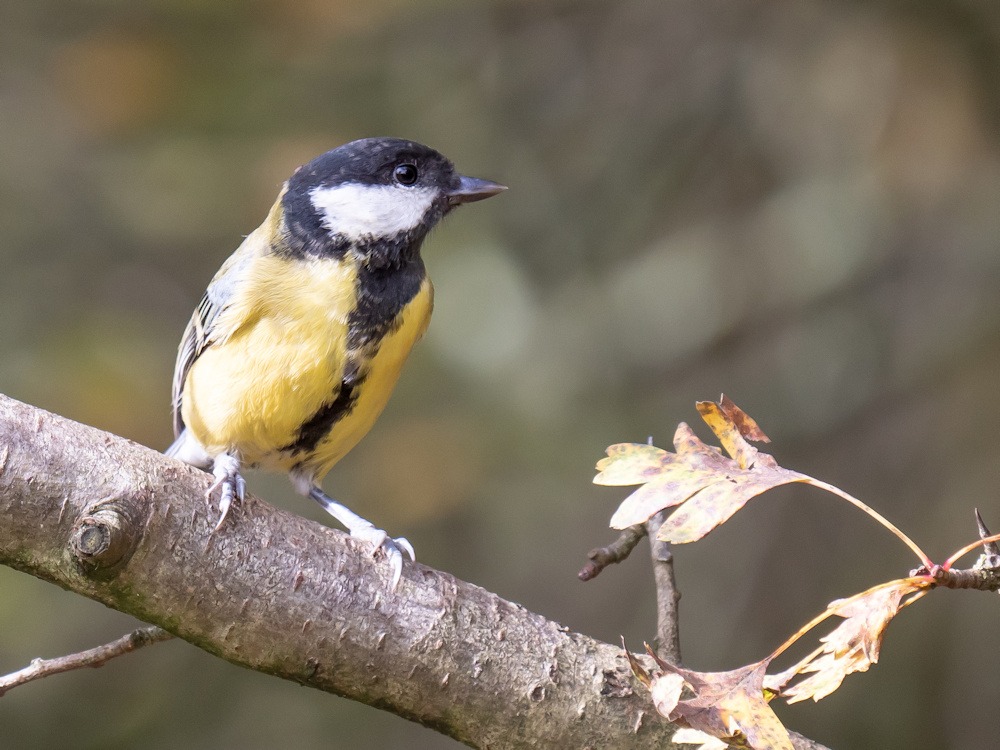
Great Tit
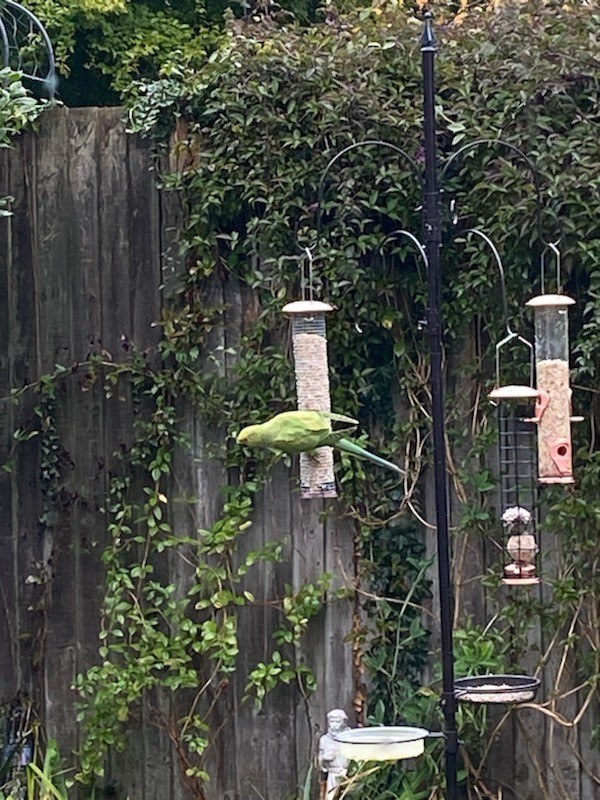
Rose-ringed parakeet

19th October, Norman sends a me photo’ of a ring-necked (now called rose-ringed) parakeet on his bird feeder at Stenhouse and Alan reports merlin and cormorant from the wharf. Redpolls and skylarks are in the air.

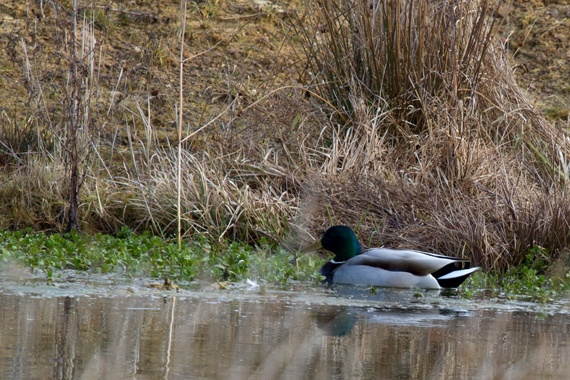
24th on the footpath near Lodge Park Farm and Ian and I see gadwall, tufted duck, mallard, moorhen and little egret on the lake there. An adult mute swan flies over as does grey heron, and there is a red admiral briefly. David and Jane report bats during the evening.

 25th, My friend Tim reports a barn owl from Foxhill Road, and chiffchaff and common darter are noted at CEP along with 8 redpoll and a hornet.
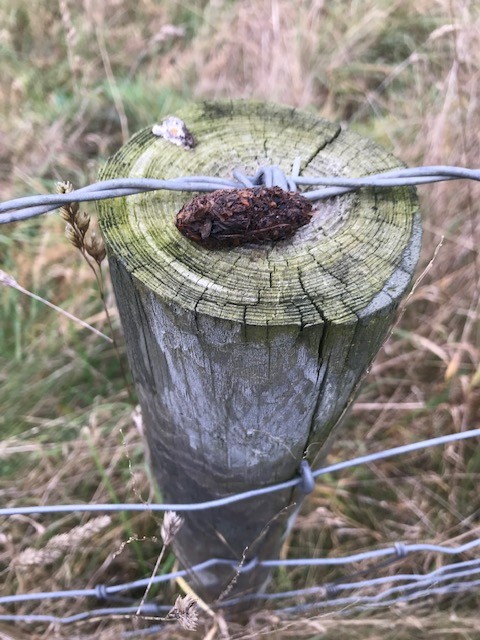
regurgitated pellet
fox and cubs

In a month that saw our remaining insects disappear, our summer migrant birds leave, and our winter visitors arrive, and the aurora borealis and the Tsuchinshan-ATLAS comet observed in our skies, we also lose an hour as British Summer Time comes to an end. The end of the month sees our own last pulses of light worship with the celebrations of pre-Christian Samhain and Diwali – the Hindu festival of light. And as the evenings draw in we celebrate Hallowe’en perhaps remembering our ancestors, and now pin on our poppies to remember those who fight for a freedoms.

Thanks to David Green for his monthly weather statistics.

Max’ temperature was 19.2 at 1306h on 17th. Min’ -1.7c at 0711h on 11th. Precipitation.. 65.6mm.
Village Wildlife Diary September 2024

Fairies Bonnets
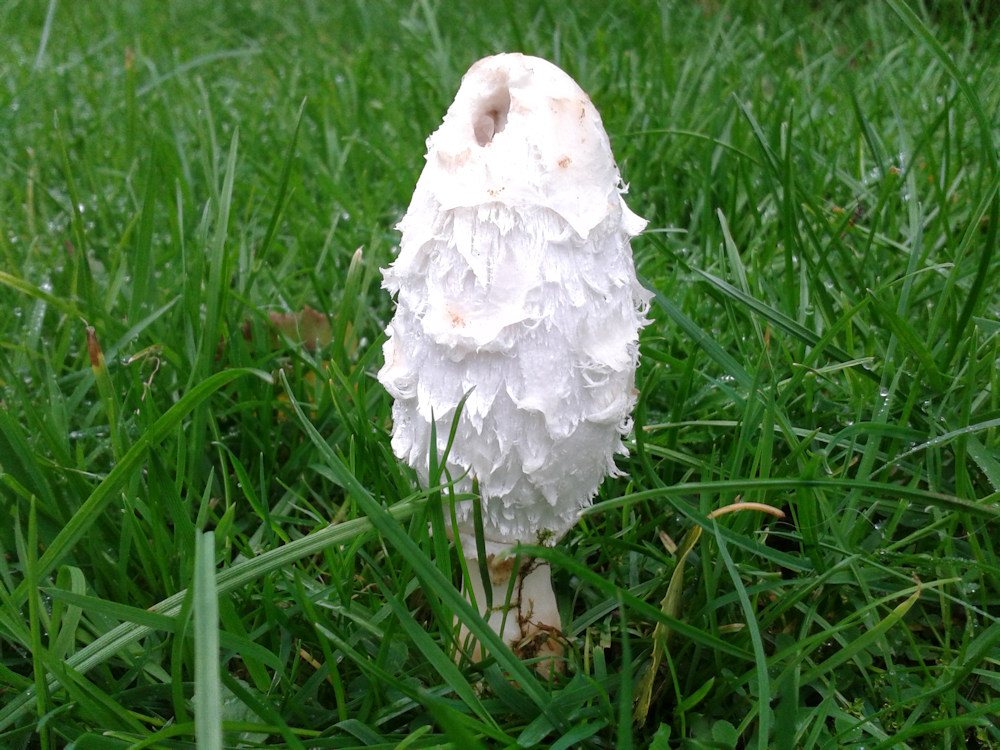
Shaggy Ink-cap

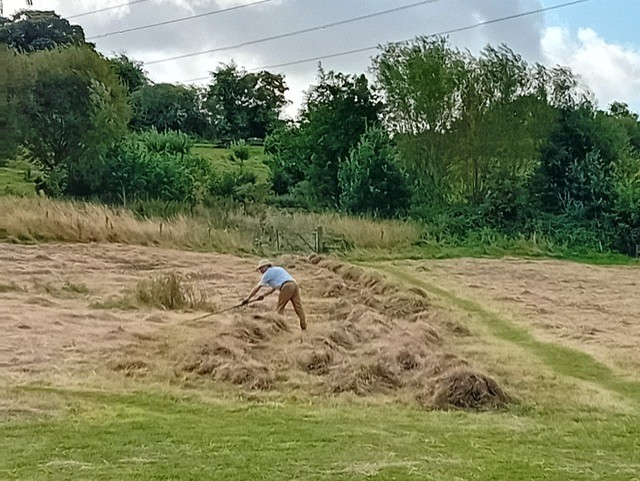
The first was a nice, hot day, in fact the hottest of the month to come. We are raking and bagging our gorgeous hay. All that energy dried into the stems to reappear on some cold winter’s morning reminding me and the sheep of the heady days of summer. A yellow wagtail flies over – calling. A rare summer visitor these past few years but obviously still hanging on somewhere. It takes five seconds to come and go. A family of swallows are swooping amongst the haystacks and sweat rolls down my back.

In the village, a cormorant flies over the junior school, hedgehogs are reported on social media, and a jay, greenfinch, goldcrest and a hobby are reported.

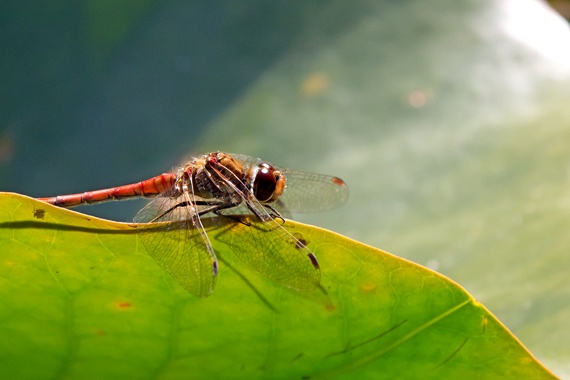
Common Darter
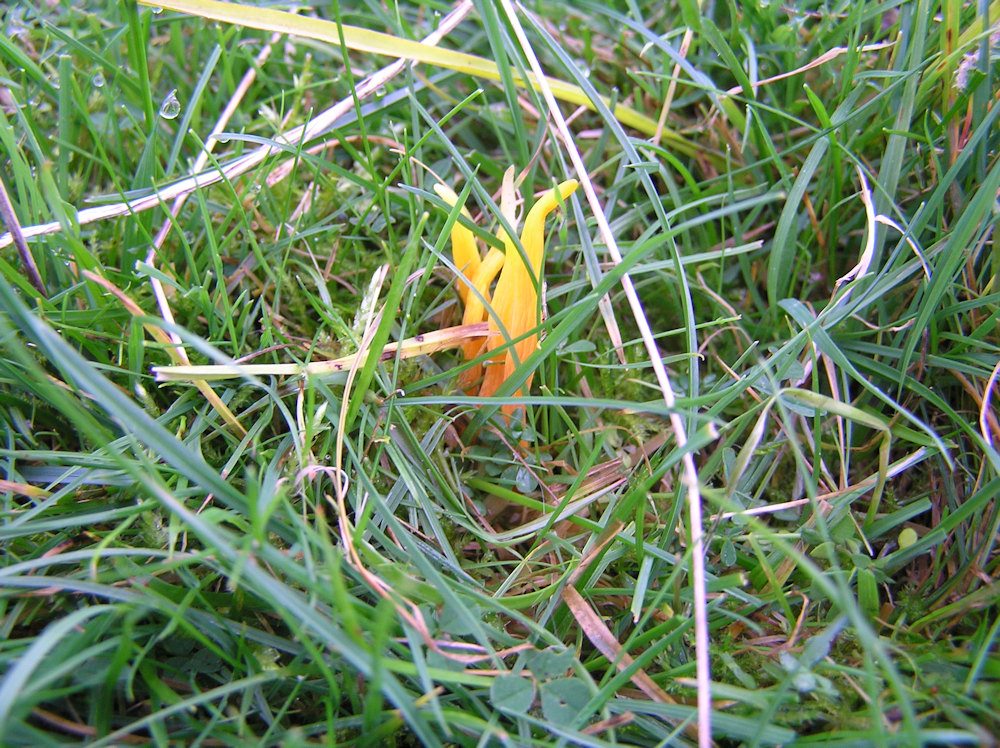
Yellow Club

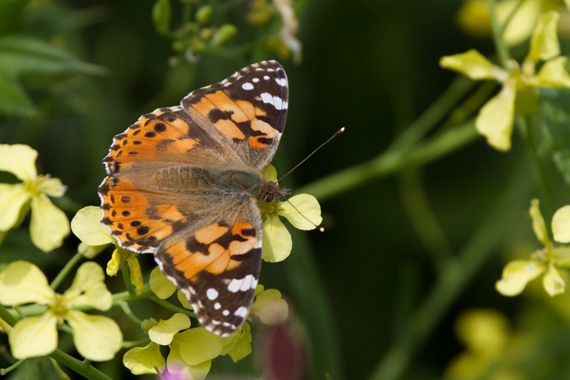
Butterflies reported on the 6th include small tortoiseshell, red admiral, painted lady, speckled wood, and large and small white.  I’m at work at Winwick and see a lone lapwing fly over.

The 10th was humid and warm enough for bats to be about and reports came from Grange Farm, The Leys, Harbidges Lane and Ashmore.

Mallard
Meadow Pipit

Autumnal signs include a few common and black-headed gulls about the parish, a flock of 60 starlings are reported from Station Road, a flock of 40 linnets off Foxhill Road and 2 reports of jays.

On the 14th bird migration was in evidence at Cotton End Park with a now rare, spotted flycatcher in with a highly mobile flock of perhaps a dozen chiffchaffs, 3 willow warblers and 3 blackcaps. There were several swallows and meadow pipits intermittently over-head and all these birds are heading to the continent and beyond for the winter. Down at the wharf Alan Webb reports a firecrest, a rare cousin of the goldcrest.

Painted Lady
Comma

Six species of butterfly including comma and green-veined white reported and the ponds at CEP held southern hawker, migrant hawker common darter and willow emerald.

The 21st saw rain, thunder, lightning, rainbows and strong winds and the following days gave us even more! A Great Egret was in the flooded Co-op field (below The Banks) and was seen to catch a frog, and several mallard and gulls were on floodwater at Surney. Not sure I see any house martins after this date.

Speckled Bush Cricket
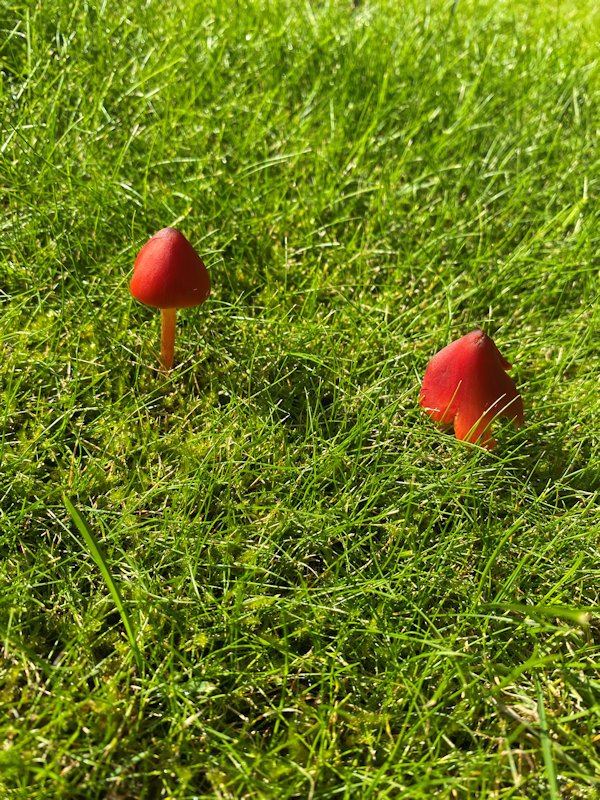
Scarlet Waxcap maybe

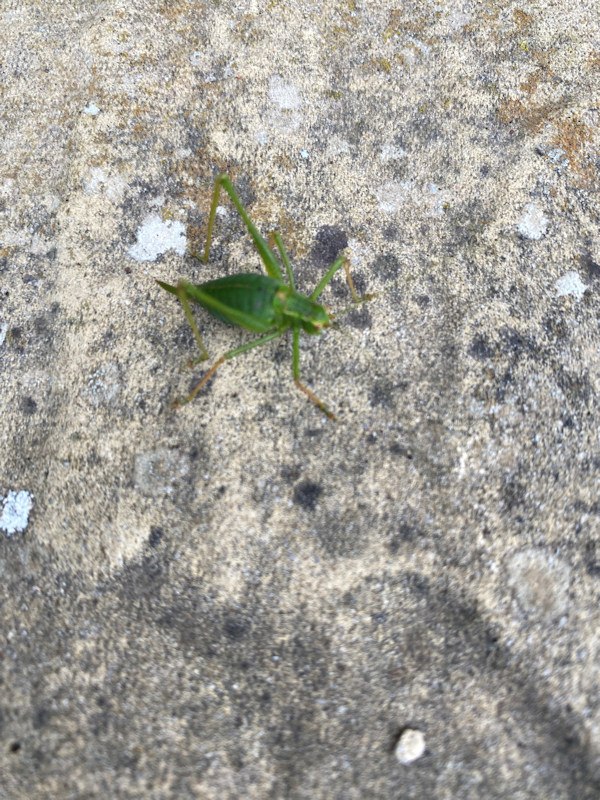
In between the rain, grey wagtail, jay and meadow pipits were seen going over along with swallows and skylarks. Fungi was suddenly everywhere with yellow club/golden spindles, fairies bonnets, stag’s horn, snowy waxcap, shaggy ink cap and brown roll-rim reported, and Norman How finds scarlet waxcap on his lawn. He also finds a speckled bush-cricket. Singing chiffchaffs, a few bat records, a few butterfly records and a swallow going over on the 29th suggest we’re not done with summer yet.

Thanks to David Green for the monthly weather report.

Max’ temperature was 26.9 at 1424h on 1st. Min’ 0.5c at 0224h on 28th. Precipitation.. 213.8mm! with 70mm on the 22nd.

Village Wildlife Diary August 2024

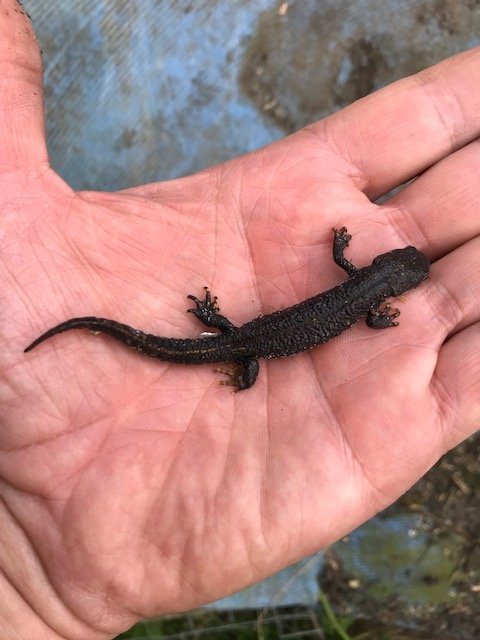
GCN
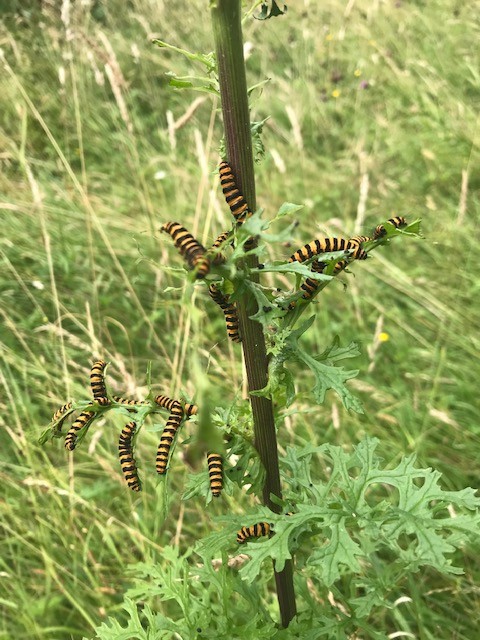
cinnabar on ragwort

Gone. Just like that. The swifts, that have been racing through our skies since May have departed on their journey to their wintering grounds in Africa. I say ‘grounds’ but they do not land at all during the whole of their time away from us. They eat and sleep on the wing, visiting a dozen or more African countries until they start the return journey next April. The sounds of screaming swifts and their mastery of the air is one of our summer highlights and I like the way they all dramatically, literally, disappear overnight (here on the 1st and gone by the 2nd).

There are still good handfuls of swallows and a few martins about. Those of us with outbuildings may have been lucky enough to have swallows nesting and although their first broods were poor due to the wet spring, the second seems to be good and they may go on to a third. House martins are at their lowest numbers recorded so far and I’m unsure whether the purpose-built, artificial nest boxes, that are becoming popular, maybe just a bit too late to save them.

On the list of ‘wildlife that seem to be in less numbers this year so far’ are small tortoiseshell and wasps. Let know if you see any…

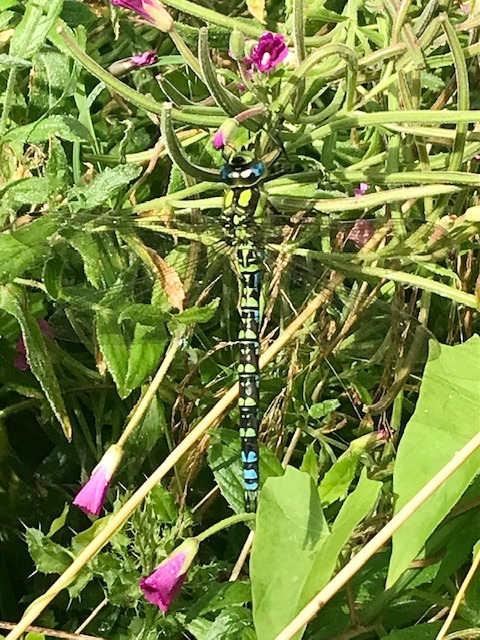
male southern hawker
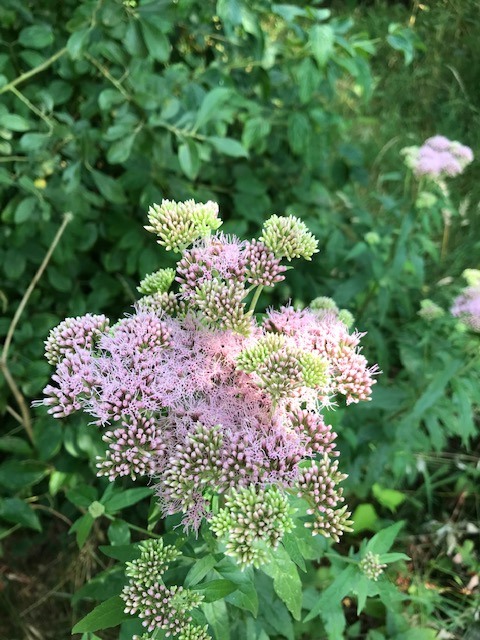
hemp agrimony

6th August, small tortoiseshell (that was quick), hornet and migrant hawker seen at Cotton End Park. Also, a large bat, possibly noctule, seen at midday flying low over the A428.

11th, several whites, 3 peacocks, 2 red admirals, 1 speckled wood and 6 gatekeepers at CEP along with brown, southern and migrant hawkers, a male emperor, common darter, common emerald and azure damselflies. Birds seen included 3 young willow warblers, chiffchaffs, and long-tailed tits.

12th, painted lady, holly blue and a super, hornet hoverfly (a harmless hoverfly that looks just like a hornet) noted off Spencer Road.

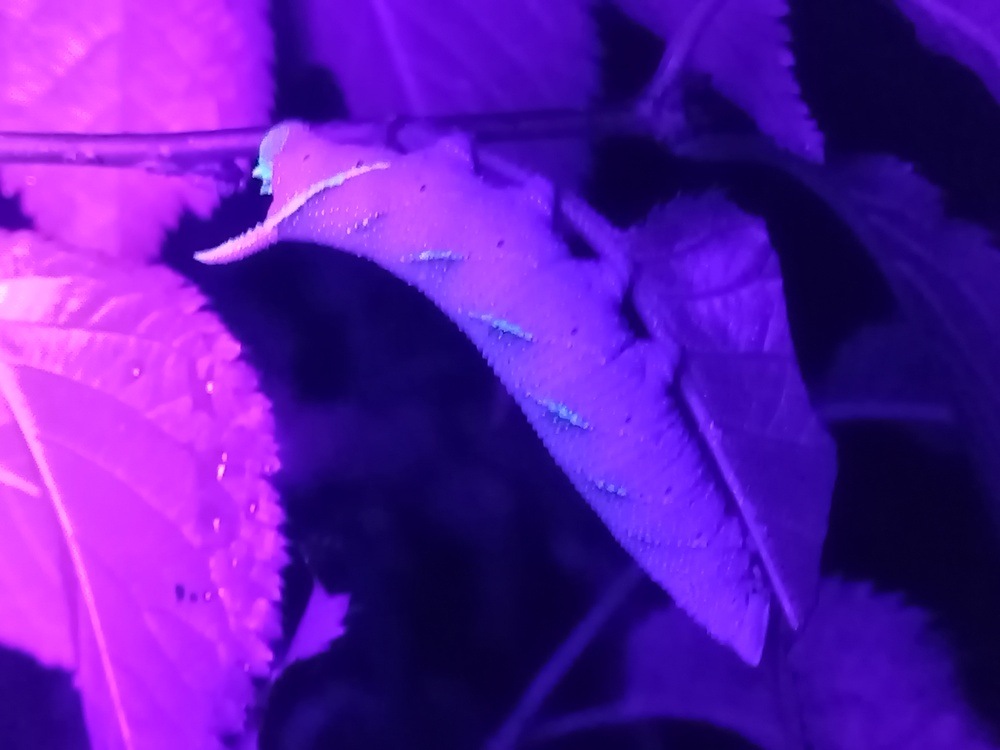
14th, Brian Laney visits Grasscroft with his UV torch at night in search of invertebrates and finds the caterpillars of lime hawkmoth, pale tussock moth and oak bush-cricket. 

16th, I visit Ravensthorpe Res’ and meet ‘Species-finder General’, Mark Piper. We soon find the very rare lesser emperor plus a dozen other dragonfly species.

lime hawkmoth
hay raker

17th, a wheatear (A passage migrant bird on its way back to Africa from Northern climes) over Foxhill Road, and a red admiral and jay are noted at Grange Farm. Jenny and I are preparing the Co-op field for hay and see at least five male common blue butterflies and two gatekeepers. Gina finds a poplar hawkmoth caterpillar.

25th, the swallow families over Benbow are regularly attracting the attention of the local sparrowhawks and as I look up one is joined briefly by a hobby and they both momentarily cruise over the roof-tops watching the panicking swallows. Neither make a move and drift away without attacking. Mike Ivens reports a little egret from Murcott and John Seymour sees a wheatear off Lodge Lane. There are two road-kill hedgehogs on Station Road and I wonder what speed people go to not see one crossing. One of my farmer friends asks me where all the insects are this year? Where are the wasps? Where are the birds? I cannot answer him.

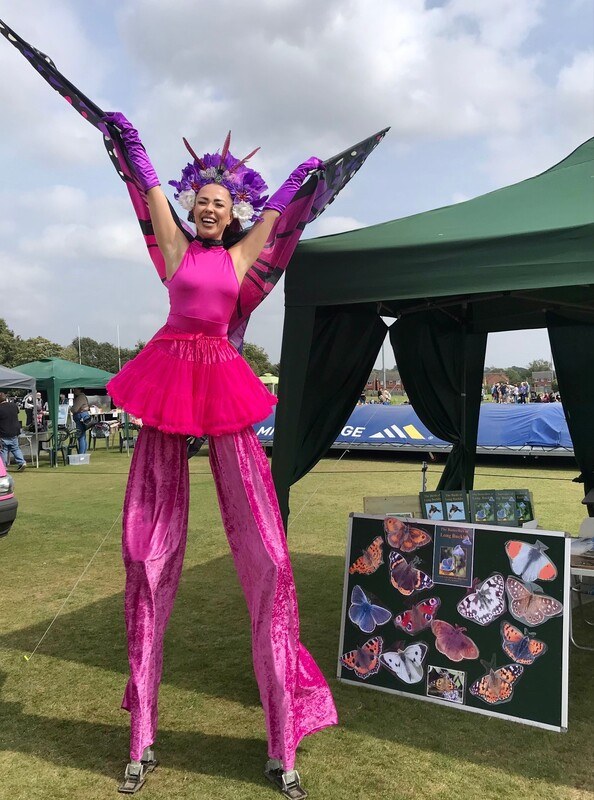
26th, Buckby Feast Day. Mill Park Reserve and Cotton End Park both have stalls at the fabulous Buckby Feast. This well attended and successful event is yet another example of how life in our village is improved and enhanced by volunteers.

An oak tree is cut down on South Close near the school, but I can’t seem to find out why. Counting the rings on the perfectly healthy stump, it seems it was 150 to 200 years old. Presumably someone has gained thousands of pounds worth of firewood.

rare butterfly at Buckby Feast
male common blue

27th, at least 20 willow emerald damsels are egg-laying on willow twigs above the pond at CEP. The females stab their eggs into the bark only on twigs that overhang the water. As the larvae hatch, they drop into the water to continue their life-cycle. A report of seven red admirals, one painted lady and several whites from The Leys. The Roesel’s bush-crickets are churring away in the fields behind Lime Avenue and Cath sends me an image of field grasshoppers.

We’ve had a good couple of months of hard work at CEP. Installing a new bench near the play equipment, mowing the paths and orchards. Mowing, raking and bagging the hay from the wildflower meadow. The sheep have been shorn. We were awarded the Green Flag Award for an outstanding community park. We had a volunteers BBQ and entered the Feast quiz, which we won on a tie-break question. We will soon be harvesting the orchards for Apples & Pears Day (5th October – Market Place) and if you’re free on the afternoon of the 12th September please join me at the Buckby Library & Hub for my talk on Extinction and Reintroduction.

Thanks to David Green for the monthly weather report.

Max’ temperature was 31.6c at 1604h on 20th. Min’ 6.2c at 0612h on 17th. Precipitation.. 29.6mm