Village Wildlife Diary for October 2022

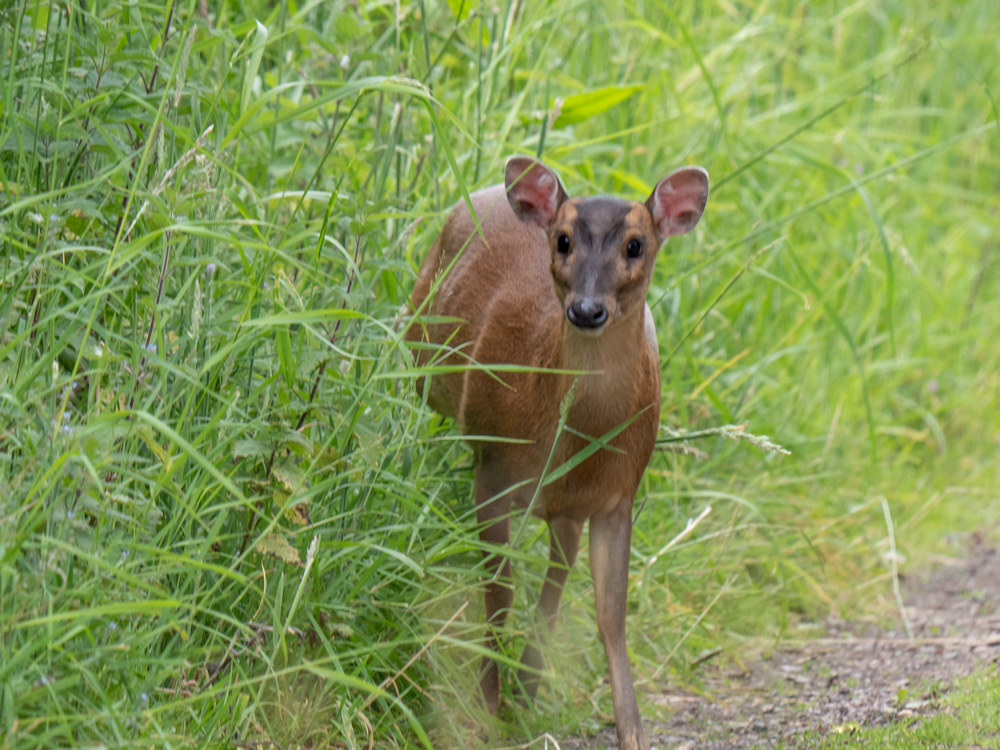
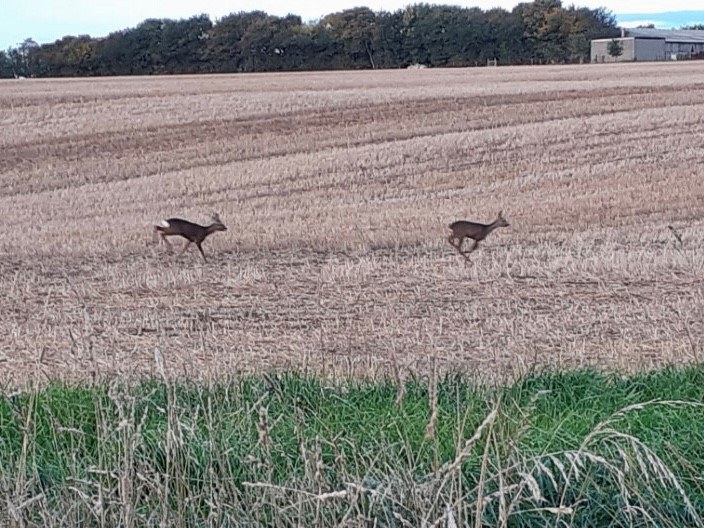
Roe on the run by Jane
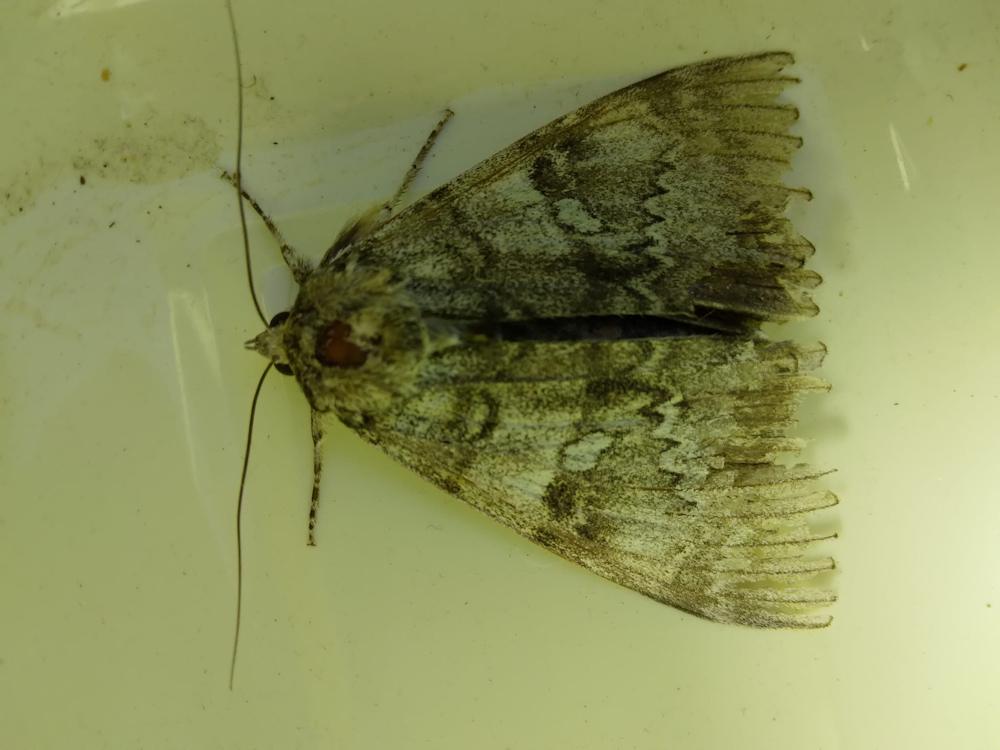
Clifden Nonpareil or Blue Underwing by Brian

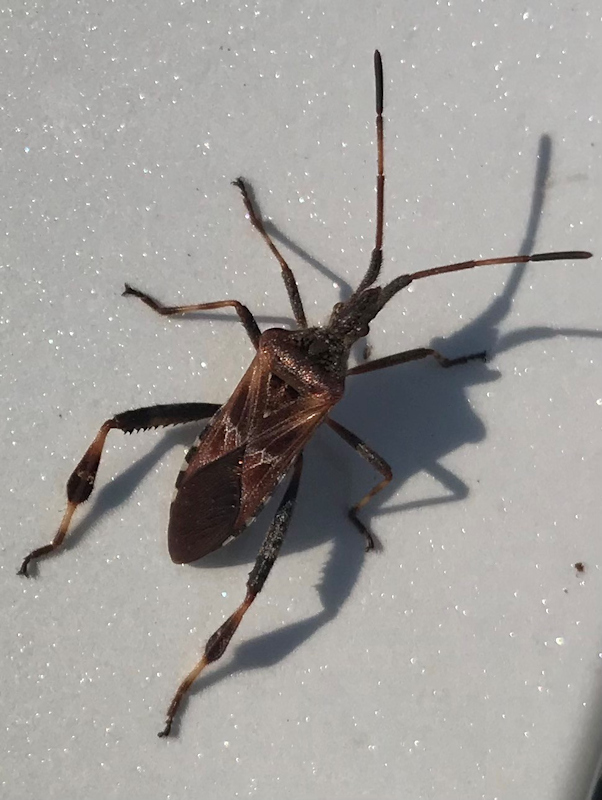
1st October, after many years of trying Brian light-traps a blue underwing moth at South Close. This is a first for the parish as far as I know. He also reminds me that last month’s mystery bug is western conifer seed bug, a North American bug that has become established in the UK over the last twenty years.

4th October, a rarity of note at nearby Harlestone in the form of red-backed shrike. Reports of jay in the village from three sources.

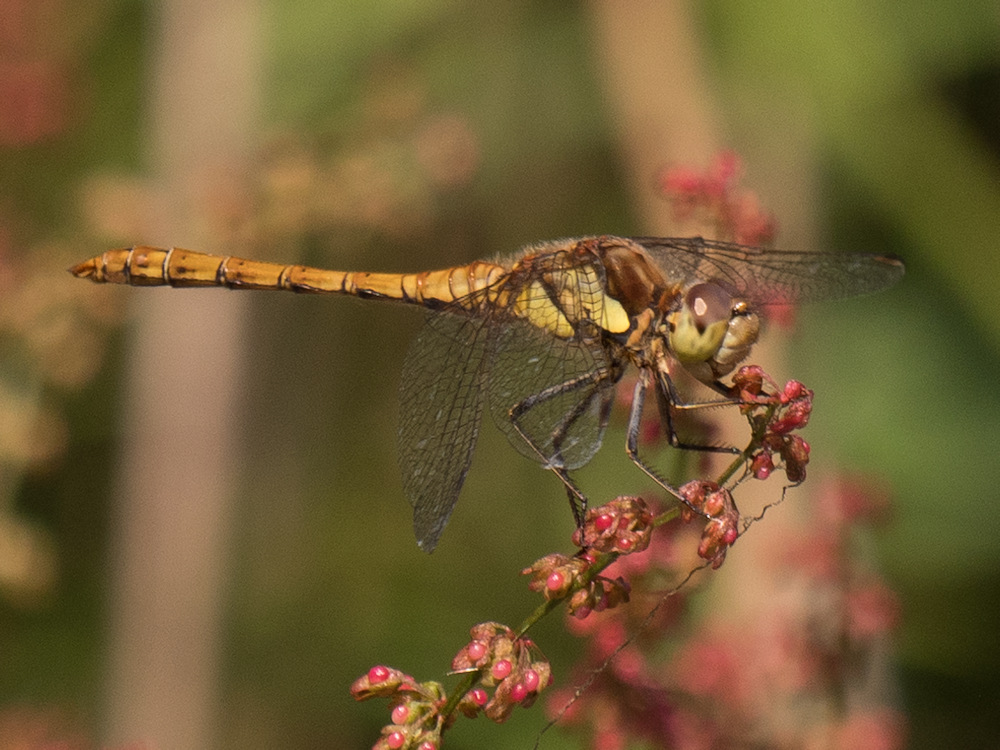
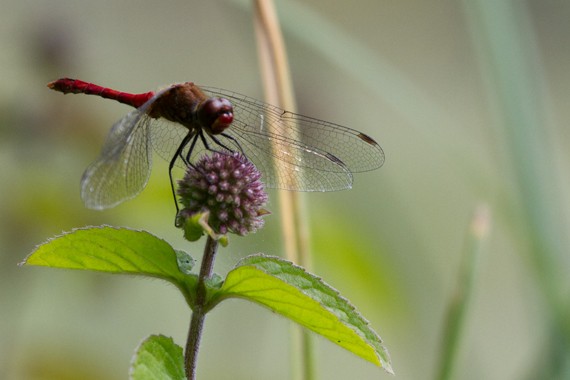
8th October, Jane sees and photographs a pair of roe deer two days consecutively out in the fields off Foxhill Road. My yew is suddenly sprouting hundreds of red berries and this morning two continental blackbirds appear in the garden and start feasting. Even though they are surrounded by the fallen fruit on the ground they go about flying up and plucking fresh ones off the limbs. Cotton End Park has singing goldcrests and chiffchaff with jay and song thrush also seen. The mildness gives southern hawker and common darter dragonflies a chance to hunt.

9th October, at the park for our regular Sunday work-party and we are harvesting willow for woven fence panels. Our activity puts up a jack snipe (breeds in bogs in Arctic Scandinavia and across Russia) the first of the winter and then a swallow (on its way to South Africa) goes over; the last of the summer?

11th October, the ivy flowers are still a-buzz with all manner of bees and wasps and a house sparrow is watching this activity with great interest. I watch her for a while but she seems too mesmerised to make a move.  
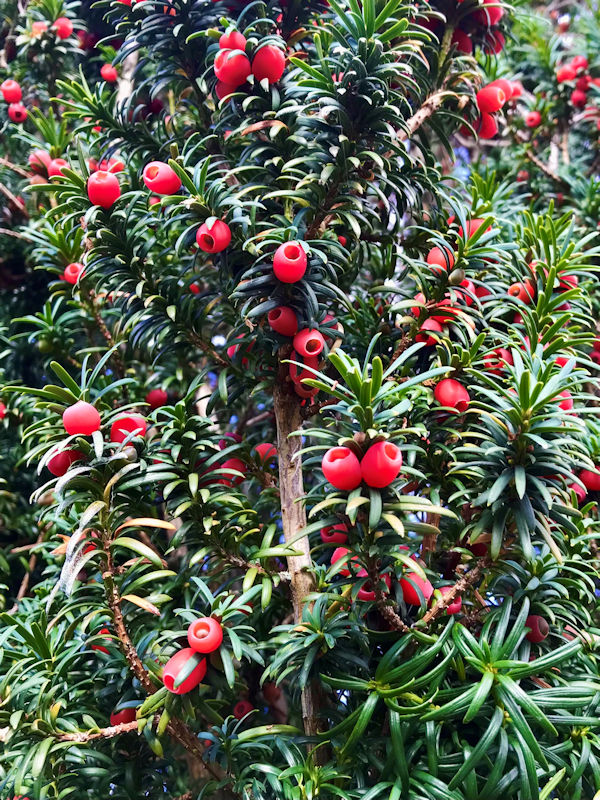
Yew by Nick
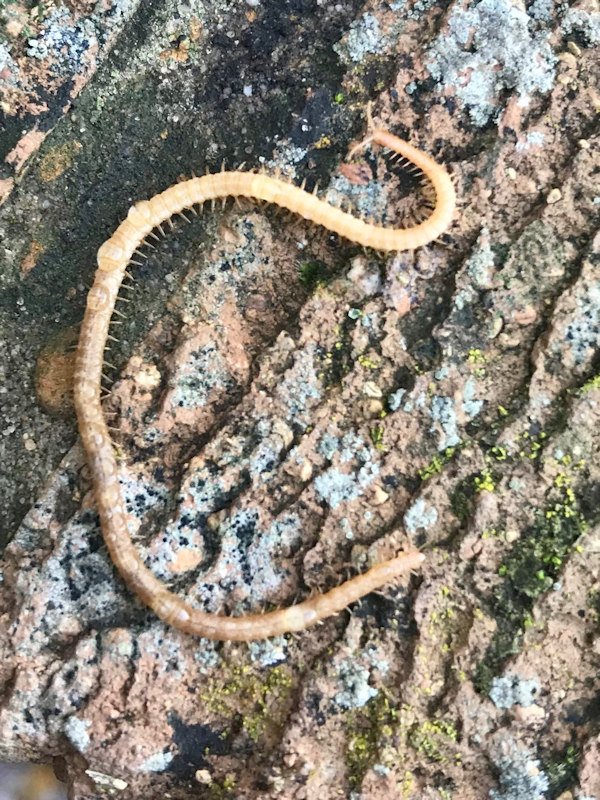
haplophilus centipede
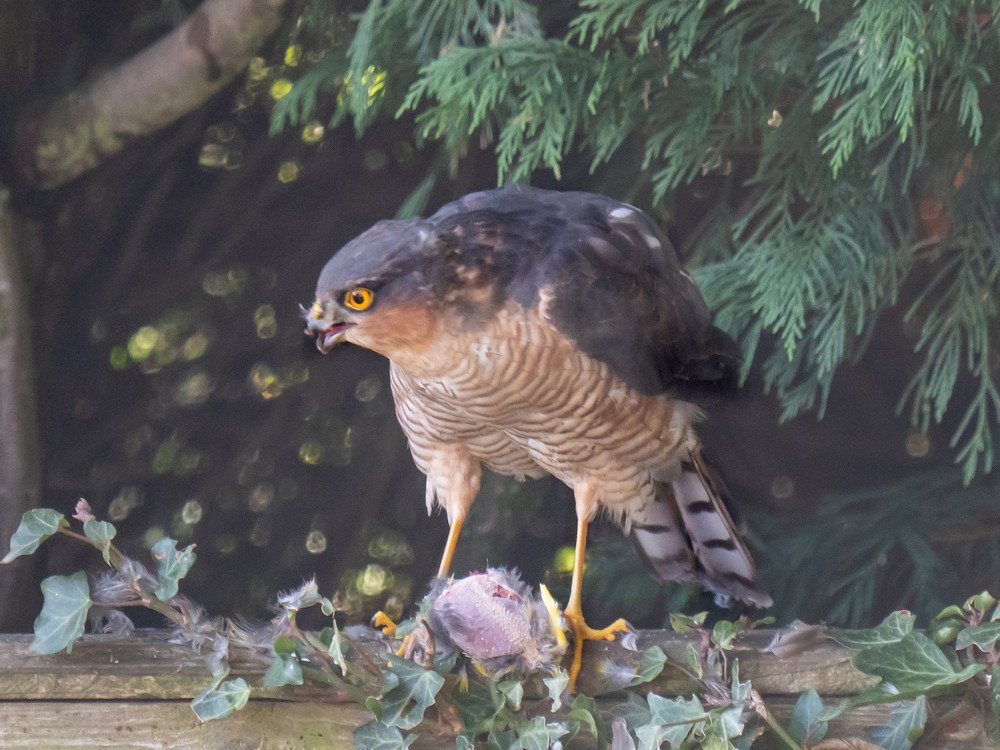
Sparrowhawk by Sue

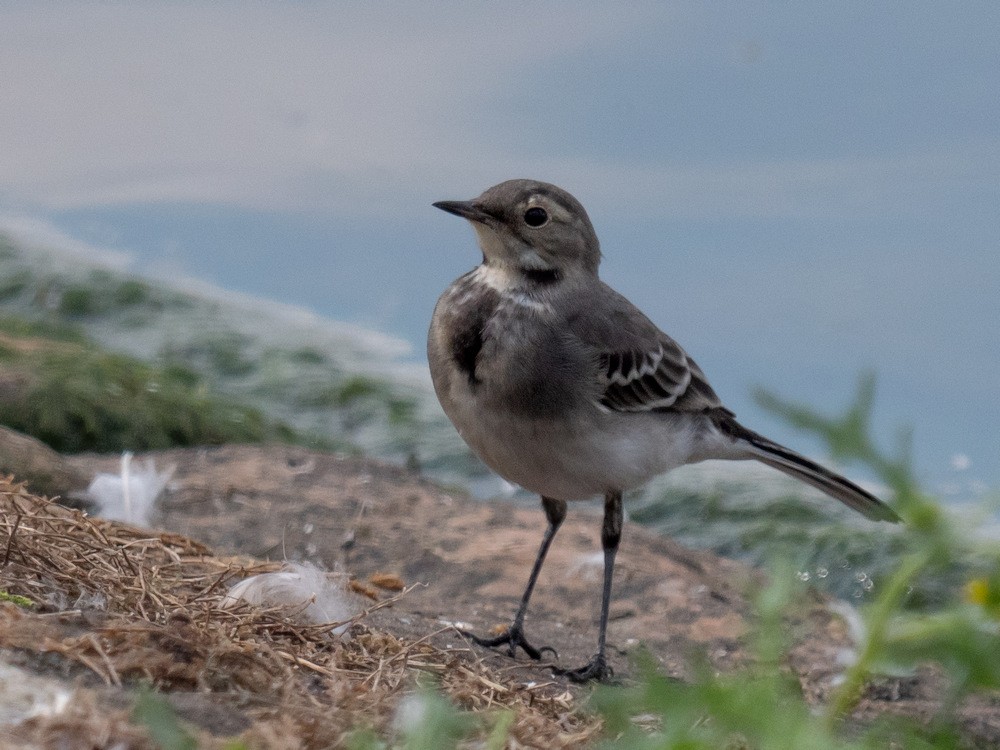
14th October, I am preparing to unlock and check the park and hear siskins calling as they fly over. I count 20 skylarks go over and there are pied and grey wagtails about. Rather later than last year and my first redwings are also going over. There is still a couple of summer visitors in the form of chiffchaff near the hide. Sue reports sparrowhawk, great-spotted woodpecker and grey wagtail from her garden over the last week or so. The mild afternoon air seems to be full of small white flies and there are dozens of harlequin ladybirds coming to roost in my yew tree (or are they wanting to eat the white flies?)

18th October, sunny and mild. There are ‘new’ blackbirds in the village and a small white butterfly is on the wing. At the park I hear a familiar call, the high pitched piping of a green sandpiper. One or maybe two are overhead and one circles the ponds. These birds breed in waterlogged woodland in Eastern Europe and across Russia and like to ‘winter’ in the milder conditions of Western Europe.

19th October, suddenly very cold with a wind from the East and a good opportunity for incoming winter migrant birds to cross from the continent. Accordingly my first fieldfares and redpoll come in and over. There are also more goldcrest, blackbird and coal tits about.

20th October, contrastingly mild and foggy. I can hear redwings and song thrush calling but I can’t see very much ahead so I look for fungi. There are examples of brown roll-rim, common ink-cap and horse mushroom in the paddocks at the park.

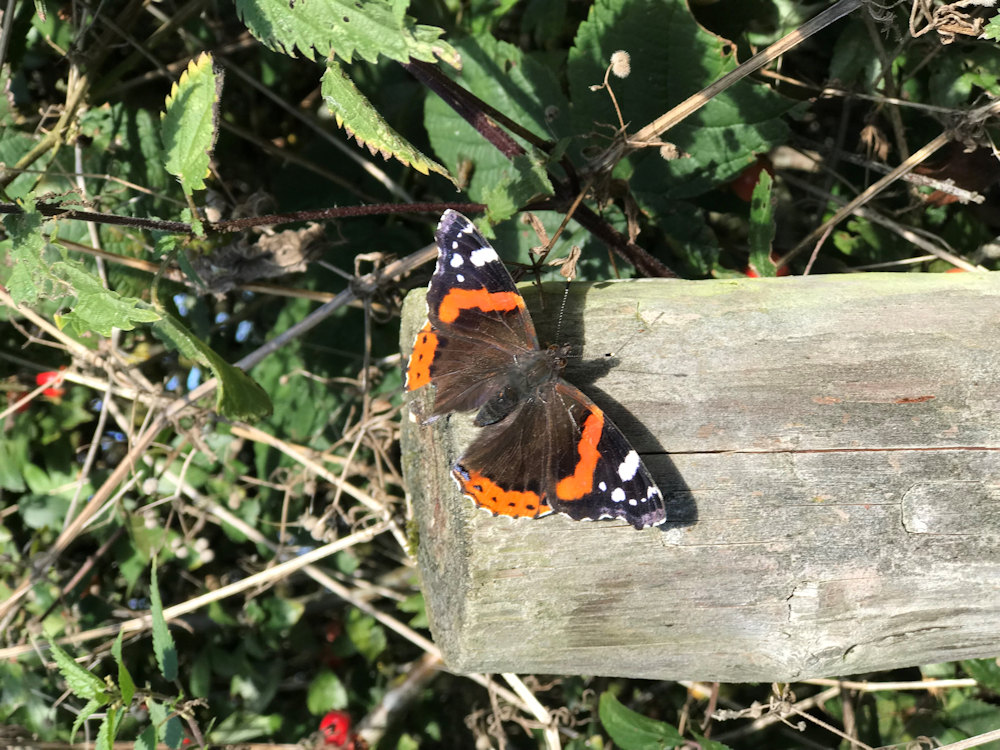
21st October, and the sun is out again… a red admiral is seen off Foxhill Road.
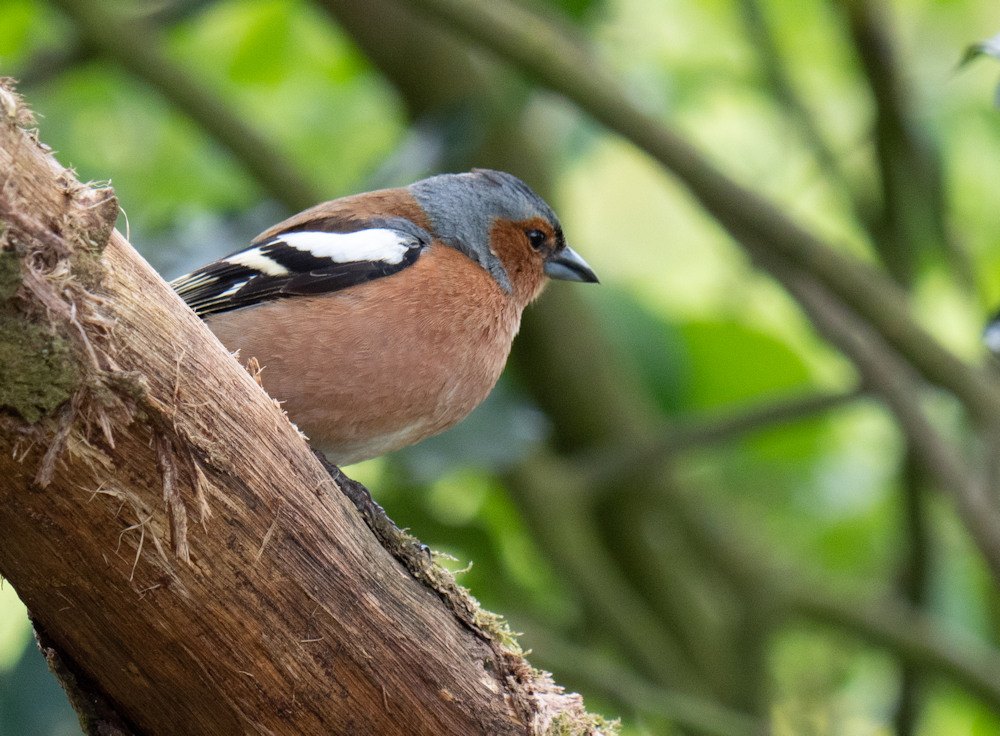
Chaffinch male by Sue
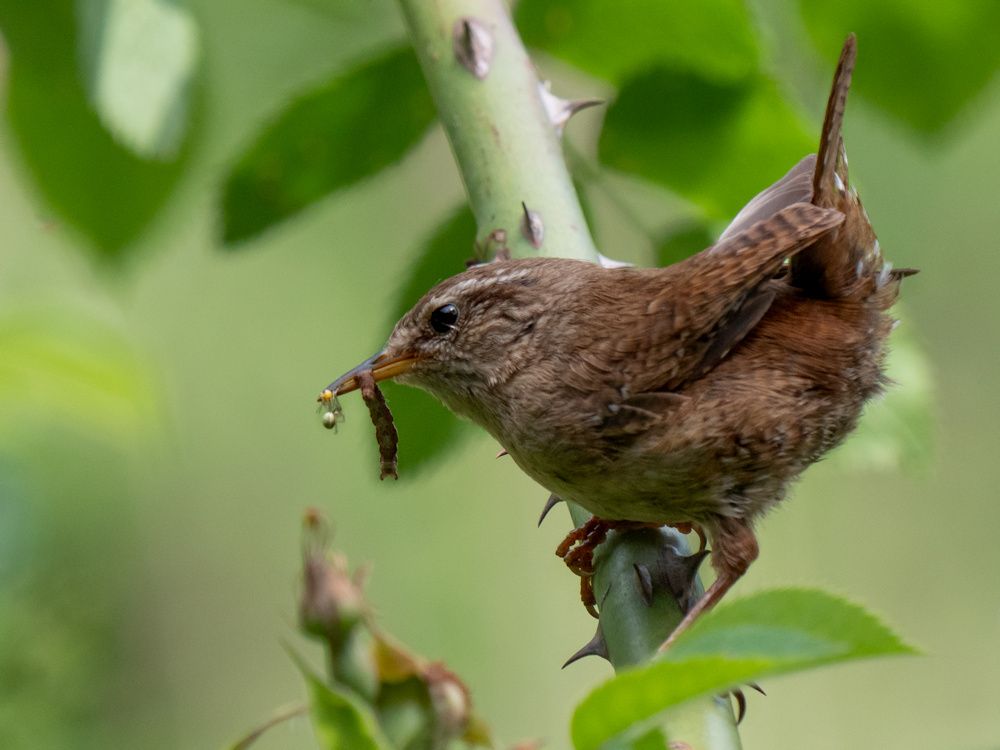
Wren by Sue

23rd October, a day of rain and thunder-storms. In the evening I dodge the showers and watch the lightning on my way to the pub quiz. As it flashes I see bats momentarily silhouetted between the houses on West Street.

26th October, I walk the dogs and at the farthest point and come across a rotavated field alive with birds. There are a good 300 birds with rook, woodpigeon and jackdaw, fieldfare, redwing and starling, then yellowhammer, chaffinch and linnet in double figures with single figures of meadow pipit and skylark. David reports stoat from the Brington Road. A calling redpoll over the house.

30th October, mild and damp. We are removing bulrush from the pond at the park and disturb a common snipe, the first of this winter. Several trees are adorned with chattering fieldfares and redwings, and there are more blackbirds and song thrushes about. Adding to the thrush family total is a mistle thrush which is busy defending a hawthorn hedge from its continental cousins. We put up 7 visiting redpoll as well. I’m on my way to the quiz and as I walk along Tebbitt Close I notice how star-filled the sky is. Suddenly a fast, bright-white arrow of light streaks across the roof tops from west to east. It’s some sort of meteor but longer-lasting, lower and brighter than I’ve ever seen before. I carry on walking and along Church Street the same thing happens again except this time the light is orangey.

31st October, David reports the maximum temperature for October was 20.5 degrees on the 18th and the minimum was 0.7 on the 11th. Rainfall total was 90.8mm.
Village Wildlife Diary for September 2022

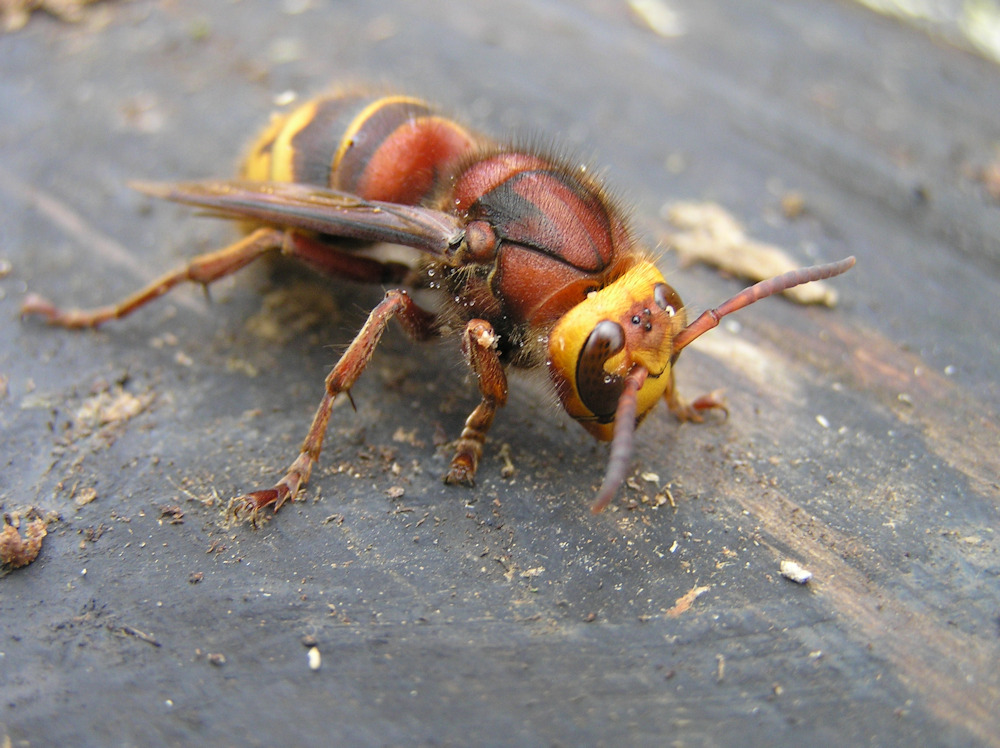
Hornet
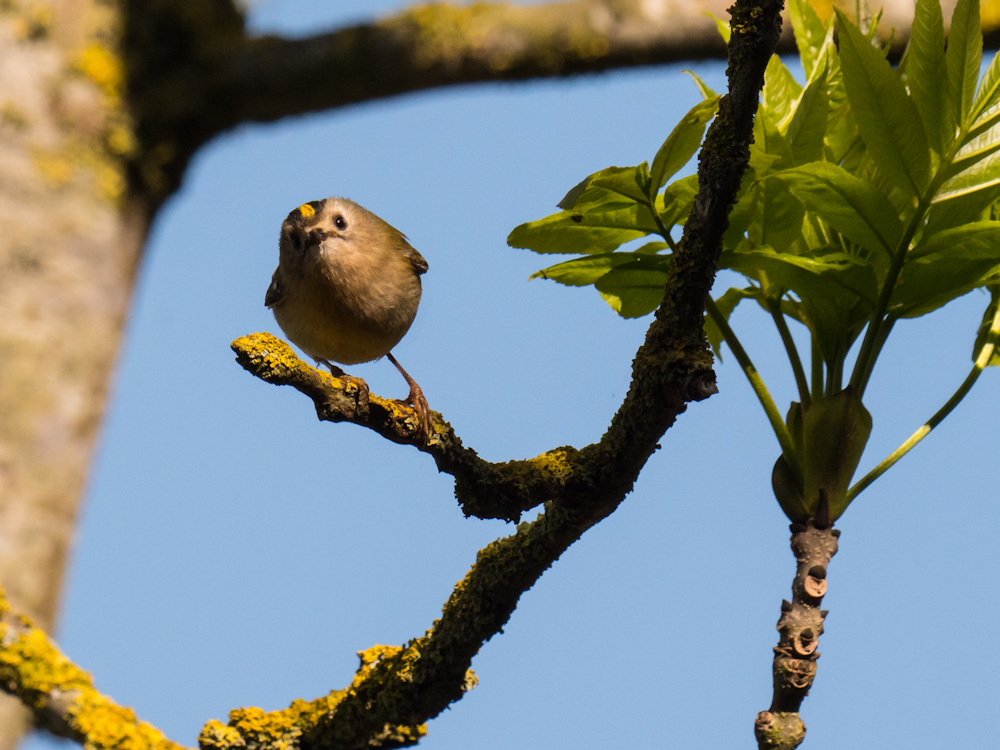
Goldcrest

8th September, I am staring out over Swanage Bay at the world’s oldest sea-going paddle-steamer, the PS Waverley, when I hear of the death of Her Majesty the Queen.

10th September, I’m abed when two tawny owls start communicating with each out back. There is the familiar hooting plus various screeching and squeaking. Fairly entertaining if it wasn’t for the fact I was trying to sleep.

11th September, the last of the grass to be cleared after mowing at the park reveals ones and twos of frog and toad. Large and small white butterflies are about plus red admiral. We look up to see a few swallows and martins but realize the sky is full of them in every direction and to quite a height. I estimate 200 in view at one point.

Red Admiral
Muntjac Deer

12th September, more migration in the form of meadow pipits and grey wagtails moving south west and another flock of swallows perhaps 120 over the village. The briefest of rain has brought forth fungi with horse mushroom, earth balls, and blushing rosette found at CEP along with 2 big grass snakes. Adam sees kingfisher at The Wharf. Muntjac reported from south of the village.

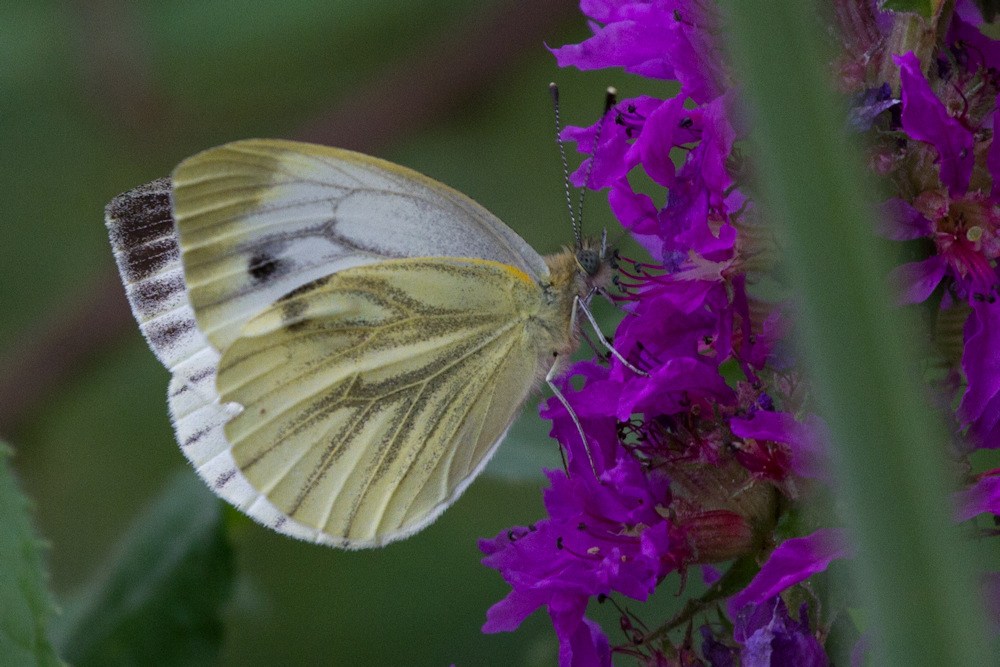
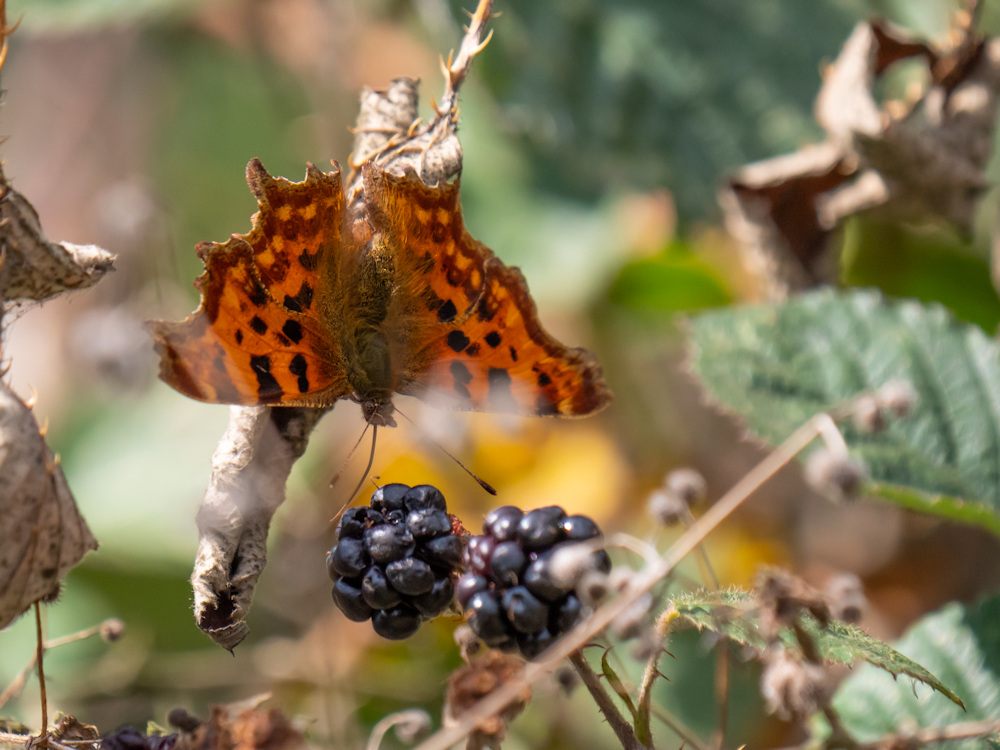
13th September, at Grange Farm, small copper, green-veined white, small tortoiseshell, comma and small white butterflies are about with a nice male whinchat out on the far fence-line. There’s a pale juvenile buzzard also sitting on the fence further along.

Many of us see a C17 transporter over the village carrying the coffin of her late Majesty.

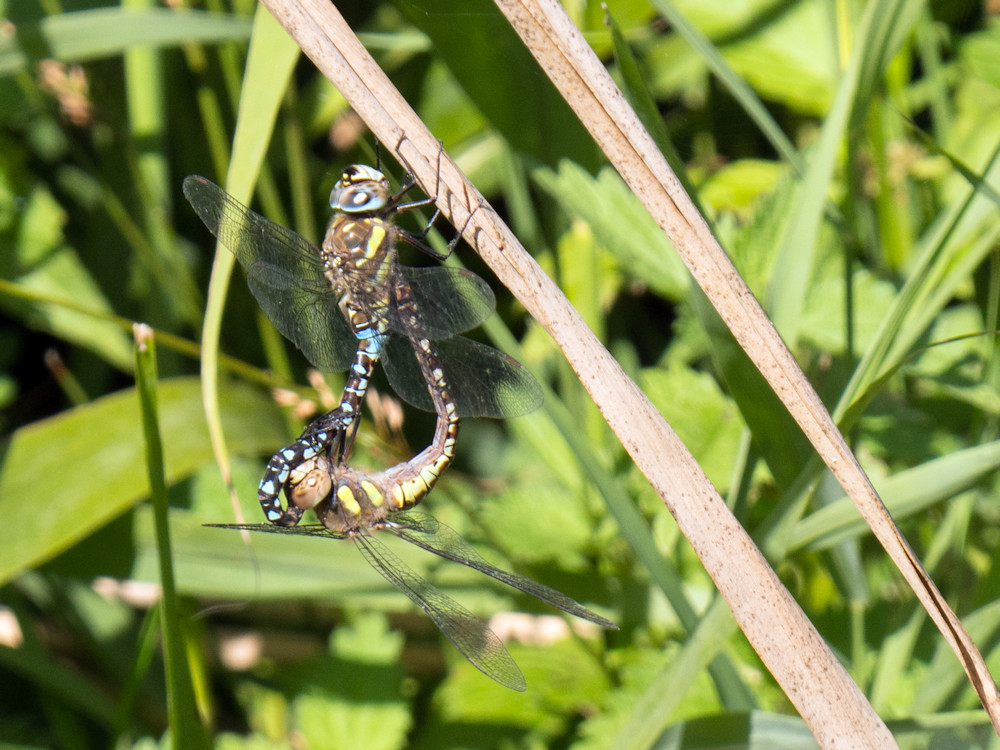
Pair of Migrant Hawkers
Juvenile Buzzard

17th September, Keith reports a large bat which we assume is Noctule. It’s very difficult to say which species is which with only size being a clue. Noctule is perhaps the more commonly seen of the larger bats though there are one or two larger species it could also be. We tend to see smaller bats about the village which are allocated as pipistrellus of which there are three species but there are a dozen or so bat species recorded in the county of various sizes.

20th September, meadow pipits, wagtails, gulls, woodpigeons and jackdaws are filling the sky. The jackdaws swirl upwards together, murmuration-like, into a funnel shape and suddenly through mass comes a shape, a black anchor, it’s a young peregrine. It turns and dives but is half-hearted and seems to be testing, pushing and playing with the flock. It heads away but quickly turns back for another run.

A bug I don’t know
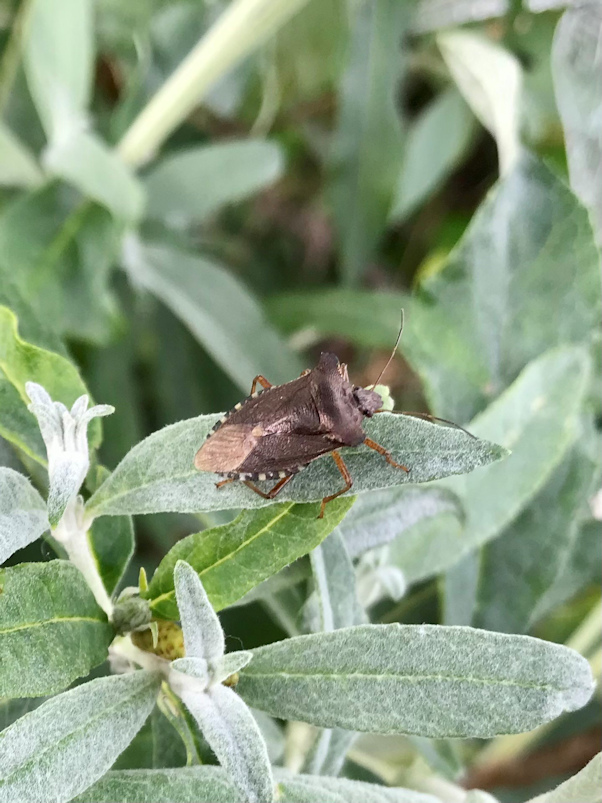
Forest Bug

22nd September, more swallows over and at the park the moist earth is producing dozens of crane flies. A handful of chiffchaffs and willow warblers are low down amongst the thistles, willow-herb and nettles with a wren and dunnock feasting on the emergence. A family of blackcaps are more interested in dogwood and elder berries. Angela sees a clouded yellow butterfly whilst dog-walking. This is the first sighting for ages. Mike reports a collie dog chasing a roe deer across fields off Foxhill Road. A strange bug lands on the van and I can’t work out what it is.

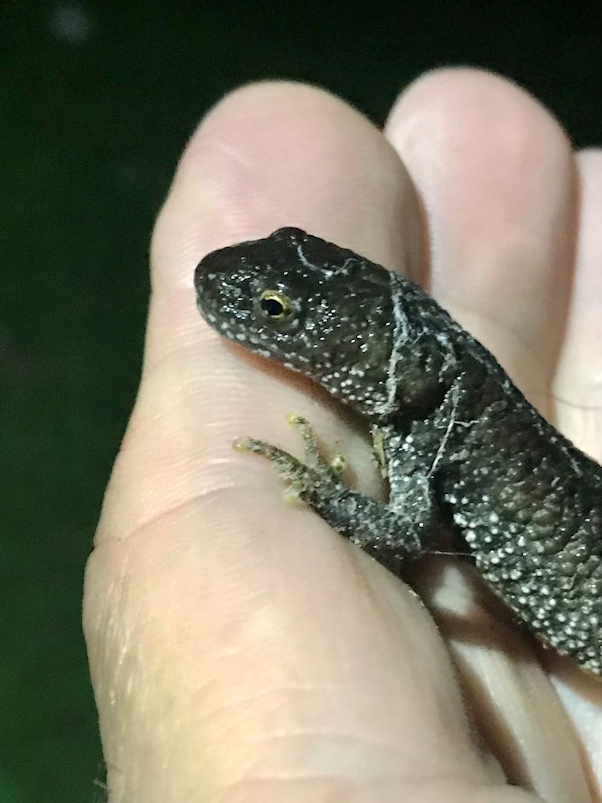
23rd September, the equinox and a lunchtime walk at CEP sees a hawker (southern/migrant), a couple of common darters and willow emerald. A low droning sounds is getting louder and coming at me is a large queen hornet. I duck and it passes by still audible for quite a while afterwards. The crane flies are in the hundreds and are throwing themselves into the myriad of spider’s webs. Later I am with Norman How looking for wildlife at the Baptist Chapel churchyard. We see goldcrest, coal tit, small white butterfly and a hornet. There are ravens and a kite above us. That evening I find a great crested newt by the bins. It’s a bit vulnerable there (dogs and us) so I move it to a safer place. We always joke that it’s probably saying “It took me six hours to get from there and now you’ve just took me back!”

Darter
Great Crested Newt

28th September, soaring raptors. There is still some resentment re the presence and increase in raptor numbers and species. We now have common buzzard and red kite regularly in our skies (though there are less kestrels and little owls and this may be linked). Sparrowhawks are also now common and we now have peregrine falcon about having bred locally. I remind people time and time again that the presence of predators is one of the indicators of a functioning ecosystem. When I was a young birdwatcher in the county there were no birds of prey other than kestrels and they only survived not being shot because of roadside feeding habits. Things have changed for the better and tolerance through education has lead the way; but birds of prey are still persecuted which is a shame as well as being illegal. If you regularly feed birds in your garden it is an open invitation to a sparrowhawk, you’re literally presenting the prey to the predator. It’s the same with pheasants and ‘game’ birds, thousands are suddenly released into the environment and this is not going to go unnoticed by a predators. We are continually messing with the balance and have to tolerate the consequences, not punish the ignorant.

30th September, David Green’s weather report, maximum temperature 23.8c on the 4th, coldest, 1.4c on the 17th. 48mm of rain fell.

Village Wildlife Diary for August 2022

Green-veined White
Comma

1st August, The parish starts to receive birds from elsewhere, migrants working their way south. Swallows, gulls and swifts are passing over. There are adults and young of willow warbler and mistle thrush busy feeding at Cotton End Park that didn’t breed there. Young great tit, reed bunting, linnet, bullfinch and goldfinch are home grown. 3 brown argus, 2 small copper and 8 common blue grace the butterfly list today with gatekeeper being the most numerous (24).

2nd August, there are 5 swift, 2 swallow and 5 house martins in the skies above The Leys.

4th August, the hedges at CEP have parties of warblers including families of chiffchaff and whitethroat.

Ruddy Darter
Holly Blue by Brian

6th August, I hear red-legged partridge, green and great-spotted woodpecker. I hear and see a couple of mistle thrush fly over then a couple more, they keep coming and I get to 24 birds which I think is the most I’ve ever seen together. Second brood speckled woods are appearing also holly blue. The harvest is stripping the cover for hares and several are reported from off Brington and Foxhill Roads.

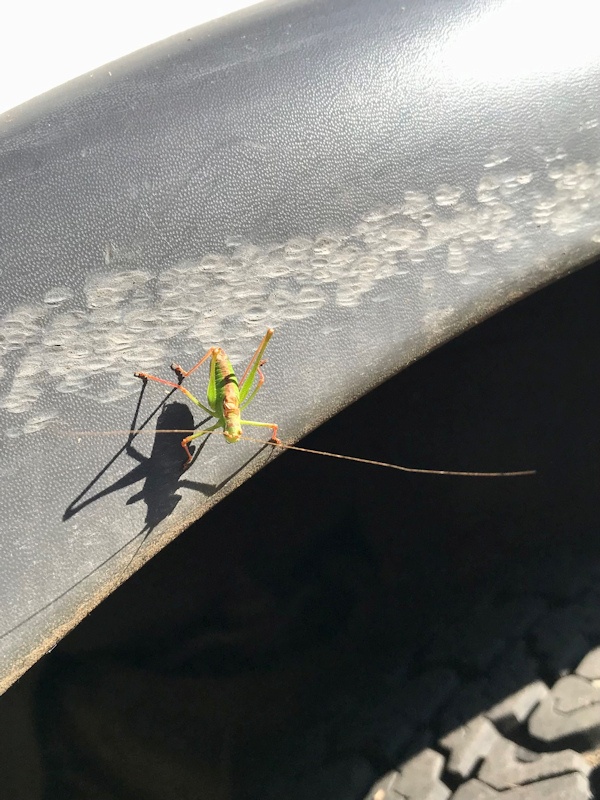
8th August, David sees roe deer and Cath has common darter in her garden. I find speckled bush-cricket and Roesels bush-cricket whilst mowing. There are common blue and brown argus in the fields near St Lawrences.

Speckled Bush-cricket
Teasel

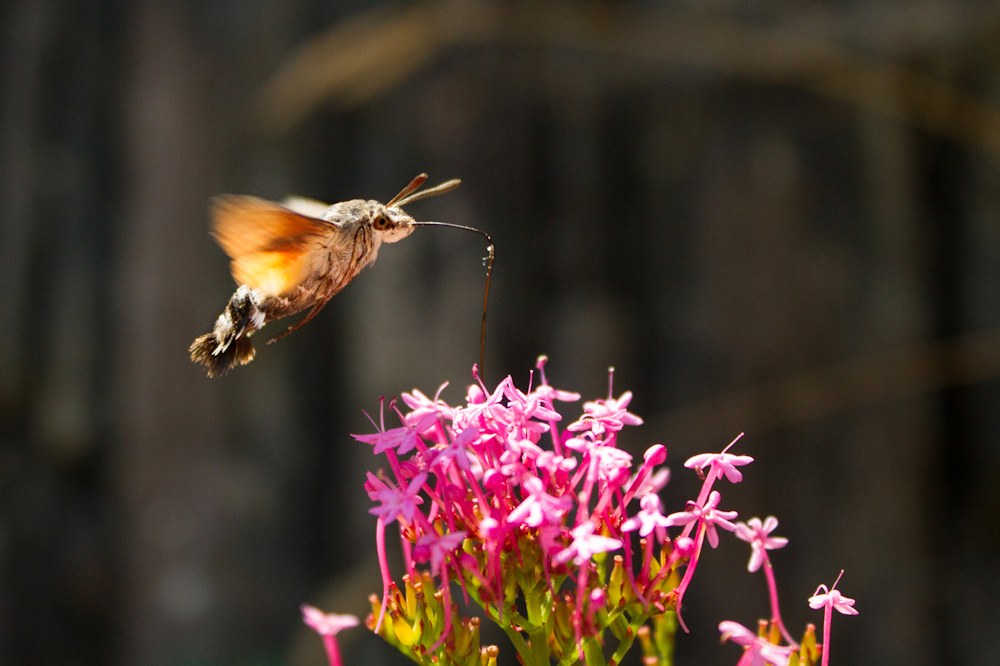
10th August, it is very warm but I need to rake up the hay. I retreat to the pond at noon and watch emperor, southern hawker, ruddy and common darters, and emerald, azure, blue-tailed and common blue damsels. In the evening we have a hummingbird hawkmoth at the ‘butterfly bush’.

11th August, our official butterfly count at CEP finds a record 15 common blue plus gatekeeper, a very worn small skipper and a fresh red admiral. Painted lady at home and a few small whites about. More hummingbird hawkmoths reported.

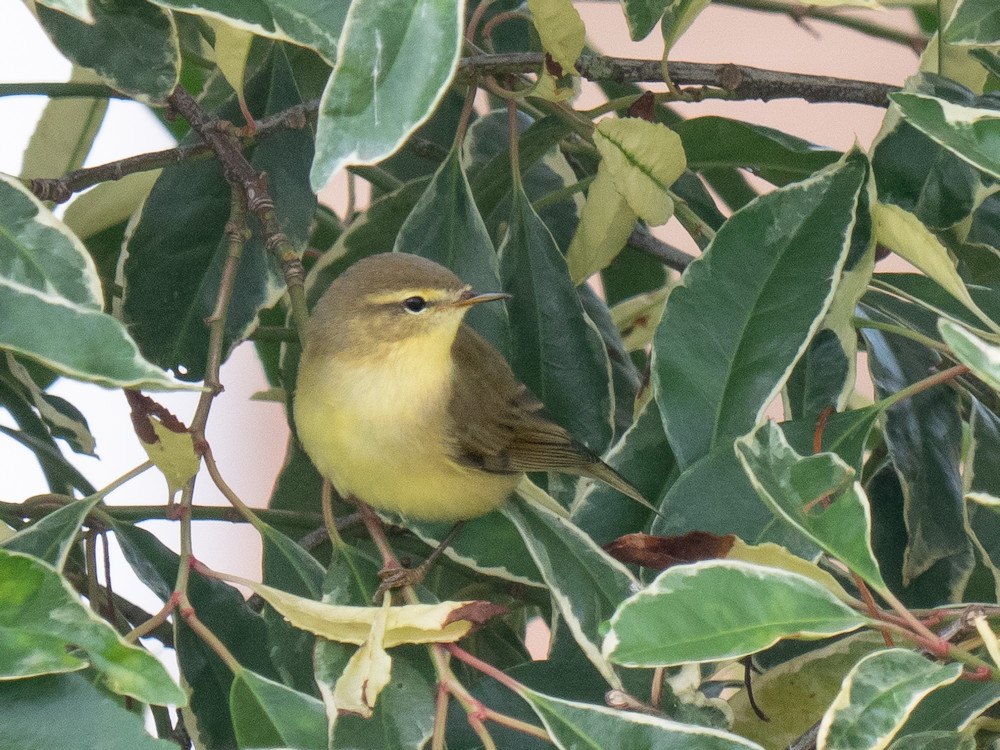
13th August, at CEP I’m still on the hay, but like the look of a small bird on the top of an ash. Its acting like a flycatcher and on closer inspection turns out to be spotted flycatcher. There’s also a singing willow warbler.

Willow Warbler
Pied Wagtail

14th August, I’m in the OKH car-park and see a hummingbird hawkmoth whizzing about.

18th August, more speckled woods about, also reports of brimstone and small copper. There are noisy ravens over the village at lunchtime and the crows are equally raucous in response. Reports of chiffchaffs/willow warblers in some village gardens and also noisy young kites and buzzards.

19th August, Willow emerald damsels are seen at CEP along with common emerald damsels and yet another hummingbird hawkmoth is reported. On the footpath off Foxhill Road there is a family of spotted flycatchers, two adults and two juveniles atop the dead elms. Other birds pop up to see these out of town visitors, and as I watch goldfinch, lesser whitethroat and willow warbler come into view. I go across to Grange farm and find another passage migrant, a male wheatear on a fence line.

Black willow bark Aphids by Geri

24th August, Diana reports two pairs of willow emerald damsels laying eggs on willow by the platform at cep. Two of my life-long friends from the Northamptonshire Bird Club meet me there but it’s not birds but insects they want to record and photograph. I see an egret, probably little circling over the wildlife area whilst they have their heads down in the undergrowth. We find angle shades moth, common footman and mint moth plus dozens of other insects without English names. A warm evening brings forth the flying ants and dozens of swallows, house martins and starlings are up there taking supper. To my surprise a hobby drifts over also picking the ants out of the air.

25th August, Alan sees hummingbird hawkmoth at The Wharf, Diana flushes a little egret from the pond at CEP. Grey wagtail and greenfinch fly over. Several people have mentioned the lack of butterflies in their gardens this year.

Hummingbird Hawk Moth
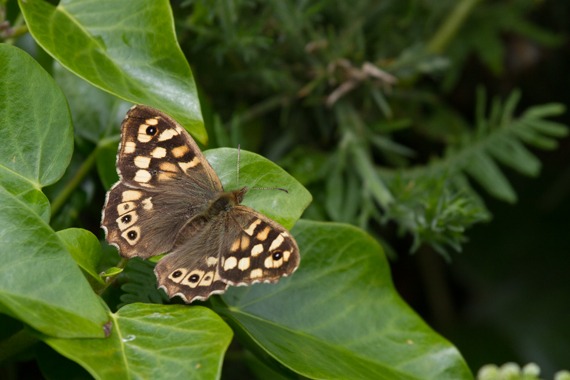
Speckled Wood

26th August, at CEP there is a general commotion in air and its takes a few seconds before the reason, an immature peregrine falcon, comes over. I add another falcon to the day list when 2 hobby cruise in over Holyoake testing the house martins but also feasting on flying ants.

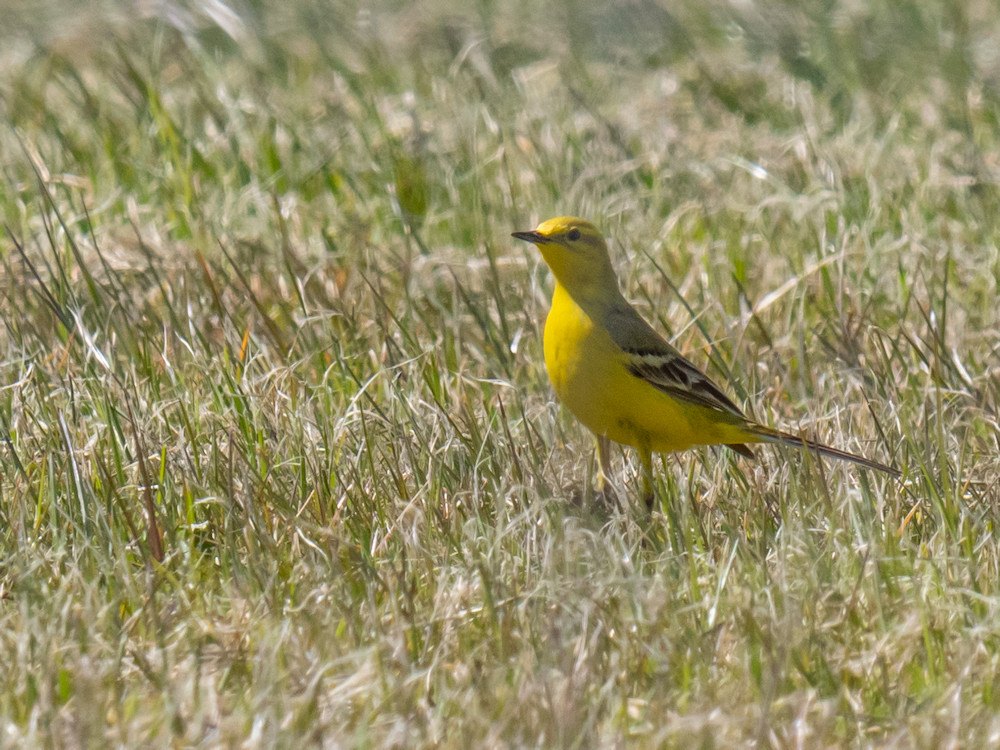
28th August, a roe deer runs across the field near The Banks. Small copper is reported and a yellow wagtail flies over. You’d get the impression I spend a lot of time looking upwards by the amount of ‘fly over’ records I get but I only look up if I hear the calls. Learning bird songs and calls is an excellent way to extent your knowledge of what’s about.

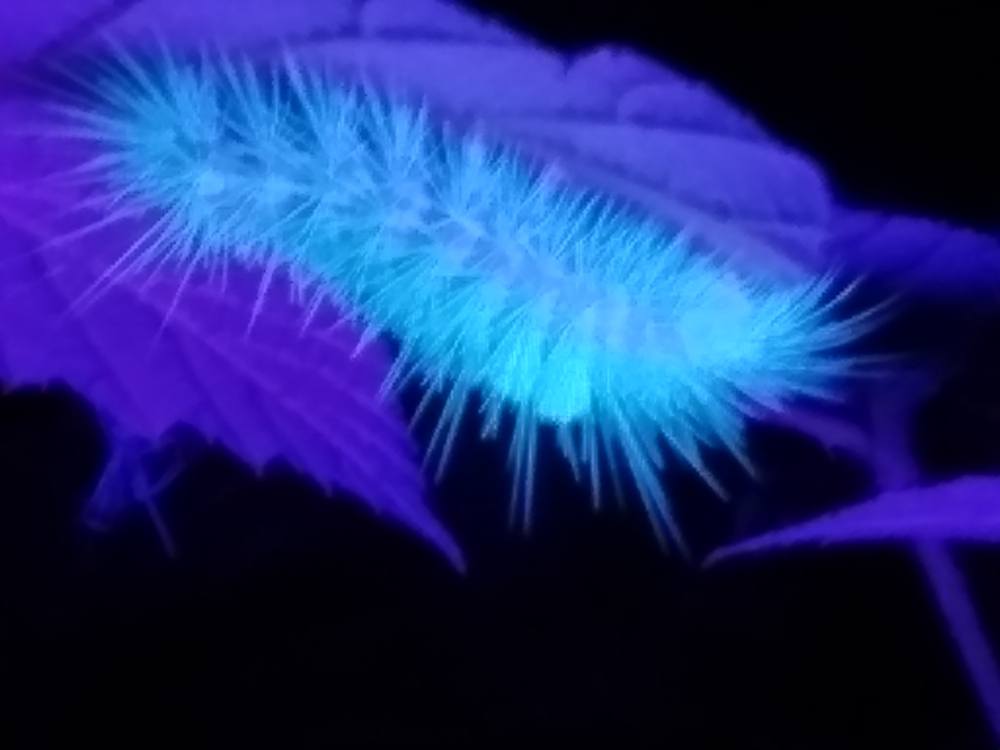
Pale tussock caterpillar under UV light by Brian
Yellow Wagtail

29th August, the Buckby Feast, thanks to all that came to the Long Buckby Green Spaces stall and bought a copy of The Butterflies of Long Buckby. The book is now for sale in the Peephole and the Library, all profits go the LBGS. A big thank you to Sue and Chris Ebbage for all their efforts with the book and the stall.

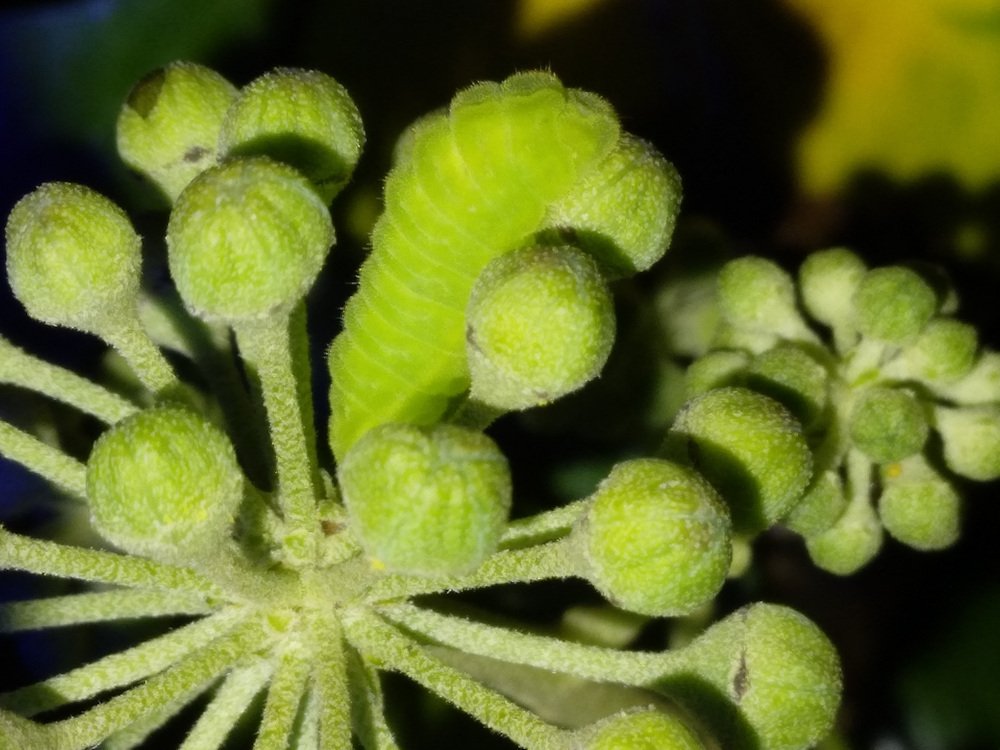
31st August, Brian Laney records oak bush-cricket, the spectacle moth, pale tussock moth and holly blue butterfly caterpillars using a UV torch at night. Certain invertebrates fluoresce under UV and are easier to find. David reports the hottest day of the month was the 14th with 35degrees mid-afternoon and the coldest, 6degrees in the early hours of the 6th.