
8th September, I am staring out over Swanage Bay at the world’s oldest sea-going paddle-steamer, the PS Waverley, when I hear of the death of Her Majesty the Queen.
10th September, I’m abed when two tawny owls start communicating with each out back. There is the familiar hooting plus various screeching and squeaking. Fairly entertaining if it wasn’t for the fact I was trying to sleep.
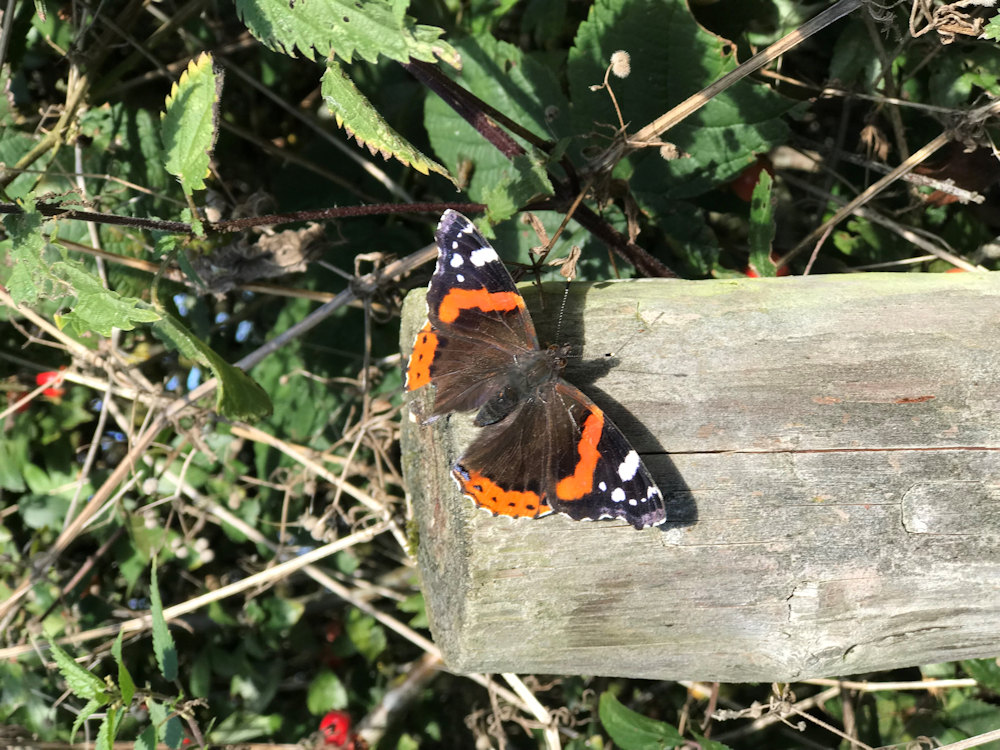
11th September, the last of the grass to be cleared after mowing at the park reveals ones and twos of frog and toad. Large and small white butterflies are about plus red admiral. We look up to see a few swallows and martins but realize the sky is full of them in every direction and to quite a height. I estimate 200 in view at one point.
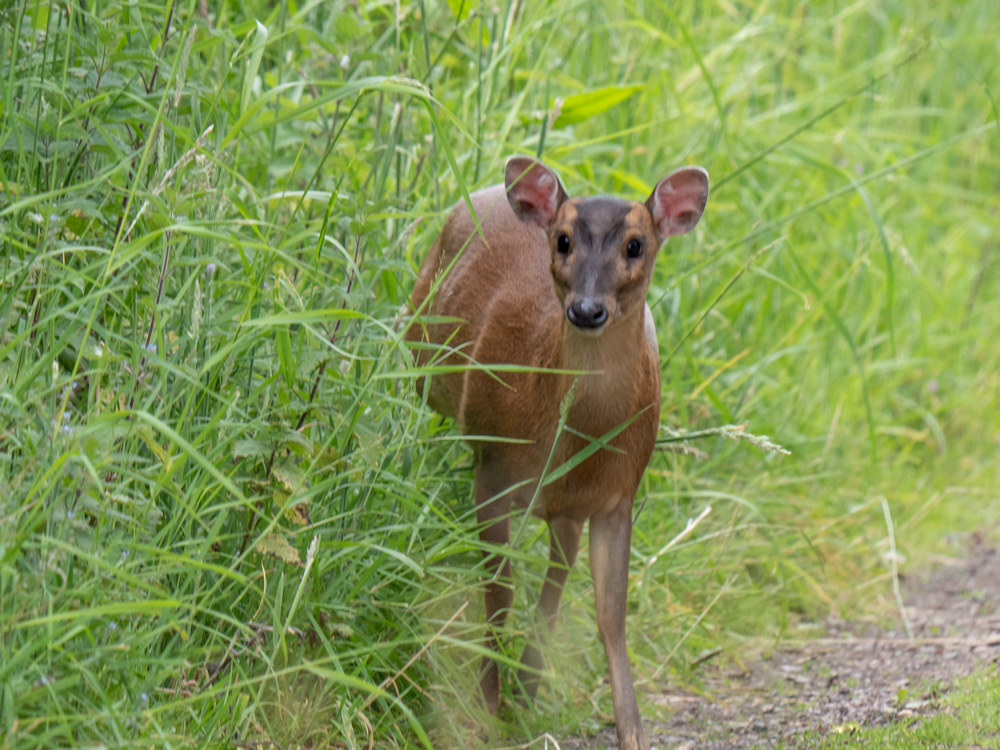
12th September, more migration in the form of meadow pipits and grey wagtails moving south west and another flock of swallows perhaps 120 over the village. The briefest of rain has brought forth fungi with horse mushroom, earth balls, and blushing rosette found at CEP along with 2 big grass snakes. Adam sees kingfisher at The Wharf. Muntjac reported from south of the village.
13th September, at Grange Farm, small copper, green-veined white, small tortoiseshell, comma and small white butterflies are about with a nice male whinchat out on the far fence-line. There’s a pale juvenile buzzard also sitting on the fence further along.
Many of us see a C17 transporter over the village carrying the coffin of her late Majesty.

17th September, Keith reports a large bat which we assume is Noctule. It’s very difficult to say which species is which with only size being a clue. Noctule is perhaps the more commonly seen of the larger bats though there are one or two larger species it could also be. We tend to see smaller bats about the village which are allocated as pipistrellus of which there are three species but there are a dozen or so bat species recorded in the county of various sizes.
20th September, meadow pipits, wagtails, gulls, woodpigeons and jackdaws are filling the sky. The jackdaws swirl upwards together, murmuration-like, into a funnel shape and suddenly through mass comes a shape, a black anchor, it’s a young peregrine. It turns and dives but is half-hearted and seems to be testing, pushing and playing with the flock. It heads away but quickly turns back for another run.
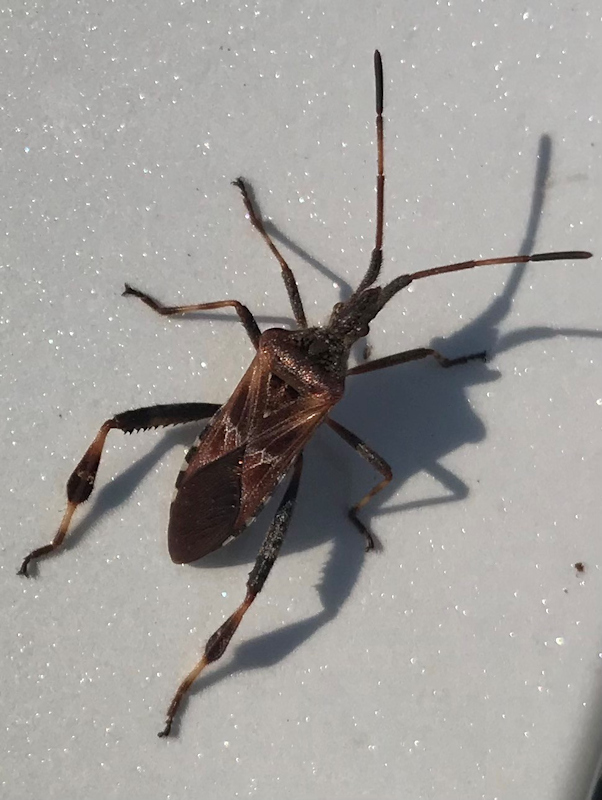
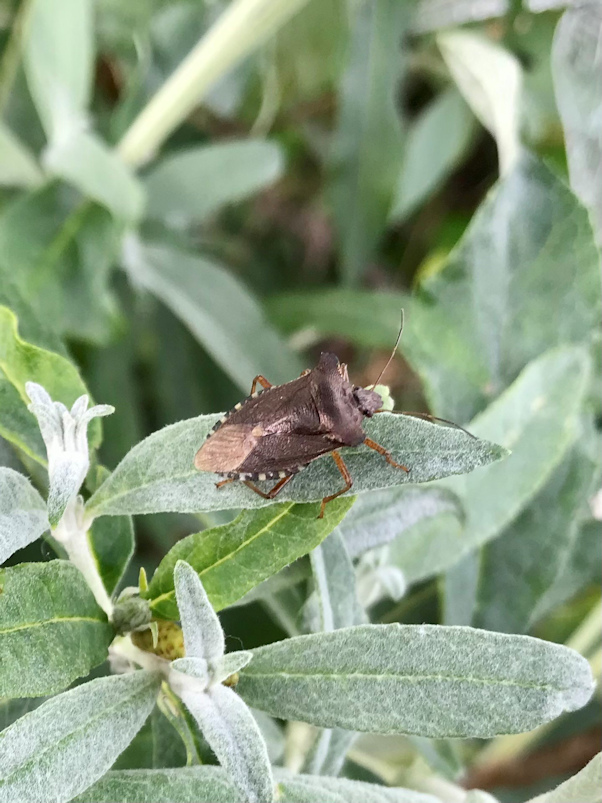
22nd September, more swallows over and at the park the moist earth is producing dozens of crane flies. A handful of chiffchaffs and willow warblers are low down amongst the thistles, willow-herb and nettles with a wren and dunnock feasting on the emergence. A family of blackcaps are more interested in dogwood and elder berries. Angela sees a clouded yellow butterfly whilst dog-walking. This is the first sighting for ages. Mike reports a collie dog chasing a roe deer across fields off Foxhill Road. A strange bug lands on the van and I can’t work out what it is.
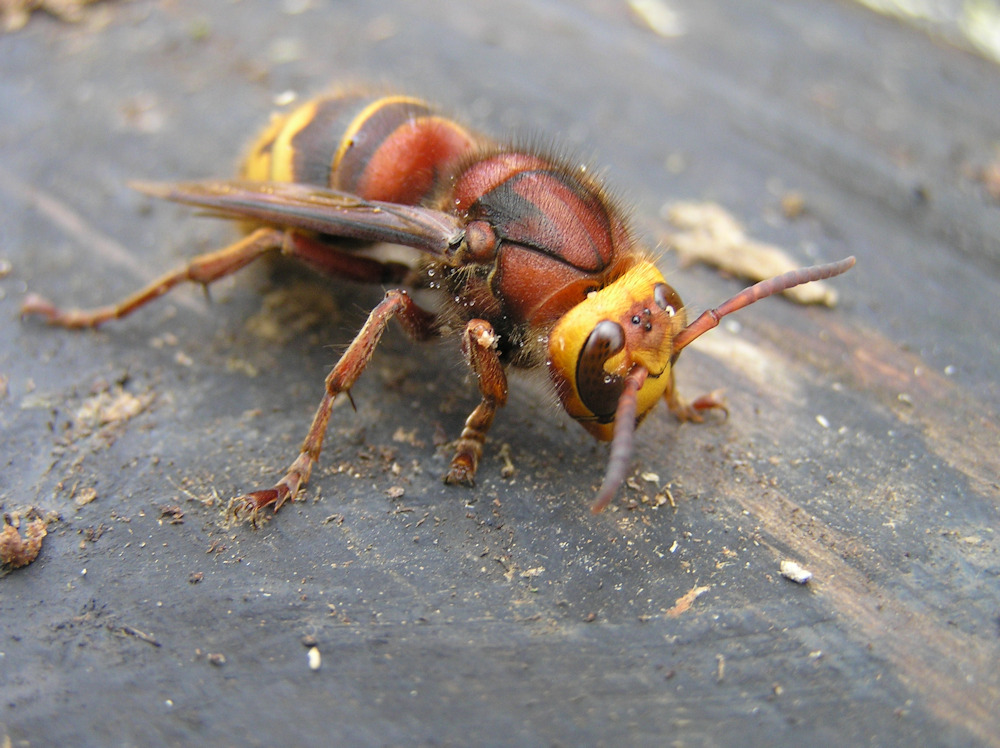
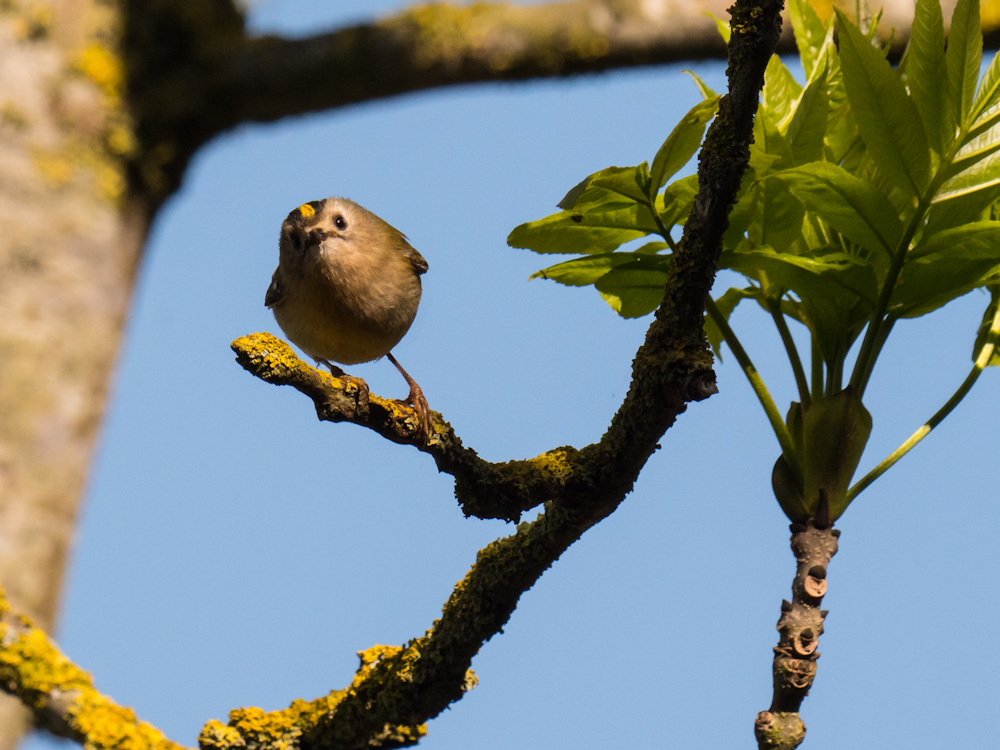
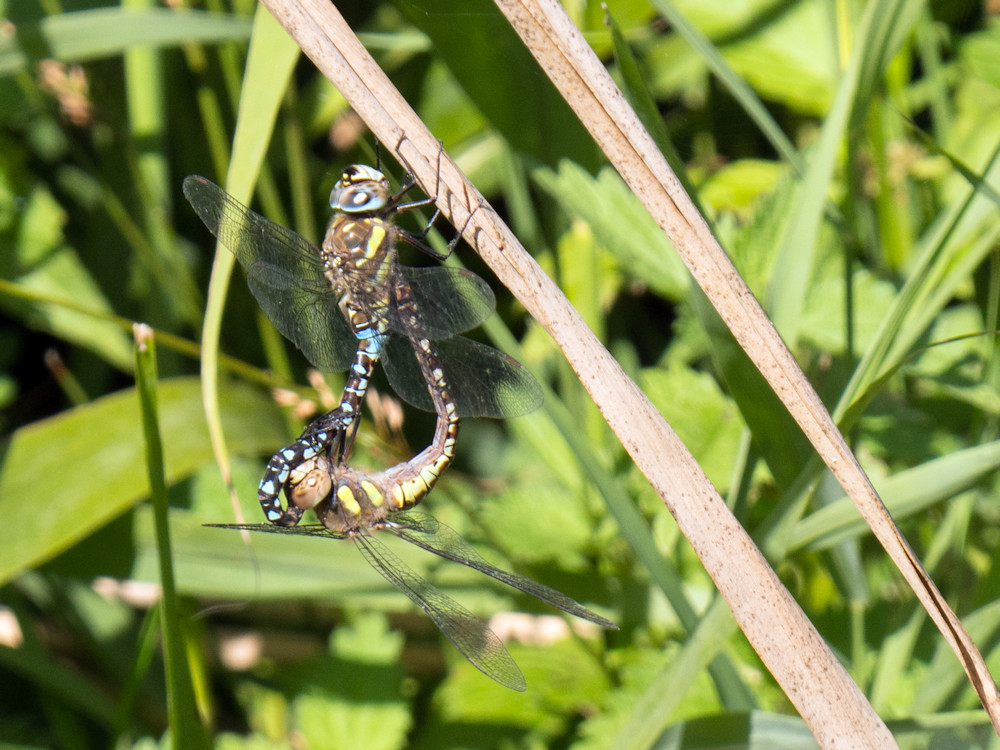
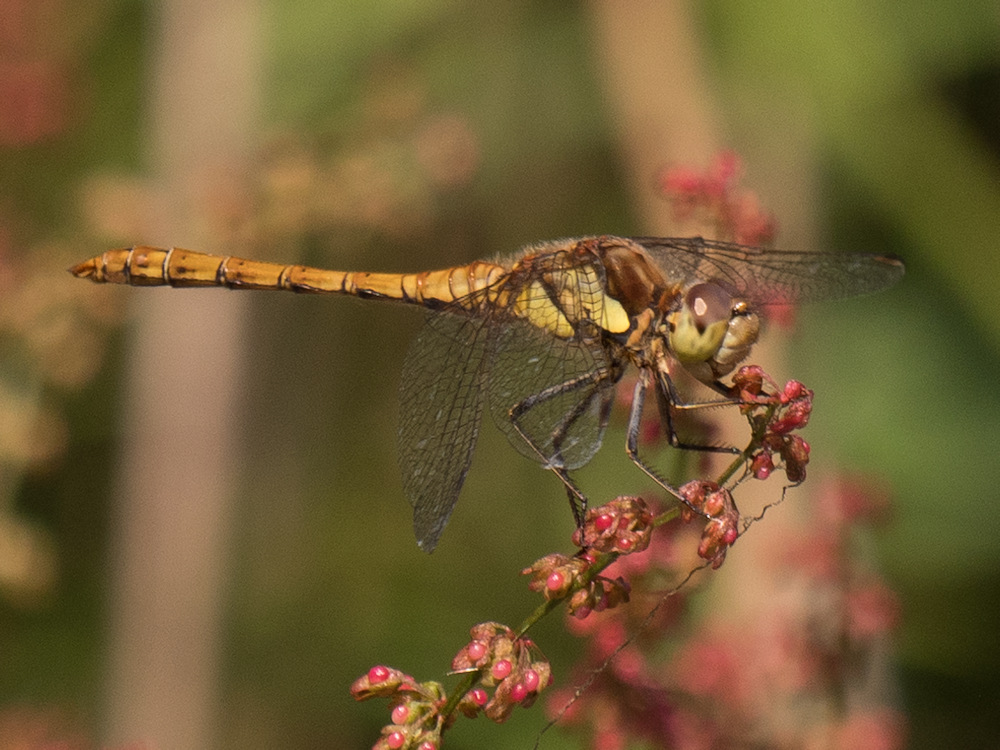
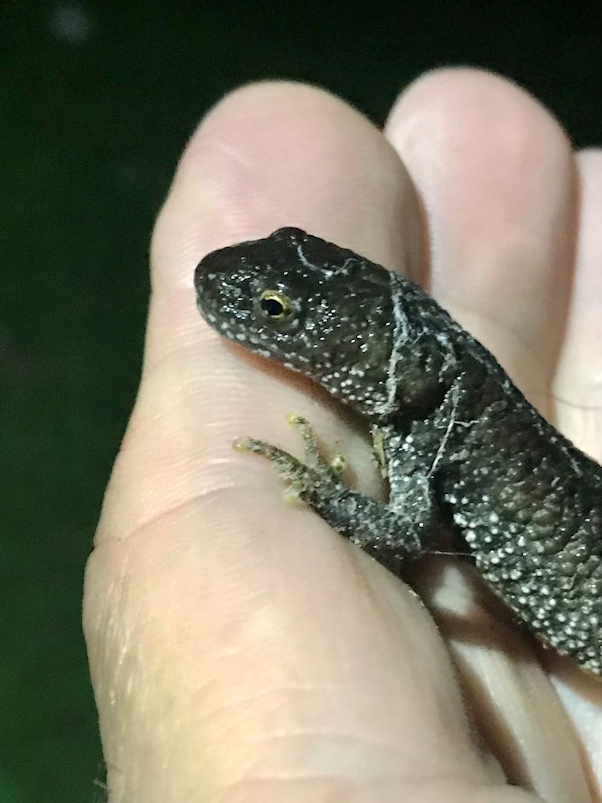
23rd September, the equinox and a lunchtime walk at CEP sees a hawker (southern/migrant), a couple of common darters and willow emerald. A low droning sounds is getting louder and coming at me is a large queen hornet. I duck and it passes by still audible for quite a while afterwards. The crane flies are in the hundreds and are throwing themselves into the myriad of spider’s webs. Later I am with Norman How looking for wildlife at the Baptist Chapel churchyard. We see goldcrest, coal tit, small white butterfly and a hornet. There are ravens and a kite above us. That evening I find a great crested newt by the bins. It’s a bit vulnerable there (dogs and us) so I move it to a safer place. We always joke that it’s probably saying “It took me six hours to get from there and now you’ve just took me back!”
28th September, soaring raptors. There is still some resentment re the presence and increase in raptor numbers and species. We now have common buzzard and red kite regularly in our skies (though there are less kestrels and little owls and this may be linked). Sparrowhawks are also now common and we now have peregrine falcon about having bred locally. I remind people time and time again that the presence of predators is one of the indicators of a functioning ecosystem. When I was a young birdwatcher in the county there were no birds of prey other than kestrels and they only survived not being shot because of roadside feeding habits. Things have changed for the better and tolerance through education has lead the way; but birds of prey are still persecuted which is a shame as well as being illegal. If you regularly feed birds in your garden it is an open invitation to a sparrowhawk, you’re literally presenting the prey to the predator. It’s the same with pheasants and ‘game’ birds, thousands are suddenly released into the environment and this is not going to go unnoticed by a predators. We are continually messing with the balance and have to tolerate the consequences, not punish the ignorant.
30th September, David Green’s weather report, maximum temperature 23.8c on the 4th, coldest, 1.4c on the 17th. 48mm of rain fell.