Village Wildlife Diary for April 2022

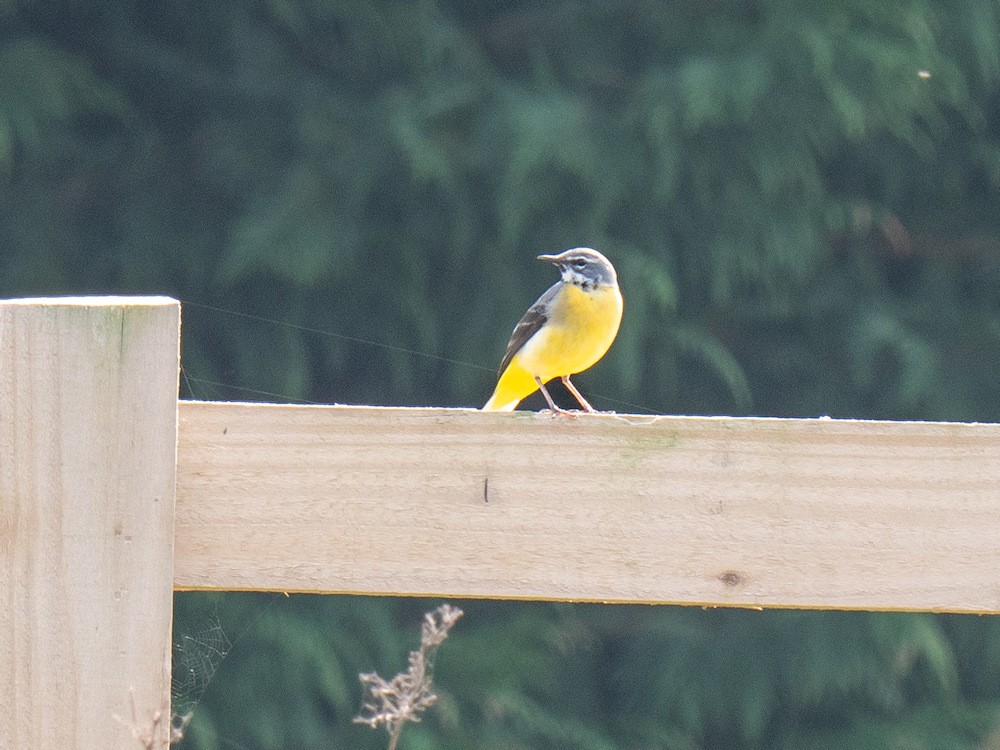
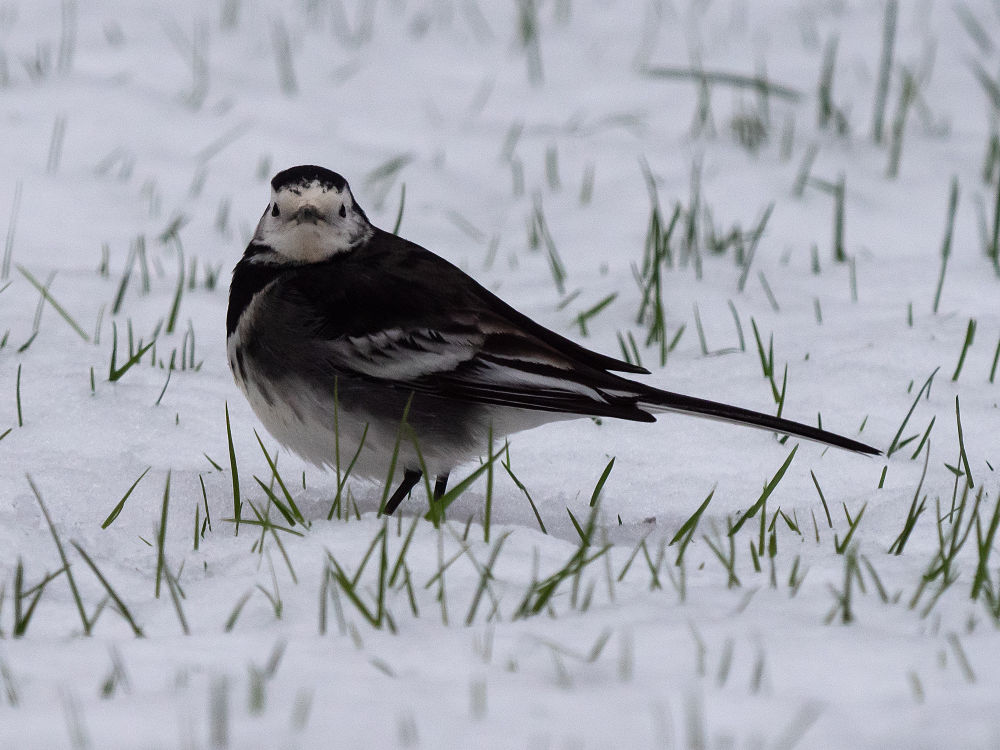
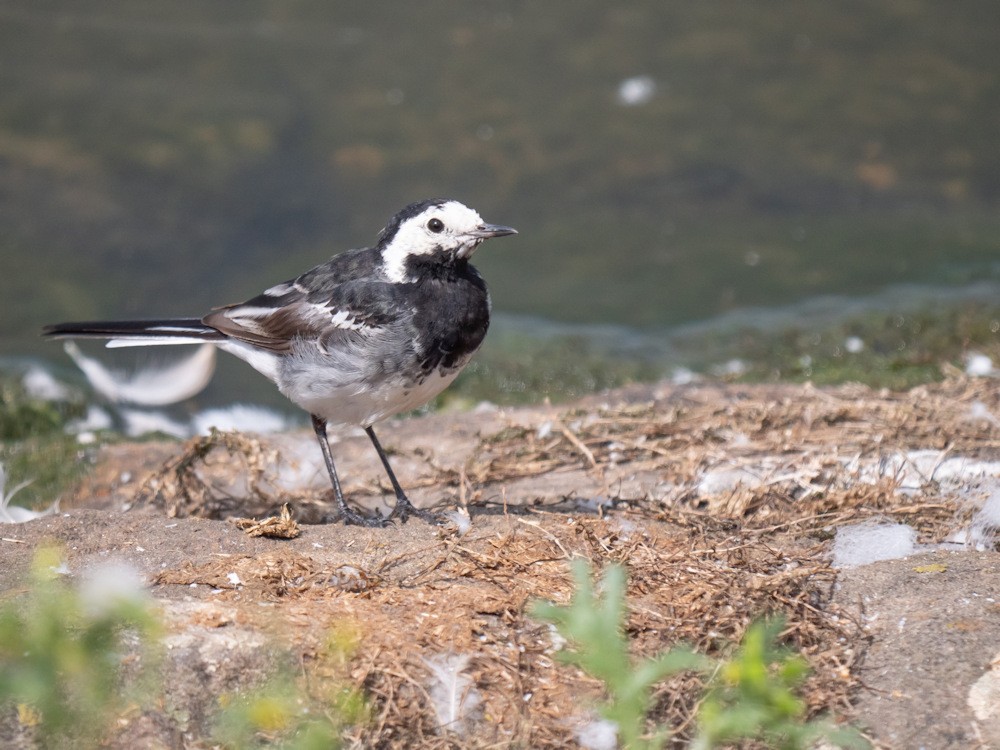
Pied Wagtail
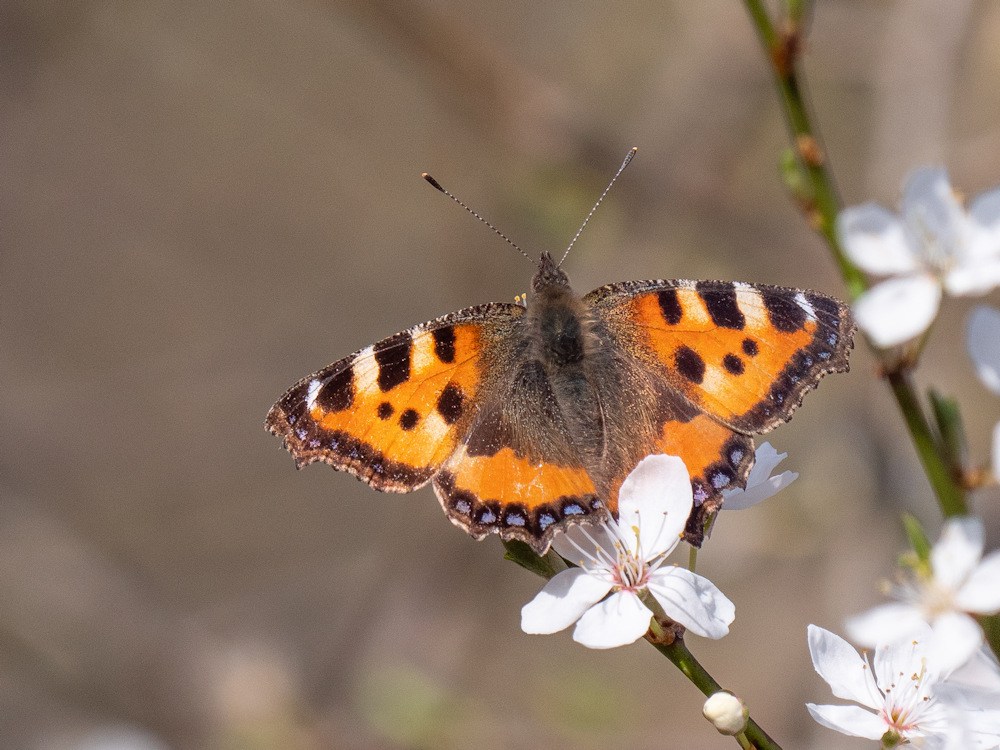
Small Tortoiseshell

2nd April, a hundred plus flock of mainly fieldfare and redwing with starling, song thrush and chaffinches on fields off Brington Road. Skylark, greenfinch and buzzard also about, and a couple of meadow pipits go over.

4th April, the shooting season has finished but countryside is awash with pheasants. They are big birds and eat a lot and during the shooting period part of their diet is supplied by the gamekeeper; afterwards they fend for themselves. They consume ‘wild’ food and must seriously affect the food availability for our native wildlife. They also surely increase the numbers of predators/scavengers by being a prime food source especially via road-kill. One of our local farmers complained to me about the number of foxes, kites and buzzards in the countryside, and I suggested it’s maybe because he releases hundreds of tons of fresh pheasant meat into the environment each year. Why does the shooting industry release 50 plus million pheasants annually into our already fragile natural environment when there are so many ‘left-over’ after the shooting season finishes each year?
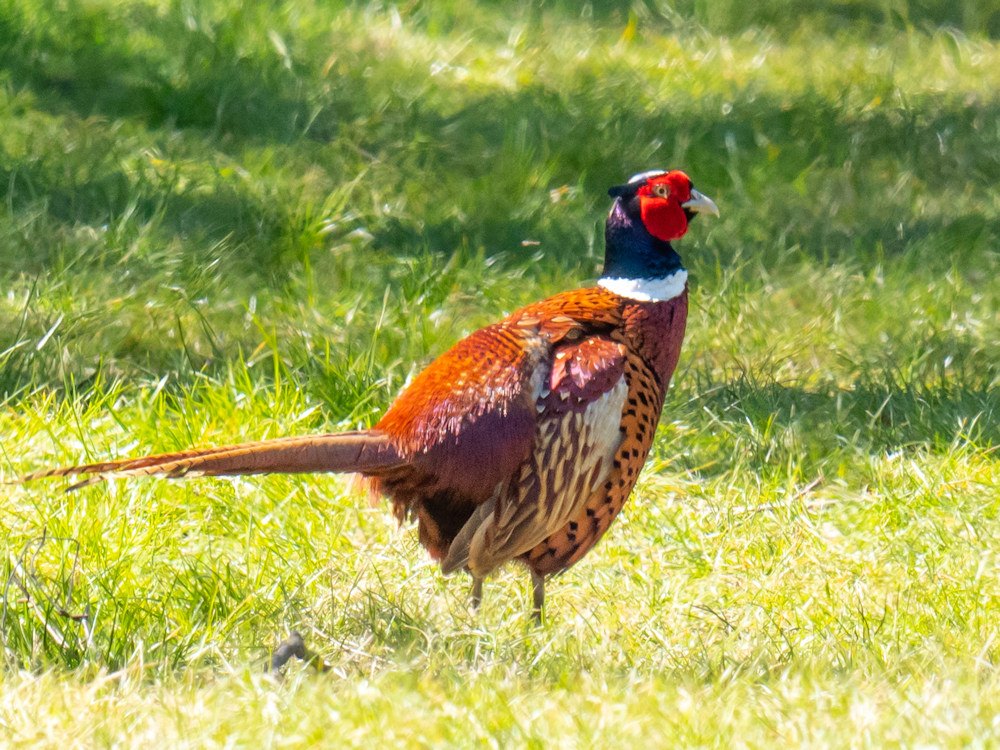
Pheasant
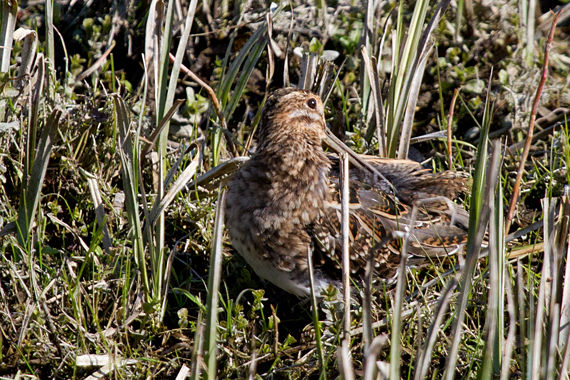
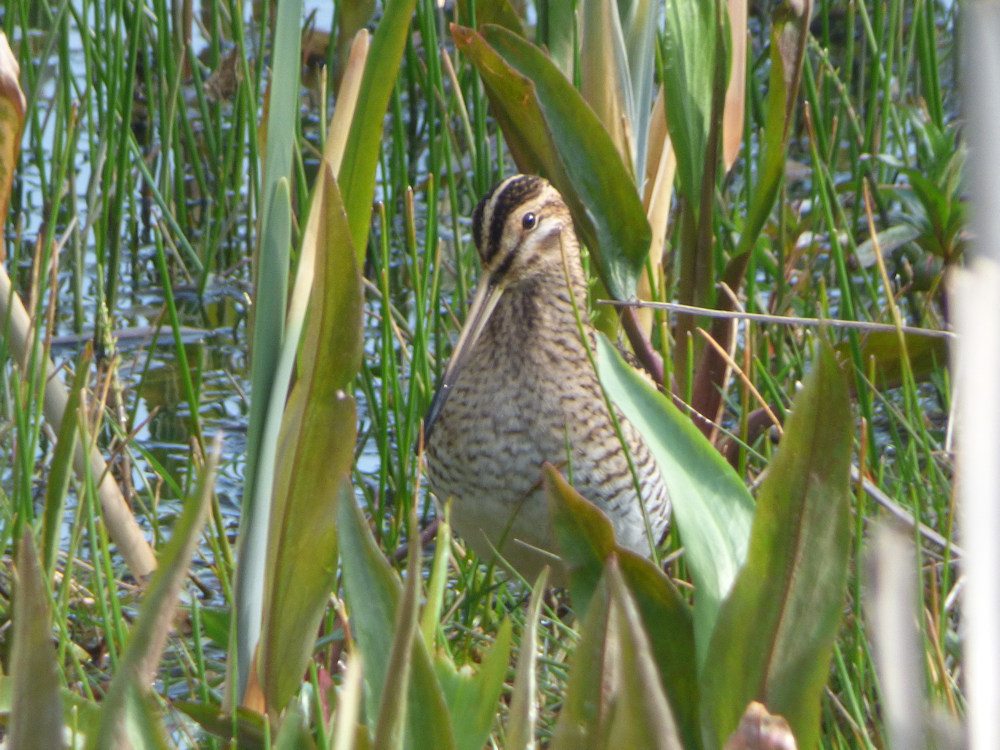
Snipe by Adam

8th April, Cotton End Park has a snipe, new blackcaps with chiffchaff and linnet singing. There are yellowhammer, green woodpecker, snipe and moorhen in the wildlife area and a swallow comes in for a quick drink before heading off. Peacock and bumblebees reported. Angela sees a swallow with a dark breast.

9th April, my old Hebridean ewe Agnes has a ewe lamb, it’s like a black teddy bear, and we call her Ciara (Kee-rah) meaning ‘little dark one’. Fieldfares 10, and linnets 60, still on fields between Foxhill Road and East Street.

12th April, at the wharf Alan still has brambling at his feeder plus fledged Blackbird and a fly-over swallow.
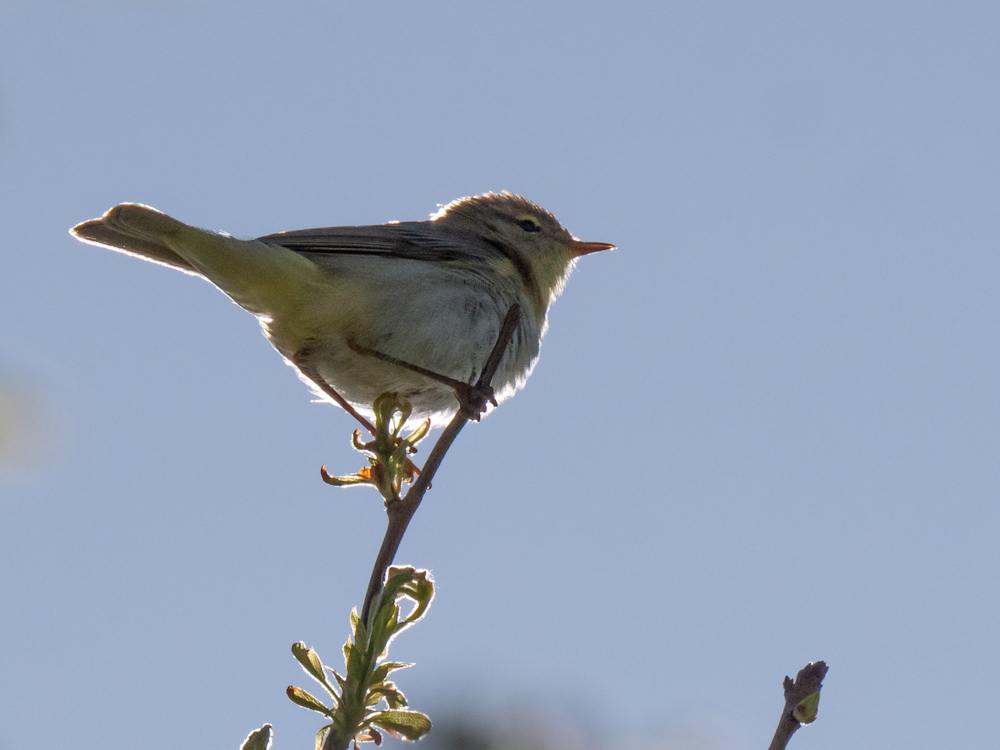
Chiffchaff
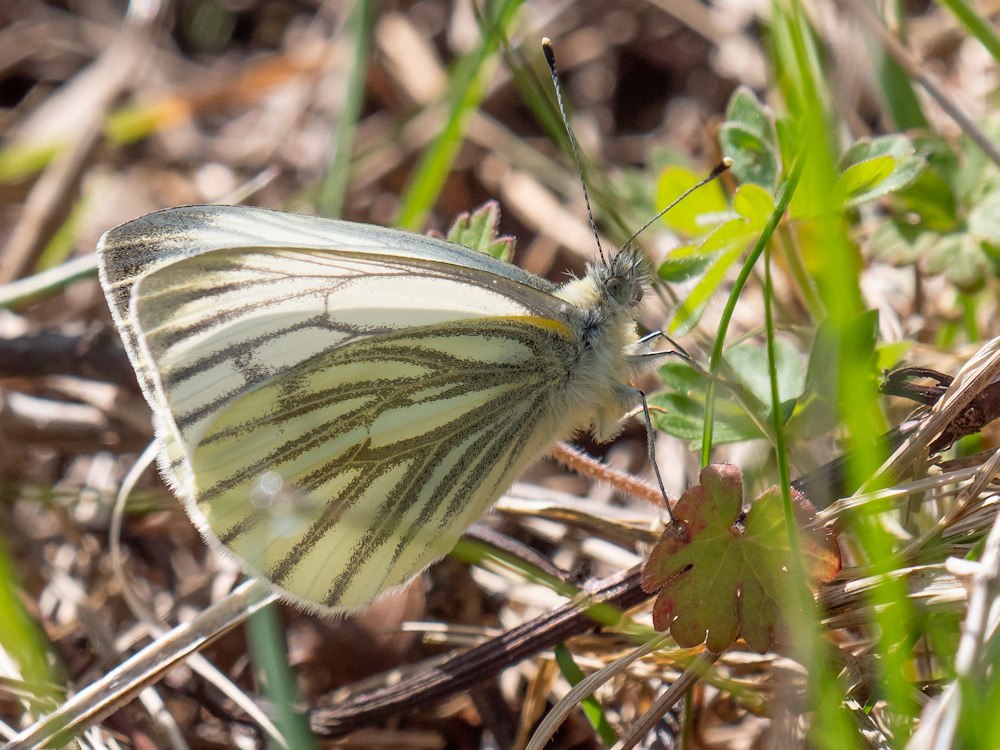
Green-veined White

14th April, still a snipe at CEP. I would have thought it would have moved to its breeding grounds by now. 3 blackcaps are singing, and the fritillary flowers look fab. On the track off The Banks/Foxhill Road a whitethroat sings and a few cuckoo-flowers are out. Chris has holly blue off Lakeside and Alan sees 11 mallard ducklings on pound 8 by the canal. The oil-seed rape is flowering.

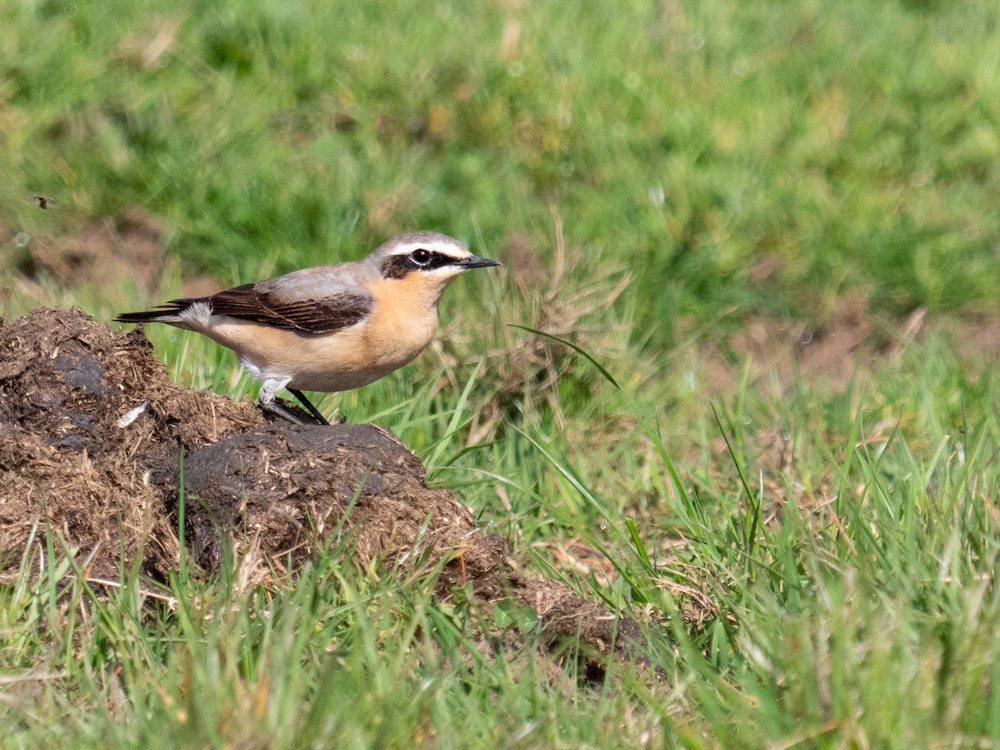
15th April, Sue, Chris and I go for a birding session with the hope of seeing some summer migrants though all is quiet until we see a cracking male wheatear in a horse paddock off the Brington Road. It is standing on horse dung picking of the flies in same way it would have done with camel dung during the winter in sub-Saharan Africa. With the horses following us with increasing interest, we approach in a tight line resembling a six-legged horse and the bird seems quite happy to let us get closer. Sue and Chris take a good couple of hundred shots of the bird. Good stuff. We also see hares, whitethroat and 3 swallow plus orange-tip, green-veined white and three other butterfly species. Ange sees holly blue in our garden.
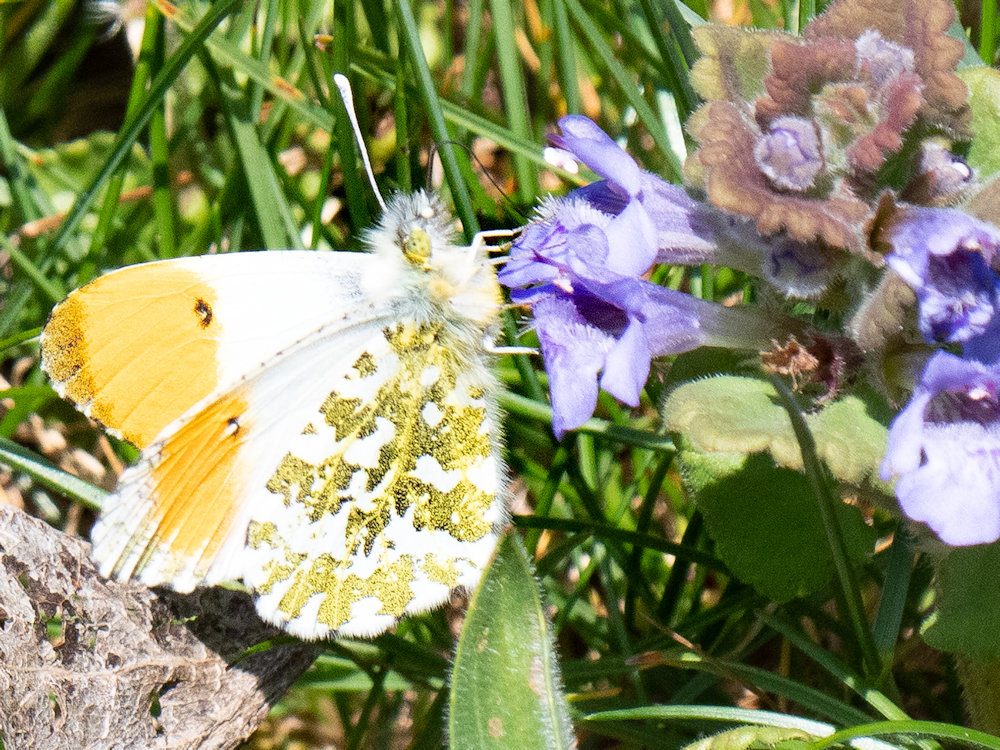
Orange-tip
Wheatear

16th April, CEP has jay, red-legged partridge, whitethroat and singing mistle thrush, plus cuckoo-flower, cow slip, snakes-head fritillary and dandelions in bloom. At the farm we have started lambing in earnest and I hear jay, skylark and coal tit, and see yellow wagtail, meadow pipit, pied wagtail and red kite.

19th April, I have been stopping as I usually do at a gate on the Foxhill Road where the open sheep pasture annually hosts the odd Wheatear on passage in spring and/or autumn. Some years, even with regular visits at the right time I still see nothing. This spring I have stopped and looked a dozen times and nothing but today there sits a lovely male Wheatear, shimmering in the heat-haze. I am pleased as punch.

21st April, CEP has an incoming lesser whitethroat, snipe and swallow.
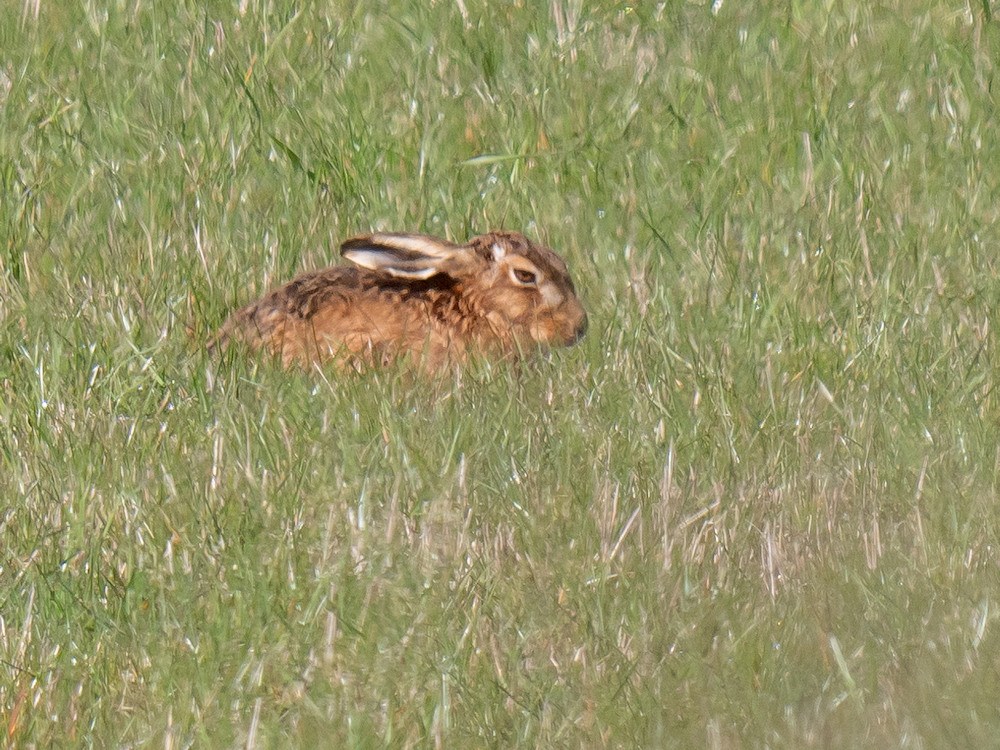
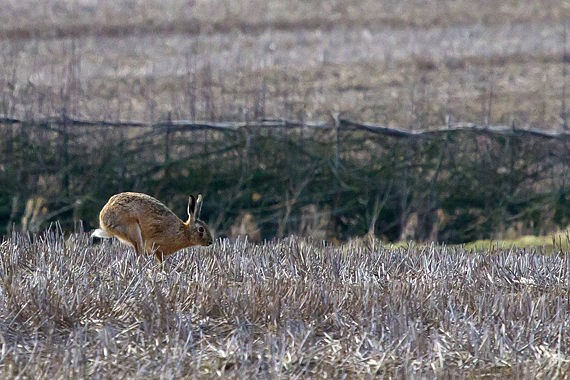
Hare
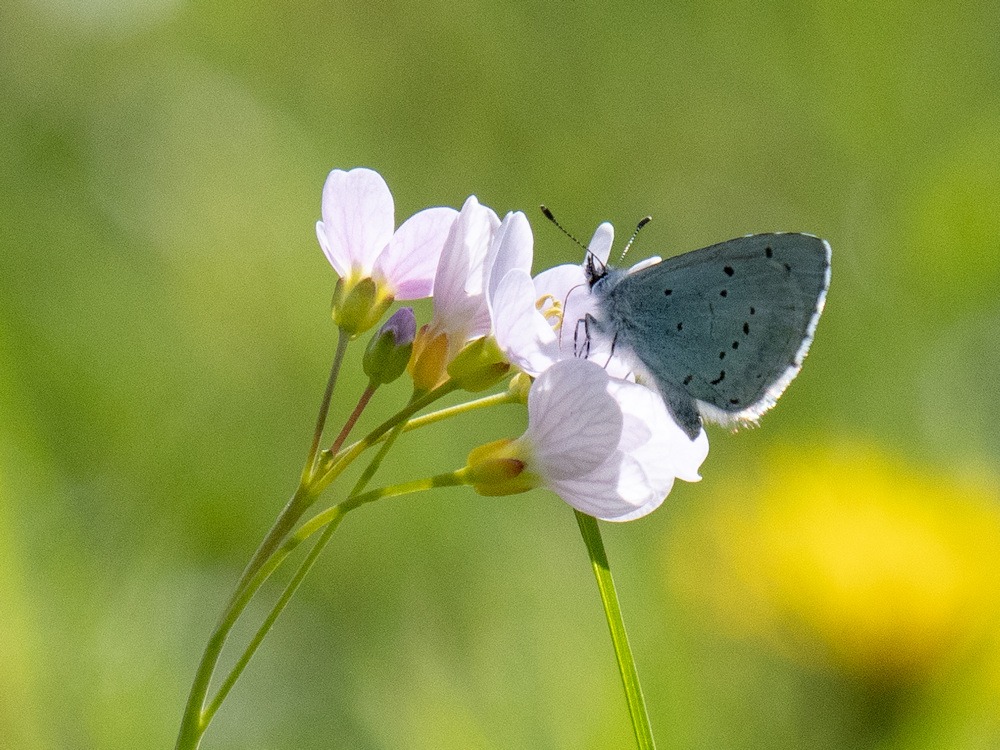
Holly Blue on Ladies Smock

26th April, I hear a willow warbler but it is at Harlestone Firs saw mill whilst I‘m collecting sheep fence stakes. The old rusty corrugated roofing tins rescued from the farm buildings conversion lay in at the edge of the wood at Hanglands as a place of safety for small mammals etc. They are also a good way of seeing wildlife that is normally hidden from you and once in a while I gently lift the tins to see what’s there. Today there’s a common shrew, a short-tailed bank vole and a ‘baby’ grass snake. The sun shineth and holly blue, small white and brimstone flutter through my garden. As I stand watching a call emits from above and my first house martin of the year goes over. Muntjac, fox, grey heron and 2 greylag geese reported.

30th April, from CEP I can see eight hares together in nearby pasture. A lovely day off prompts me to go walk-about. I don’t see much but hear song and mistle thrush, wren, blackcap, chiffchaff, whitethroat, lesser whitethroat, yellowhammer, reed bunting, great spotted woodpecker, little grebe, bullfinch, red-legged partridge, and linnet. The warmth brings forth brimstone, peacock, small tort’, holly blue and orange-tip. With perception the world turns towards the sun.
Village Wildlife Diary for March 2022

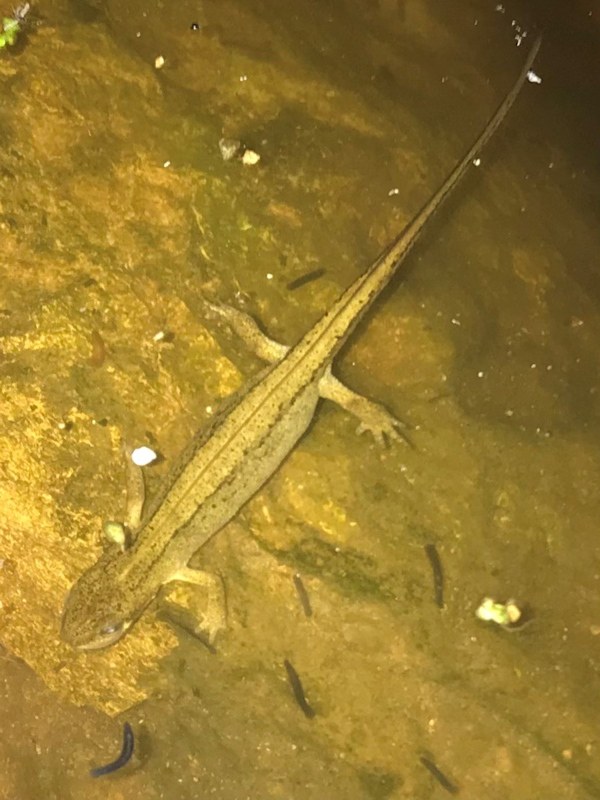
Newt
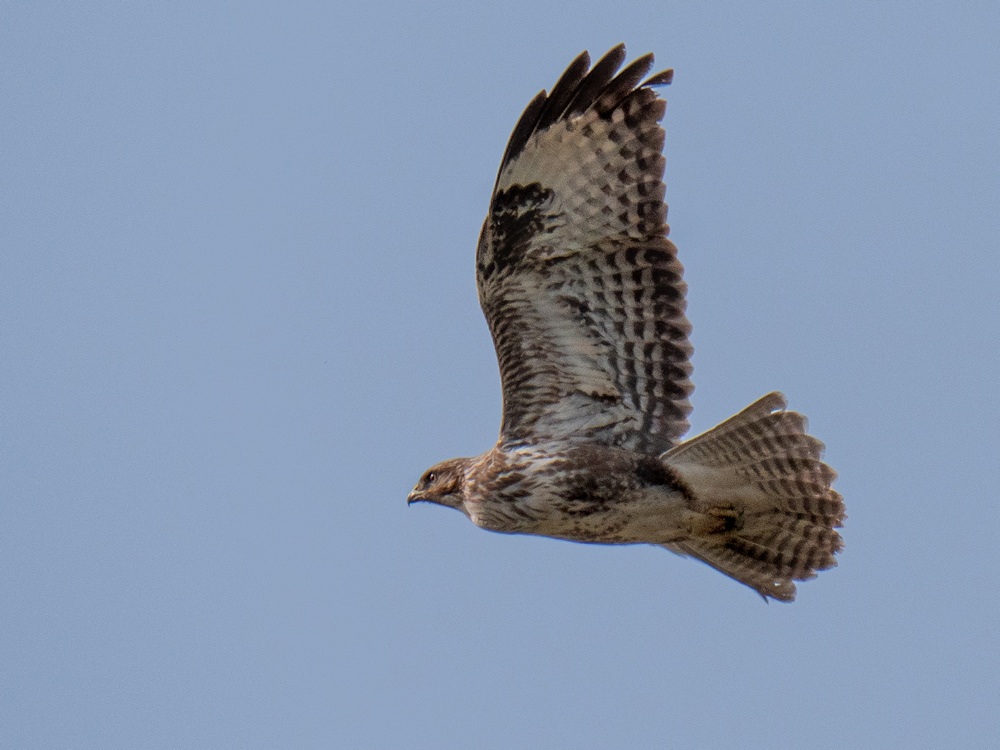
Buzzard
Grey Wagtail

4th March, jay reported from the A428 junction, and Cotton End Park. I am watching what I assumed to be a flock of the more common wood pigeon over the village but when they land they morph into the less common stock dove. About fifty, perhaps the most I’ve seen together for years, feed on Armley field with dozens of jackdaw. My company Long Buckby Electrical is a long term sponsor of the Old Kings Head Fishing Club and they occasionally report to me on what they see and catch. Simon suggests that fish numbers are down in the Grand Union Canal and the introduced, non-native zander or pike-perch could be to blame. The Canal & River Trust carry out regular removal of this super-predator by electrical stunning of the fish in certain sections of the water-way. The zander are removed and the other species recover. Species present include, perch, roach, gudgeon, ruffe, bream, pike and carp.

5th March, 14 clumps of frogspawn at CEP. Gina sees hares and a weasel off Brington Road.

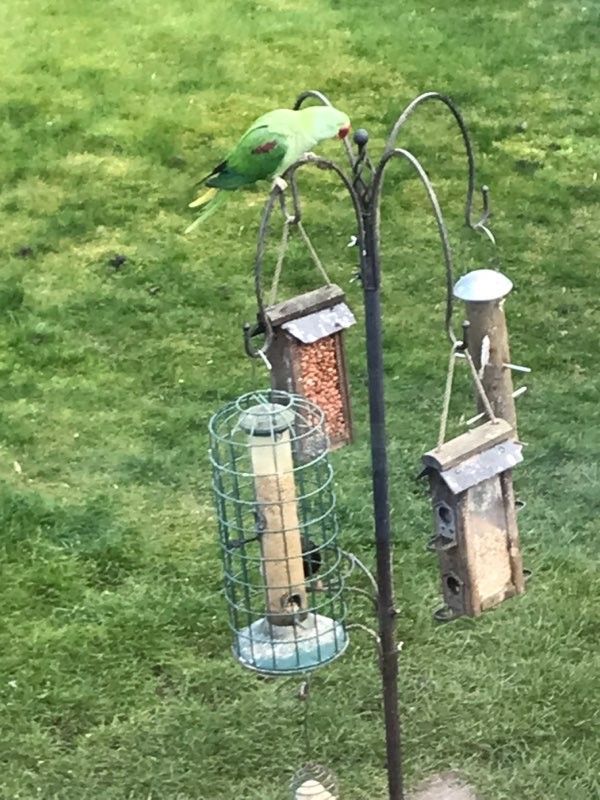
8th March, sunny and cold, but there are bumblebees and a peacock butterfly. Alan sends a photograph of Alexandrine parakeet from his bird feeder. This may be the bird reported escaped from the Daventry area a couple of years ago.

Alexandrine Parakeet
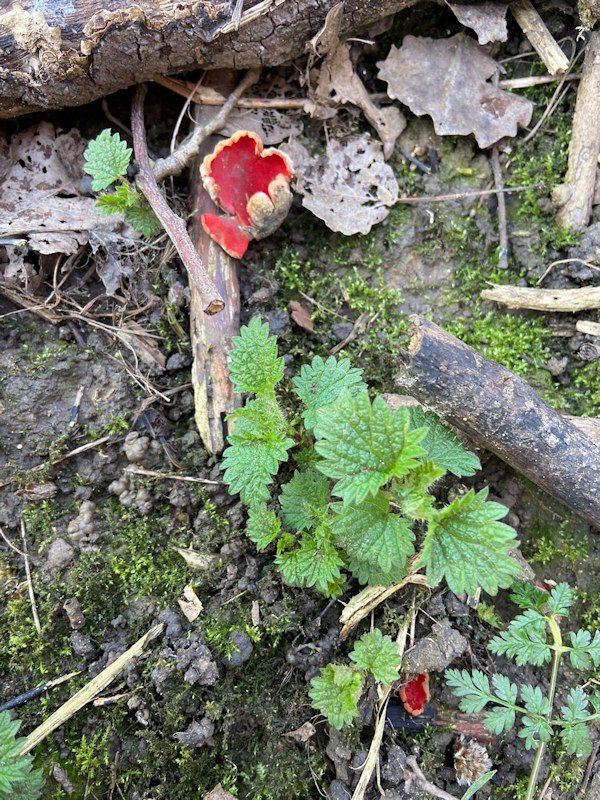
Scarlet Elf Cap

11th & 12th March, Alan now has Brambling at his feeder at the wharf. Dave finds King Alfred’s cake fungi on an ash, and Jenny finds and identifies scarlet elf cap fungi.

15th March, it is almost a tradition that Mike and Beth York report a male brimstone from this day each year.

19th March, a warm spell is with us. Angela sees comma and others are reported on social media.

21st March, Alan has brambling, long-tailed tit and reed bunting at his now famous feeder. Jane sees four roe deer on the parish boundary with Watford.

22nd March, the continued warmth sees small tortoiseshell, peacock, comma and brimstone records on a daily basis. The first of the incoming summer migrant birds, chiffchaff, are seen at Grange Farm and Cath hears two near Manning Way. There are bees, wasps and flies about, and the local magnolia trees are exploding into flower. David reports bats from Ashmore this evening and Dean reports frogspawn from Mill Park Reserve. Claire and Bryn see a muntjac drinking at the pond at CEP.

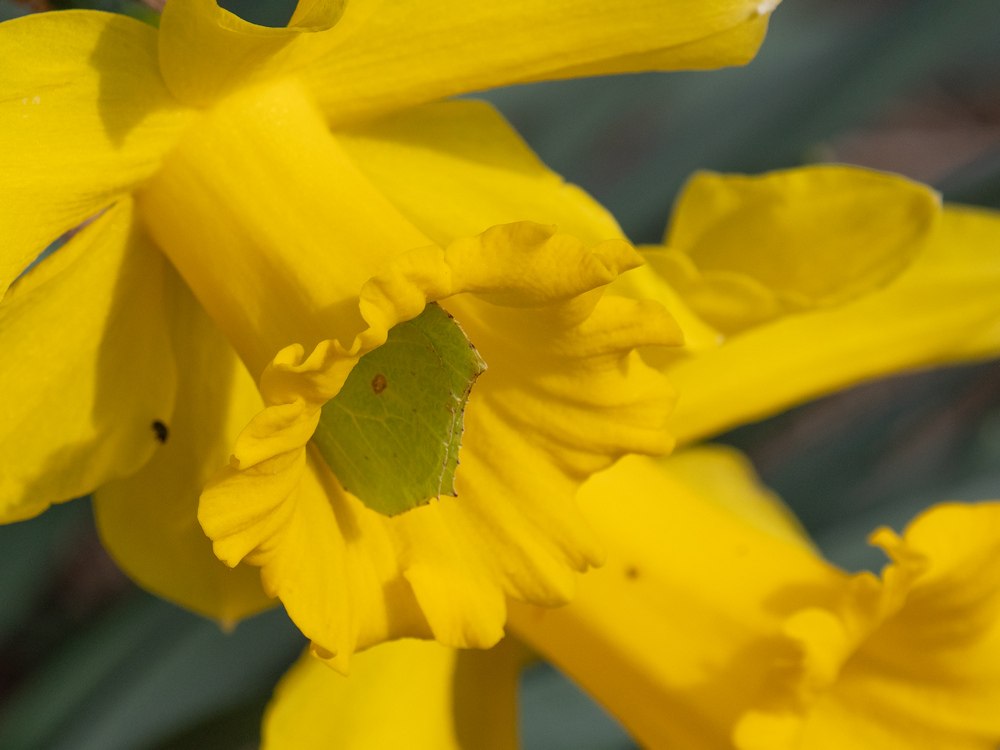
Brimstone inside Daffodil
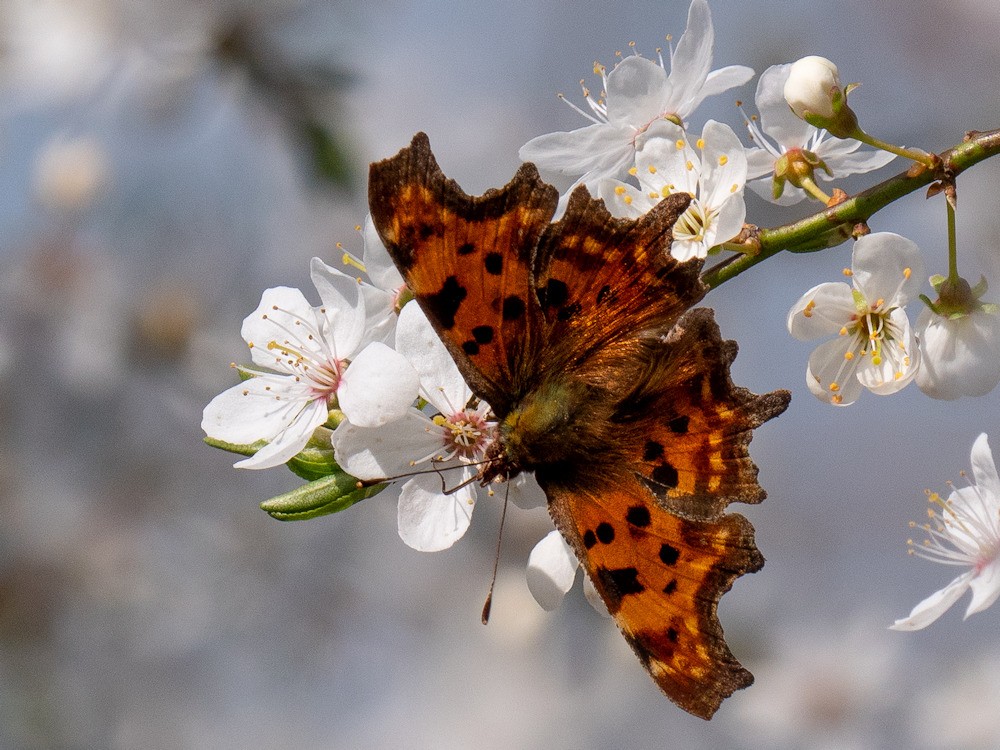
Comma on Blackthorn

24th March, I’m checking and feeding the CEP sheep flock where the daffs, primroses, cowslips and blackthorn blossom are touched by last night’s frost. The sun is soon strong and there is lots of activity. Chiffchaffs, yellowhammer and song thrush are singing and wren, blackbird and dunnock are nest-building. There are displaying buzzards around the parish; these birds are constantly calling and display by flying upwards then closing their wings and dropping down – roller coaster style.

25th March, early morning is bright but cold and the old mule ewe births triplets under the blackthorn over-hang in Far Corralls. To the sound of chiffchaffs and croaking rooks Jenny brings them in to the yard. There are singing chiffchaffs, goldcrests and treecreeper at the park then an unfamiliar song that I realise is a fieldfare singing. The long-tailed tits are nest building in a bramble patch and 2 Muntjac and bee-fly are seen. An osprey is reported at nearby Hollowell reservoir. These fish-catching raptors spend the winter in Africa and migrate back in spring. They now nest in the county and it won’t be long before we get another fly-over record I’m sure. I must look up more often.

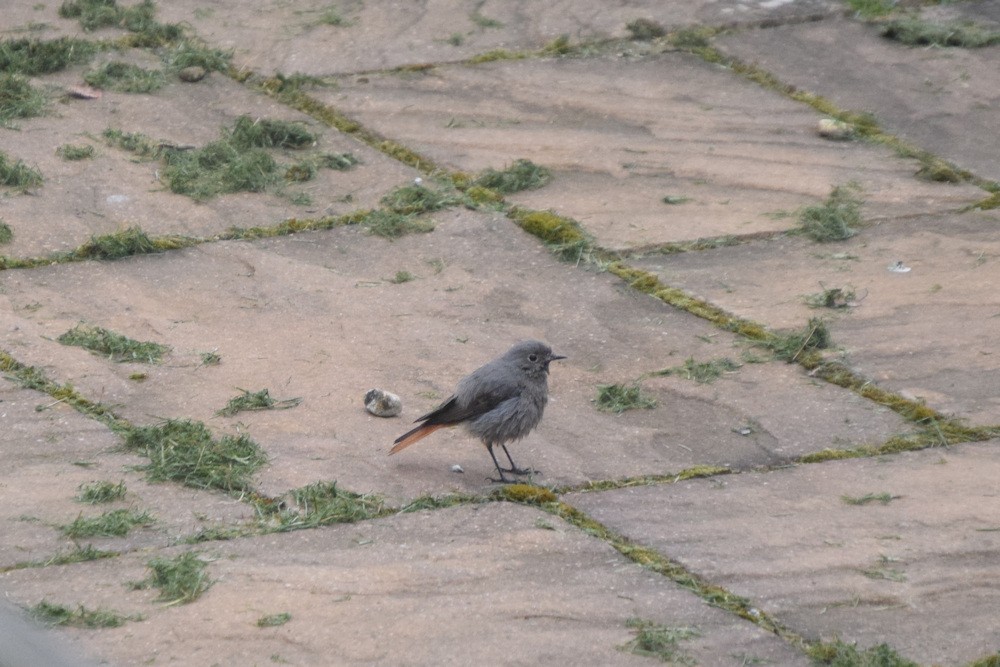
Black Redstart
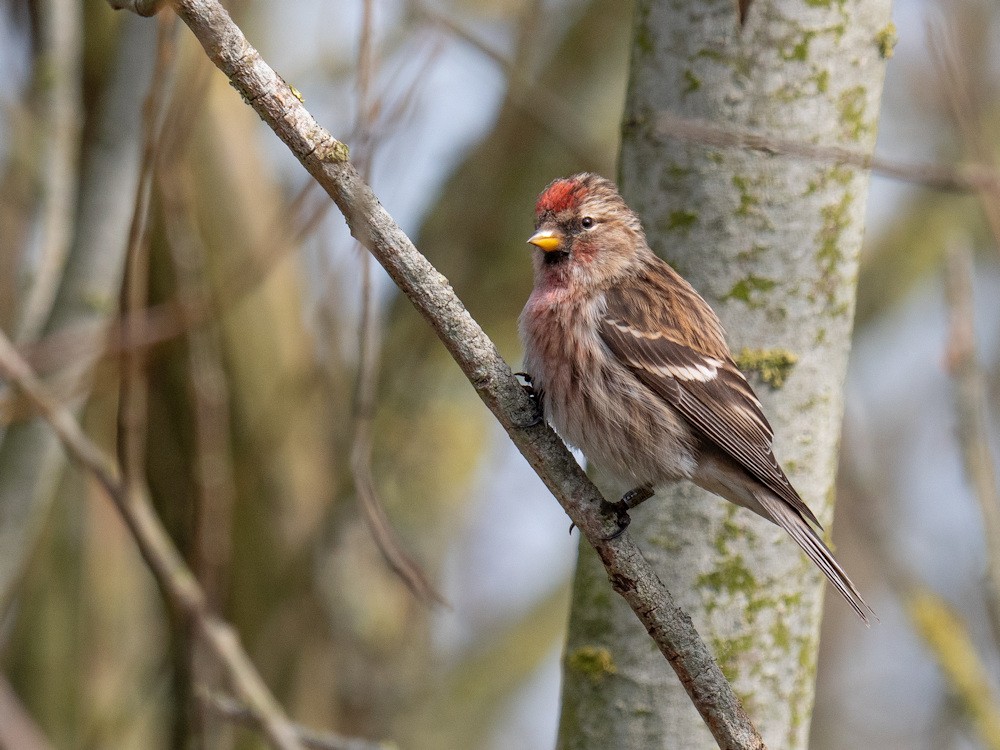
Lesser Redpoll

27th March, I’m talking to my wife in the kitchen and whilst staring out of the window see a small bird quickly drop down near my pond. It then pops up and starts to preen and I see a rusty red tail and grey body feathers. A black redstart. I rush to get my camera and understandably, my wife suggests I’m not listening to her. This exact scenario occurred last in July 2014. My wife tuts. I get a couple of record shots before it moves on. Now…what were you saying darling?

28th March, Mr Draper sees a swallow over Salem. There are a handful of redwings and fieldfares moving through the hedges off Foxhill Road, and still a gang of linnets in the fields there. 3 Hares reported, and Alan still has a brambling under his feeder at the wharf.

30th March, the cold returns and Hanglands has winter thrushes, 2 jays, a woodcock, a redpoll and a robin.

Village Wildlife Diary for February 2022

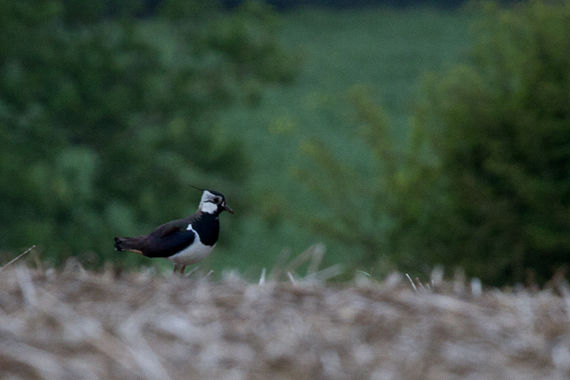
Lapwing
Pied Wagtail

2nd February, I want a sign – and I get one in the form of lapwings. The once prime mover for springtime, returning lapwings arrived to nest in bare fields laying eggs a month before any swallow showed itself. Those eggs; that first gift from nature to our near-starving ancestors was perhaps the embryo of the pre-Christian Easter egg tradition? About 90 go NW over Surney.

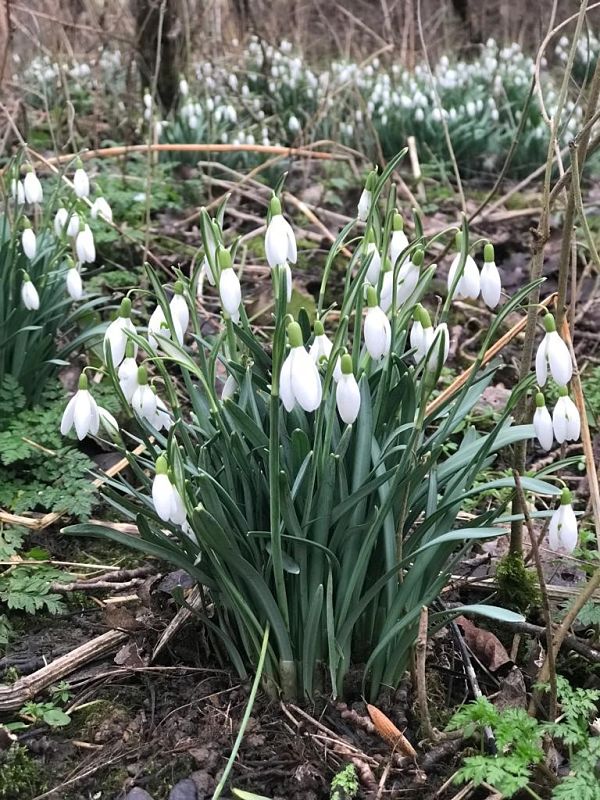
4th February, rain, sleet and snow for about an hour or so. Blackbird, great tit, starling and woodpigeon sing. Closed snowdrops flowers hang like white chrysalis ready to burst. Alan sees little egret as Long Buckby Wharf.

7th February, Brian sees great crested newt at Berryfield and a male smooth newt in a drain on Hickmans Drive. There are newts and toads heading to the balancing pond near the rail station there. He makes an appeal for thin sheets of polystyrene which he puts into the drains to assist the countless number of amphibians that get trapped and killed each year.

12th February, Dave sees four hares off Lodge lane, other too report hares. There are one or two pairs of Canada geese about looking for water to nest on. Skylarks are singing off Ashmore, Foxhill Road and Surney. Alan reports a 50plus flock of linnets from near the wharf. At CEP we are working on the ditches and see two snipe, moorhen, common shrew and short-tailed field vole.

Hare
Snipe
Snowdrops

15th February, Angela sees hares near the 428, Red kite also. A pair of Canada geese attempt to land at the main pond at CEP but crash into the bulrush. There are drake mallards about the village in pursuit of ducks, and a great tit is inspecting a my nest box at home.

17th February, Storm Dennis is upon us and removes every last twig from the new rooks nest in the crown of the ash at gas works corner at CEP.

18th February, Storm Eunice is strong enough to deter me from opening the park. I notice some gulls and crows are not deterred and chase through the skies riding the gusts with great skill.

19th February, Alan has pied and grey wagtail together feeding on the ground below his garden bird-feeder. Trevor finds globules of a clear gelatinous mass on the grass and we speculate on it being unfertilized frog spawn but the more I study the images the more I think it is some sort of jelly fungi.

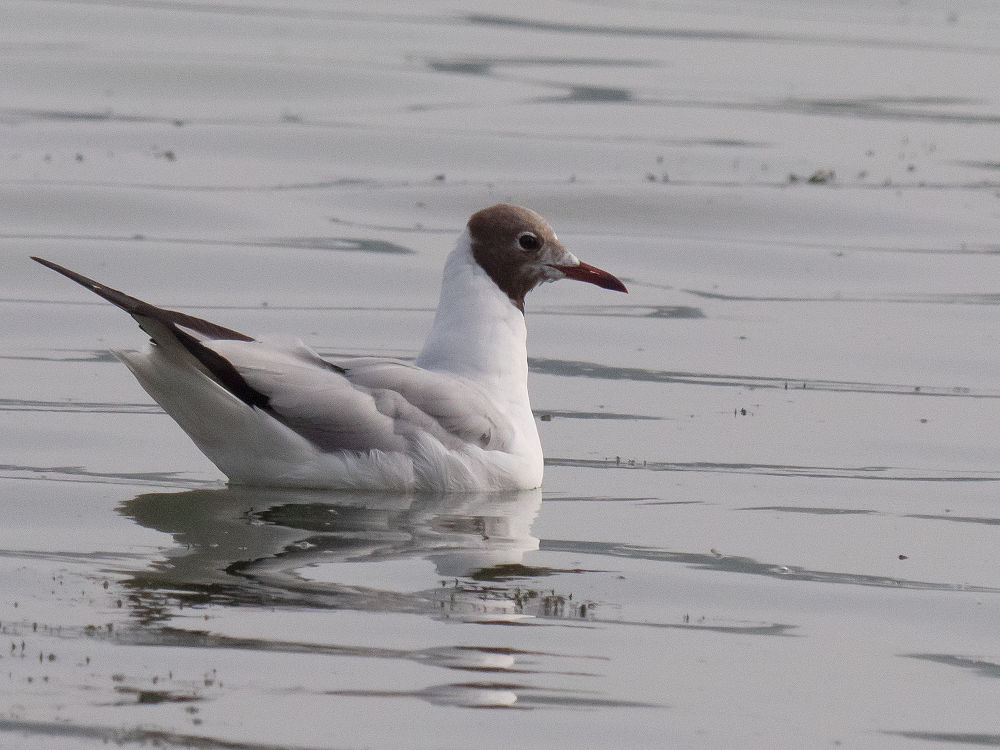
Black Headed Gull
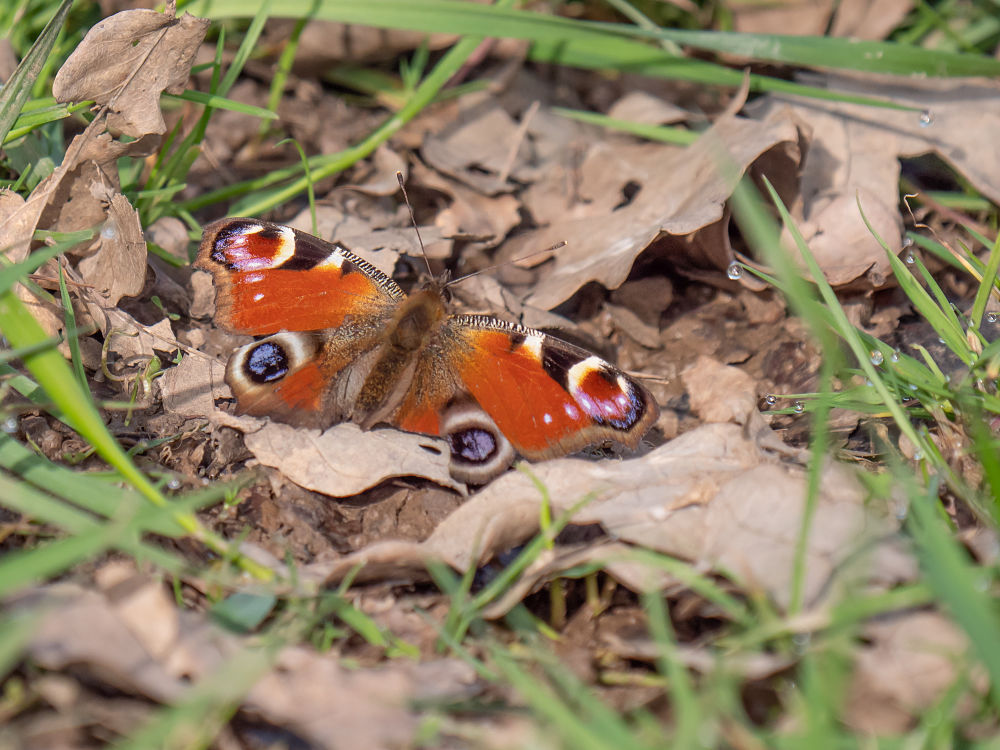
Peacock

20th February, Storm Franklin is the finishing touch for an old hawthorn at CEP. I clear it from the gateway and rake the twigs. The paddocks on the west side are strewn with ash twigs and bigger but nothing else of note has been affected by the three storms. Jane sees a kingfisher near the ponds at Oak Tree Farm.

22nd February, The sun shines and the wind eases as we say goodbye to Steve Osborne.

23rd February, Diana sees and photographs a peacock butterfly. The gull flock that roosts on the playing field has black-headed gulls with the fully dark heads of spring plumage.

25th February, Cotton End Park has singing yellowhammer, reed bunting, coal tit and goldcrest. After an absence of a month there are now redwings and fieldfares moving back through. The snowdrops seem fully open and I am pleased to see the rooks are rebuilding their twig nests in the tops of the old ash. The day grows longer and the race is on.