
2nd April, a hundred plus flock of mainly fieldfare and redwing with starling, song thrush and chaffinches on fields off Brington Road. Skylark, greenfinch and buzzard also about, and a couple of meadow pipits go over.
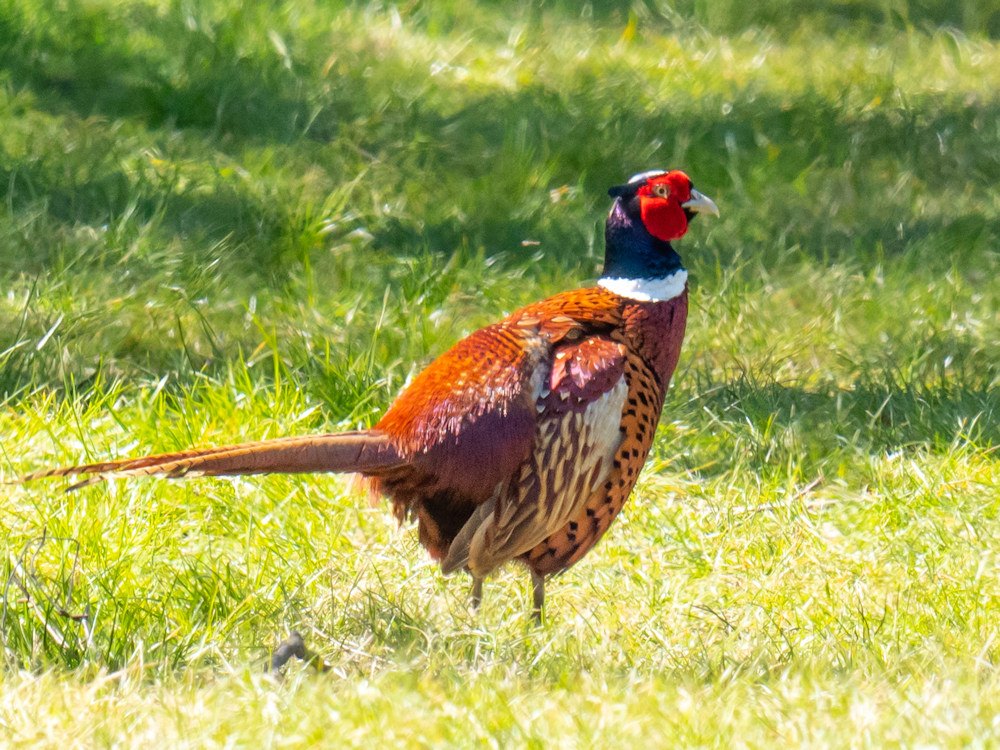
4th April, the shooting season has finished but countryside is awash with pheasants. They are big birds and eat a lot and during the shooting period part of their diet is supplied by the gamekeeper; afterwards they fend for themselves. They consume ‘wild’ food and must seriously affect the food availability for our native wildlife. They also surely increase the numbers of predators/scavengers by being a prime food source especially via road-kill. One of our local farmers complained to me about the number of foxes, kites and buzzards in the countryside, and I suggested it’s maybe because he releases hundreds of tons of fresh pheasant meat into the environment each year. Why does the shooting industry release 50 plus million pheasants annually into our already fragile natural environment when there are so many ‘left-over’ after the shooting season finishes each year?
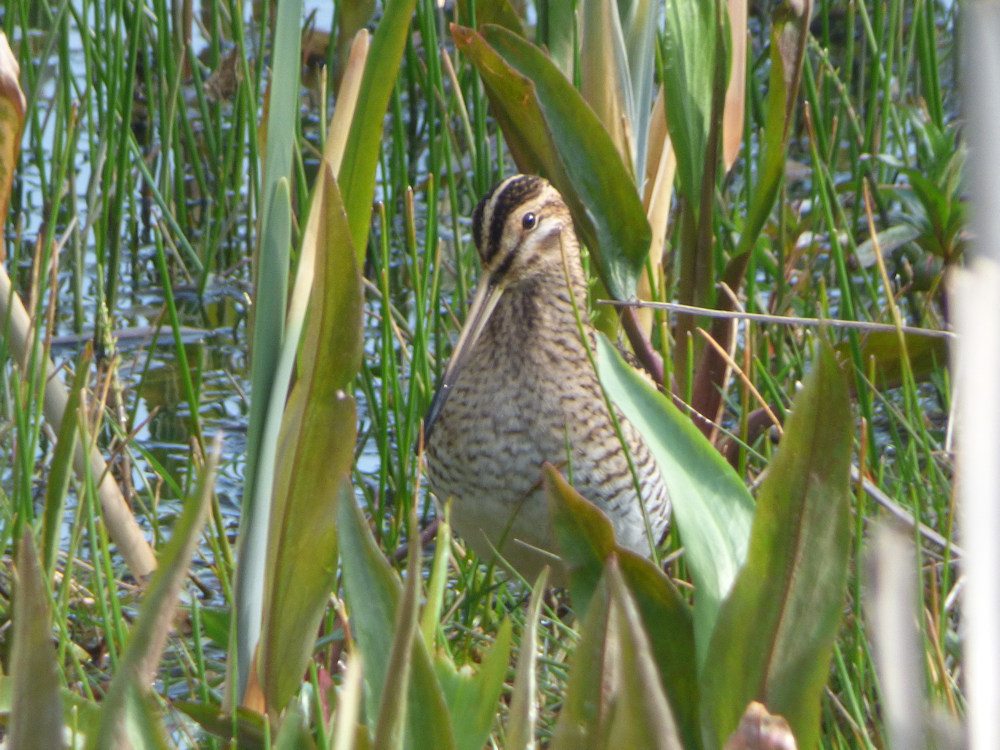
8th April, Cotton End Park has a snipe, new blackcaps with chiffchaff and linnet singing. There are yellowhammer, green woodpecker, snipe and moorhen in the wildlife area and a swallow comes in for a quick drink before heading off. Peacock and bumblebees reported. Angela sees a swallow with a dark breast.
9th April, my old Hebridean ewe Agnes has a ewe lamb, it’s like a black teddy bear, and we call her Ciara (Kee-rah) meaning ‘little dark one’. Fieldfares 10, and linnets 60, still on fields between Foxhill Road and East Street.
12th April, at the wharf Alan still has brambling at his feeder plus fledged Blackbird and a fly-over swallow.
14th April, still a snipe at CEP. I would have thought it would have moved to its breeding grounds by now. 3 blackcaps are singing, and the fritillary flowers look fab. On the track off The Banks/Foxhill Road a whitethroat sings and a few cuckoo-flowers are out. Chris has holly blue off Lakeside and Alan sees 11 mallard ducklings on pound 8 by the canal. The oil-seed rape is flowering.
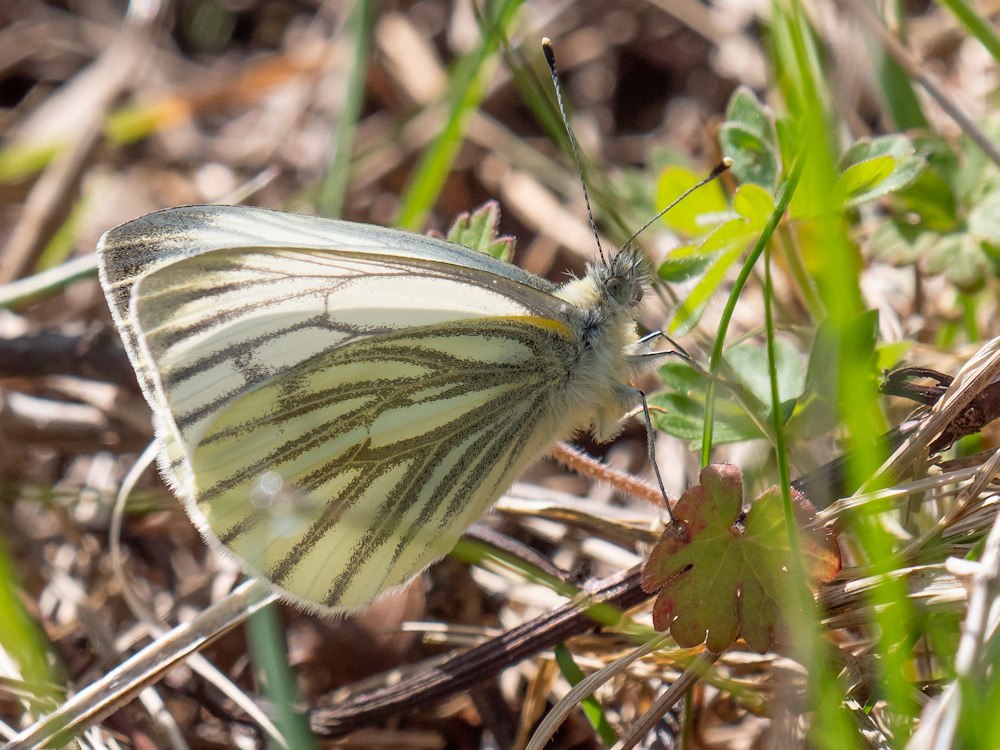
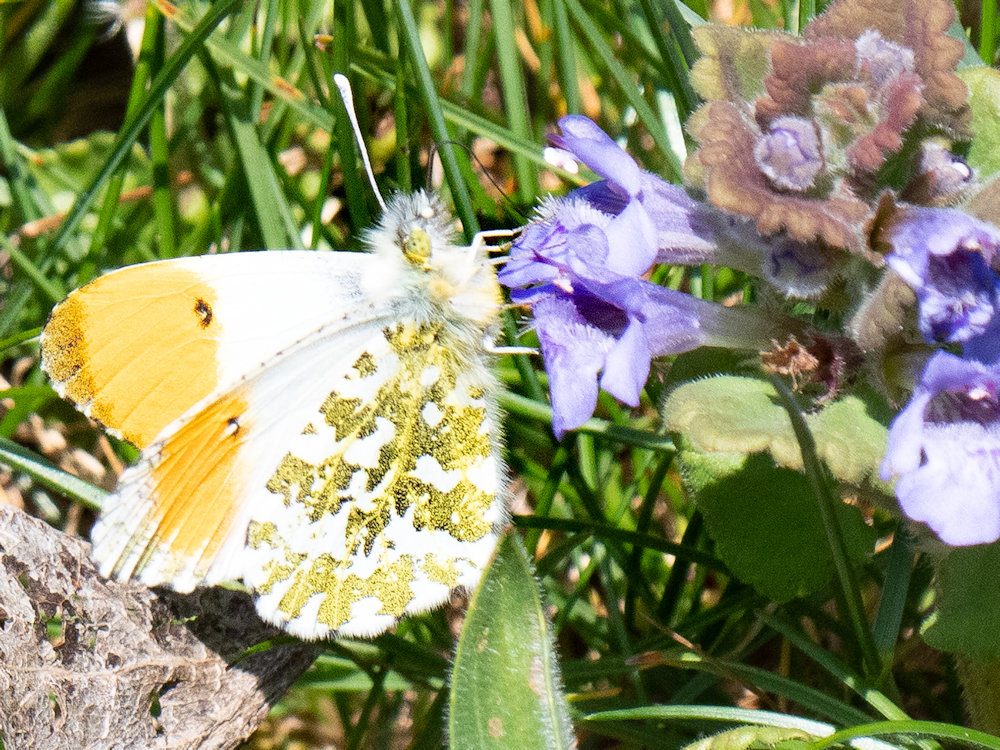
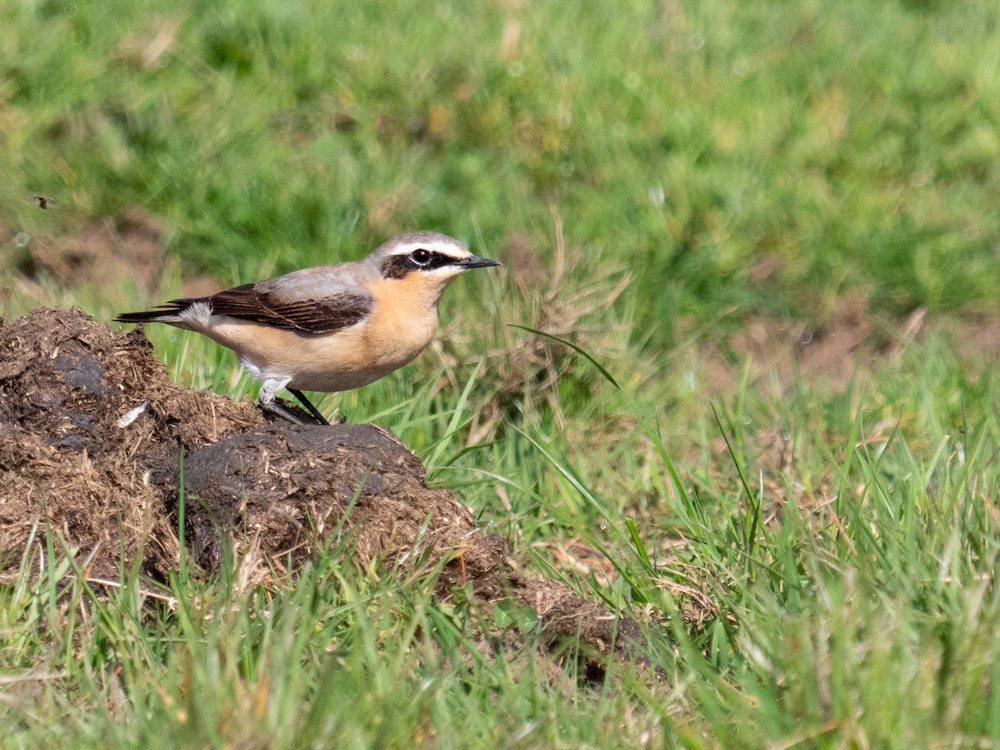
15th April, Sue, Chris and I go for a birding session with the hope of seeing some summer migrants though all is quiet until we see a cracking male wheatear in a horse paddock off the Brington Road. It is standing on horse dung picking of the flies in same way it would have done with camel dung during the winter in sub-Saharan Africa. With the horses following us with increasing interest, we approach in a tight line resembling a six-legged horse and the bird seems quite happy to let us get closer. Sue and Chris take a good couple of hundred shots of the bird. Good stuff. We also see hares, whitethroat and 3 swallow plus orange-tip, green-veined white and three other butterfly species. Ange sees holly blue in our garden.
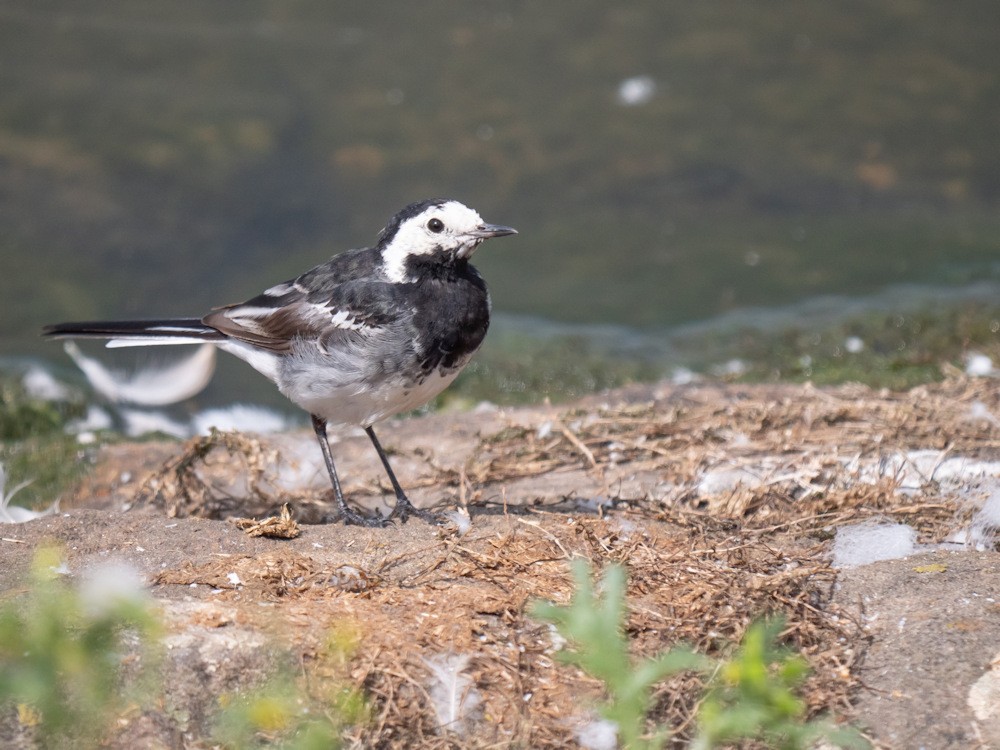
16th April, CEP has jay, red-legged partridge, whitethroat and singing mistle thrush, plus cuckoo-flower, cow slip, snakes-head fritillary and dandelions in bloom. At the farm we have started lambing in earnest and I hear jay, skylark and coal tit, and see yellow wagtail, meadow pipit, pied wagtail and red kite.
19th April, I have been stopping as I usually do at a gate on the Foxhill Road where the open sheep pasture annually hosts the odd Wheatear on passage in spring and/or autumn. Some years, even with regular visits at the right time I still see nothing. This spring I have stopped and looked a dozen times and nothing but today there sits a lovely male Wheatear, shimmering in the heat-haze. I am pleased as punch.
21st April, CEP has an incoming lesser whitethroat, snipe and swallow.
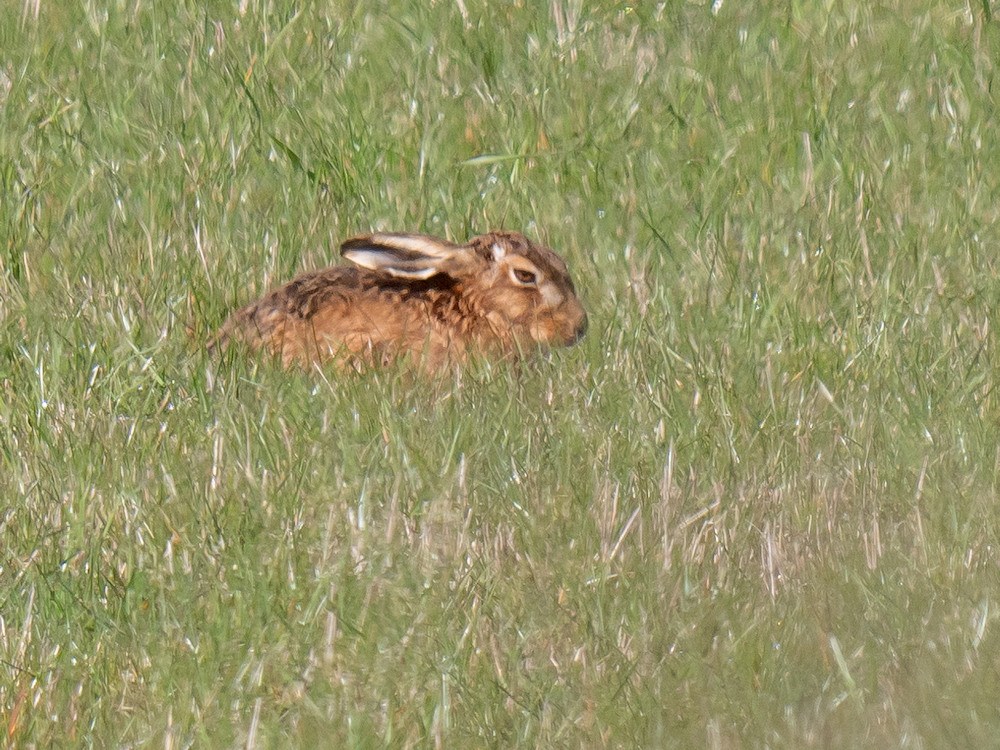
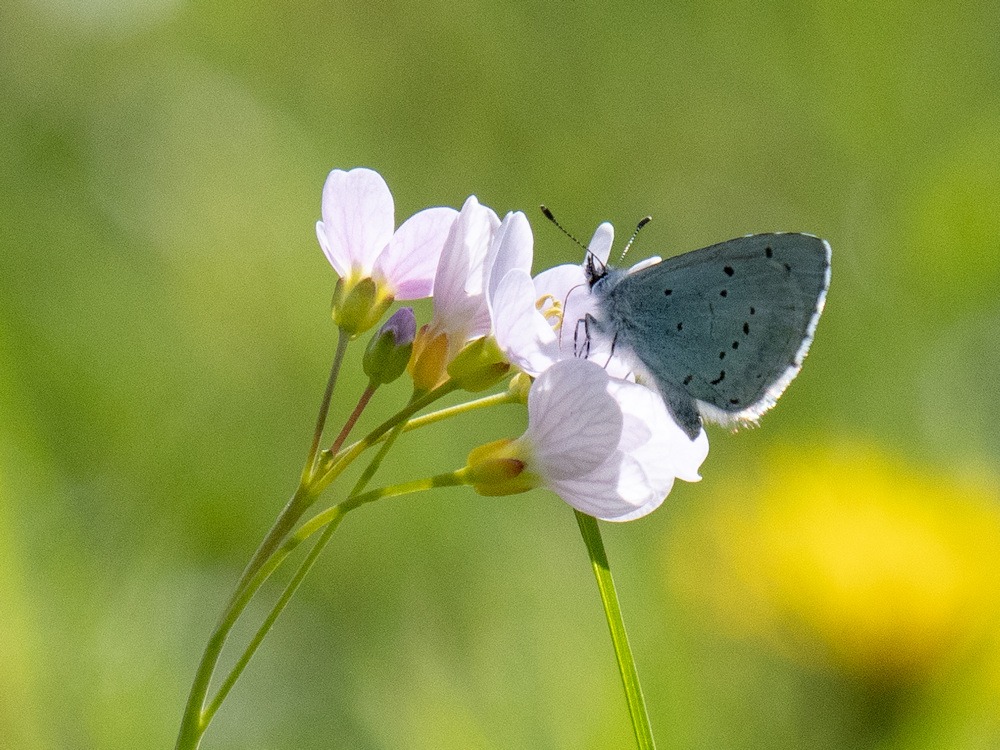
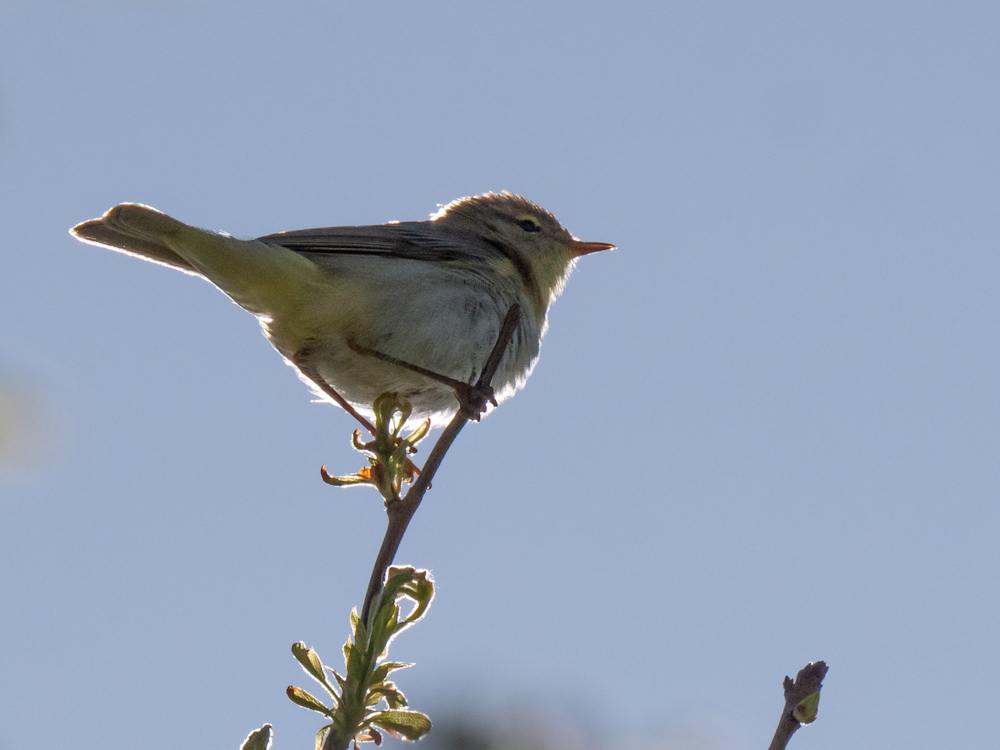
26th April, I hear a willow warbler but it is at Harlestone Firs saw mill whilst I‘m collecting sheep fence stakes. The old rusty corrugated roofing tins rescued from the farm buildings conversion lay in at the edge of the wood at Hanglands as a place of safety for small mammals etc. They are also a good way of seeing wildlife that is normally hidden from you and once in a while I gently lift the tins to see what’s there. Today there’s a common shrew, a short-tailed bank vole and a ‘baby’ grass snake. The sun shineth and holly blue, small white and brimstone flutter through my garden. As I stand watching a call emits from above and my first house martin of the year goes over. Muntjac, fox, grey heron and 2 greylag geese reported.
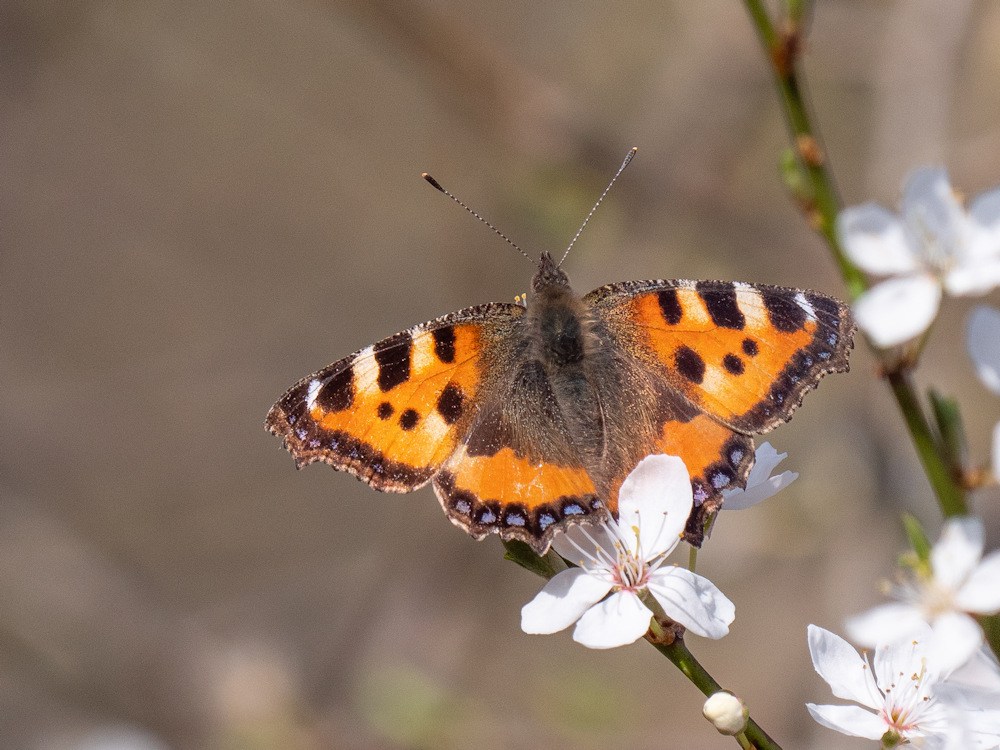
30th April, from CEP I can see eight hares together in nearby pasture. A lovely day off prompts me to go walk-about. I don’t see much but hear song and mistle thrush, wren, blackcap, chiffchaff, whitethroat, lesser whitethroat, yellowhammer, reed bunting, great spotted woodpecker, little grebe, bullfinch, red-legged partridge, and linnet. The warmth brings forth brimstone, peacock, small tort’, holly blue and orange-tip. With perception the world turns towards the sun.