Village Wildlife Diary January 2026

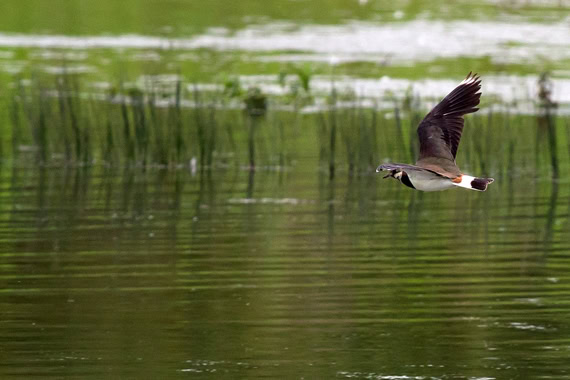
Bird with brown back and wings, and white body, flying over the water.
Lapwing

Cath reports a siskin from her feeders off Wright Road also singing wren and blackbird. There are dozens more blackbirds about at CEP and along with the fieldfares have virtually stripped the more accessible haws and hips from our various hedges. The redwings, being slightly smaller seem to be happier going into the dense growth for the harder-to-reach fruit. There are a couple of very shy song thrushes that like the sides of the ditches when feeding but always under cover.

Minus seven on the 3rd and as the ponds freeze, the moorhens move out along the ditches and stay with unfrozen water under the hedges. Our wintering snipe also find unfrozen, flowing water and to feed by. The frost has hammered our once pristine snooker-ball red crab-apple fruits. The birds have not been interested in them so far this winter, but the frost damage had browned the fruit and perhaps damage makes them sweeter.

Our park work-party on the 4th was cold and clear. Perfect. I’m busy as usual with allocated tasks when David spots a flock of some 40 birds away to the north, going west. They are lapwing.

6th January, Another hard frost -8.5c according to our weatherman David. Also a light covering of snow. Our wildlife, particularly our flora, needs this. It has evolved over millennia with this annual occurrence facilitating germination. Many insects too can withstand minus temperatures and are ok with being frozen for the winter but cannot survive continual wet.

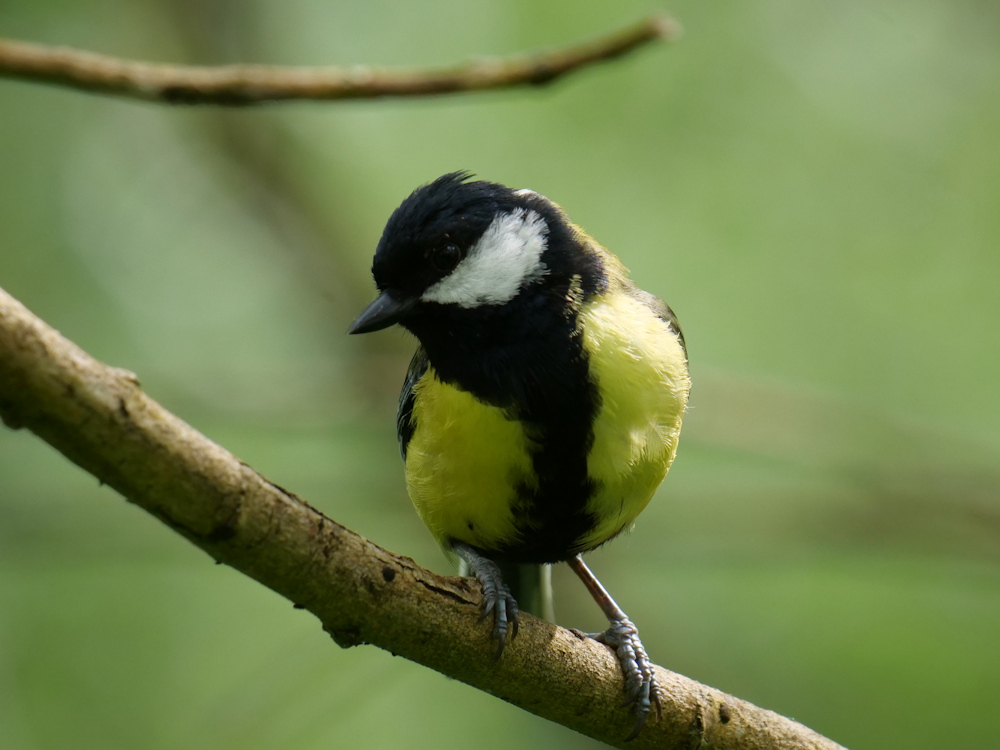
The 7th and I flush two woodcock from by a footpath and find a lone common gull. There are great tits and chaffinches singing at CEP.
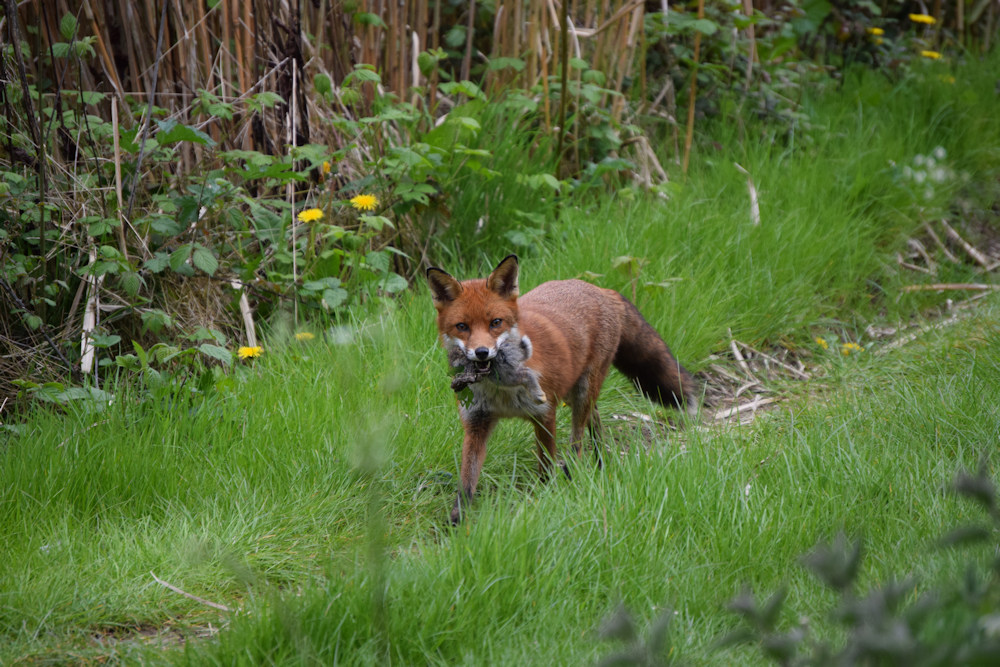
Red fox on a grassy track with the remains of a rabbit in its mouth.
Tea time

Out and about on the 10th and I see a fox with food. Thinking about it, I don’t see many (any?) rabbits these days.  There seem to be more blue tits and great tits about raising my thoughts about garden feeders and the adaptation of some species to the detriment of others.

Two hares are not far from the sheep off Brington Road. The poached ground the ewes are on is being investigated by dozens of rooks and jackdaws, and the birds and mammals move together. We find a dead buzzard. Its underneath a short section of three-phase power line and we wondered if it has been electrocuted.

Mill Park Reserve reports two snipe on floodwater nearby and stock dove, great-spotted woodpecker, and more blue tits! There are beautiful aconites, snow drop and cyclamen in flower.
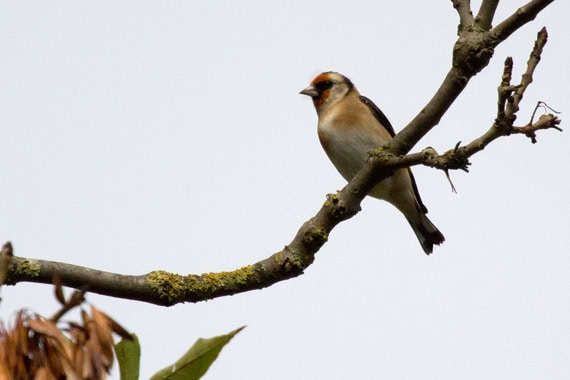
Small bird with a bright red face and short, sharp beak.
Goldfinch

The Junior school report singing robin, goldfinch and blackbird.

It rains, stops, starts again. This seems to go on for days. I find a fast and furious common shrew in my sheep store. It doesn’t stop as it has an extremely high metabolic rate requiring it to eat up to 90% of its bodyweight per day. It needs worms, spiders, insects etc, which in winter must surely be harder to come by.

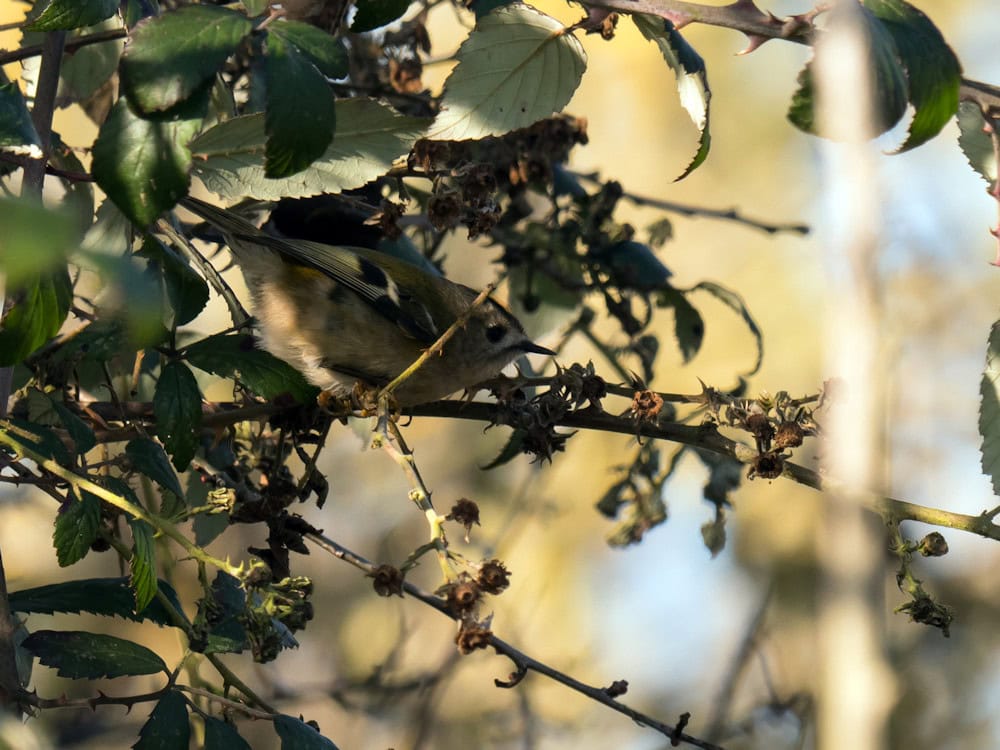
Bridgehouse Farm Lake has a pair of mallards and a pair of teal, plus little egret. Evans’ Pond has two immature mute swans and moorhen. There are also redpoll and greenfinch. Reports of cormorants going over the village, goldcrests in gardens, redpoll on feeders and roe deer. Singing birds at CEP include Great tit, blue tit, chaffinch, robin, wren, dunnock, blackbird, and mistle thrush. And then I hear a skylark.
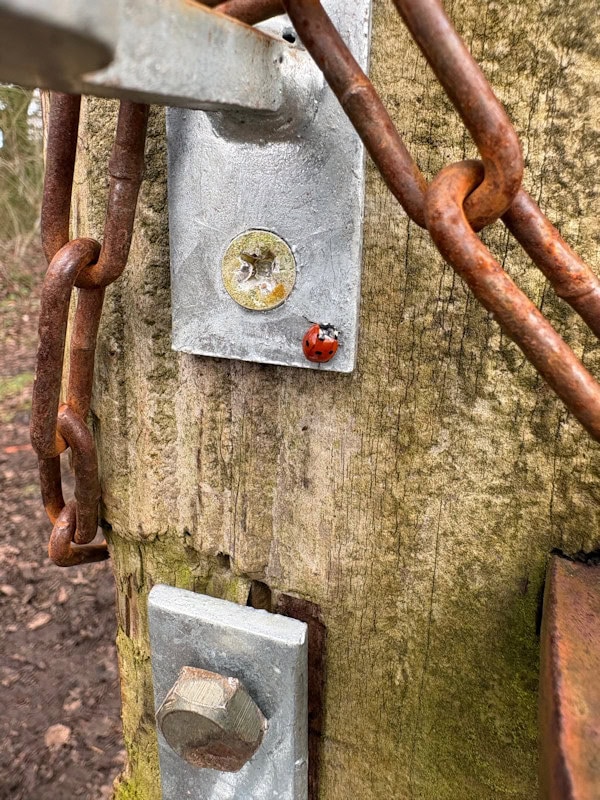
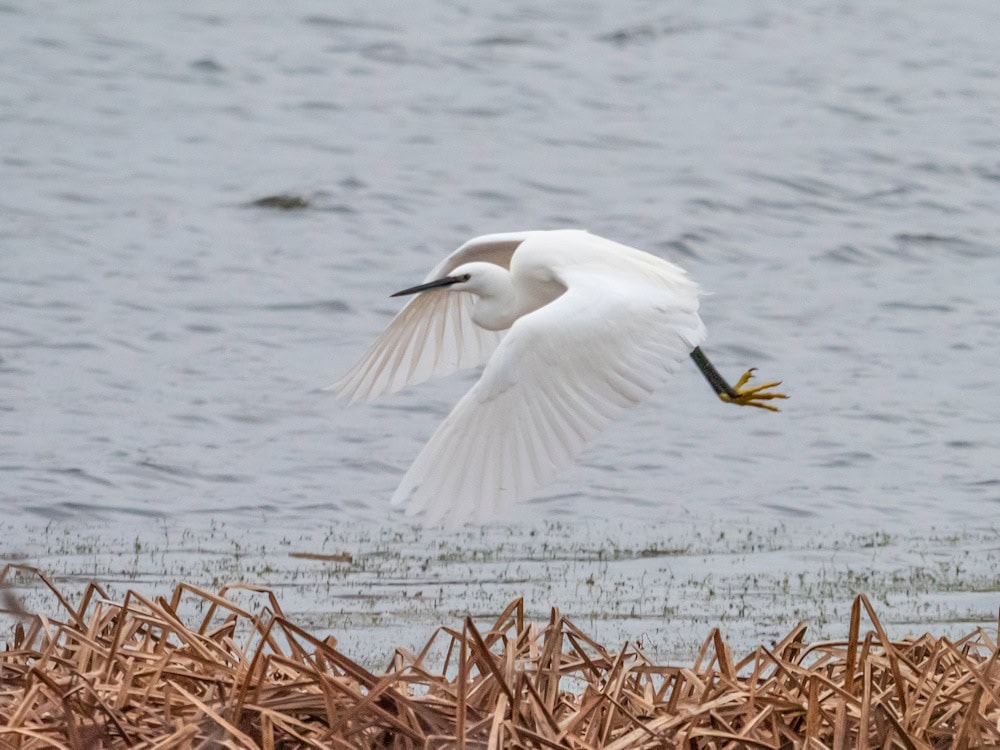
Ladybird on a metal plate forming part of a gate post.
Sunday warmth

I have liking for rooks. They are tough, common birds, mostly ignored, disrespected and shot at. Black, perhaps scruffy and unattractive to some, they are generally noisy and raucous, maybe constantly complaining, and they just don’t care. Nothing is going to stop their age-old routines. No wind or rain, or frost or snow; I have seen them working the fields on a freezing February morning with a thick layer of sparkling frost on their backs. They are the true countrymen. They’ve always known the soil and knew the land before the first ox and plough turned the earth bare. They are farm-workers, labourers, they graft together, always a community and always in discussion. I am leaning on the gate watching them atop the old ash in gas-works corner. They are chatting, flapping, chasing, prodding and poking. It is a moot, an ancient meeting, a tradition. They create a deafening din of cross-crowing… what is this argument and what is the issue being discussed?  I guess this parliament has been happening here or hereabouts for millennia, way before ‘Buckby’ was even visited by a human, and I am another man staring upwards. It makes me smile.

Don’t miss… our very own acclaimed wildlife photographer Sue Ebbage’s wildlife images on display at The Buckby Library & Hub during February. ‘Through the lens’ 3rd to 28th Feb’ 2026. Please pop in…

Also, for users of facebook, check out the new ‘Long Buckby Nature & Wildlife’ group postings….

David Green’s weather report.

 Max’ temp’ 11.5c on the 12th at 1350h.

 Min’ –8.5c on the 6th at 0123h. Precipitation, 86.8mm.


Please keep an eye out for grounded or ill-looking birds and report them.

Do not approach grounded birds.

Please keep your bird feeders clean.
Village Wildlife Diary December 2025

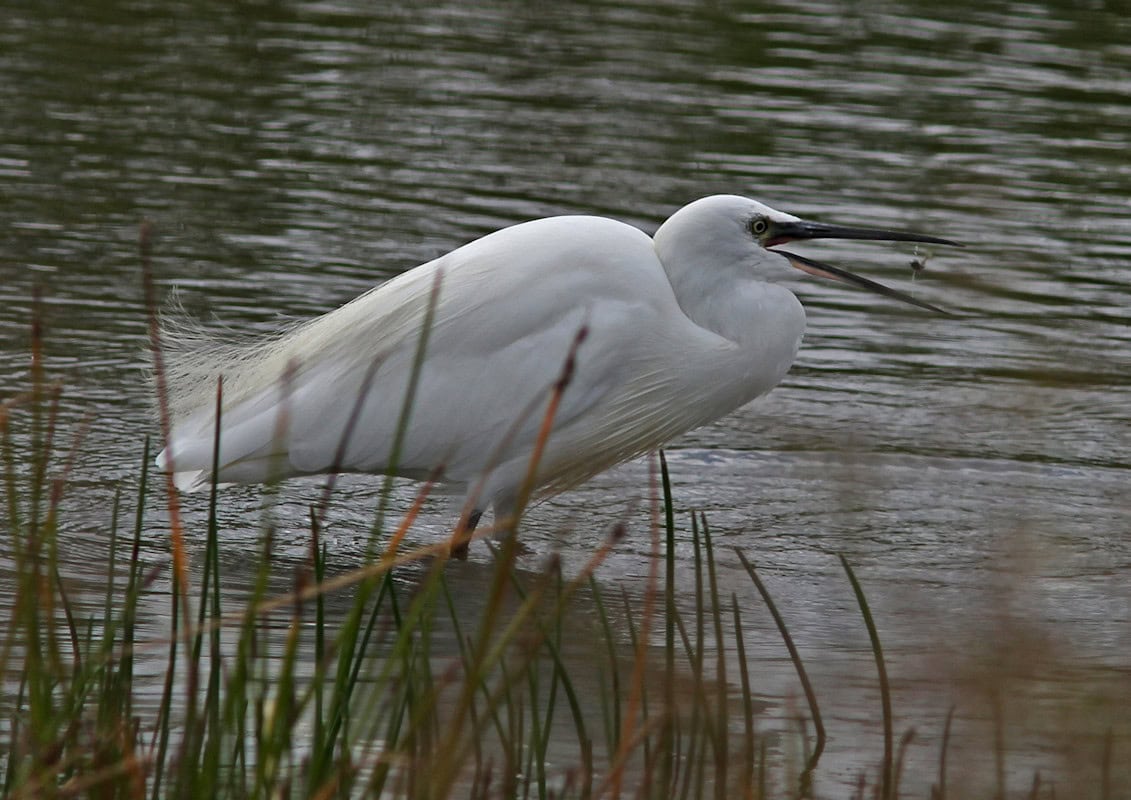
white bird with long black beak, standing in shallow water.
Egret
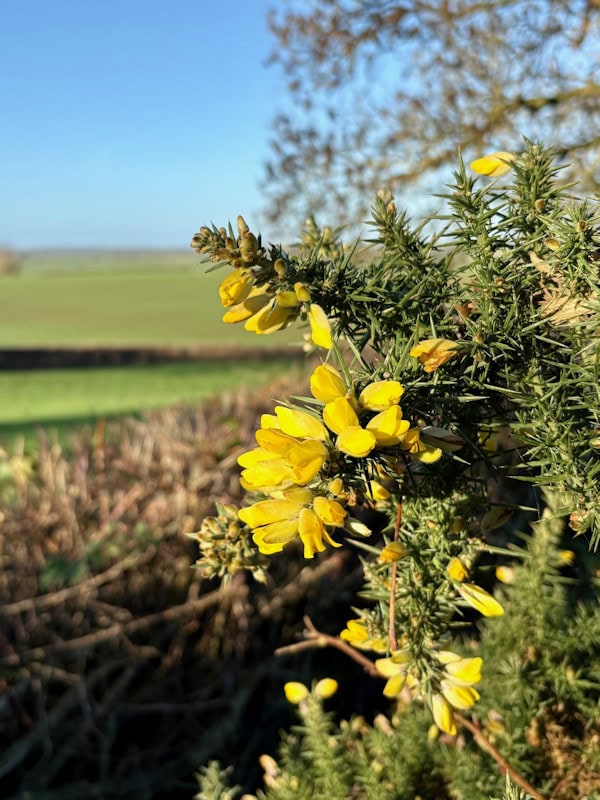
bright yellow flowers on prickly gorse bush.
hope

Jane reports and photographs a little egret at the pond on Lakeside. With the absence of amphibians this time of year, the presence of this bird suggests there may be fish which is a sign of healthy water quality.

 Talking of which… a social media posting informing our community of sewage discharges into a small stream and onto a field off Brington Road led many to have a look at the Anglian Water (AW) website to find that releasing sewage into small streams is a regular and widespread practice allowable by our government. Previously there was an assumption that sewage, and we’re talking raw untreated sewage, was perhaps only going into larger rivers but no, the map covering the AW area shows village treatment plants dumping into even the smallest of streams and at all times of the year as well. Take a look at their website.  It seems, according to the Institute of Sustainability and Environmental Professionals, that AW were recently fined £2.65 million for ‘allowing millions of litres of untreated sewage to overflow into the North Sea’.  Of course, that may have been an accident but when you hear that in 2010 the water companies were given the job of ‘self-monitoring’ it all makes sense. I’d laugh out loud if I wasn’t crying. The Environment Agency, who we would expect to have a control on such things, have been told to turn a blind eye and this and previous governments have decimated their funding and dropped the environmental protection laws making the agency a shadow of its former self.

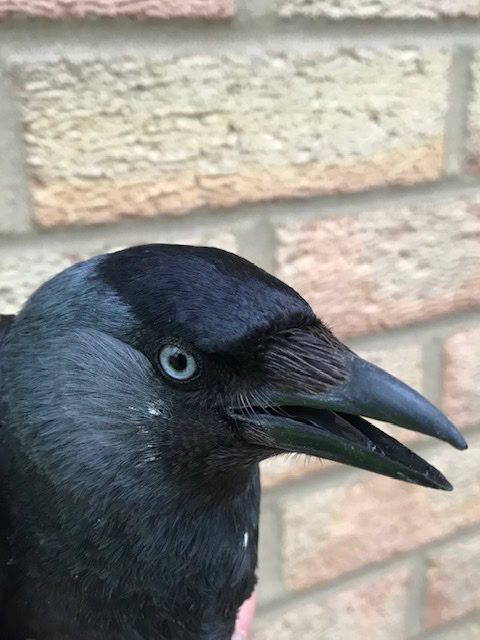
Head of a jackdaw with black feathers, grey around the neck, a pale blue eye and strong grey beak.
Jack
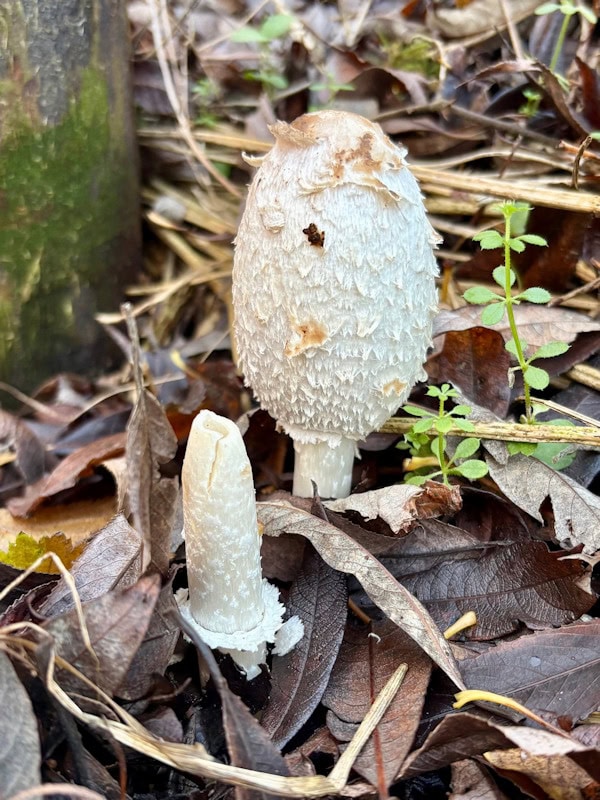
Two creamy white fungi with long narrow tops.
ink-cap

The 10th was again mild, with winter knats, bumblebees and a queen wasp on the wing. Singing goldcrest, song thrush and dunnock, and a pair of jackdaws sitting next to last year’s nest-hole is perhaps a sign of the impending equinox.

The 19th was clear and the sun rose slowly over the park warming the backs of the sheep that lay specifically in the right spot in the meadow to catch the first rays. The birds too were active following yesterday’s constant rain. I had a walk and saw bullfinch, greenfinch, goldfinch, redpoll, double figures of blackbird, redwing, blue tit and great tit, pairs of raven, red kite and buzzard, and a single snipe.

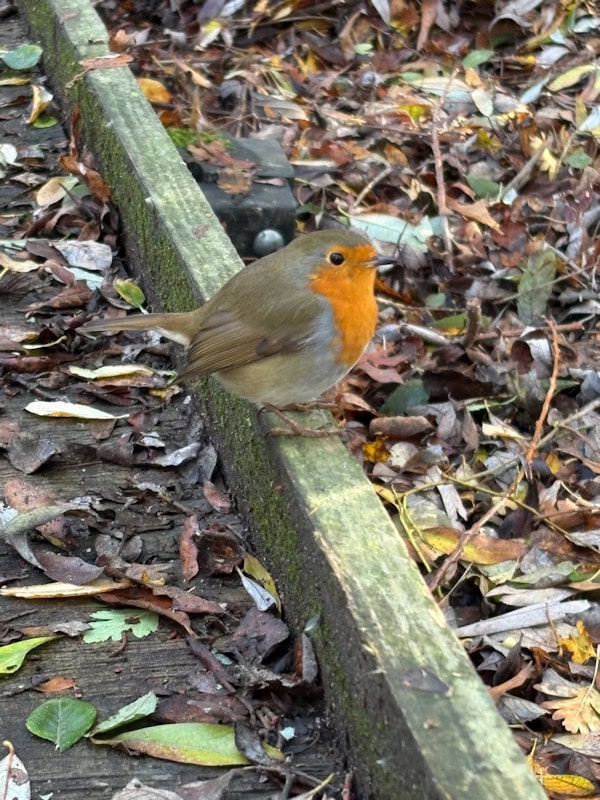
A small brown robin with an orange chest, perched on a piece of wood.
Red-breast
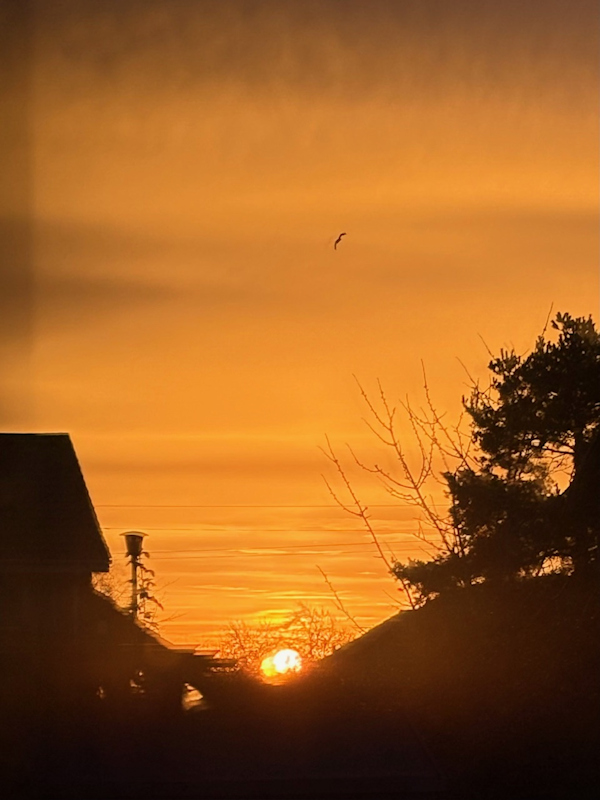
A bird flying over houses in an orange sky, above the setting sun.
solstice sun

21st and the solstice gathering at Mill Park was wonderful. Lots of light, and colour and families and fun. I was in charge of making and guarding the fire and soon remembered how particularly children are fascinated by the flickering flames and can’t resist finding a stick and poking at the burning logs. At one point a green woodpecker circled the site.

Christmas day. I have my sheep around me looking hopeful for a handful of concentrate (sheep ‘nuts’) but hay first. I drag the cubic meter bag filled with hay that was the grass from the meadow we now stand on. Our park volunteers put a lot of effort cutting, raking, turning, piling and storing this precious product and even though the grass beneath our feet looks green at the moment, it does not have the stored energy of the summer in its stems.

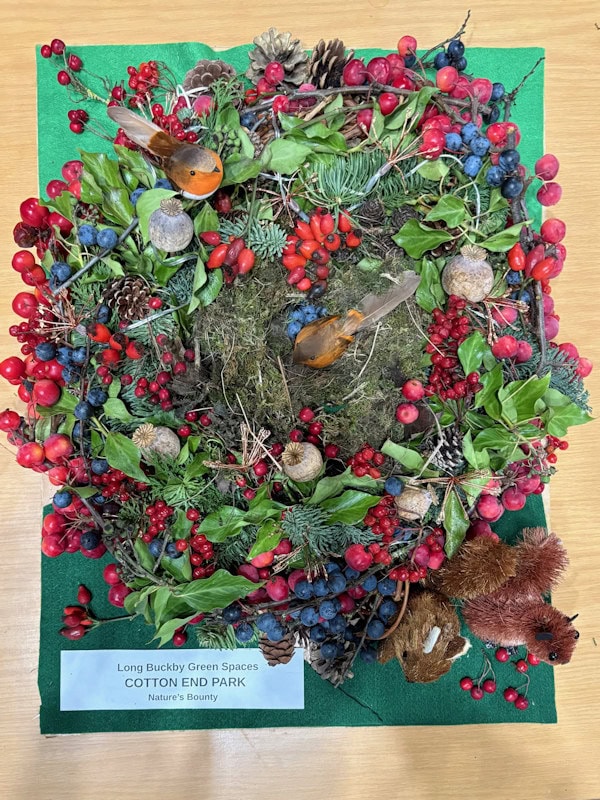
A wreath made of natural materials including ivy leaves, moss and berries with model robins and small mammals. The label shows the title "Nature's Bounty".
CEP Wreath
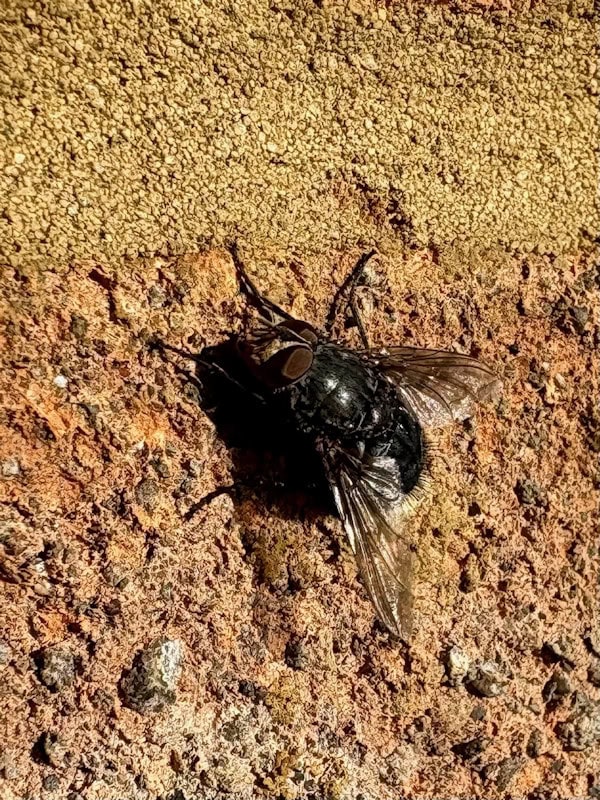
A fly on a brick wall, in bright sunshine.
last warm up

26th The sun shineth again, and like many I want to blow away the cobwebs so go for a walk around Ravensthorpe Reservoir. I’ve been coming here (and nearby Hollowell Res’) since I was a teenager and today see a great and a little egret which in the late 1970’s was unheard off. The low sun beautifully lit the waterfowl and amongst the tufted ducks, a winter-visiting goldeneye was one I hadn’t seen for ages. Add chiffchaff (a wintering summer visitor – the worlds gone mad), nice views of grey and pied wagtails and it was a great day out.

Happy New Year to you all and thanks for your records.

David Green’s weather report.  Max’ temp’ 13.7c on the 9th at 1634h. Min’ –3.4c on the 31st at 0700h. Precipitation, 80mm.

Please keep an eye out for grounded or ill-looking birds and report them.

Do not approach grounded birds.

Please keep your bird feeders clean.
Village Wildlife Diary November 2025

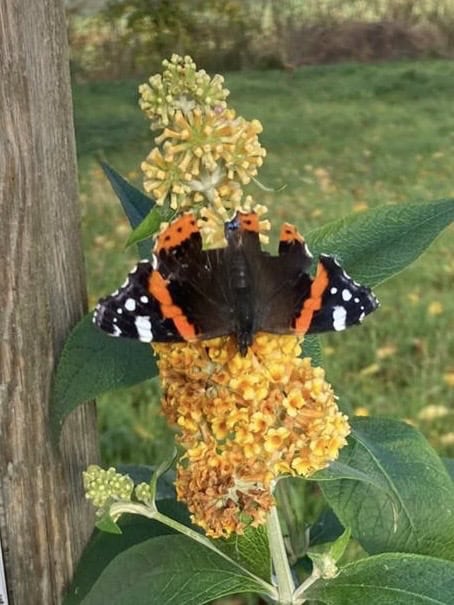
Black, red and white butterfly with tatty looking wings.
November butterfly
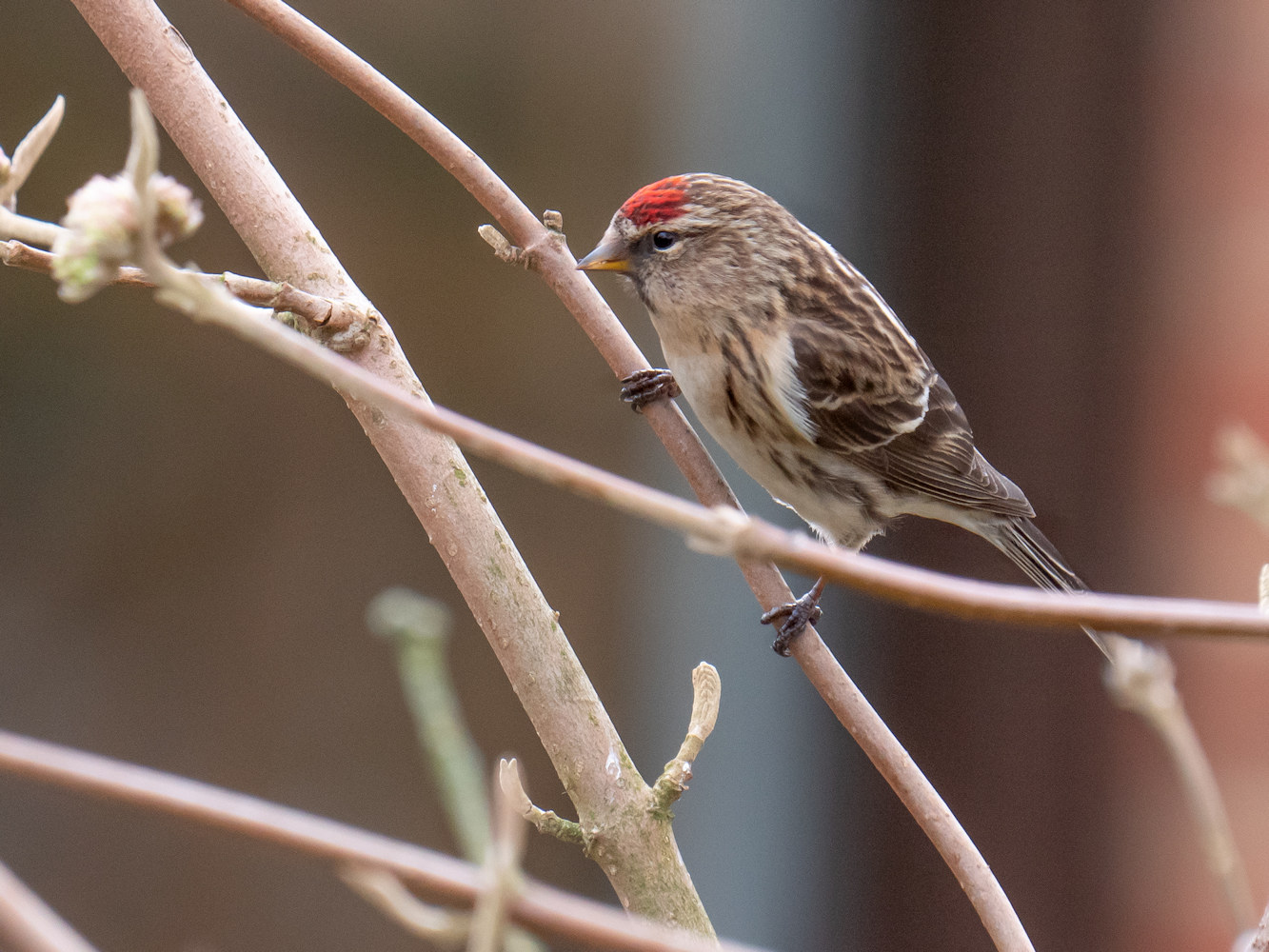
Small, brown and white finch with a red patch on the top of its head at the front.
Redpoll

The first week saw odd days of decent warmth. Cotton End Park had a new arrival chiffchaff, calling away and again good numbers, 50 +, redpoll about. I think last year we had eight recorded at one point so this year is exceptional. Also notable were more goldcrests, a coal tit, several chaffinches and the winter thrushes.

Given the warmth of Sunday 2nd it was perhaps no surprise to see a red admiral about also carder bumblebees and wasps still entering/exiting the nest near the trough, but a real surprise was in the form of a willow emerald damselfly at the pond.

The 6th saw the first day of the local shooting season with 23 pheasants reported ambling along the road at the bottom of The Banks by one bemused resident. Its interesting that the UK is still in the grip of a bird flu epidemic with dozens of poultry farms in neighbouring counties under restrictions having to ‘keep birds inside’ and hundreds of thousands of domestic bird stock around the country (in fact most of Europe) having to be ‘humanely destroyed’ in an attempt to stop the spread, yet the shooting industry has again released tens of millions of game birds into the open countryside.

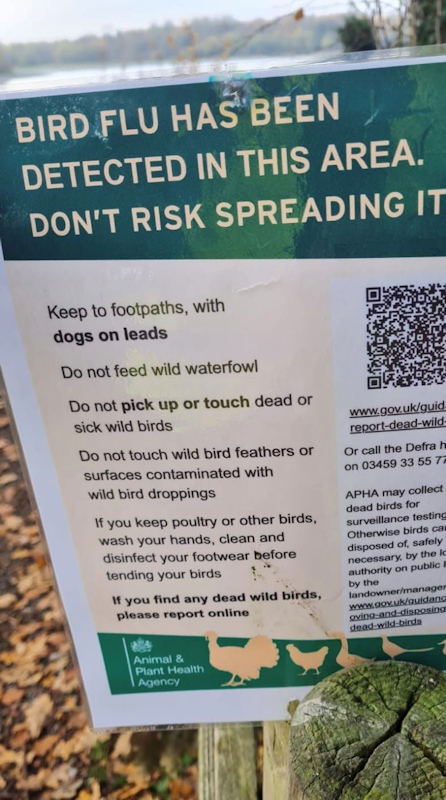
Notice reading BIRD FLU HAS BEEN DETECTED IN THIS AREA. DON'T RISK SPREADING IT. Keep to footpaths, with dogs on leads. Do not feed wild waterfowl. Do not pick up or touch dead or sick wild birds. Do not touch wild bird feathers or surfaces contaminated with wild bird droppings. If you keep poultry or other birds, wash your hands, clean and disinfect your footwear before tending your birds. If you find any dead wild birds, please report online. Animal & Plant Health Agency
take note

Worryingly, bird flu or Highly Pathogenic Avian Influenza continues to wreak havoc across the world affecting domestic bird meat and egg production and wild bird species. The current UK strain H5N1 is bad enough but further strains have been identified abroad (notably H9N2 and H10N3) that are killing mammals including humans with well over a thousand people recorded as dying from the virus so far. Read more on the Government website www.gov.uk or via DEFRA (department for environment, food and rural affairs) and APHA (animal and plant health agency).

My bird watching friends and I have been finding the wild bird victims of many species in all corners of the UK for years now. Recently one counted ten dead mute swans at a local lake. It seems swans, geese and ducks are more vulnerable but maybe they are just easier to see than species that frequent woodland and the inaccessible countryside. And of course, many weak or dying birds are easier to predate thus removing the evidence.

I was in Norfolk recently at one the top wildlife reserves in the country. I happen to know one of the assistant wardens who told me that every evening after the visitors leave, they go out in hazmat gear and collect the corpses of dozens of swans, geese, ducks, waders, even herons and egrets all victims of this virus.  Arguably it is impossible to stop the spread of this virus when millions of these wild birds are migrating halfway around the world at any one time but surely releasing millions of game birds every year without any risk assessment is madness.

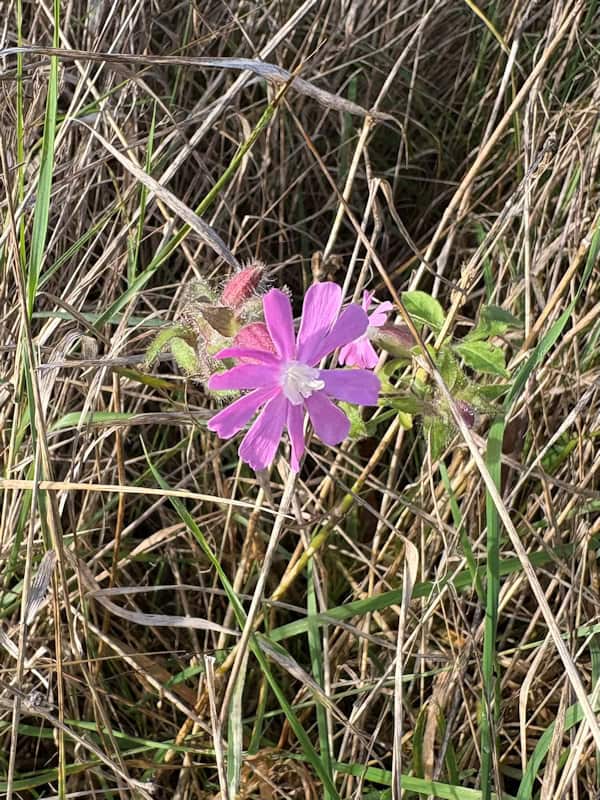
Pink flower with long, narrow petals surrounded by dry looking grass.
November bloom
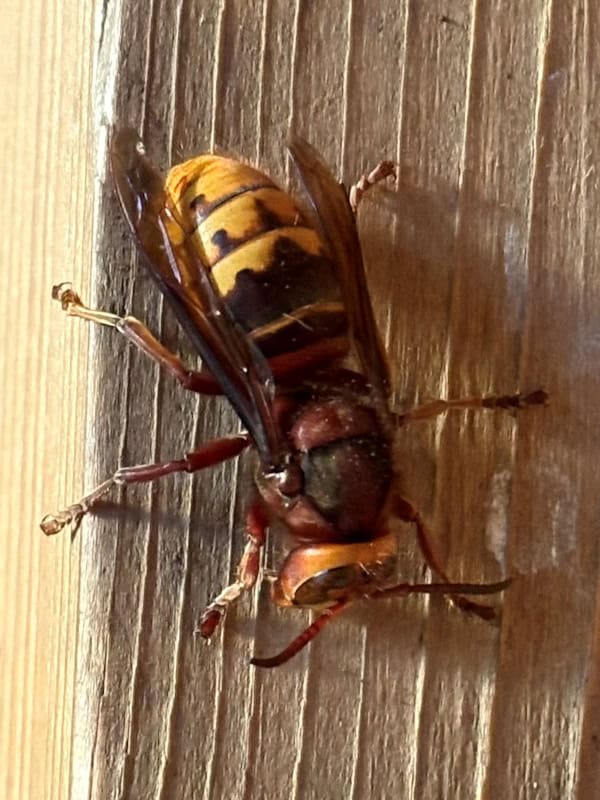
Black / dark brown and yellow striped wasp
Sleepy queen

The big full moon (The Woodcock Moon) brought in three woodcock to the park along with more thrushes and finches.  The chiffchaff (surely the last of the summer visitors, or did I say that last time…) noted on the 8th also reed bunting and yellowhammer.

David reports four roe deer and a snipe from the footpath to Whilton and another woodcock reported on the 28th. The burst of bird song has been reported/noted from blackbird, song thrush, dunnock, wren and more regularly robin.

David Green’s weather report. No Max’ temp’ recorded. Min’ -3.7c on the 26th at 0734h. Precipitation,130.2mm.

Please keep an eye out for grounded or ill-looking birds and report them. Do not approach them. Please keep your bird feeders clean.