Village Wildlife Diary April 2026

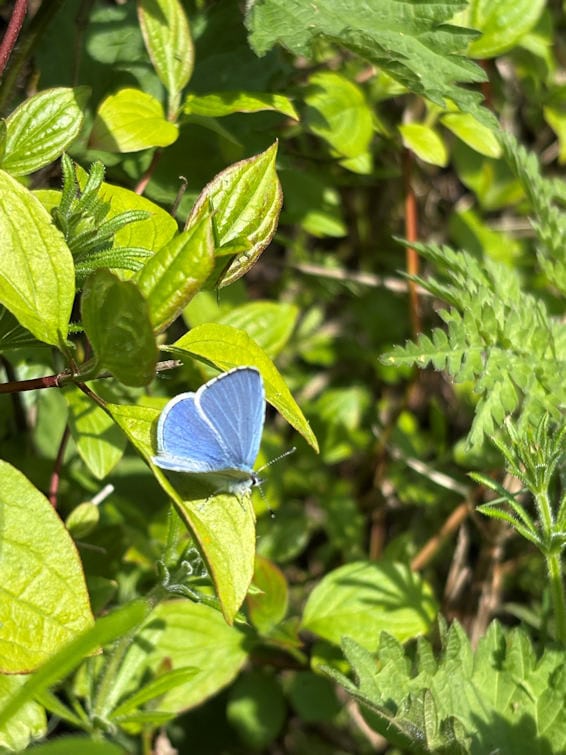
A small, blue butterfly with white edges to its wings.
Holly blue
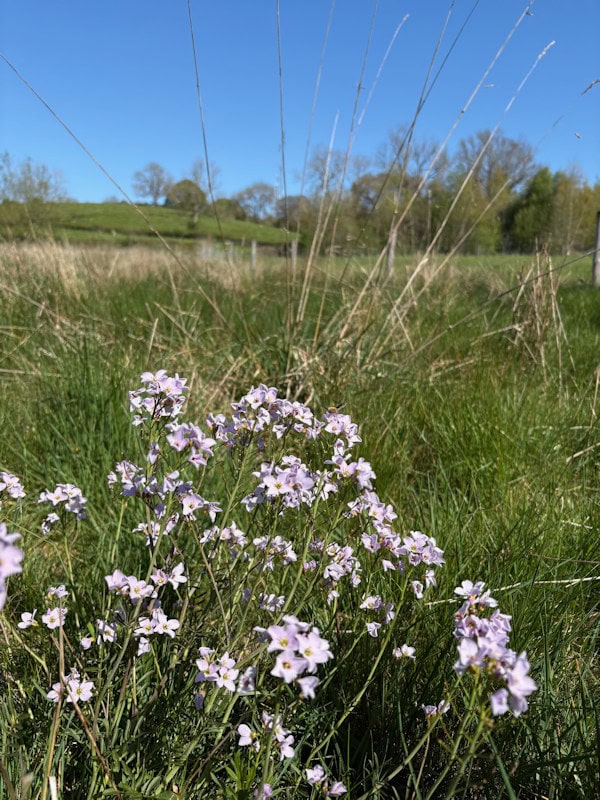
A clump of plants with numerous pale purple flowers.
Ladies smock

A month of firsts and lasts, and movement, north to south, south to north, any many variations on that. 300+ fieldfares in the paddocks in and around Cotton End Park are making their way north and east to Scandinavia.  I will see them again when I’m assisting at a bird observatory in Arctic Norway later this year.

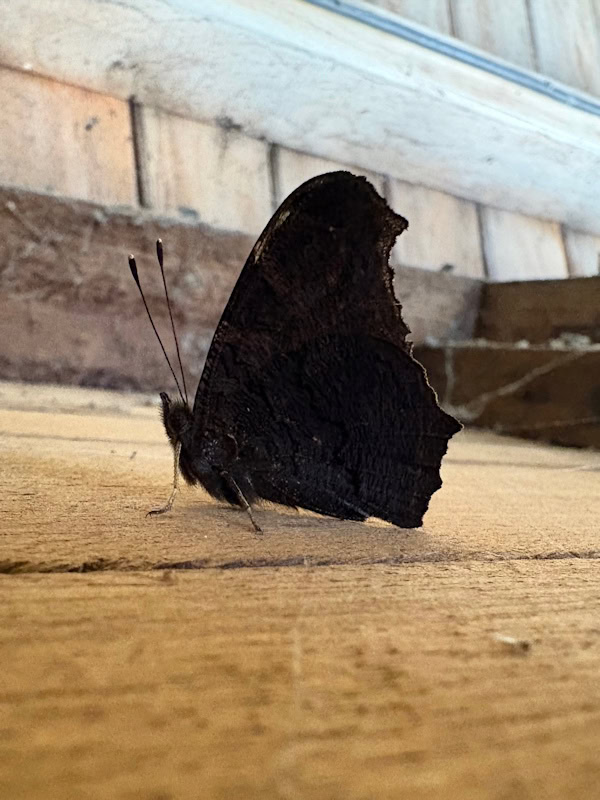
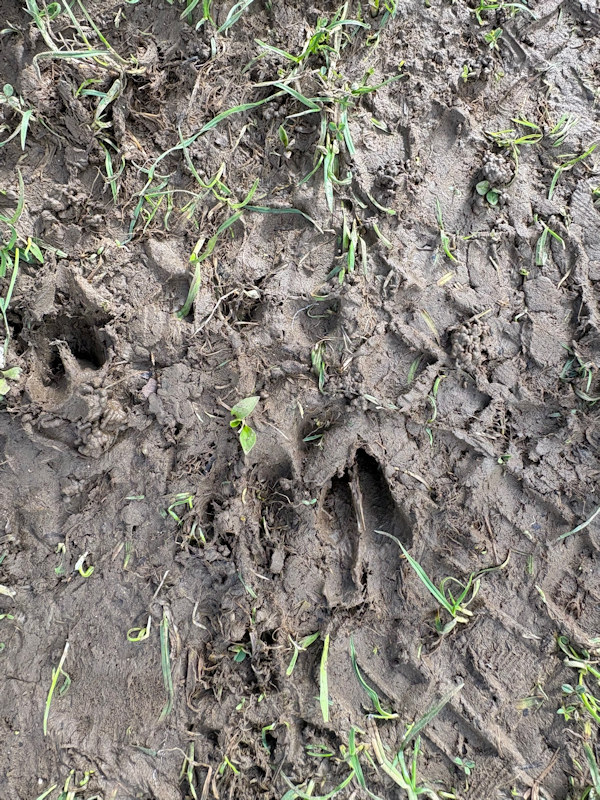
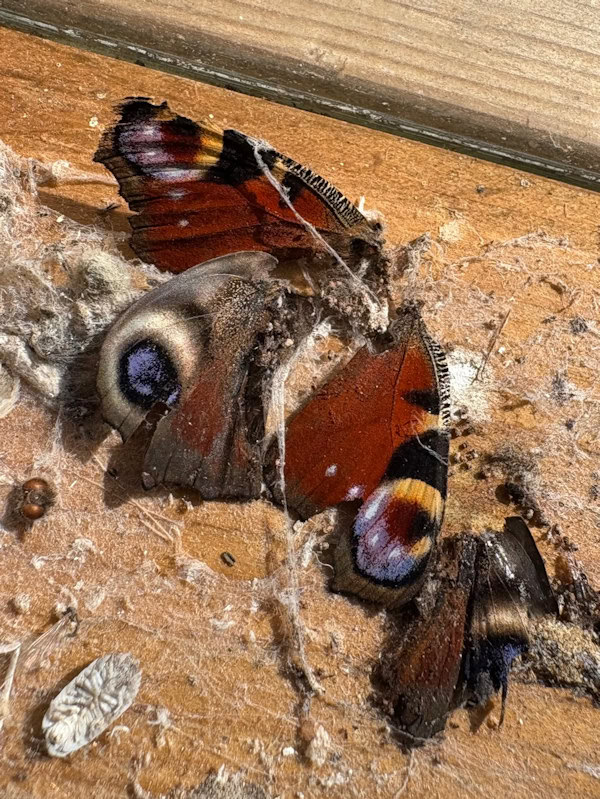
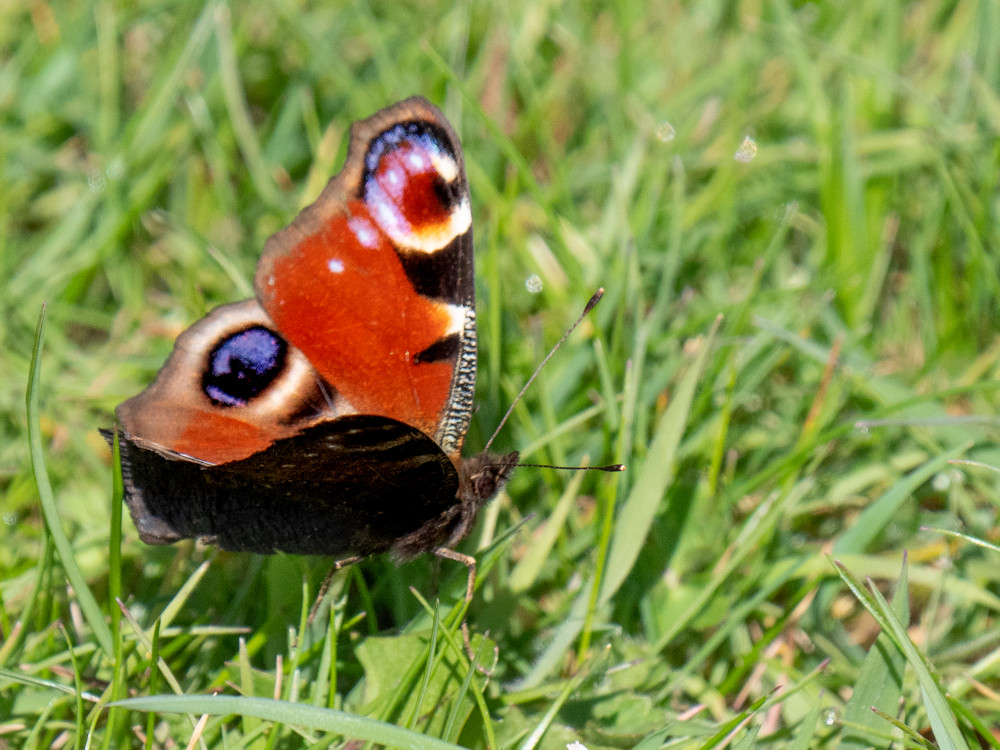
Our birds are now singing, displaying and pairing, making them more obvious for those keen on seeing them, predators and birdwatchers alike. Four yellowhammer, 3 linnet, pied wagtail and skylark are noted off Foxhill Road, with fieldfare, mistle and song thrushes, blackbird and greenfinch off Lodge Lane. The delicate ladie’s smock is in flower on the 4th, David reports the first swallow on the 6th and we see an orange-tip, brimstone, comma and peacock at the Mill Park Easter Fayre. At CEP toads spawn is noted and we think a pesky Muntjac has eaten the flower heads of off the Fritillaria!
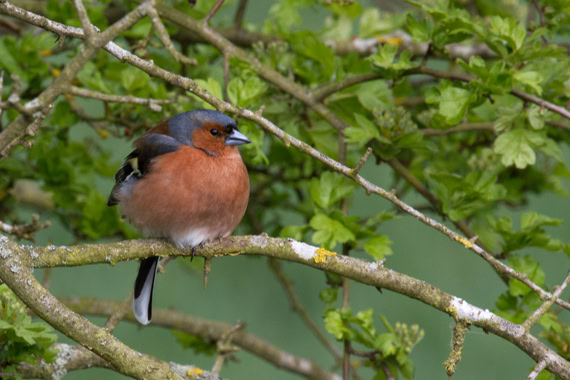
A small bird with an orange-brown chest, grey top to its head and stubby beak.
Chaffinch
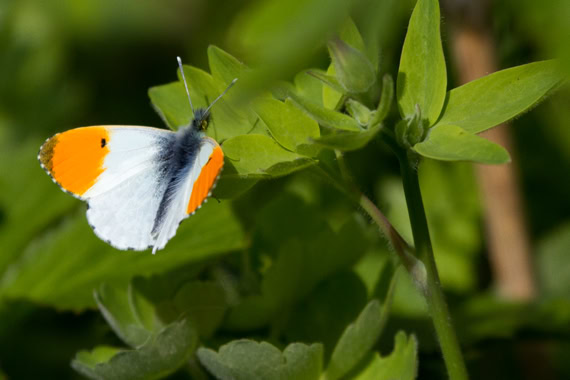
A small butterfly whose white wings have bright orange tips.
Orange-tip

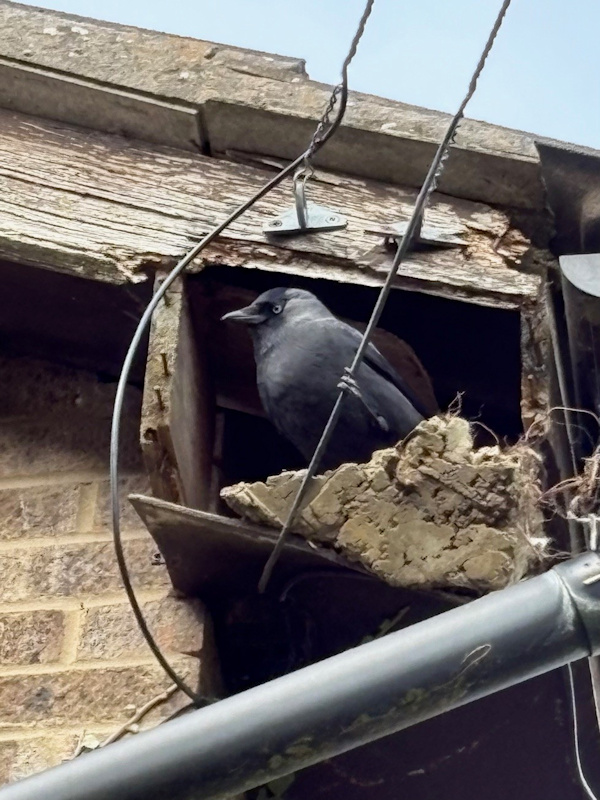
7th April, three male blackcaps are singing beautifully in the sun, drowning out the monotonous chiffchaffs at CEP. There are also chaffinch, reed bunting, linnet and jay there. On Lodge Lane a ‘black’ backed – lesser black-backed gull is noted on the sheep pasture. I comment because ‘our’ LBG’s are actually more of a slate-grey colouring and the blacker birds tend to come from (and is going to ?) Scandinavia/The Baltic. Chris reports the first holly blue butterfly and the first house martin.  

13th April, Sue reports orange-tip from Lakeside and Cath two swallows from Brington Road, and brimstone and orange-tip from Wright Road.
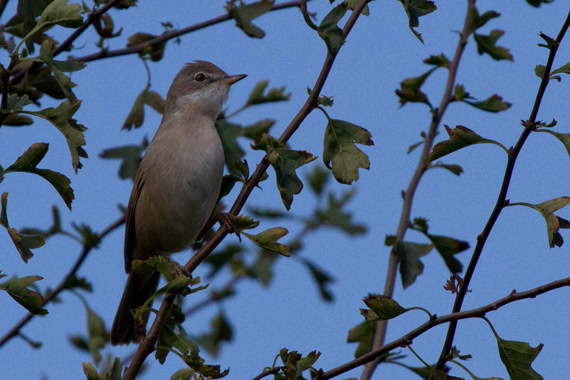
A small brown bird perched in a hedge.
Whitethroat
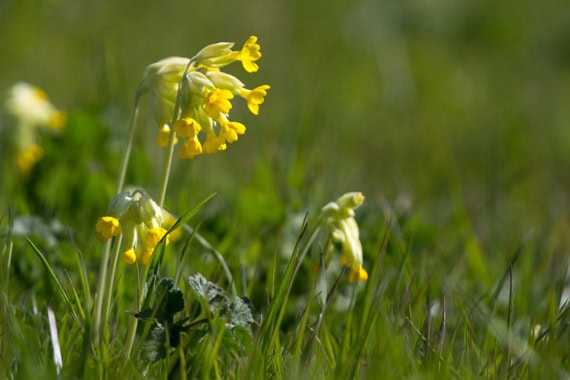
Small plants with clusters of long, yellow flowers.
Cowslip

The 22nd is glorious. CEP has three swallows skimming the ponds, and the trees and hedges are bursting with the songs of five species of summer migrant warblers. 4 blackcap, 2 chiffchaff, 3 whitethroat, 1 willow warbler and 1 lesser whitethroat. As the morning warms the butterflies make a show with 8 orange-tips, 2 peacock, 4 holly blue, 3 green-veined white, 2 brimstone, 1 large white, and 1 speckled wood.

This collection of singers were still present when I wrote this (2nd May). A brief male redstart there on the 26th, house martins, in perhaps their last breeding colony in the village – Holyoake, reported by Emma, and singing redpoll noted. Adam and Daniel have seen juvenile robins, red admiral is added to the butterfly list, the first 3 swifts are seen over the junior school on the 30th, and I add garden warbler to the CEP warbler list.
Check out the low precipitation figure for April! Is that a record low?

Look out for the ‘Long Buckby Nature & Wildlife’ group postings on Fb.

David Green’s weather report.

Max’ temp’ 24.4c on the 25th at 1734h. Min’ –2.0c on the 6th at 0520h. Precipitation, 9.2mm.

Please keep an eye out for grounded or ill-looking birds and report them.
Do not approach grounded birds.
Please keep your bird feeders clean.
Village Wildlife Diary March 2026

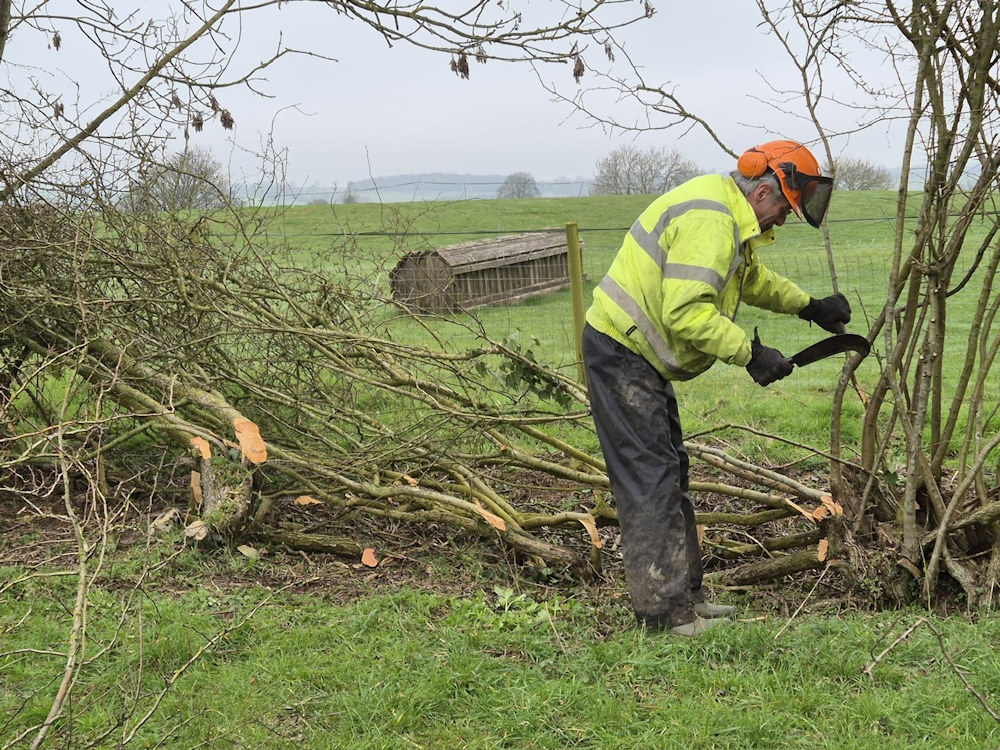
I’ve been in discussion for some time with the volunteers at Crab Tree Pit Pocket Park at Ravensthorpe about working together, and this culminates in me holding a hedge-laying session at their park. A handful of enthusiastic assistants helped over two days, and with great satisfaction we laid at least a chain of perhaps over-mature hawthorn. This park was part of the old DDC Pocket Park network as was our very own Mill Park Reserve (formerly Murcott Pocket Park) and both have thankfully continued with volunteers and Parish Councils assisting to provide excellent local green spaces.

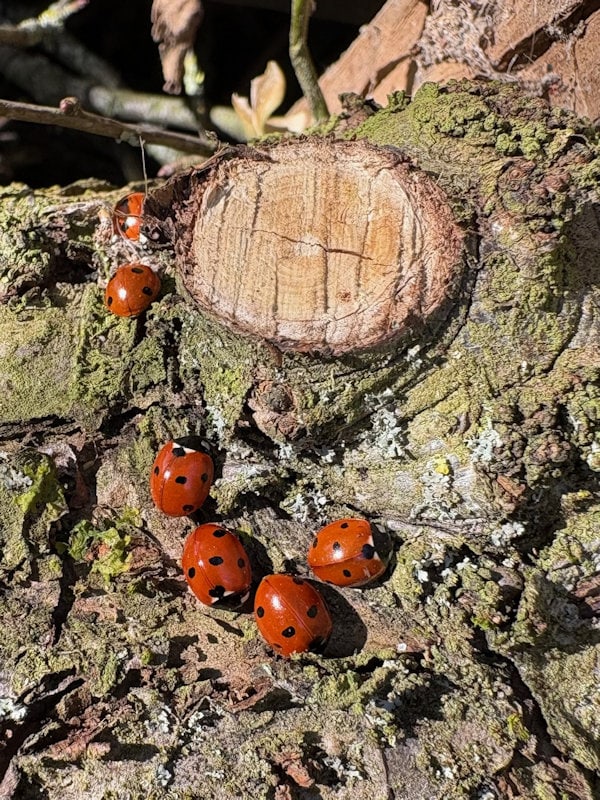
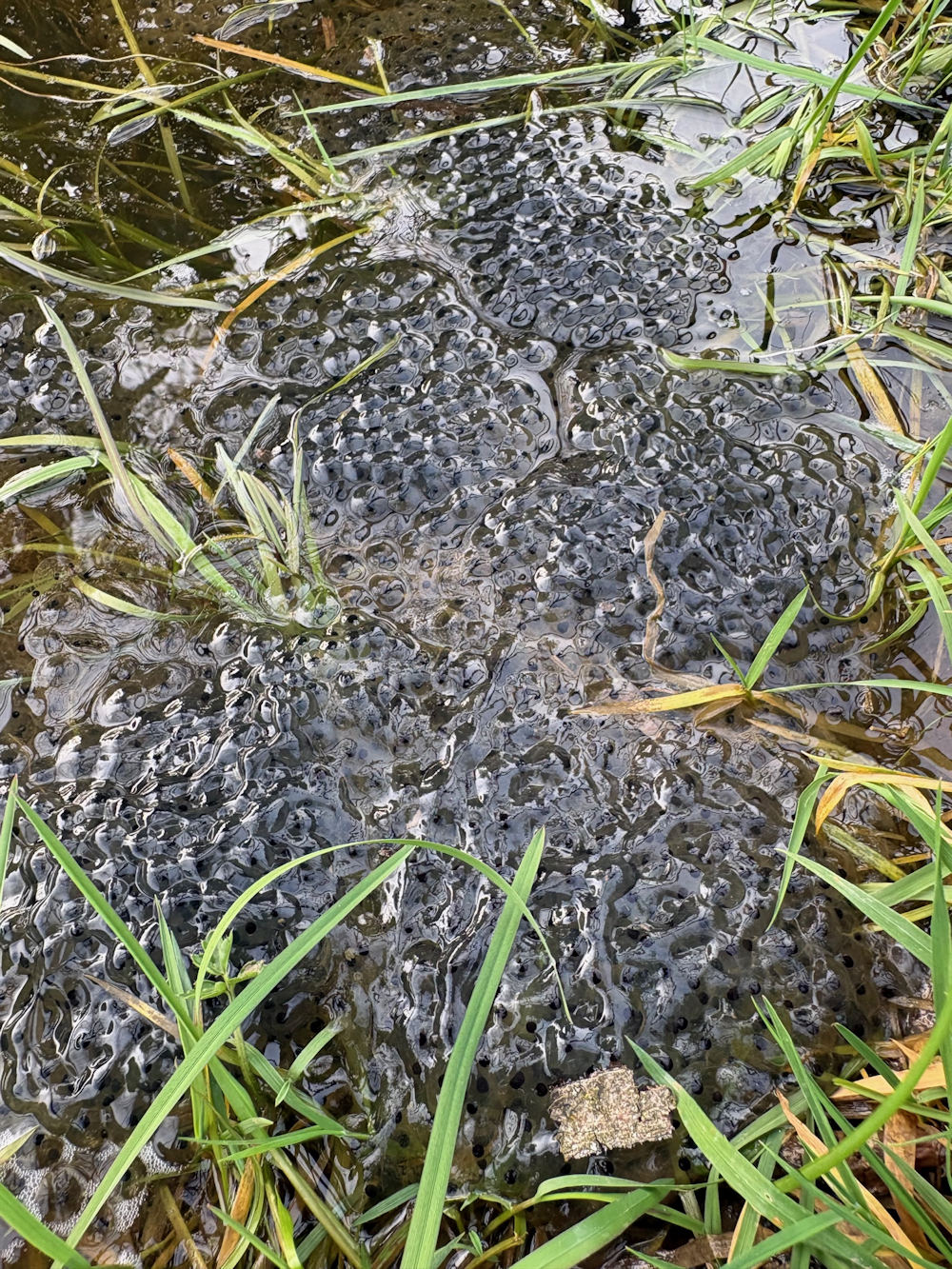
 The first week of March saw a couple of warm days with peacock and brimstone butterflies and good numbers of ladybirds and bumblebees reported by Mike, Sue, Richard and Dave. The 5th was a step towards spring with 20+ frogspawn clumps discovered at Cotton End Park as well as a singing chiffchaff fresh in from wintering in Africa/southern Europe. Norman reports singing greenfinch and chaffinch from the wild area at the top of Stenhouse Close and Sue, a peregrine from over Lakeside. An amazing sight of great and little egrets together noted on Bridge House Farm Lake as well as mallard and teal there. Emma sees green and great-spotted woodpeckers at Lodge Park Farm also frogspawn there, plus treecreeper, blackcap and an egret at Mill Park.

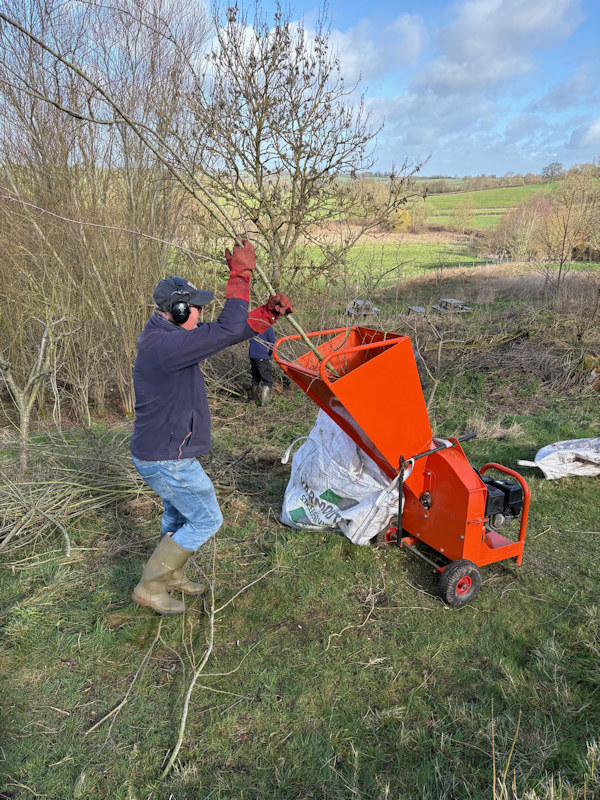
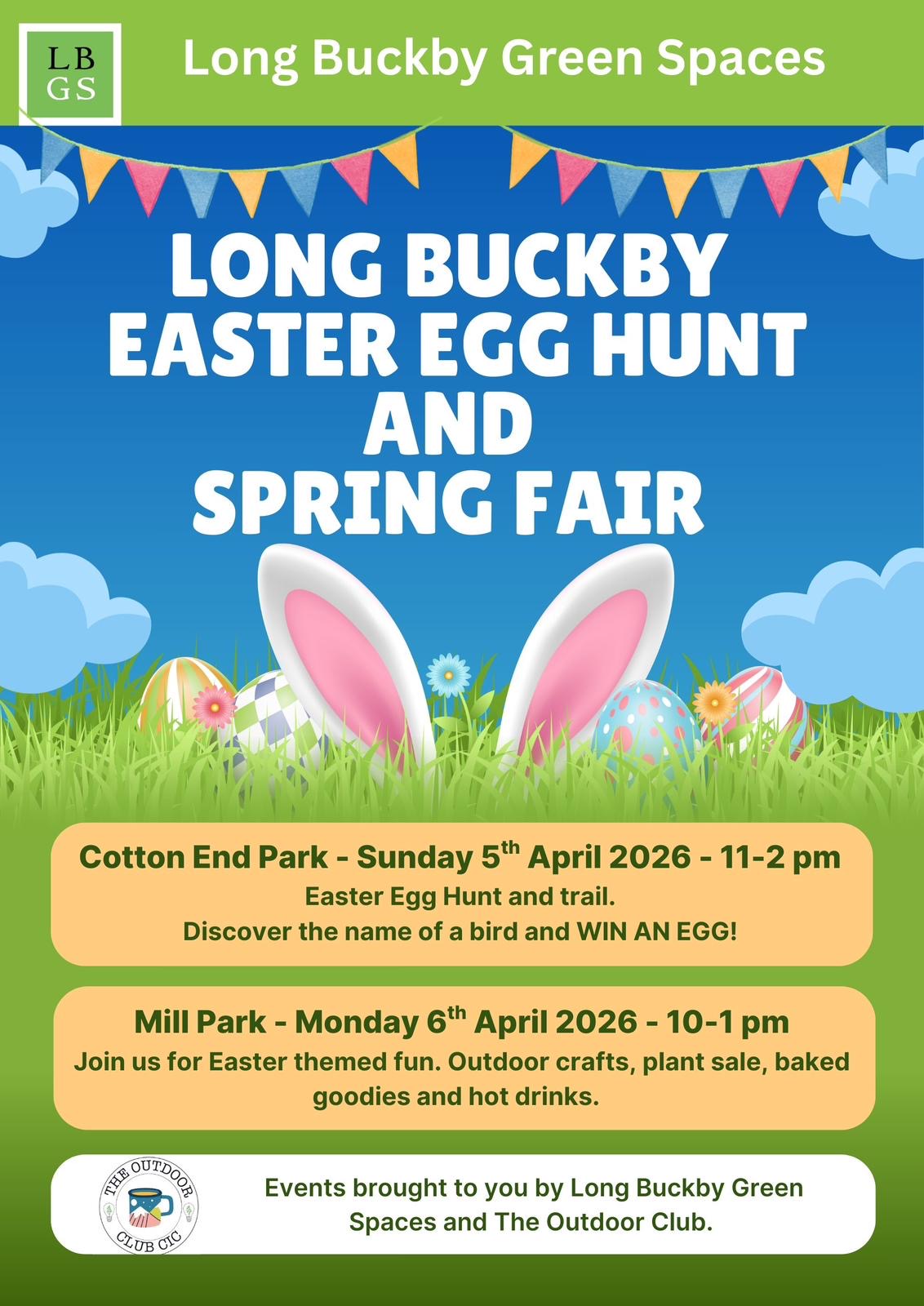
Mid-month and Brian is out assisting amphibians out of harm’s way, reporting movement since February, and a common toad death having fallen in a drain. He also heard barn owl on two occasions. Greenfinch, collared doves and sparrowhawk reported displaying, also starlings and jackdaws pairing up. More butterfly reports with comma added. Skylark and Goldfinch reported and two female blackbirds were observed fighting over a two-day period. At CEP we hire a wood-chipper and chip pruning off-cuts to scatter on the muddy tracks around the route of the Easter Egg Hunt, which will be held on Easter Sunday.

David saw bats on the evening of the 18th, a bee-fly was noted on the 20th, as was a pair of Redpoll on feeders at The Wharf by Alan and Carol. Richard had a ring-necked parakeet on his bird feeder on the 22nd, and Malc and Adam saw a snipe at CEP. Flowering Fritillaria are a welcome sight there as were flowering cowslips.

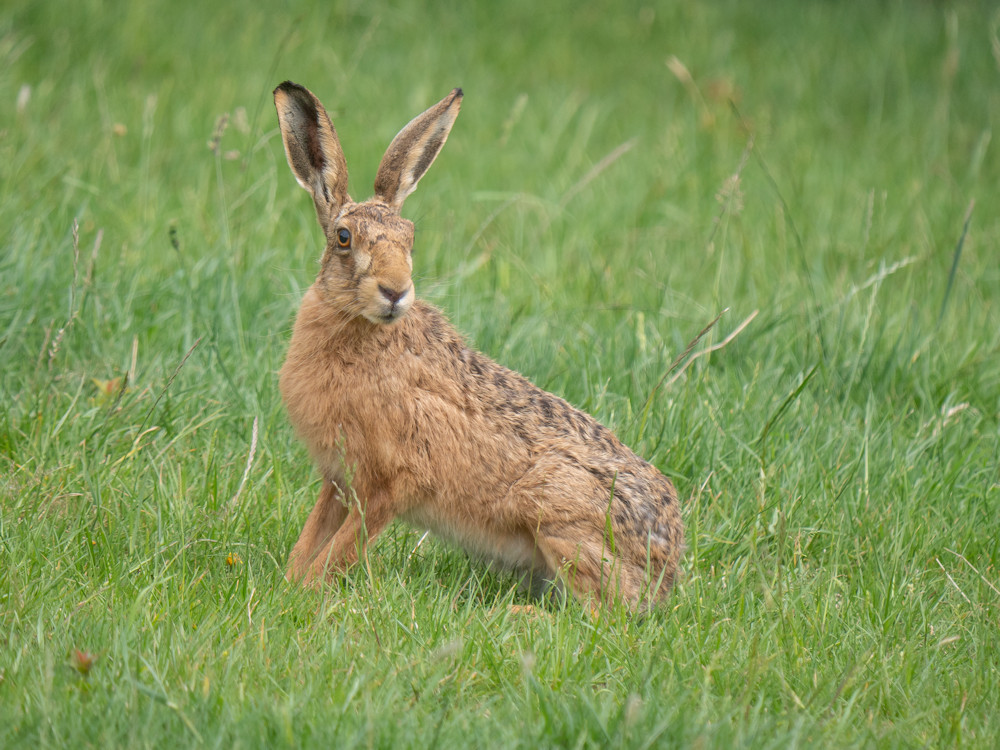
The last week saw mixed weather and temperatures with hares reported off Cotton End and Patford Bridge with a blackcap being heard at the latter. A flock of thirty fieldfares in fine summer plumage were on the sheep paddocks on Lodge Lane with fly-over meadow pipits, siskins and singing skylarks also noted.

Finally, may I ask … Are we still a village? It’s up for debate, well perhaps a dictate. It seems that some of the lords of this parish want to add at least 1000 houses to our settlement. They’ve seen other local landowners cashing in over recent years and nothing has stopped them, so why not? Medieval feudalism plunders on. Land is power, influence and wealth.

And to a degree I don’t blame them. Why farm when the mechanics, politics and economy of farming and food production is so screwed up?

But what about us poor peasants? Well, we’re not needed, we have no rights or influence no matter how much we care or how we vote. And time and again we have no choice, we will accept the degradation of our lives and our future happiness, and the lords will carry on lording.

Look out for the ‘Long Buckby Nature & Wildlife’ group postings on Facebook.

David Green’s weather report.

 Max’ temp’ 19.5c on the 20th at 1432h. Min’ –2.1c on the 22nd at 0536h. Precipitation, 21.6mm.

Please keep an eye out for grounded or ill-looking birds and report them.
Do not approach grounded birds.
Please keep your bird feeders clean.
Village Wildlife Diary February 2026

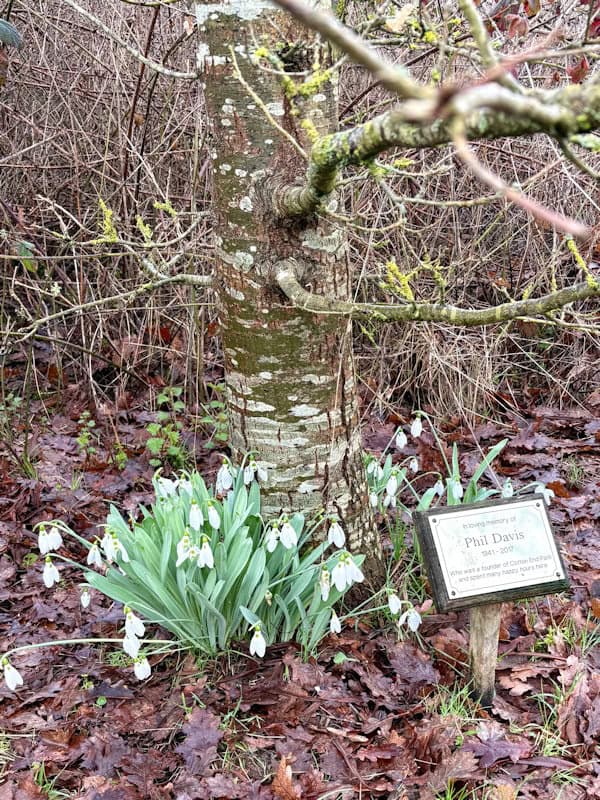
Snowdrops at the foot of a tree with a metal plaque reading "In loving memory of Phil Davis 1941 - 2017 who was a founder of Cotton End Park and spent many happy hours here.
remembering Phil
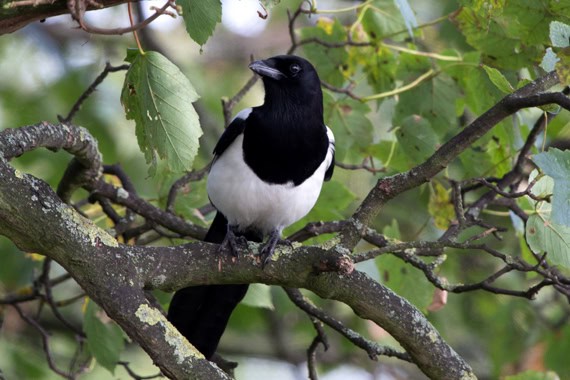
Black and white bird with sharp beak.
Magpie

It was sadly predictable that the newly fenced paths behind Church Farm would become impassable. It’s easy to put up fences and restrict people to a footpath but it’s painfully obvious that doing that will concentrate the footfall and destroy the turf leaving an unsafe quagmire. This has happened before in the village several times. The law requires that a public footpath is maintained and safe to use and it just needs some wood-chippings applied to sort it. Come on…. do the right thing for your community!

3rd of February, at our Junior School, Emma and Mrs Newbury are implementing the RSPB Big Schools’ Birdwatch 2026, and I’m invited along. All the pupils are taking part and are prepared with winter clothing, clipboards and a few pairs of binoculars. We explore the school grounds recording all the species we see (which included black-headed gull, red kite, chaffinch, starling, magpie, collared dove, pied wagtail and robin). It’s  great fun and a joy to see such engagement on such a cold day. Emma and I deposited the results with the RSPB and received some wonderful feedback from the LBJS staff and pupils. 

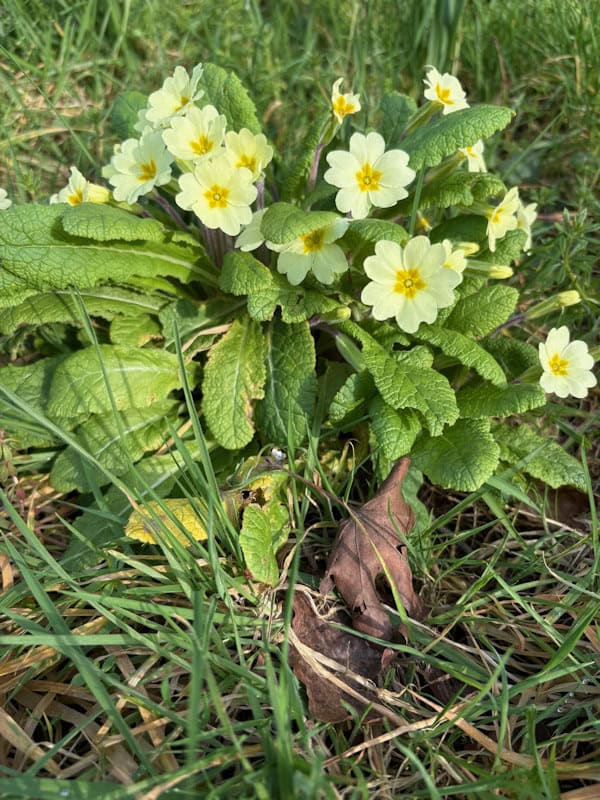
A clump of pale yellow flowers
True Primula

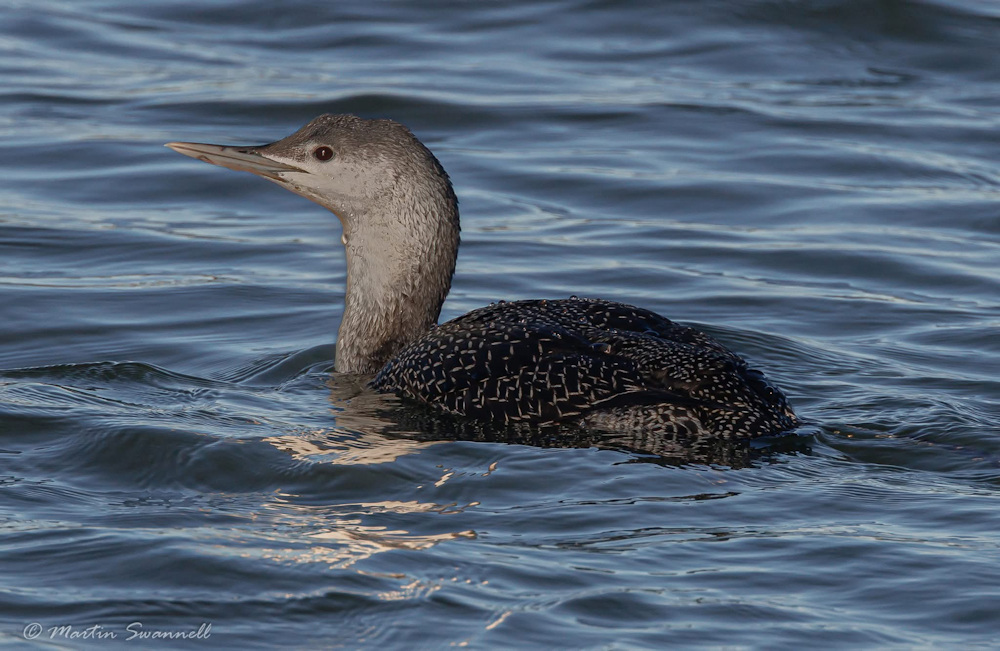
12th Feb, many of the aforementioned black-headed gulls are beginning to acquire a few black feathers around their heads and will soon start to leave the village sports fields, where they have spent the winter, and head back to their breeding grounds. At nearby Ravensthorpe Reservoir, a rare red-throated diver has been seen. Looking like a large grebe/duck/cormorant they usually winter at sea and breed on remote lochs and tundra bog.

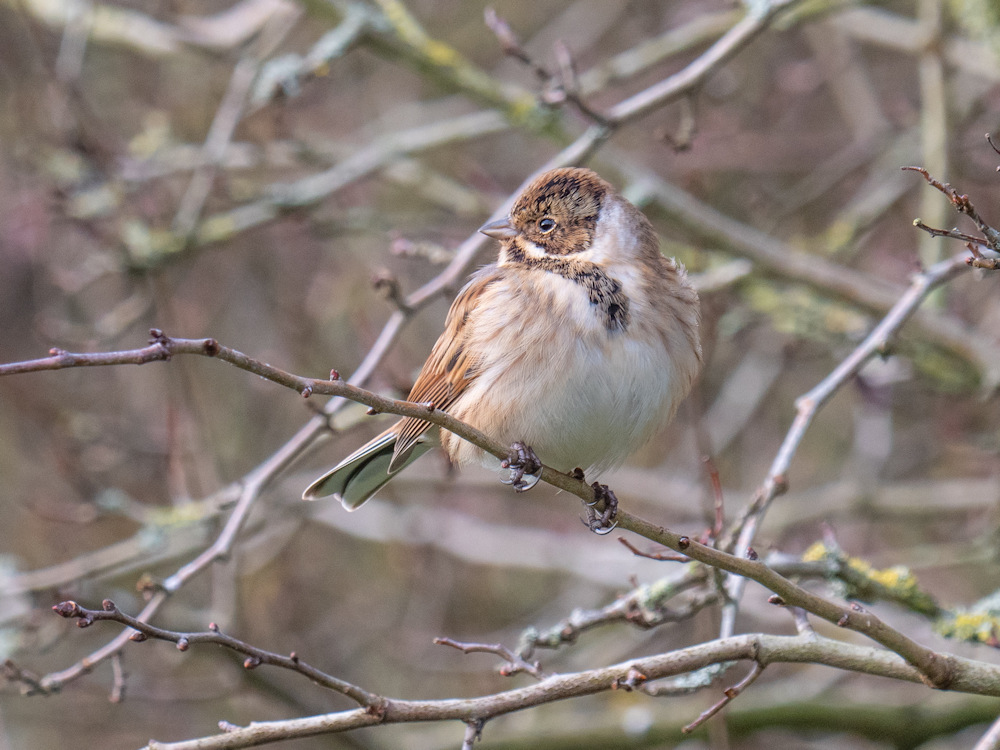
14th, and we have singing male reed buntings back at CEP. Often two or more will want the territory for nesting but they end up fighting it out usually resulting in one breeding pair. There are also two yellowhammers about, again after quite an absence. We also see grey wagtail, meadow pipit and goldcrest.

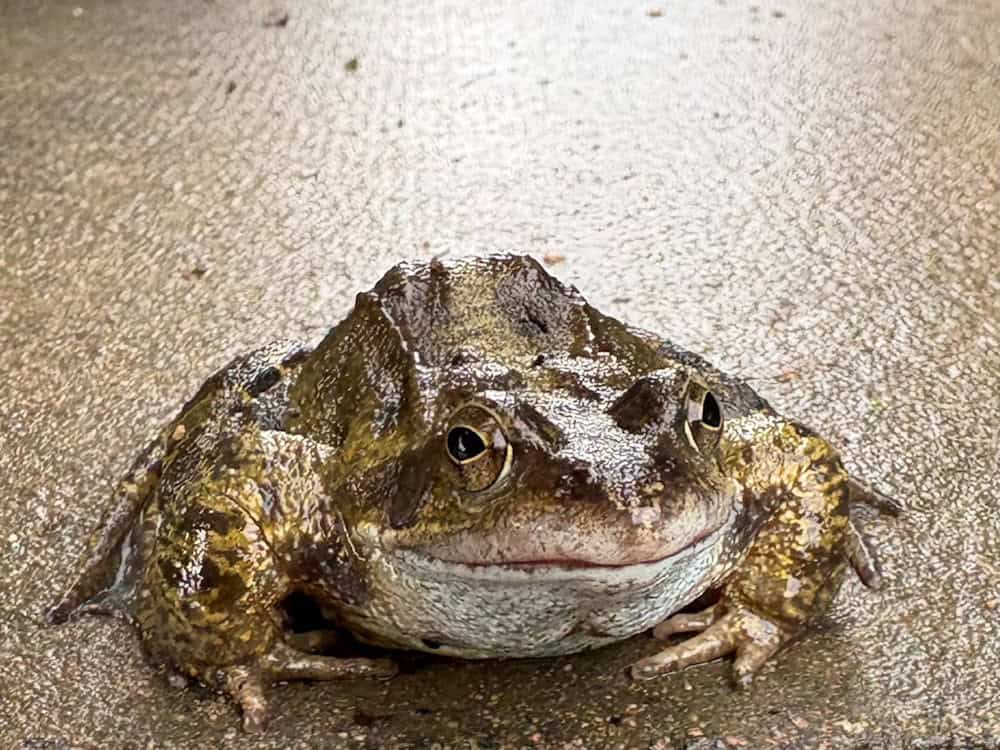
21st, a large female frog is staring at me from the path. She’s not perturbed by my strained utterances as I attempt a ‘phone-photo’.

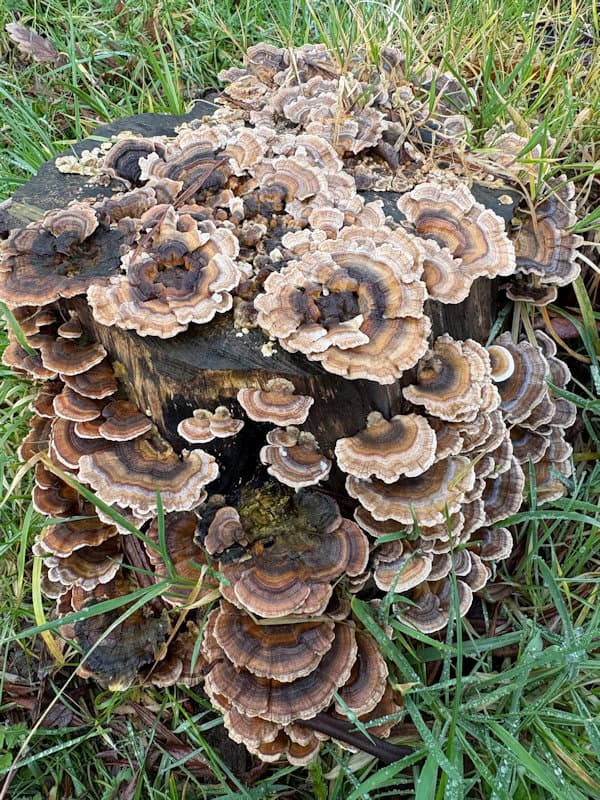
Striped dark and brown fuguns on a tree stump.
stump decor

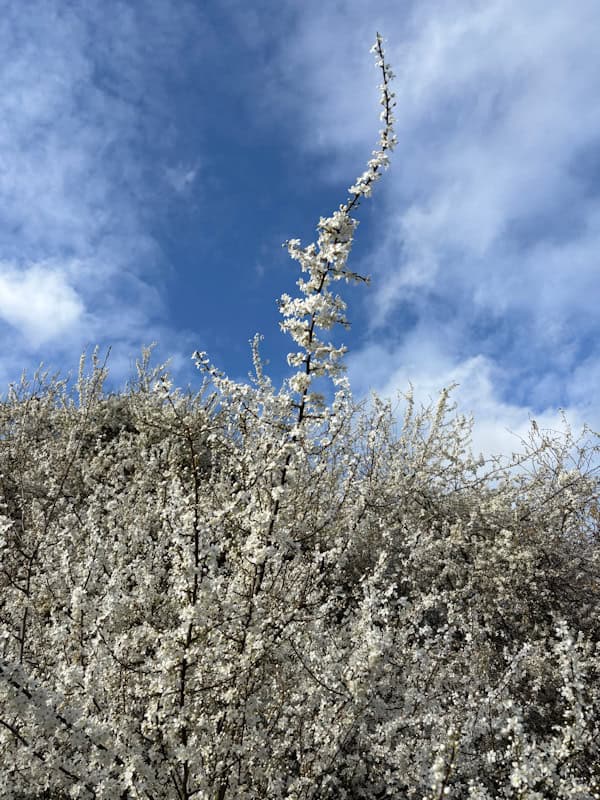
25th, there’s a great yellow ball in the sky emitting a gentle warmth. I google it and it says it’s the sun. The birds are singing, the flowers blooming and then I see a peacock butterfly. Cath and Diana report queen bumblebees and Emma a white butterfly caterpillar and a kestrel. The various prunus around the parish are blossoming and some are already dropping their petals. Mike York and Richard from The Goat report the first Brimstone butterfly of the year.

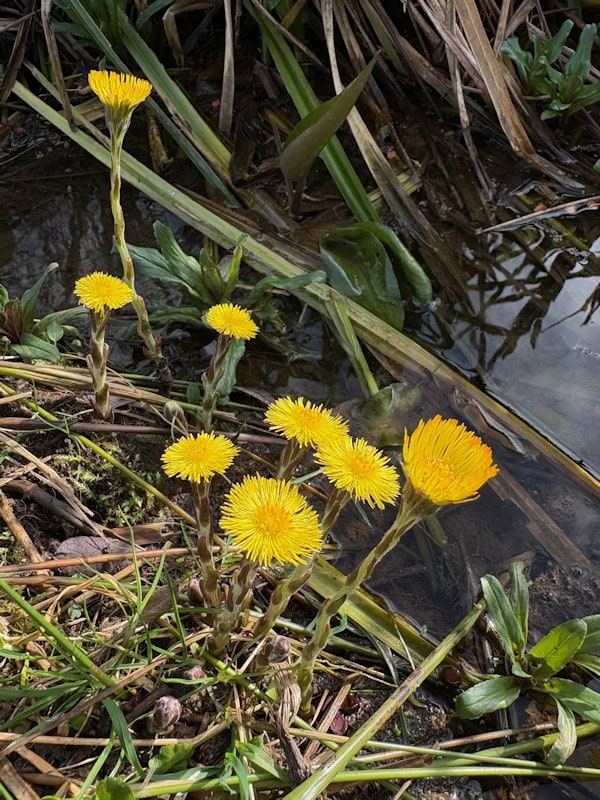
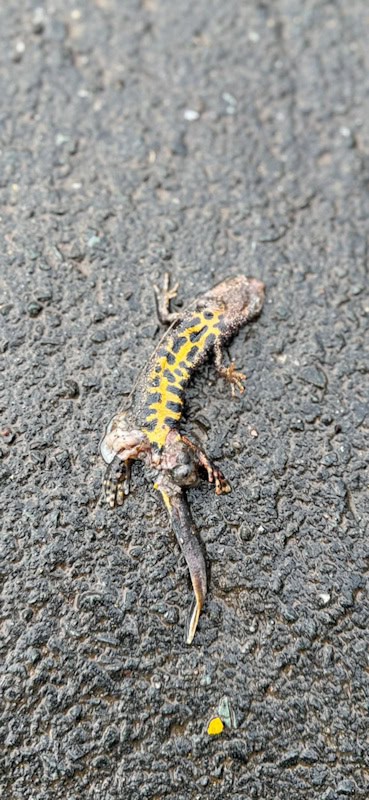
27th February, there are a couple of marsh marigold flowers in bloom at Mill Park and Cotton End Park, as well as several colts foot, primrose and daffodils. The snowdrops are going over leaving just the green-grey explosion of spiky leaves. Cath sees two pairs of yellowhammer off Wright Road. Doug sends me a photo of a roadkill great-crested newt. It was near Applegarth and may have been on its way back up to the pond at the end there. This pond was once the only breeding place for these rare amphibians in the parish. Talking of roadkill, it is with great sadness that I report the demise of the white male pheasant that has been haunting Cotton End over the winter. A big patch of squashed white feathers on East Street is his last resting place.

Yellow flowers with many long thin petals on the edge of some water.
Colts Foot
Squashed yellow and black newt on tarmac.
road kill
Shrub with a multitude of white blossom.
Prunus

28th Feb, more sun, goodness.. I see two snipe at CEP. They’ve spent the winter with us but will soon disappear somewhere to breed. I say somewhere as I’m not sure whether they go off to the continent or Wales, Scotland or just Leicestershire. There are many bird species singing now and I am gladdened to know that within two weeks the first incoming summer migrant birds will be arriving.

Take a look at the ‘Long Buckby Nature & Wildlife’ group postings on Fb.

David Green’s weather report.

 Max’ temp’ 16.1c on the 25th at 1355h. Min’ –1.8c on the 14th at 0755h. Precipitation, 94.4mm.

Please keep an eye out for grounded or ill-looking birds and report them.

Do not approach grounded birds.

Please keep your bird feeders clean.