Village Wildlife Diary July 2026

Sun, sun, sun, wow! High temperatures and official heatwaves are becoming par for the course. And of course, its not long before everyone’s moaning about it.

When it comes to seasons, weather, temperatures and rainfall for example, every year is subtly different, and our flora and fauna reacts to suit. There are always winners and losers to short term conditions, as well as long term trends. Anyway, I’m loving the flowers and butterflies of this summer so far.

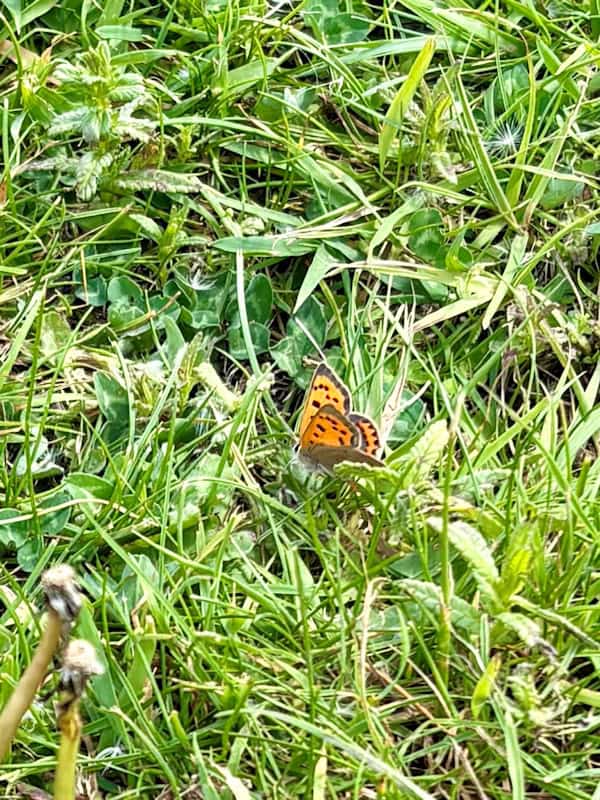
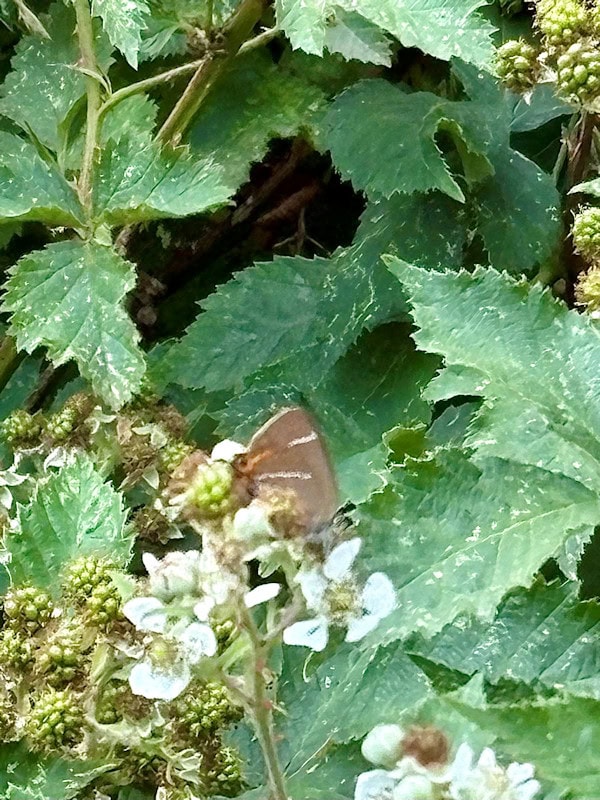
Common blue, holly blue, small copper, large skipper, small skipper, Essex skipper, large white, green-veined white, small white, peacock, red admiral, painted lady, comma, small tortoiseshell, meadow brown, marbled white, ringlet and gatekeeper all seen at Cotton End Park over about an hour on the morning of the 1st of July. A while later I’m mowing the public footpath at the bottom of Foxhill Road and see a white-letter hairstreak on some untouched bramble. And to add to the fun, Howard spots a purple hairstreak at Mill Park Reserve in the afternoon!
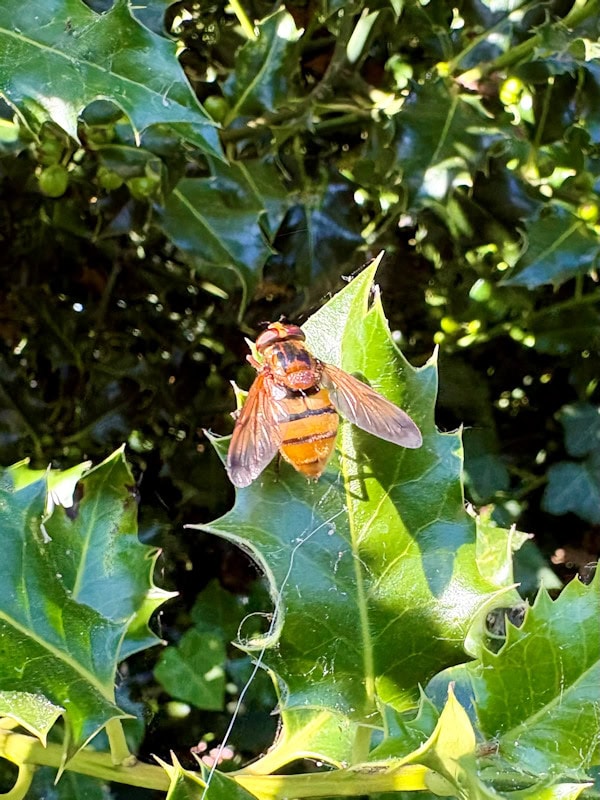
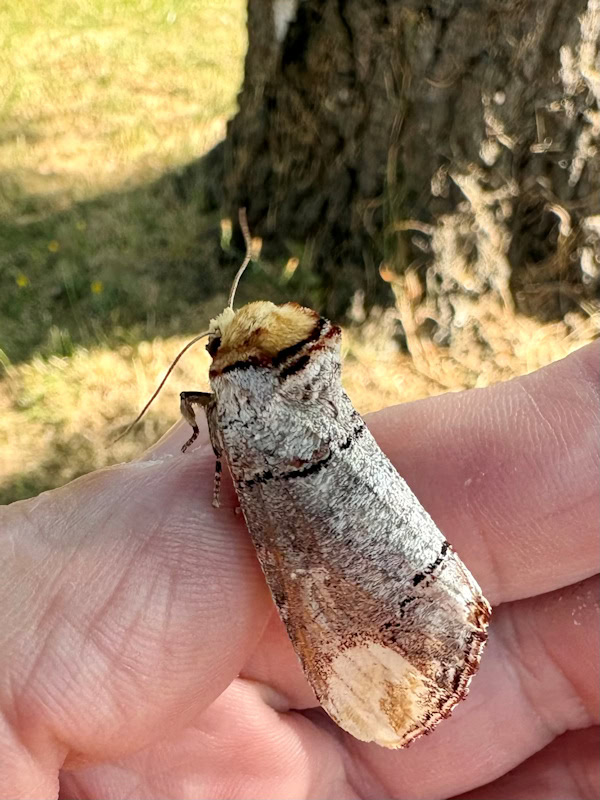
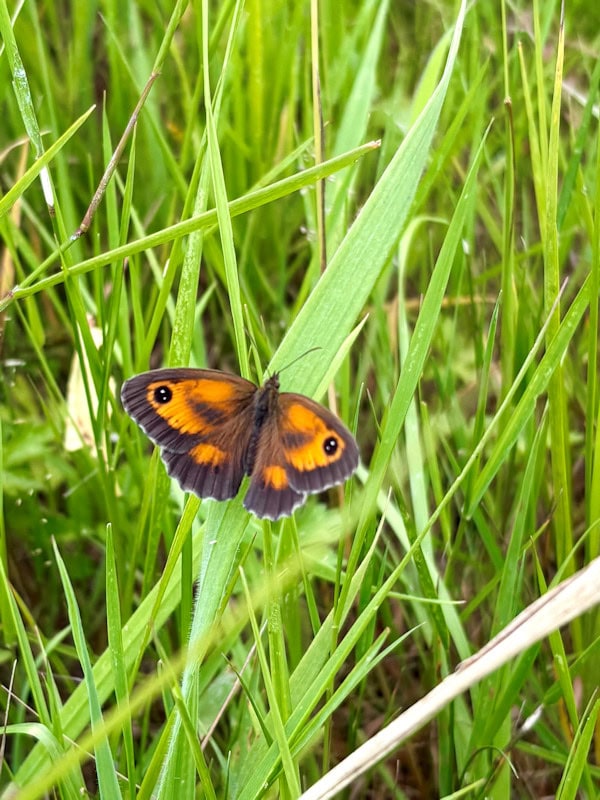
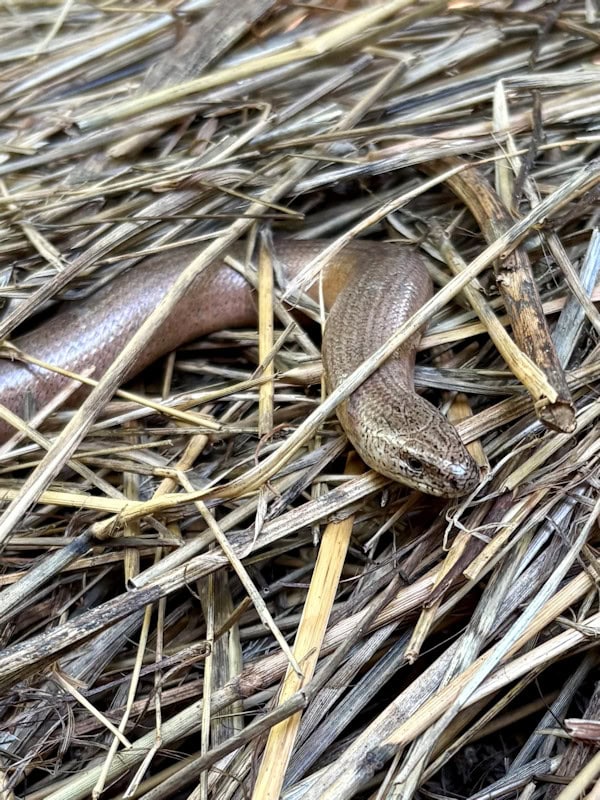
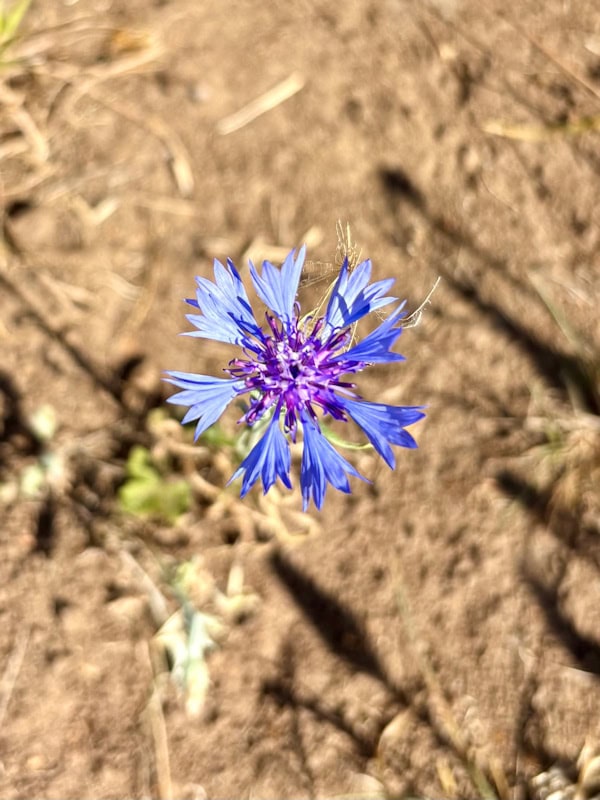
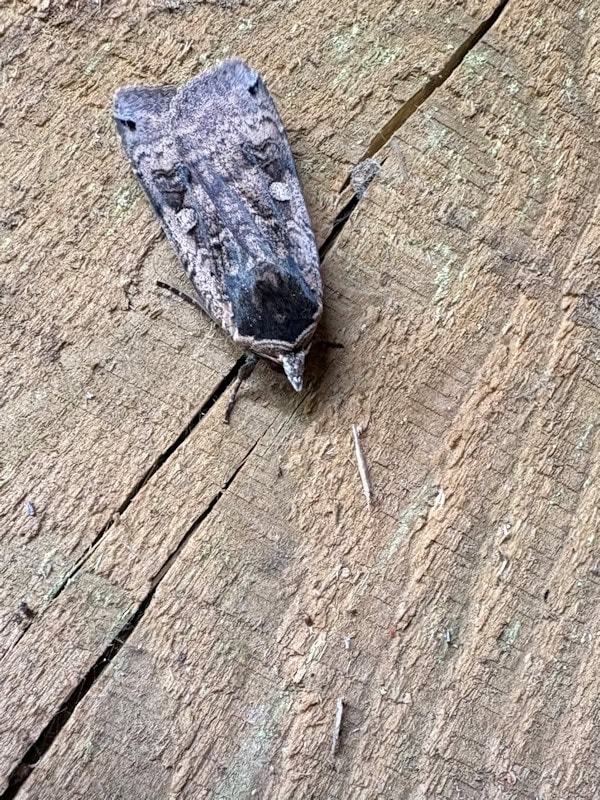
During the first week, newly emerged brimstone and speckled wood butterflies are reported and Dave reports ‘hundreds’ of gatekeeper butterflies on a walk near Brington Road. Other wildlife seen include hornet hoverflies, a buff-tip moth, slow worm and a flowering cornflower.

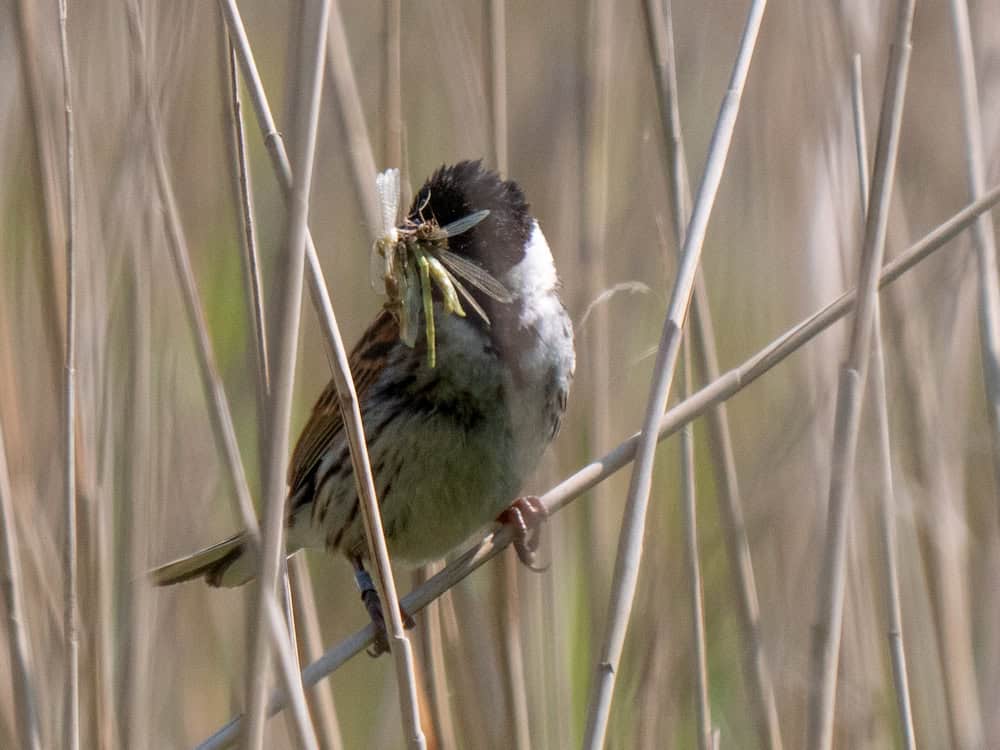
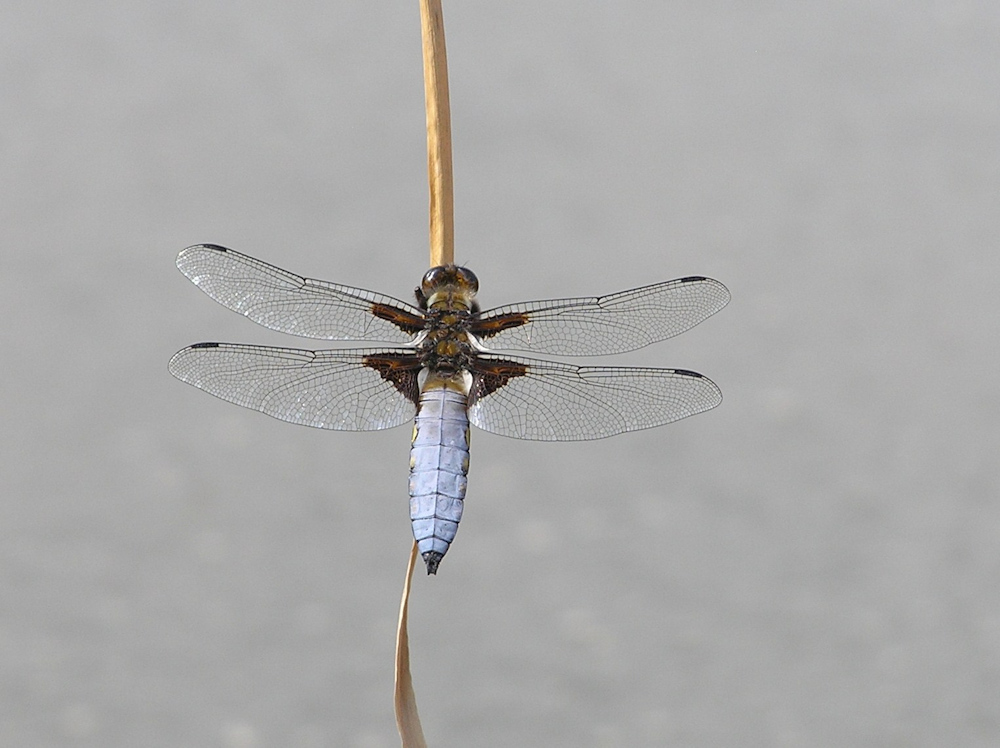
By the second week the heat was suppressing insect activity with the hottest parts of the days being devoid of most insects including butterflies presumably avoiding desiccation. At the ponds dragonfly and damselfly activity was increasing with the first common blue damsels noted alongside blue-tailed and azure. Then common emerald and willow emerald damsels emerged but not in great numbers. Brown and southern hawkers, emperor, broad-bodied and four-spotted chasers, and common and ruddy darters were present at CEP.

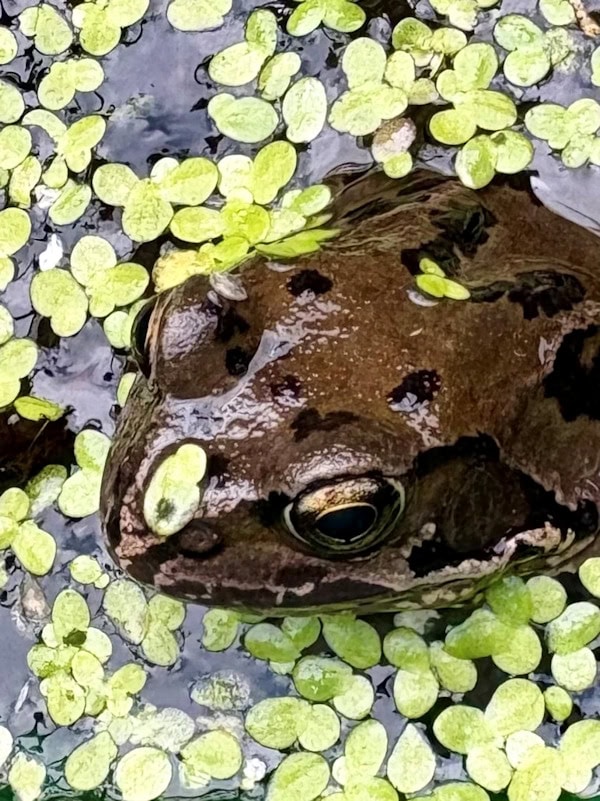
A small patch of my front garden has remained untouched this year and has a five-spotted burnet moth and a common blue butterfly in residence, and my back garden pond has a couple of shifty frogs.
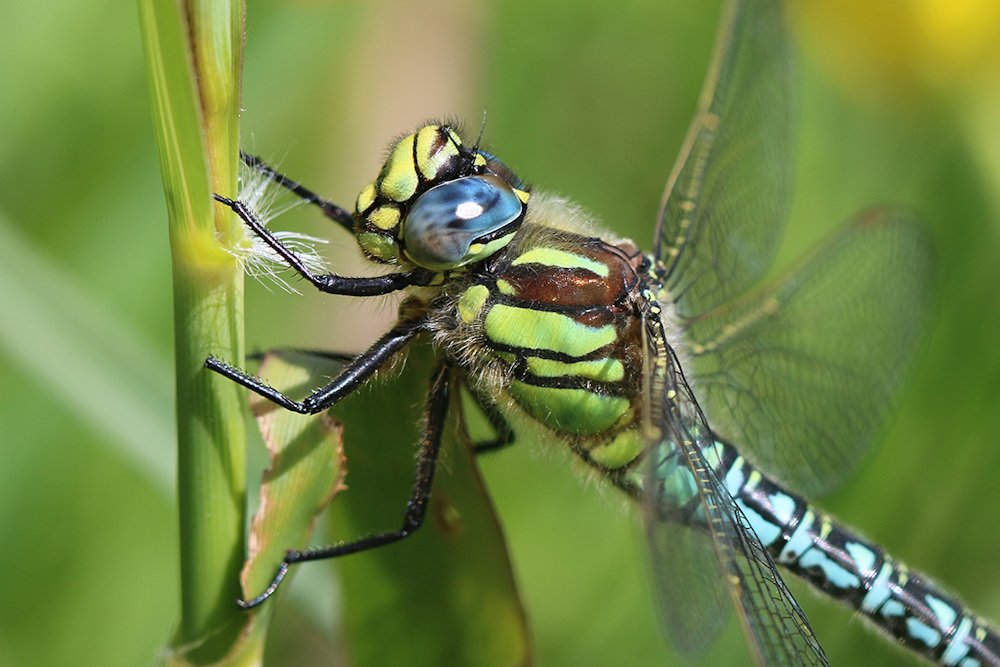
The third week and we’re now praying for rain. Undeterred, Brian Laney holds a couple of wildflower walks to raise money for the Bucky Feast. He is a true expert, and he spots 70+ species of plant within the village centre including the three churchyards. A great experience. On a MPR Saturday work party, we see migrant hawker dragonfly plus beautiful demoiselle, southern hawker and ruddy darter. On the way back I stop in at the Buckby Library & Hub for a coffee and note a flock of 50-60 swifts tearing through the air above Market Place. Their stream of screaming calls makes several, startled, passers-by look up. Interesting now that we are halfway through the year, that some birds are already moving back over the parish, mainly from northern clines. Lesser black-backed and black-headed gulls are noticeable, and elsewhere in the county passage migrants are already turning up.  

CEP seems full of juvenile birds with scruffy, gingery young blackbirds, spotty robins and pale blue tits blundering around. Like a lot of youths, they are enthusiastic but lack knowledge, finesse and efficiency, and I can see why many fall prey to cats and sparrowhawks.

The Butterfly Conservation annual survey starts though we are amongst the many who suggest its far too late in the season and many of the species have ‘burnt out’. But data needs to be consistent, and this time next year might be completely different. Our timed, static point survey at CEP misses out on a notable 12 common blue butterflies (10m 2f) but still records a reasonable list.
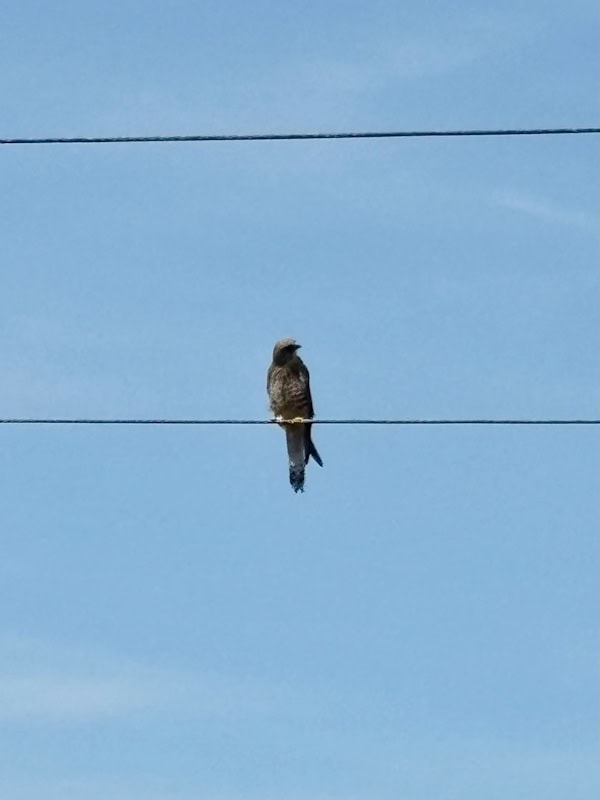
The last week of July (23rd) started with a fly-over Hobby. This small, agile falcon loves to prey on swifts, swallows and martins but is equally happy hawking dragonflies. They seem to have declined, then so have all the above-mentioned prey species. That night an oystercatcher ( a black and white wading bird, normally seen at the seaside) flies over calling whilst I’m half asleep and on the 24th and my third flyover in 24 hours is a yellow wagtail, again, now rare with us. The butterflies that have been so prolific are now disappearing with numbers and species at CEP declining almost daily, but the common blues have had a great year so far and are joined by a brown argus butterfly on the 27th. Whilst there we see a family of mistle thrushes and a young green woodpecker. Other wildlife reported/noted in the last week include water scorpions, house crickets, southern hawkers, juvenile buzzards, foxes, rabbits, speckled wood butterfly and good views of four hares in a harvested field behind Mill Park. On the 26th my breakfast is interrupted by a vaguely familiar sound… its rain, but alas not enough to register on the official rainfall gauge.

On my birthday (30th for future reference…) I go out looking for signs of bird migration and find a pair of redstarts (passage migrants) at CEP. They really are gorgeous-looking birds and are making their way through the UK to migrate to Africa within the next month or so.

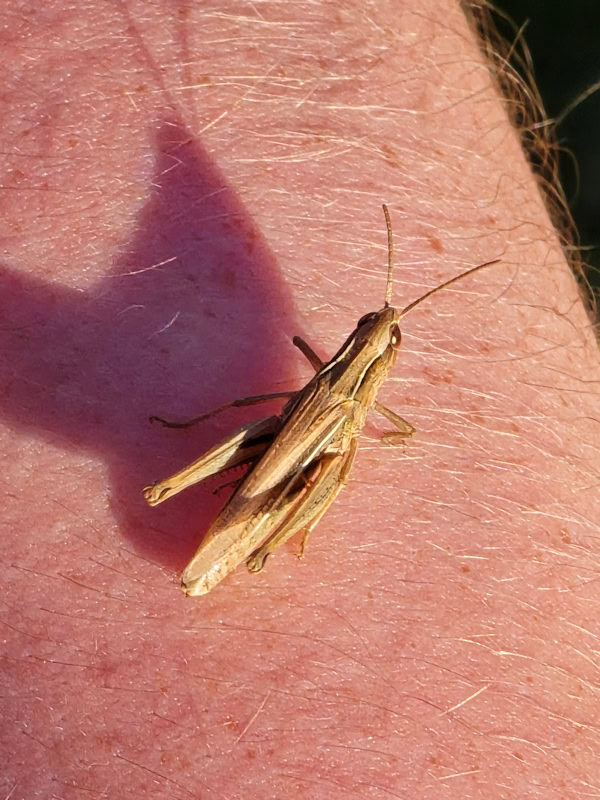
On the theme of finding insects with long common names (you recall the recent longhorned beetle and longhorned moth…) I find a lovely hoverfly named, ‘superb anthill hoverfly’ ! (Xanothogramma pedissequum) I would love to be at the meetings when they get to decide the common names of creatures that have only had scientific names up to that point. On the 31st we carry out a bit of a survey on grasshoppers at CEP and find Roesel’s bush-cricket, long-winged conehead, and common green, meadow, field and lesser marsh grasshoppers.
I would like to mention a new group we are forming to try to save some of the small green paddocks, and the duck pond in the village from development. We argue that the village will become an urban sprawl with increasingly less access for villagers to green areas if these places are built on. We know that further building is bound to happen beyond them in the future so why not retain these smaller green places now to break up the inevitable sprawl?  We would have a series of green ‘lungs’ for people to access for their health and happiness. The areas would be purchased and put into trust for our community and future generations. Please consider helping us with this vision.  We are…  A Legacy 4 Long Buckby.

David Green’s weather report

Max’ temp’ 36.19c on the 9th at 1909h. Min’ 5.3c on the 20th at 0506h. Precipitation, 0mm.
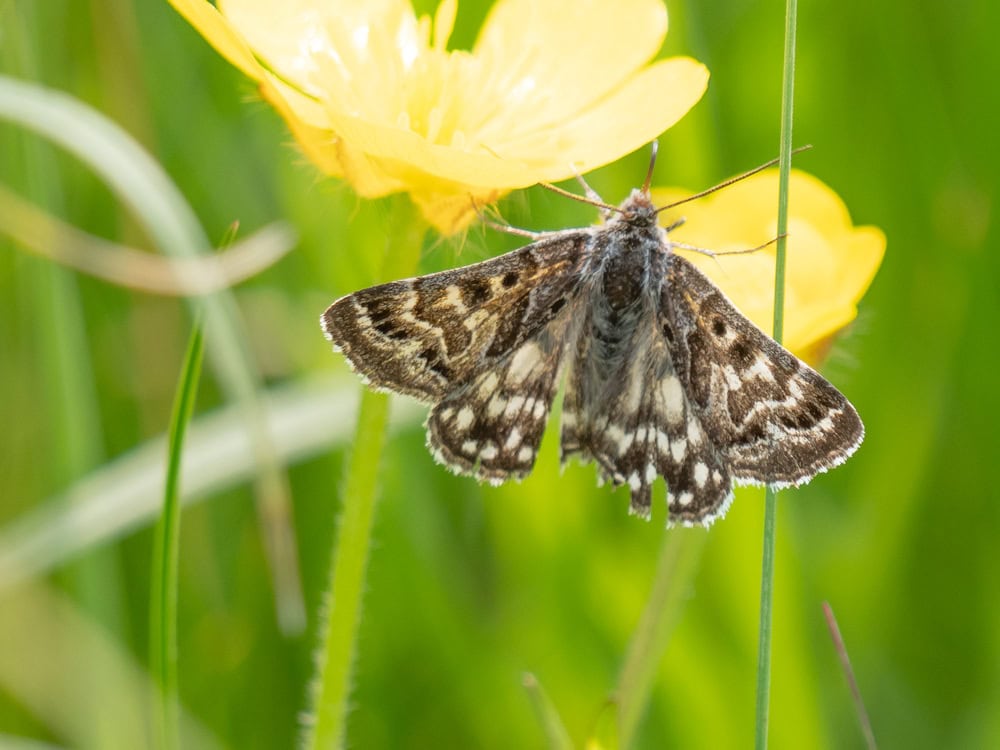
On FB look out for…

Village Wildlife Diary June 2026

The beginning of the month gave the impression it was early April with low temperatures and daily rain suppressing the emerging insects and giving insectivorous birds a real challenge when feeding their young. Many of the early butterflies were wiped out but hopefully bred beforehand. We won’t know until next spring…

The 5th was World Environment Day and Hazel, Maria and I put together a display in the foyer of the library including work being done locally to save and improve our surroundings. As I always say – saving nature is saving us! The UN suggests it’s about the continual international battle to raise awareness of the plight of the environment.

I’m pretty sure that this message has been loud enough for long enough to have been received, but I’m afraid the reality is that humanity is well aware of the issues but simply doesn’t care enough to act.

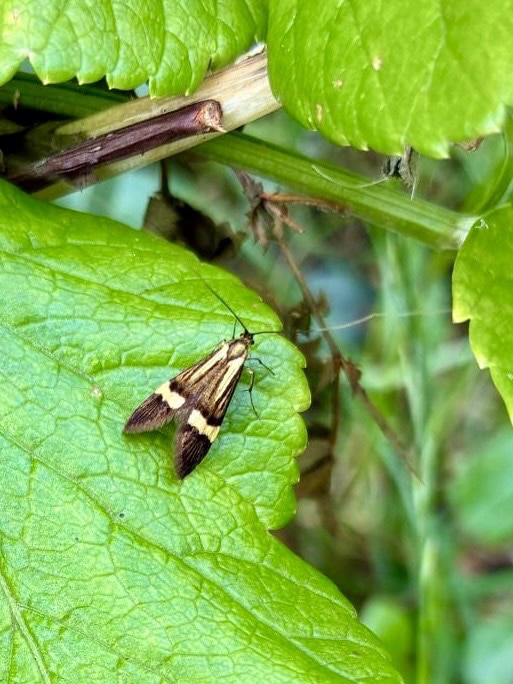
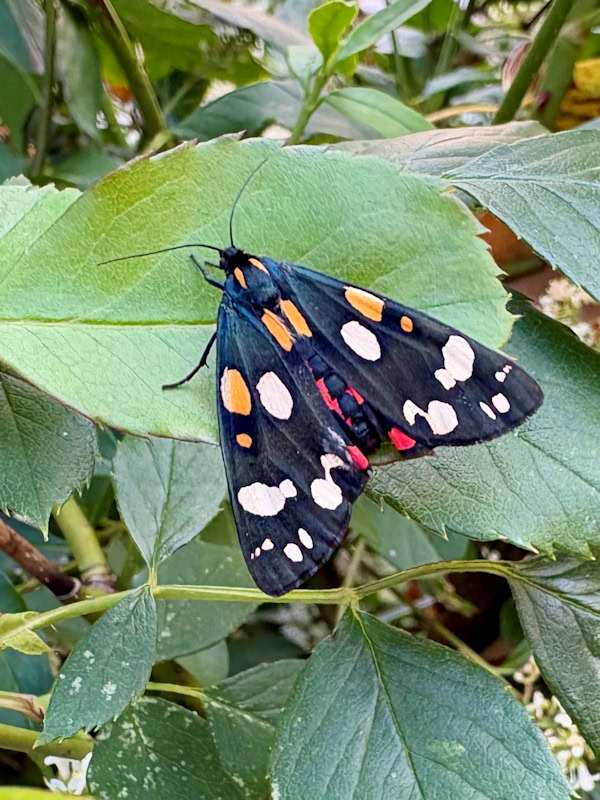
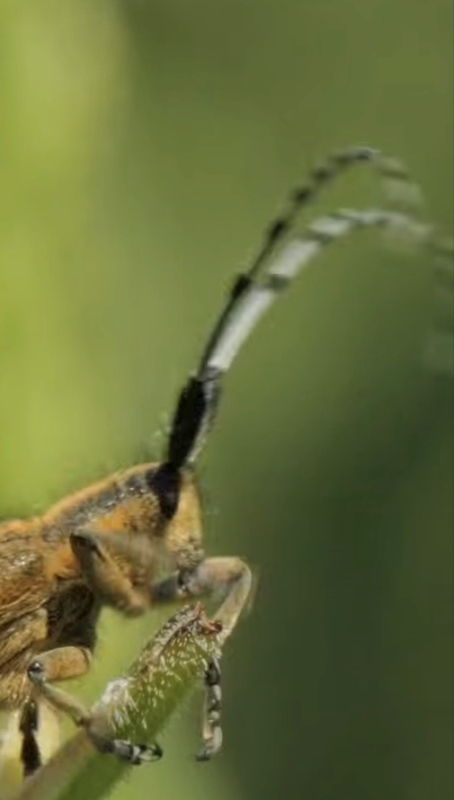
The 4th and at CEP our migrant visitors are still singing, white throat and lesser whitethroat, blackcap and garden warbler, willow warbler and chiffchaff. They are joined in song by the resident chaffinch, dunnock, wren, song thrush, and occasional greenfinch, goldfinch, goldcrest, and robin.  In the inbox are the following messages… Phil sees four siskins near the castle mound, Sandra has scarlet tiger moth in her garden, Brian finds a moth named the garden pearl, and Jo reports two house martins over William Road. More reports of scarlet tiger moth come in as they seem to emerge everywhere at once. At CEP the volunteers find a yellow-barred longhorn moth, the antennae of which must by twenty times longer than its body.

8th June, butterflies at CEP include 2 male common blue, small copper, speckled wood, large skipper and a few meadow brown. There is a burnet companion moth and a singing yellowhammer. There is also one in song at Oak Tree Farm plus a willow warbler.

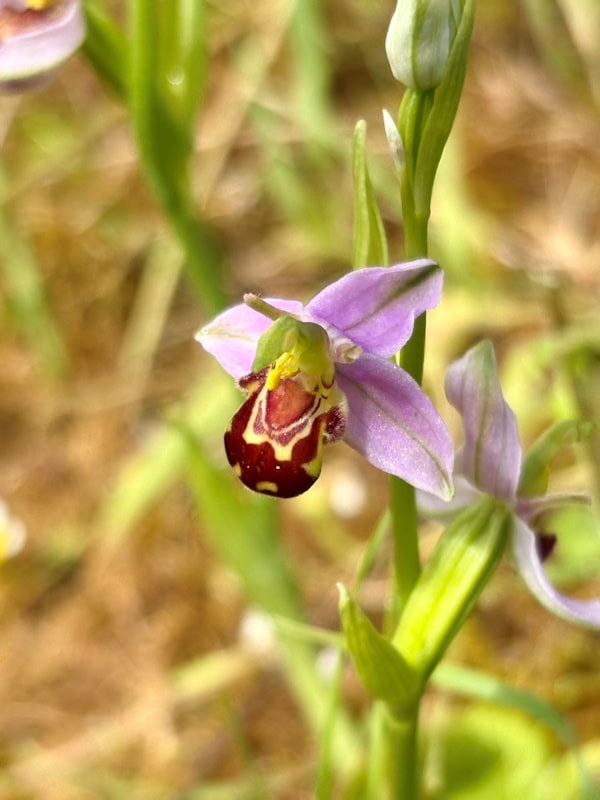
On the 10th I visit Grange Farm for my now annual pilgrimage to find Bee Orchid. I tread carefully and kneel down in exactly the same place I have for the ten years. Six plus flower spikes, such incredible, delicate beauty.

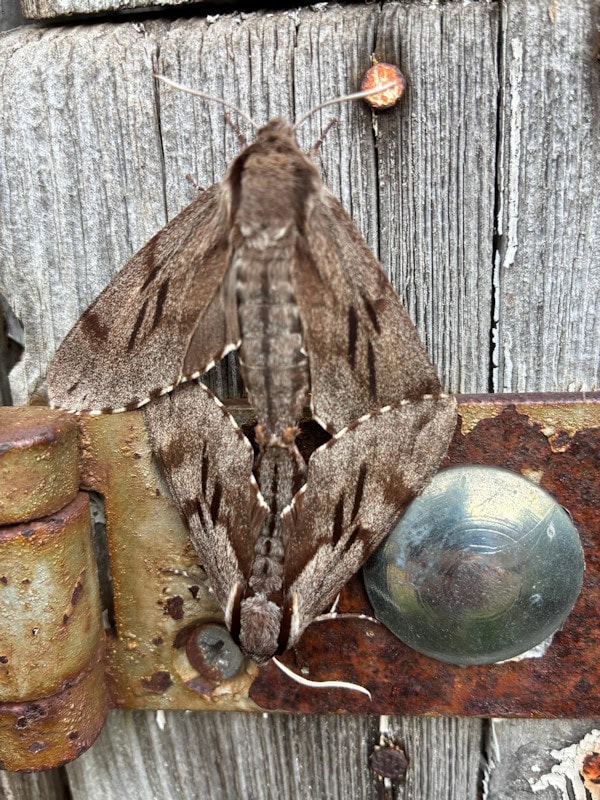
Over the second week of June improved temperatures and sunshine accelerate the appearance and number of insects. Dragonflies at CEP now include an immature male southern hawker, a female early hawker ovipositing at the pond where a male emperor is now on patrol. There are at least three beautiful demoiselles on site and two four-spotted chasers. We add ringlet and small skipper to the butterfly list and several hornet records are received. Dave finds a mating pair of pine hawkmoths and Steve sends a recording of a flyover golden plover from last month.

19th June. Warm conditions are causing an explosion in butterfly numbers. CEP has 150+ meadow browns, 20+ ringlets, 3 marbled whites, 2 red admirals, 3 small tortoiseshells, 25 large skipper, 50 small skipper (including Essex skipper) also common blue, small copper and painted lady. At David Evans’ Pond it’s a similar story and over the pond the dragonflies include several emperor, two southern hawker, 14 four-spotted chaser, 50 + beautiful demoiselle, 1 banded demoiselle, 12+ white-legged damsels, 12 large red damsels, 2 blue-tailed damsels and hundreds of azure damsels. 15 speckled woods are reported from a local plantation.

22nd, and Angela is at Grange farm and hears a cuckoo! A few days later Jane and Dean also from there tell me they also heard it. How rare are these birds now? Great record.

26th June, how much hotter is it going to get and why do we keep missing out on the rain? Seems to be the topic of conversation but there are thousands of butterflies emerging all over the parish, perhaps the most prolific I’ve ever seen. For quite a few days there are hundreds of butterflies of 19 species recorded at CEP and it’s hard to know where to look when we try and count and identify them.

27th. A break from Buckby for a walk around Upton CP courtesy of The Lord Lieutenant of Northamptonshire’s charitable networking officers. Lots of wonderful movers and shakers from our county all enthusing about the environment and nature. And I found a Norfolk hawker dragonfly by Upton Mill, which was nice.  

28th and gatekeepers appear at CEP perhaps the last butterfly species to emerge though there are now second-generation holly blue’s on the wing.

29th and we are on the way back from the BL&H film ‘incredibly bright creatures’ and we hear a cricket on William Road. Same place as last year so must have bred… further along and there’s a hedgehog, and on my path – a frog. These beasties are obviously all trying to fit into the June report of course.

David Green’s weather report –

Max’ temp’ 37.1c on the 26th at 1316h.
Min’ 5.3c on the 9th at 0404h.
Precipitation, 49.2mm.

Look out for the ‘Long Buckby Nature & Wildlife’ group postings on Fb.

Village Wildlife Diary May 2026

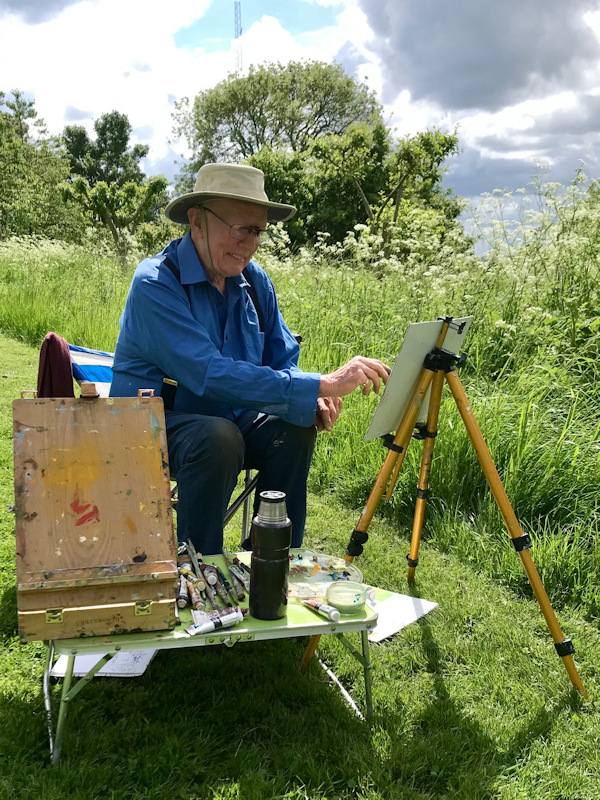
Man seated outdoors, surrounded by greenery.  He is painting a picture, with his paints on a small table next to him.
Norman How

Before I start, I want to mention the passing of three villagers whom I had the great pleasure of working with over the last few decades. Dr Norman How was a kind and charitable Christian, and a great enthusiast of nature as an observer and artist. We worked together (under Councillor Phil Davis alongside wildlife experts Terry Laney and Peter Spokes, all of whom have passed within recent years) on an article regarding the state of nature at the turn of the century. Apart from sending in wildlife records, and fore-wording  ‘The Wildlife of Long Buckby’, he also donated to Long Buckby Green Spaces and fed the birds at Cotton End Park taking his mobility scooter where others had never been! Brian Hart was a hard-working, characterful Aussie, tough rugger player and always had a solution for every task we worked on. Gay Gardner of Lodge Park Farm was a rare allrounder. Businessman, farmer and builder of the farm and creator the park and lakes around it. He had a keen interest in the wildlife on his land, and we watched wildlife together in between work until his eyesight deteriorated in later years, after which I would pop in and give him a report.

April showers for the first couple of weeks of May followed by a heat wave.

1st May, we set off north from West Street though Gay Gardners pastures seeing a little egret, hearing yellowhammer and getting a fleeting glimpse a painted lady heading north. At Vanderplanks Covert, the birdsong included a willow warbler, with a pair dabchick on David Evans’ beautiful pond and a comma and small tortoiseshell on the footpath.

2nd May, as mentioned before, my friend Steve has set up a 24hr bird call recording device with associated software and at 0653hrs it records a nightingale singing briefly. This would be a first for the parish and I guess it dropped in on migration before moving on.

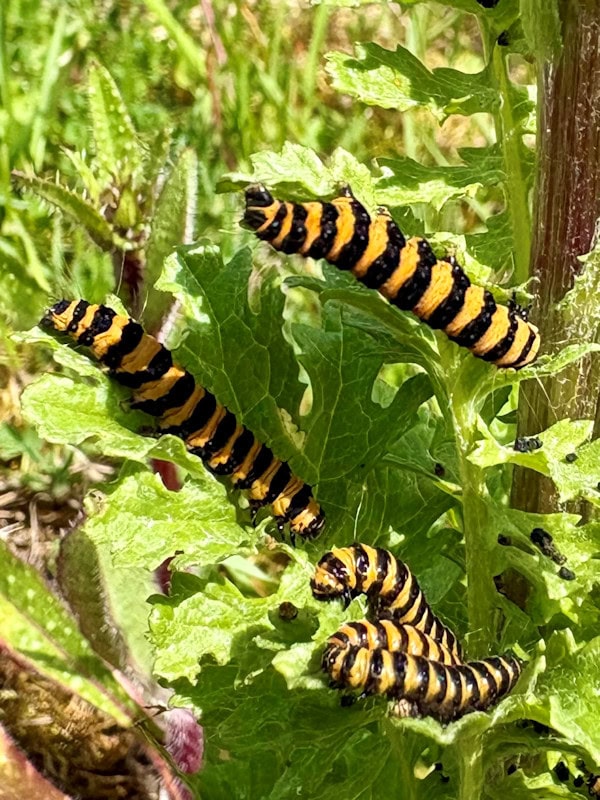
Sunday 3rd May, International Dawn Chorus Day saw a dozen souls braving the damp and cloudy start, hearing about twenty species at Cotton End Park and raising funds for the park and library. Later at Mill Park Reserve a large red damselfly is noted along with goldfinch. Six house martins seen in the air above Holyoake Terrace alongside two each of swift and swallow, and at least three singing greenfinches noted around the village. A dead cinnabar moth reported.

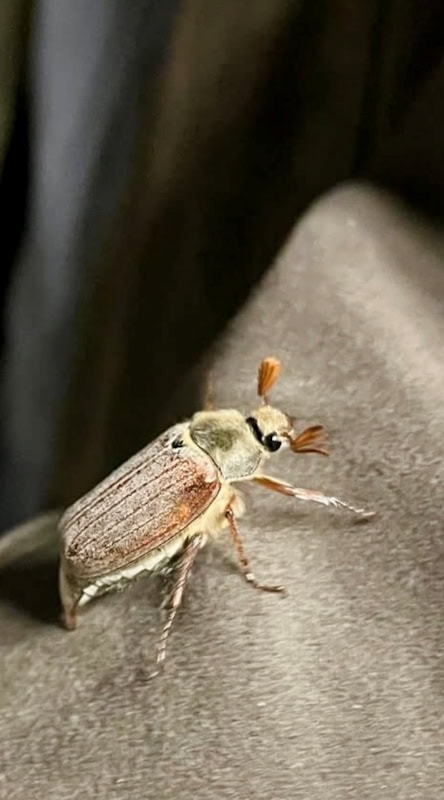
5th May. CEP still has five species of warbler singing plus a calling toad, with orange-tip, holly blue, painted lady and small copper seen. Large red damselflies were joined by azure damselflies. Helen finds a cockchafer with another being reported on social media and Brian posts regarding finding round-leaved geranium.

10th May, several reports of young birds including house sparrows from South Close, Spencer Road and East Street. Seemingly dozens of very noisy juvenile starlings from near junior school, Station Road, The Banks and Pytchley Drive. Pied wagtails reported from the latter and the sports fields.

17th May, Steve does it again… 0208hrs a whimbrel flies over calling.

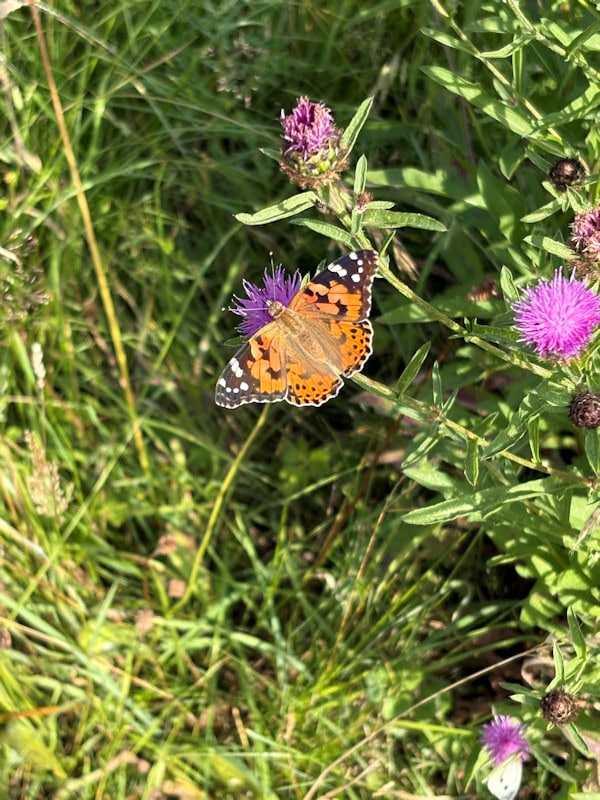
22nd May, hot and sunny. CEP has the five singing warbler species plus a red-legged partridge, reed bunting and song thrush. Eight species of butterfly including common blue, and large red and Azure damsels are joined by two broad-bodied chasers. On the 23rd there we add to the dragons & damsels with an immature beautiful demoiselle and an early hawker. Day-flying moths – mother Shipton, cinnabar and silver ground carpet are also noted. On the 25th Grange Farm has hummingbird hawkmoth, painted lady, yellowhammer, pied wagtail, swallow and short-tailed filed vole is found with five pups. Cath records and reports a singing reed warbler from her front garden hedge. A strange place for one to be though not they are known to stop on migration and practice singing prior to getting to their breeding habitat. The parish seemed to have perhaps hundreds of painted lady butterflies passing through during this period and many more beautiful demoiselle damselflies present as well.

 A small, light grey moth with distinctive brownish grey markings on its wings.
Silver Ground Carpet

26th May, wow! A seriously hot day. Much of the wildlife, even the insects have all sought shelter be mid-morning, but I find a nice long-horned beetle at CEP named… wait for it… Golden-bloomed Grey Long-horned Beetle!

27th, I’m amazed to find out it’s been 15 years since we officially opened Cotton End Park. I spend the morning with an inspector from the Green Flag Award and hopefully the park has impressed enough for us to receive this accolade. We hear lesser whitethroat and garden warbler, see red admiral, peacock, painted lady, speckled wood, small copper, common and holly blues, orange-tip butterflies and mother Shipton, silver Y, and cinnabar moths. Dragonflies seen… broad-bodied chaser, beautiful demoiselle, early hawker, large red, azure blue and blue-tailed damsels.

30th May, we added large skipper and small tortoiseshell to the butterfly list. From the village, several reports of jackdaws attacking juvenile songbirds, (sparrows, blackbirds, robin, starlings were mentioned) and it’s not surprising as numbers of jackdaws are kept artificially high in the village due to year-round feeding and many nesting sites. People are moaning about wood pigeons as well and it’s a similar reason.  Basically, we should stop feeding these birds completely. Someone manages to kill a hedgehog on East Street, but regular reports suggest there are quite a few living in our village.

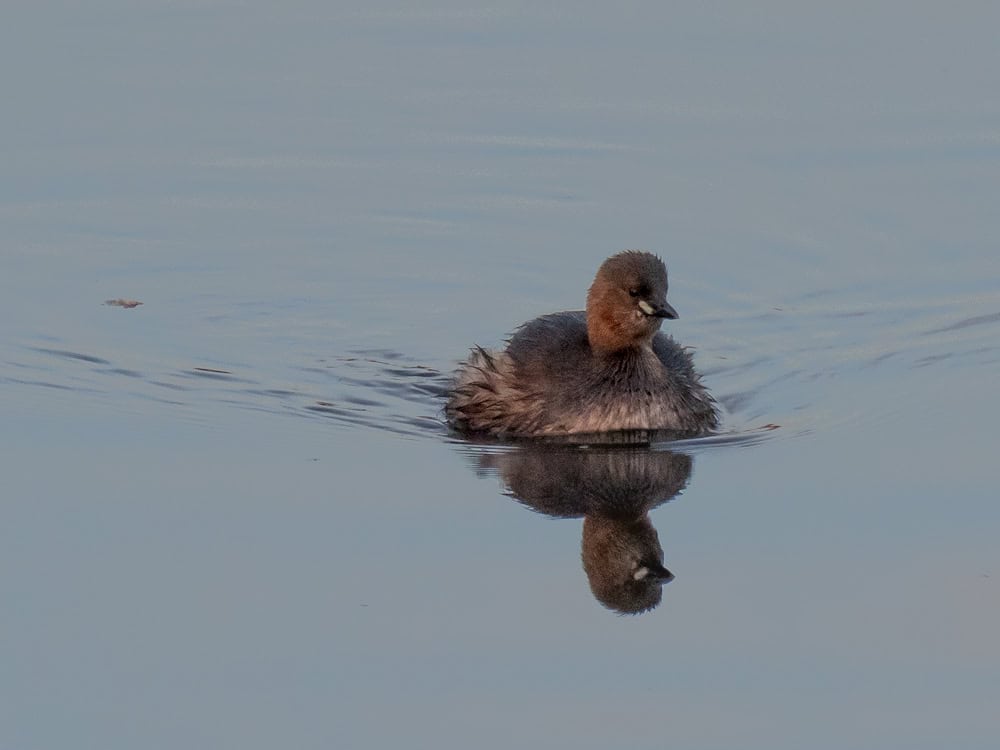
At Evans’ Pond a pair of dabchicks, green woodpecker, jay and a family of ravens were noted, and brimstone and small tortoiseshell butterflies. The dragonflies include four emperors, four early hawkers, ten four-spotted chasers, two red-eyed damsels, over fifty beautiful demoiselles and one banded demoiselle.

Steve’s bird recording set-up reports fly over little-ringed plover and grasshopper warbler.

31st May, the volunteer morning at CEP is as much a social event as a work party as we ‘catch up’ with each other’s lives, and of course, can’t believe most of us have been volunteering there for at least ten years. We all agree we feel a deep sense of care along with some pride. We see birds and butterflies, the views, the trees and flowers; the place is beguiling and alive with animate beauty.

David Green’s weather report

-Max’ temp’ 35.1c on the 26th at 1516h. Min’ –2.6c on the 12th at 0512h. Precipitation, 27.2mm. Over the three spring months we had 58mm of rain and in a typical spring we would expect 140.8mm.

Look out for the ‘Long Buckby Nature & Wildlife’ group postings on Fb.

Please keep an eye out for grounded or ill-looking birds and report them.
Do not approach grounded birds.
Please keep your bird feeders clean.