
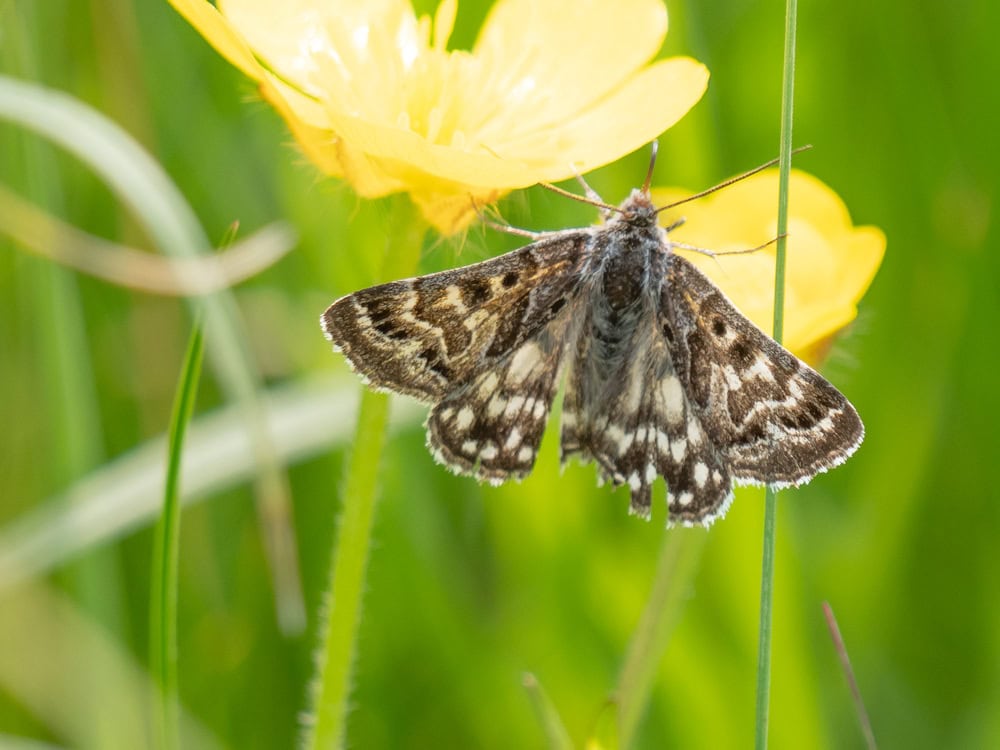
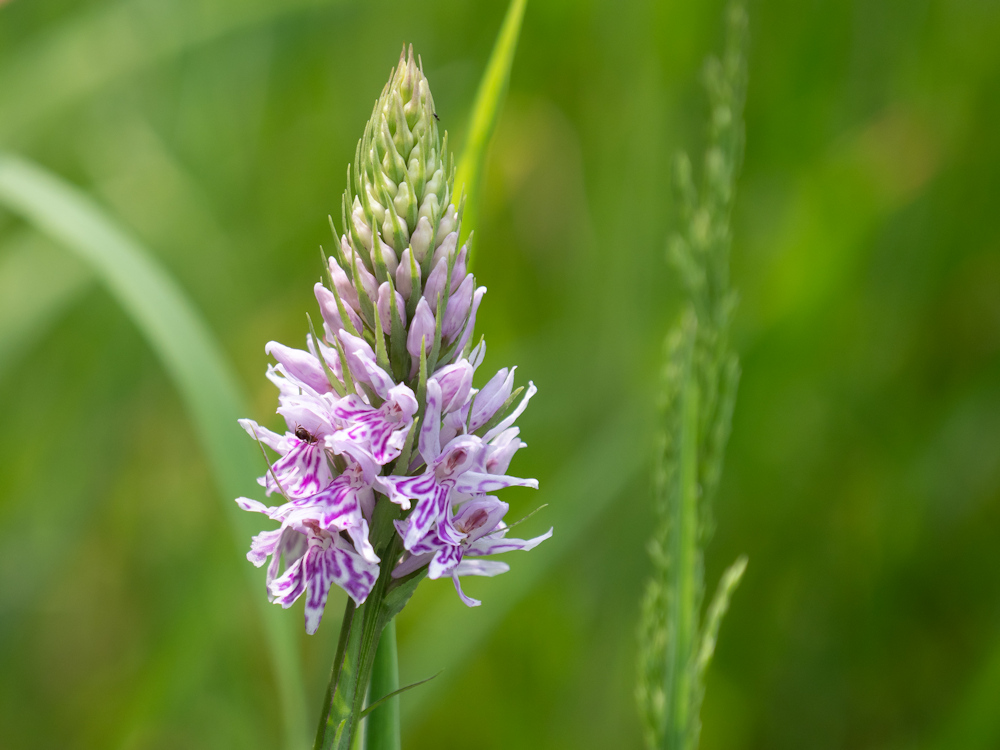
The beginning of the month gave the impression it was early April with low temperatures and daily rain suppressing the emerging insects and giving insectivorous birds a real challenge when feeding their young. Many of the early butterflies were wiped out but hopefully bred beforehand. We won’t know until next spring…
The 5th was World Environment Day and Hazel, Maria and I put together a display in the foyer of the library including work being done locally to save and improve our surroundings. As I always say – saving nature is saving us! The UN suggests it’s about the continual international battle to raise awareness of the plight of the environment.
I’m pretty sure that this message has been loud enough for long enough to have been received, but I’m afraid the reality is that humanity is well aware of the issues but simply doesn’t care enough to act.
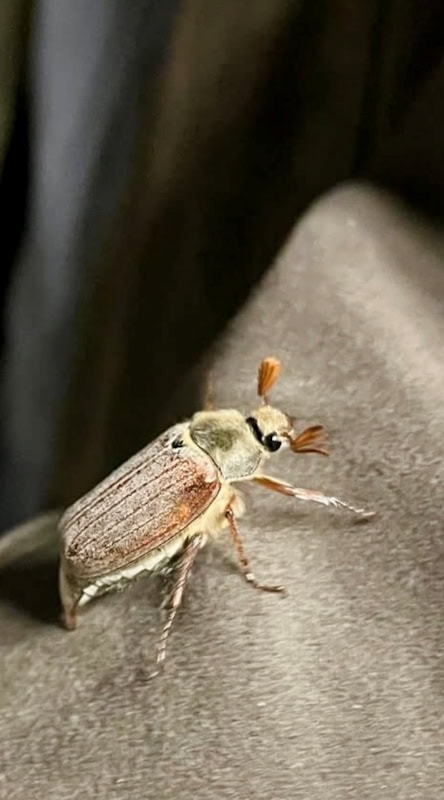
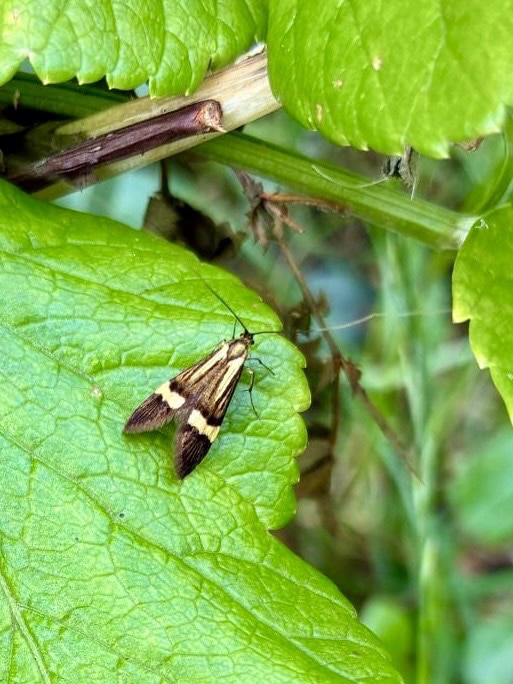
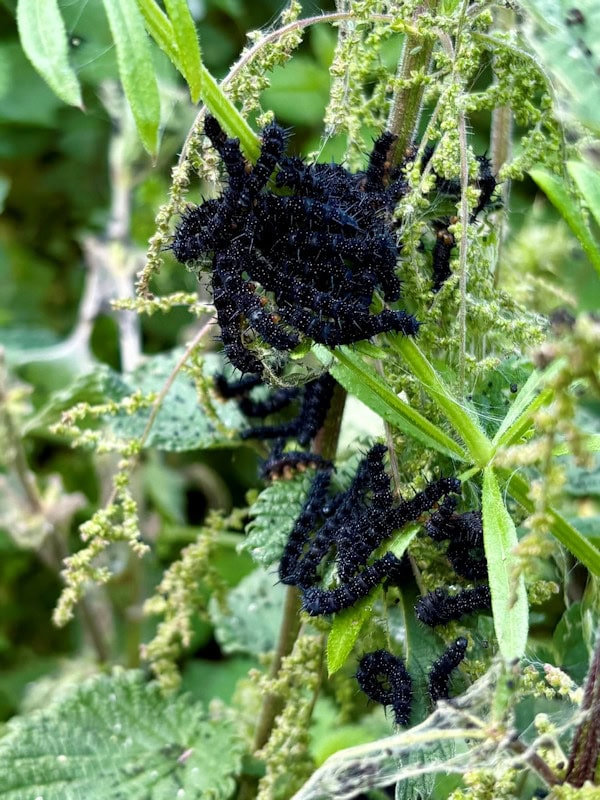
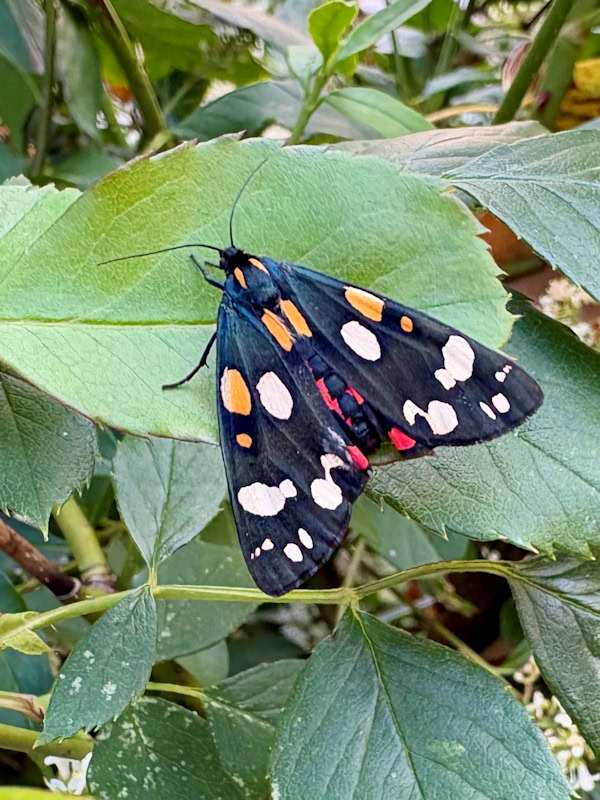
The 4th and at CEP our migrant visitors are still singing, white throat and lesser whitethroat, blackcap and garden warbler, willow warbler and chiffchaff. They are joined in song by the resident chaffinch, dunnock, wren, song thrush, and occasional greenfinch, goldfinch, goldcrest, and robin. In the inbox are the following messages… Phil sees four siskins near the castle mound, Sandra has scarlet tiger moth in her garden, Brian finds a moth named the garden pearl, and Jo reports two house martins over William Road. More reports of scarlet tiger moth come in as they seem to emerge everywhere at once. At CEP the volunteers find a yellow-barred longhorn moth, the antennae of which must by twenty times longer than its body.
8th June, butterflies at CEP include 2 male common blue, small copper, speckled wood, large skipper and a few meadow brown. There is a burnet companion moth and a singing yellowhammer. There is also one in song at Oak Tree Farm plus a willow warbler.
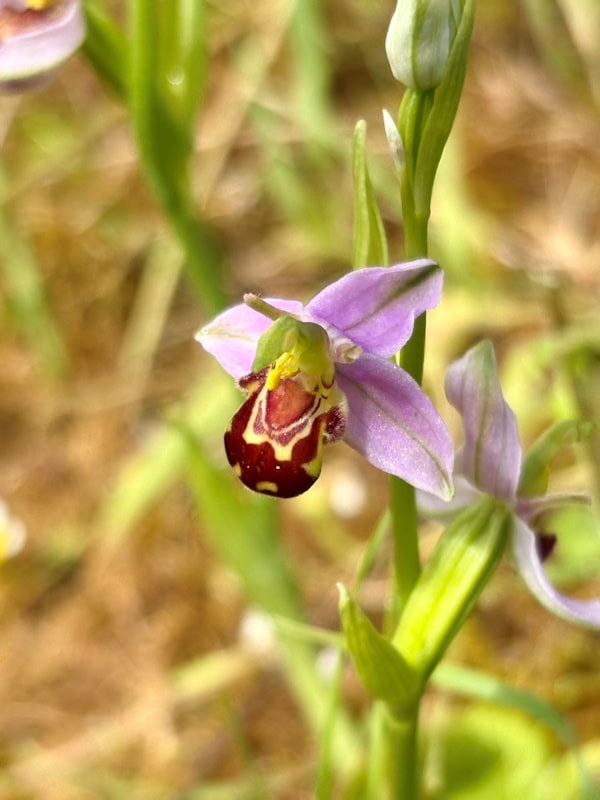
On the 10th I visit Grange Farm for my now annual pilgrimage to find Bee Orchid. I tread carefully and kneel down in exactly the same place I have for the ten years. Six plus flower spikes, such incredible, delicate beauty.
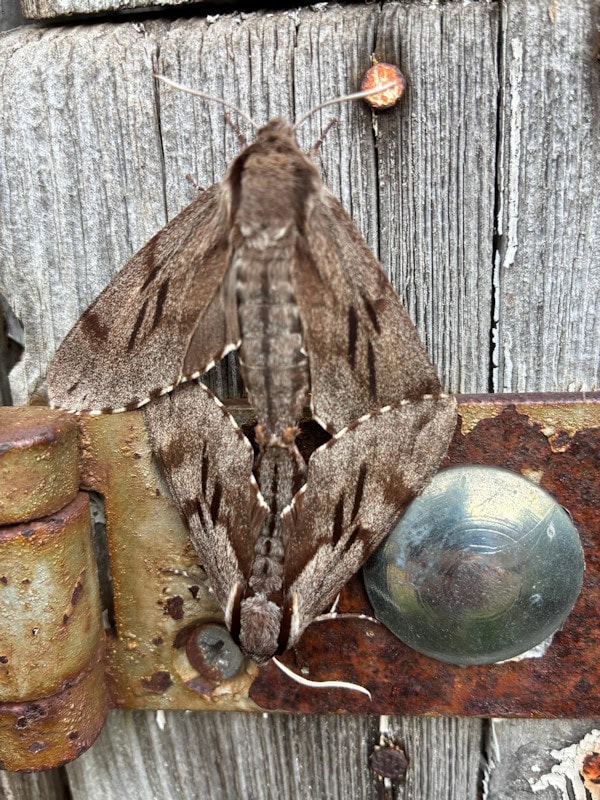
Over the second week of June improved temperatures and sunshine accelerate the appearance and number of insects. Dragonflies at CEP now include an immature male southern hawker, a female early hawker ovipositing at the pond where a male emperor is now on patrol. There are at least three beautiful demoiselles on site and two four-spotted chasers. We add ringlet and small skipper to the butterfly list and several hornet records are received. Dave finds a mating pair of pine hawkmoths and Steve sends a recording of a flyover golden plover from last month.
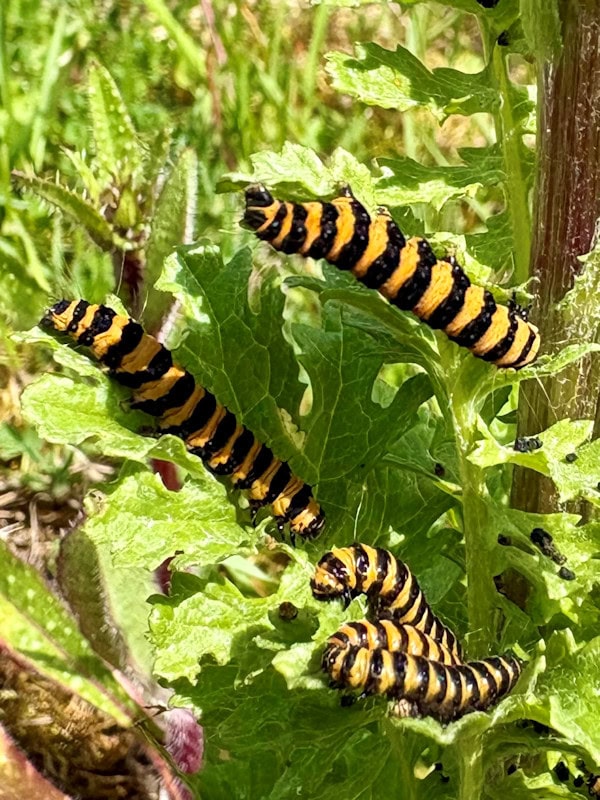
19th June. Warm conditions are causing an explosion in butterfly numbers. CEP has 150+ meadow browns, 20+ ringlets, 3 marbled whites, 2 red admirals, 3 small tortoiseshells, 25 large skipper, 50 small skipper (including Essex skipper) also common blue, small copper and painted lady. At David Evans’ Pond it’s a similar story and over the pond the dragonflies include several emperor, two southern hawker, 14 four-spotted chaser, 50 + beautiful demoiselle, 1 banded demoiselle, 12+ white-legged damsels, 12 large red damsels, 2 blue-tailed damsels and hundreds of azure damsels. 15 speckled woods are reported from a local plantation.
22nd, and Angela is at Grange farm and hears a cuckoo! A few days later Jane and Dean also from there tell me they also heard it. How rare are these birds now? Great record.
26th June, how much hotter is it going to get and why do we keep missing out on the rain? Seems to be the topic of conversation but there are thousands of butterflies emerging all over the parish, perhaps the most prolific I’ve ever seen. For quite a few days there are hundreds of butterflies of 19 species recorded at CEP and it’s hard to know where to look when we try and count and identify them.
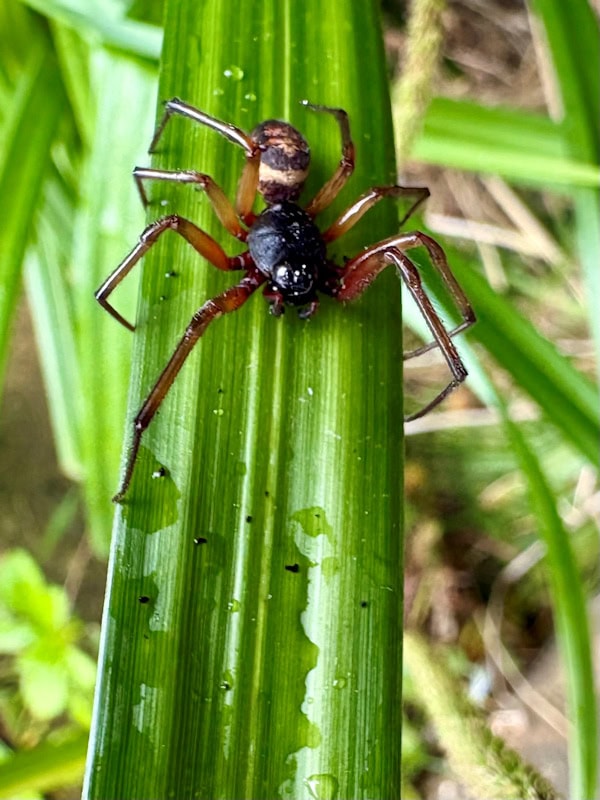
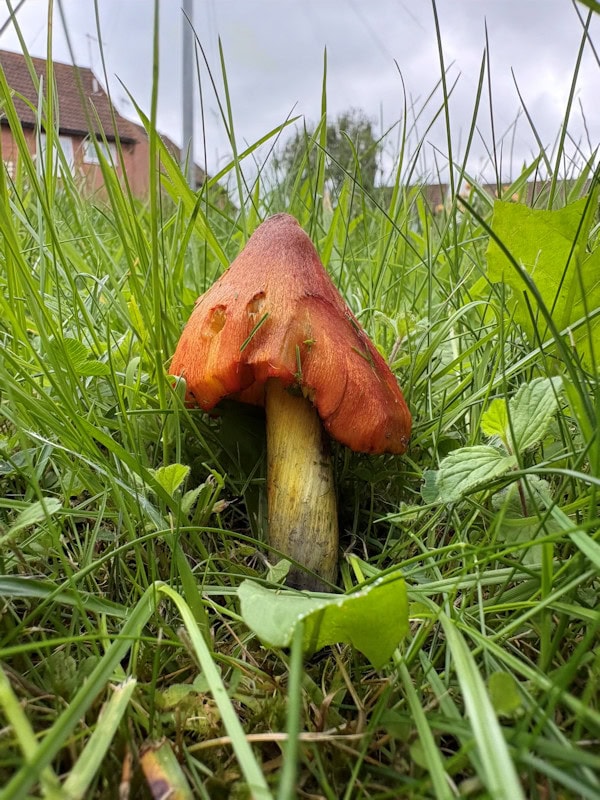
27th. A break from Buckby for a walk around Upton CP courtesy of The Lord Lieutenant of Northamptonshire’s charitable networking officers. Lots of wonderful movers and shakers from our county all enthusing about the environment and nature. And I found a Norfolk hawker dragonfly by Upton Mill, which was nice.
28th and gatekeepers appear at CEP perhaps the last butterfly species to emerge though there are now second-generation holly blue’s on the wing.
29th and we are on the way back from the BL&H film ‘incredibly bright creatures’ and we hear a cricket on William Road. Same place as last year so must have bred… further along and there’s a hedgehog, and on my path – a frog. These beasties are obviously all trying to fit into the June report of course.
David Green’s weather report –
Max’ temp’ 37.1c on the 26th at 1316h.
Min’ 5.3c on the 9th at 0404h.
Precipitation, 49.2mm.
Look out for the ‘Long Buckby Nature & Wildlife’ group postings on Fb.
What a comprehensive and detailed report. The photographs are impressive. Thank you to Nick and all your team!
Thank you. A good update.
A great nature diary. Thank you, Nick!