
Sun, sun, sun, wow! High temperatures and official heatwaves are becoming par for the course. And of course, its not long before everyone’s moaning about it.
When it comes to seasons, weather, temperatures and rainfall for example, every year is subtly different, and our flora and fauna reacts to suit. There are always winners and losers to short term conditions, as well as long term trends. Anyway, I’m loving the flowers and butterflies of this summer so far.
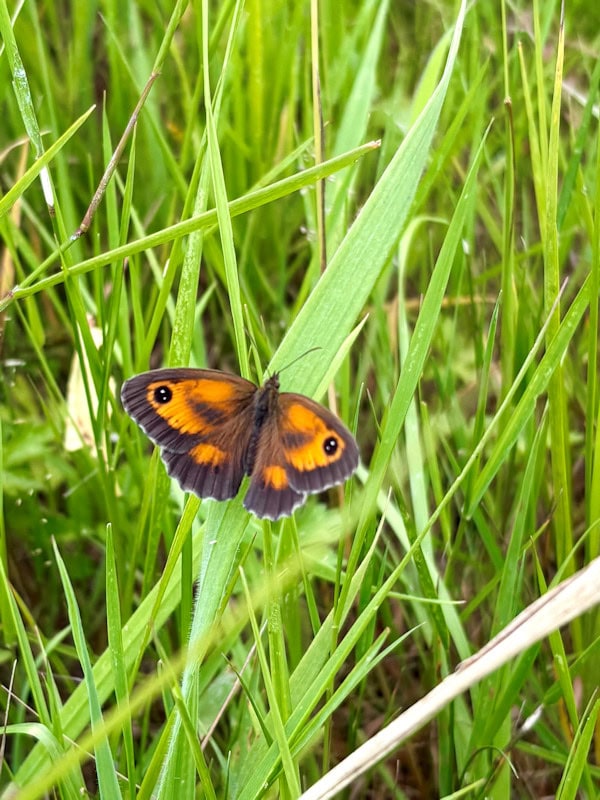
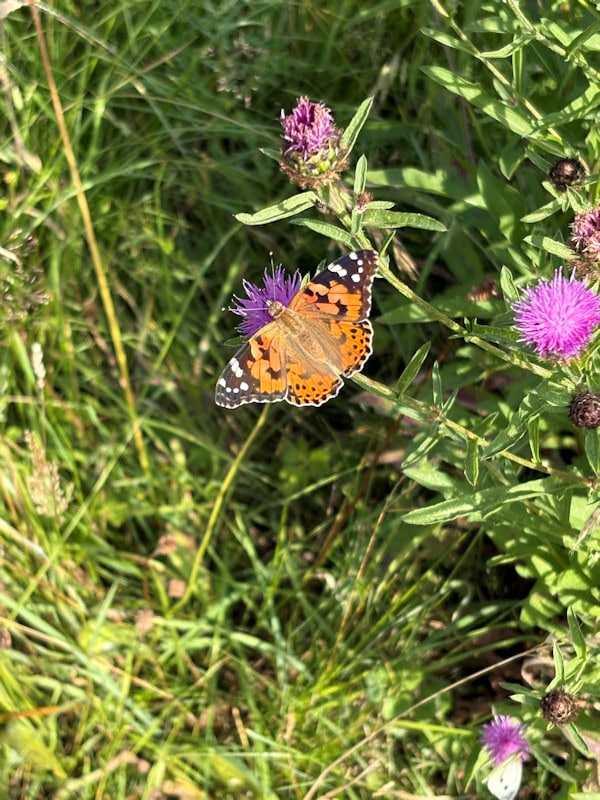
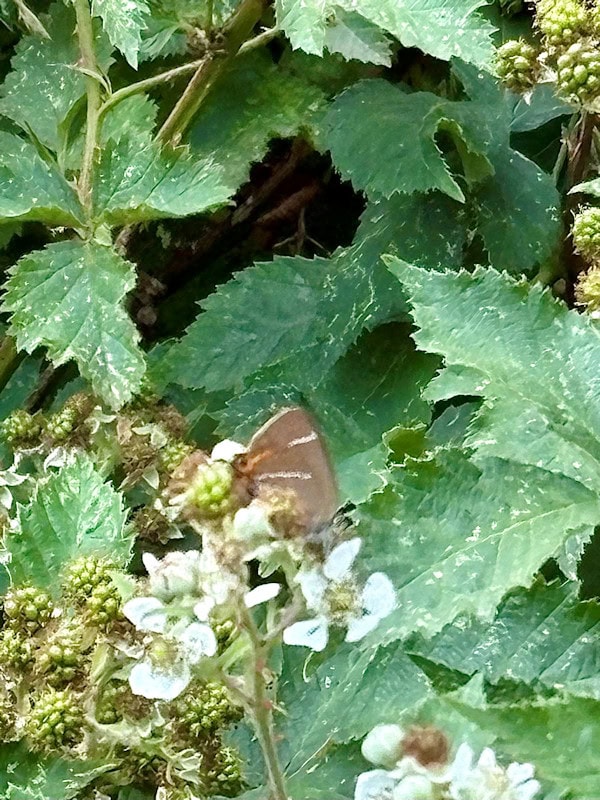
Common blue, holly blue, small copper, large skipper, small skipper, Essex skipper, large white, green-veined white, small white, peacock, red admiral, painted lady, comma, small tortoiseshell, meadow brown, marbled white, ringlet and gatekeeper all seen at Cotton End Park over about an hour on the morning of the 1st of July. A while later I’m mowing the public footpath at the bottom of Foxhill Road and see a white-letter hairstreak on some untouched bramble. And to add to the fun, Howard spots a purple hairstreak at Mill Park Reserve in the afternoon!
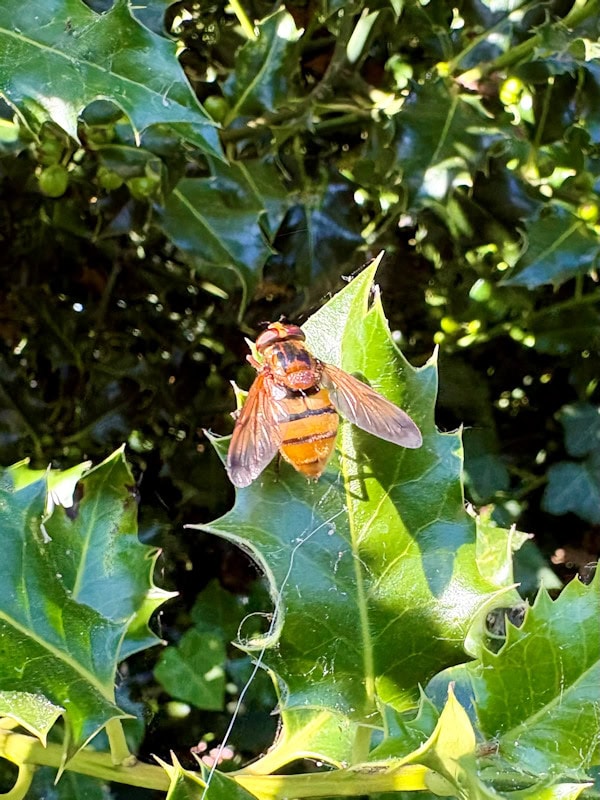
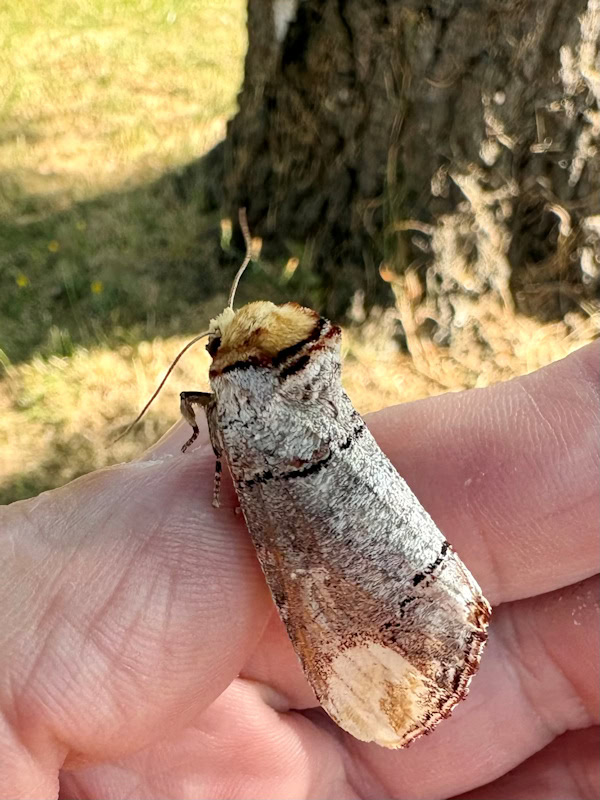
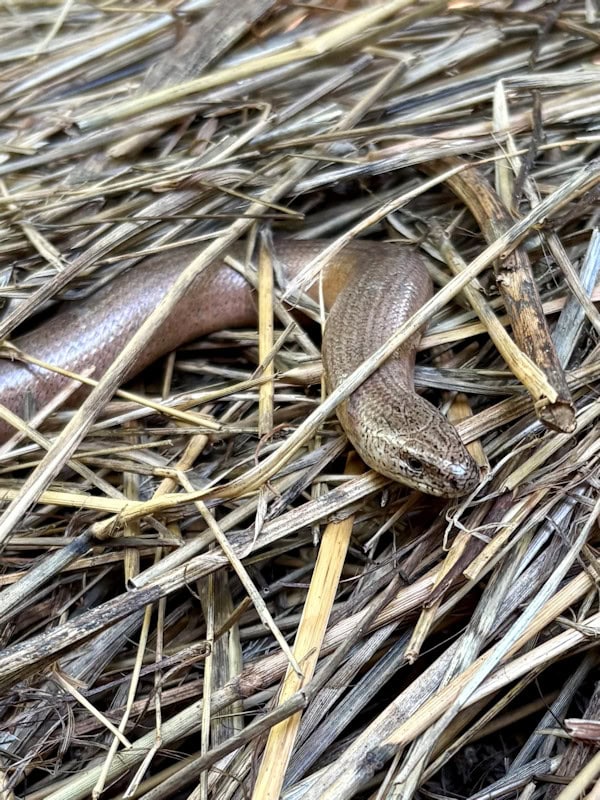
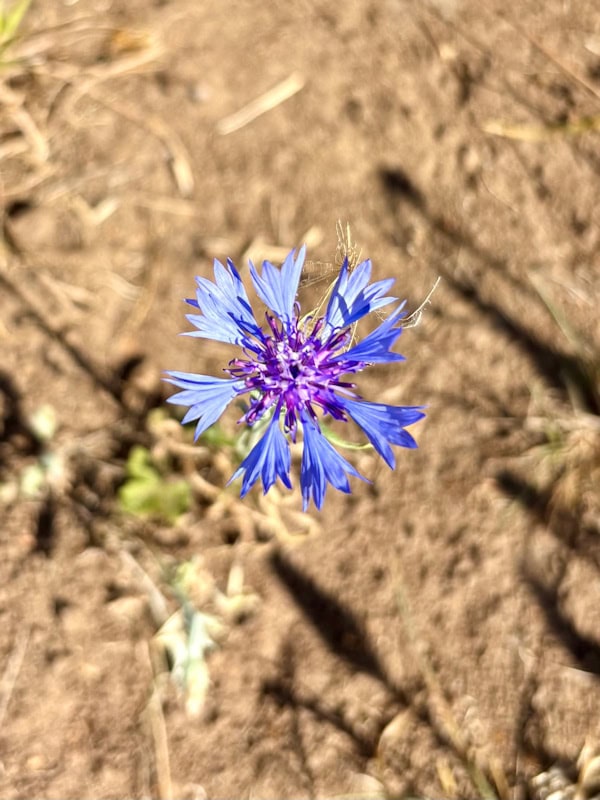
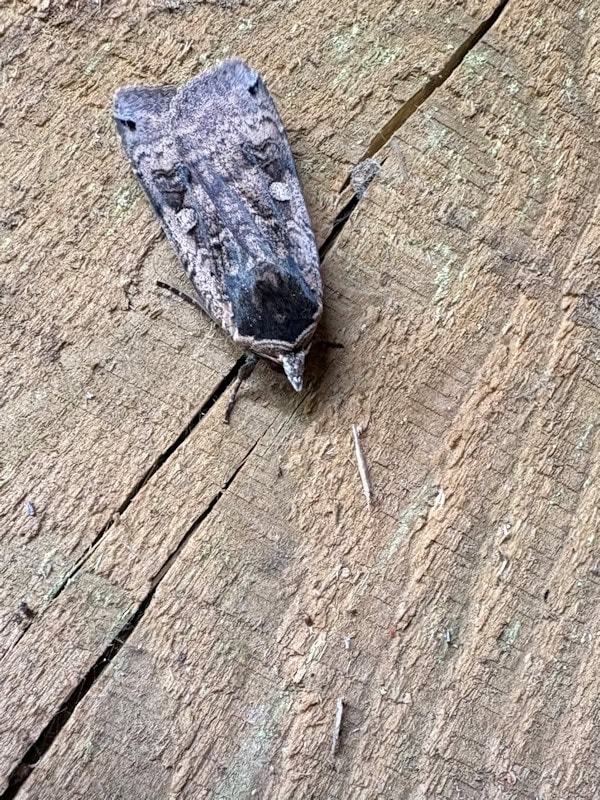
During the first week, newly emerged brimstone and speckled wood butterflies are reported and Dave reports ‘hundreds’ of gatekeeper butterflies on a walk near Brington Road. Other wildlife seen include hornet hoverflies, a buff-tip moth, slow worm and a flowering cornflower.
By the second week the heat was suppressing insect activity with the hottest parts of the days being devoid of most insects including butterflies presumably avoiding desiccation. At the ponds dragonfly and damselfly activity was increasing with the first common blue damsels noted alongside blue-tailed and azure. Then common emerald and willow emerald damsels emerged but not in great numbers. Brown and southern hawkers, emperor, broad-bodied and four-spotted chasers, and common and ruddy darters were present at CEP.
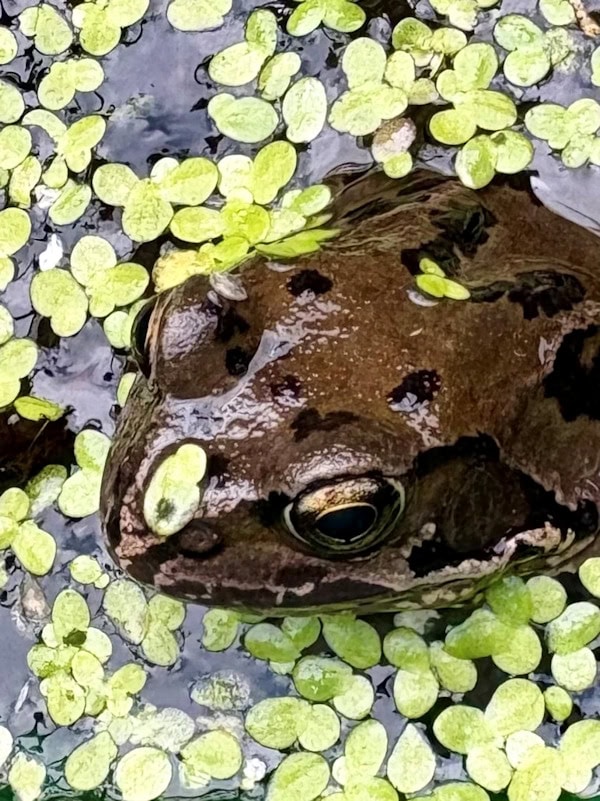
A small patch of my front garden has remained untouched this year and has a five-spotted burnet moth and a common blue butterfly in residence, and my back garden pond has a couple of shifty frogs.
The third week and we’re now praying for rain. Undeterred, Brian Laney holds a couple of wildflower walks to raise money for the Bucky Feast. He is a true expert, and he spots 70+ species of plant within the village centre including the three churchyards. A great experience. On a MPR Saturday work party, we see migrant hawker dragonfly plus beautiful demoiselle, southern hawker and ruddy darter. On the way back I stop in at the Buckby Library & Hub for a coffee and note a flock of 50-60 swifts tearing through the air above Market Place. Their stream of screaming calls makes several, startled, passers-by look up. Interesting now that we are halfway through the year, that some birds are already moving back over the parish, mainly from northern clines. Lesser black-backed and black-headed gulls are noticeable, and elsewhere in the county passage migrants are already turning up.
CEP seems full of juvenile birds with scruffy, gingery young blackbirds, spotty robins and pale blue tits blundering around. Like a lot of youths, they are enthusiastic but lack knowledge, finesse and efficiency, and I can see why many fall prey to cats and sparrowhawks.
The Butterfly Conservation annual survey starts though we are amongst the many who suggest its far too late in the season and many of the species have ‘burnt out’. But data needs to be consistent, and this time next year might be completely different. Our timed, static point survey at CEP misses out on a notable 12 common blue butterflies (10m 2f) but still records a reasonable list.
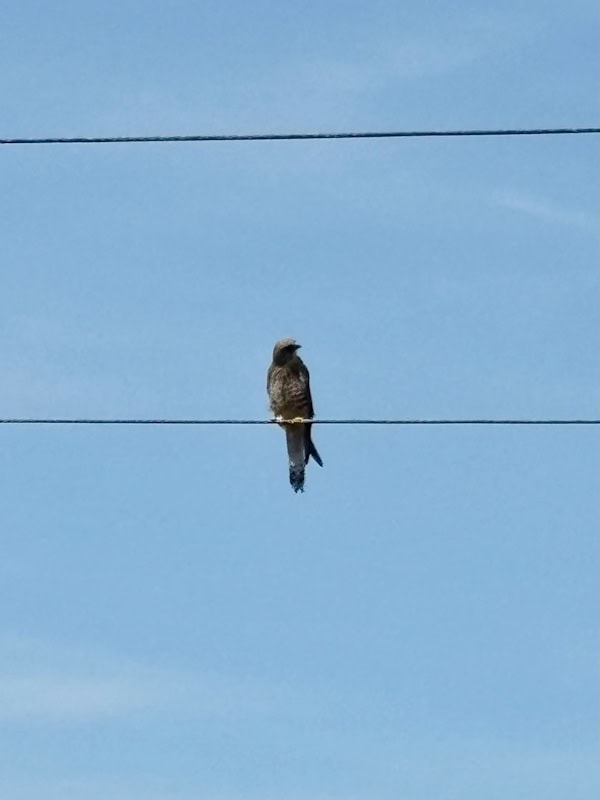
The last week of July (23rd) started with a fly-over Hobby. This small, agile falcon loves to prey on swifts, swallows and martins but is equally happy hawking dragonflies. They seem to have declined, then so have all the above-mentioned prey species. That night an oystercatcher ( a black and white wading bird, normally seen at the seaside) flies over calling whilst I’m half asleep and on the 24th and my third flyover in 24 hours is a yellow wagtail, again, now rare with us. The butterflies that have been so prolific are now disappearing with numbers and species at CEP declining almost daily, but the common blues have had a great year so far and are joined by a brown argus butterfly on the 27th. Whilst there we see a family of mistle thrushes and a young green woodpecker. Other wildlife reported/noted in the last week include water scorpions, house crickets, southern hawkers, juvenile buzzards, foxes, rabbits, speckled wood butterfly and good views of four hares in a harvested field behind Mill Park. On the 26th my breakfast is interrupted by a vaguely familiar sound… its rain, but alas not enough to register on the official rainfall gauge.
On my birthday (30th for future reference…) I go out looking for signs of bird migration and find a pair of redstarts (passage migrants) at CEP. They really are gorgeous-looking birds and are making their way through the UK to migrate to Africa within the next month or so.
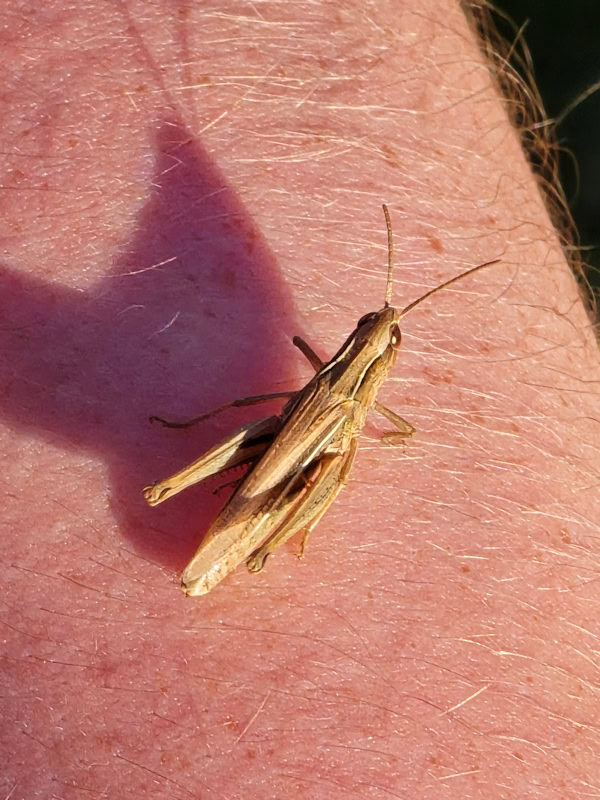
On the theme of finding insects with long common names (you recall the recent longhorned beetle and longhorned moth…) I find a lovely hoverfly named, ‘superb anthill hoverfly’ ! (Xanothogramma pedissequum) I would love to be at the meetings when they get to decide the common names of creatures that have only had scientific names up to that point. On the 31st we carry out a bit of a survey on grasshoppers at CEP and find Roesel’s bush-cricket, long-winged conehead, and common green, meadow, field and lesser marsh grasshoppers.
I would like to mention a new group we are forming to try to save some of the small green paddocks, and the duck pond in the village from development. We argue that the village will become an urban sprawl with increasingly less access for villagers to green areas if these places are built on. We know that further building is bound to happen beyond them in the future so why not retain these smaller green places now to break up the inevitable sprawl? We would have a series of green ‘lungs’ for people to access for their health and happiness. The areas would be purchased and put into trust for our community and future generations. Please consider helping us with this vision. We are… A Legacy 4 Long Buckby.
David Green’s weather report
Max’ temp’ 36.19c on the 9th at 1909h. Min’ 5.3c on the 20th at 0506h. Precipitation, 0mm.