Village Wildlife Diary April 2025

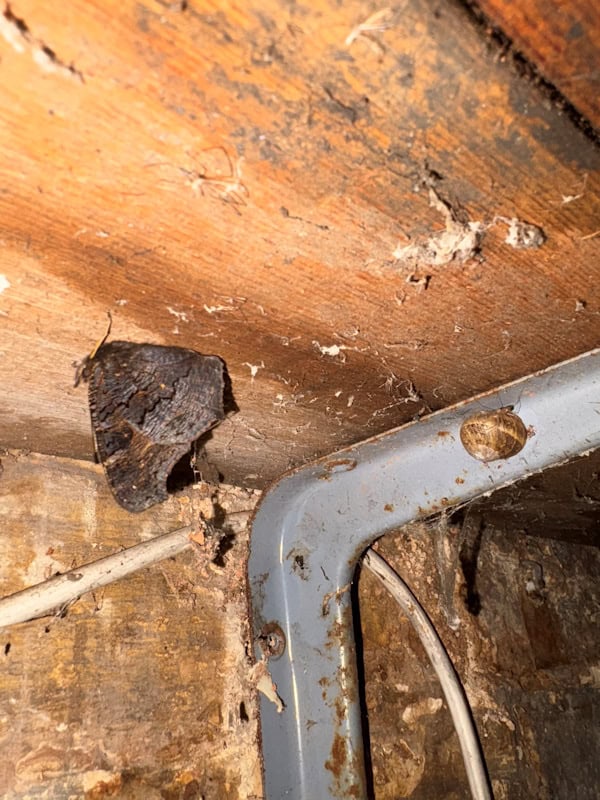
Too cold still
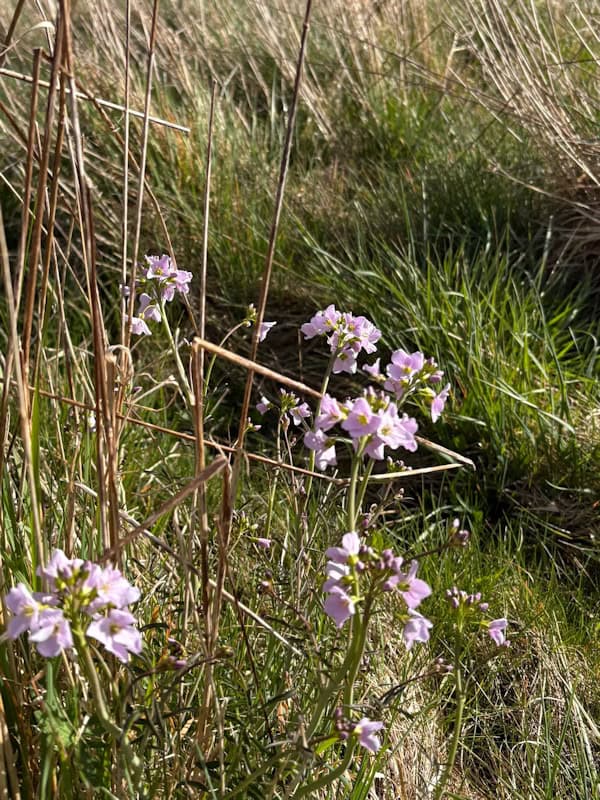
Ladies smock

1st April, a touch of winter still first thing, with fieldfares and meadow pipits off Lodge Lane, but the sun is stronger day by day and by midday and there are displaying buzzards over the village.

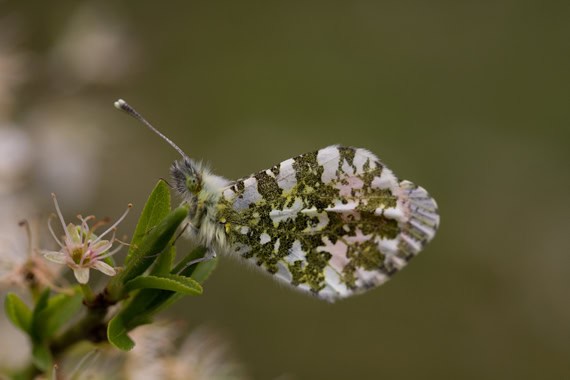
3rd April, yes! An orange-tip butterfly, the first butterfly to actually emerge from a chrysalis in spring (as opposed to having over-wintered as an adult). I see bees on the ancient mud on Miles Lane and hear coal tit and mistle thrush singing off West Street.

The 4th, and I try looking for snipe at CEP and after a while see three. Their camouflage is such that their shape must be unpicked from their surroundings like doing a jigsaw in reverse. They don’t breed here so will soon be gone. Two jays about as well.

5th April, my annual spring quest to see a passage migrant is satisfied with a beautiful male wheatear on the field fence posts on Foxhill Road. This is a favourite stop-off for them on their way north in spring and on their way back in late summer. I pop over to Ravensthorpe reservoir in search of summer migrants and see a family of little gulls over the water. They are small, light, delicate, almost dove-like gulls far removed from the big, noisy herring-type gulls that hustle at the sea-side.  A visit to Hanglands and I find a rare water shrew and a commoner short-tailed field vole.  Jenny reports four (larger) deer, a muntjac and a hare from Grange Farm.
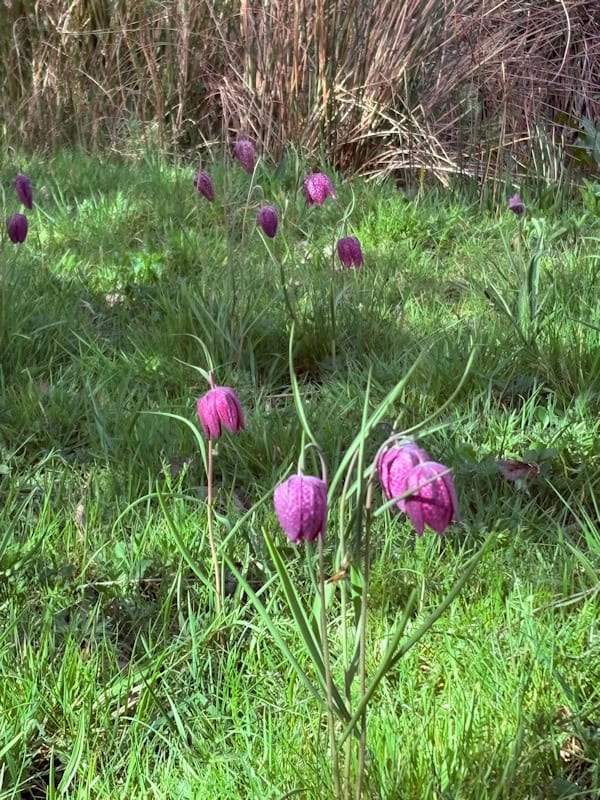
Fritillaries
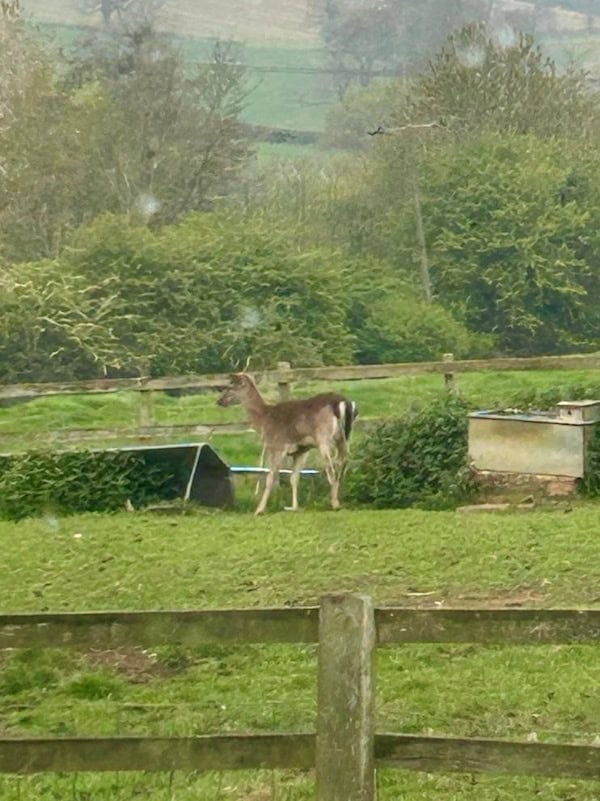
Fallow

6th, Cath sees a swallow over Wright Road. A walk from Mill Park to Evans’ Pond produces many butterflies including 20+ peacocks, several orange-tips, green-veined whites, comma, brimstone and small tortoiseshell. A toad calling at Mill Park.

On the 8th willow warblers singing on William Road and off West Street were the first of the year. Cherry and magnolia blossoms around the village are outstanding.

9th, Steve photographs six deer, and on inspection they turn out to be fallow deer. Non-native and kept at stately homes;  have they escaped from Althorpe? Sue Ebbage sees the first holly blue of the year along with an orange-tip in her garden. 100+ fieldfares, jay, bullfinches and reed bunting at CEP.

Nichola reports swallow from off Brington Road on the 11th.

Still a snipe at CEP on the 12th, also a rabbit. Cuckoo flower, kingcup, cowslips, violets, fritillaries, primroses and the first campions in flower. Yellow wagtail and meadow pipit fly over and a peregrine over Lodge Park Farm off West Street. Dotted bee-fly, large white and speckled wood butterflies noted.

The 13th Adam sees grey heron and snipe at CEP. Also willow warbler, blackcap and chiffchaff heard. Lots of good weather now helping our summer migrants get to their breeding grounds.
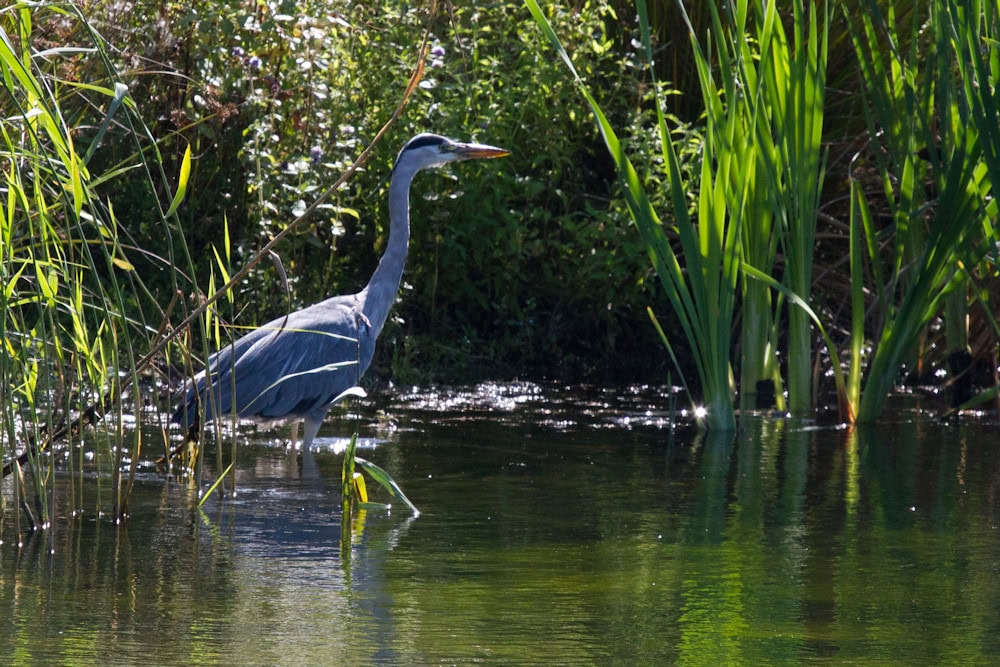
Heron
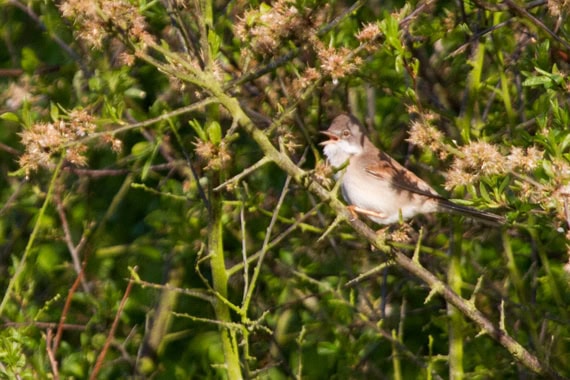
Whitethroat

Tawny owls calling at CEP on the 16th.

Mike reports otter activity from Willow Mill and there at tadpoles at Mill Park and Cotton End Park with two jays and red admiral noted at the latter.

22nd April. Six species of butterfly and four warbler species at CEP including the newly arrived whitethroat. Jenny sees a fallow deer in the paddock with her sheep. A roe deer seen off Watford Road and a muntjac at CEP, all three deer species in one day! Cath hears whitethroat from Wright Road and hedgehogs and bats reported from Greenhill Road and Spencer Road.

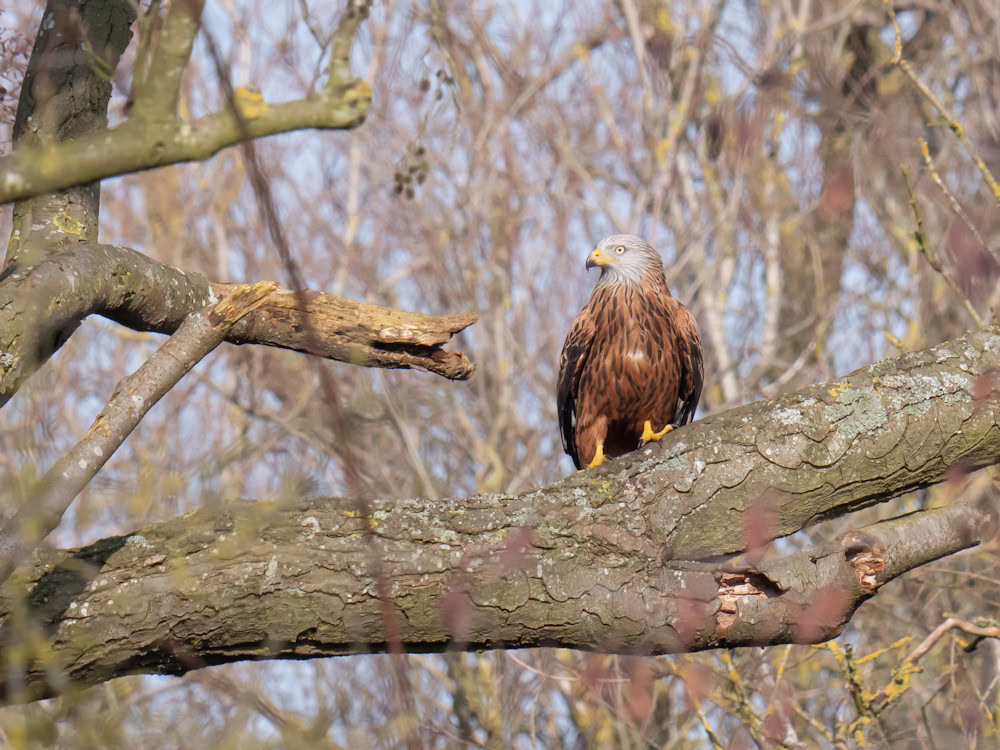
26th April, a fly-over yellow wagtail seen whilst watching four buzzards and a kite over the village. Late evening cloud and Billy and I see the first swifts of the year, with two over Lakeside.

27th a super sunny Sunday afternoon and the first house martin is seen over The Old Kings Head, Chris sees a swift, and three now over William Road. Holly blues reported, also kite and Sparrowhawk. Fledgling birds reported and a report of jackdaws trying to reach a starling’s nest under the eaves of a house. The first lesser whitethroat heard at CEP and a pair of jays.
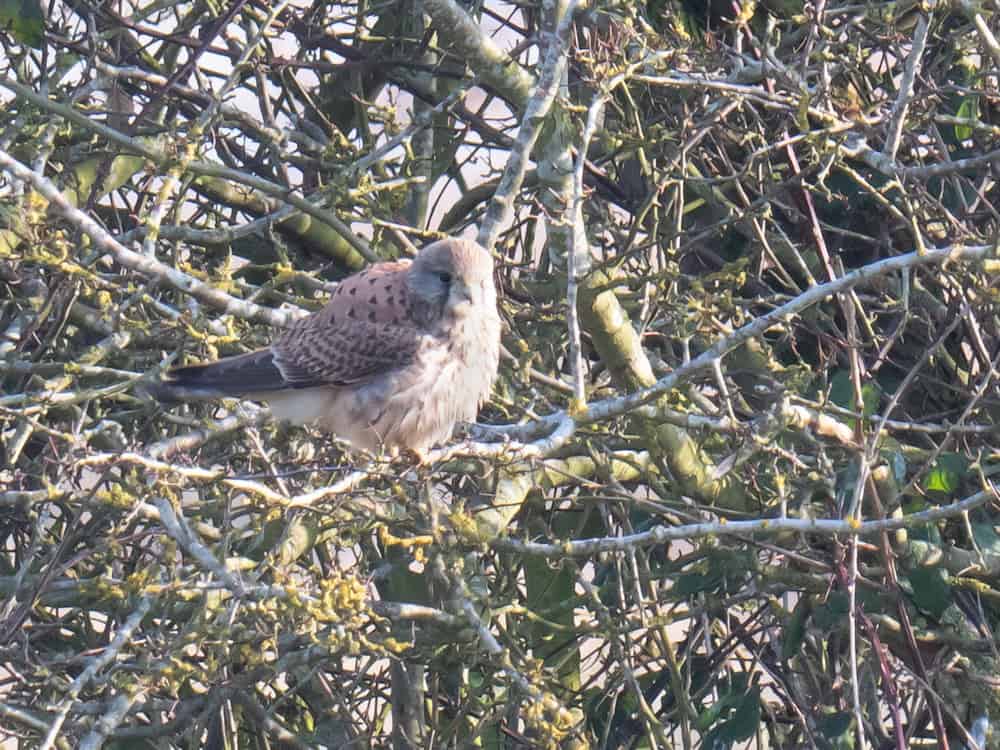
Kestrel
Orange-tip

28th The pond at CEP is clear and standing quietly by the edge for a few minutes produced a male toad, and several smooth newts. A male kestrel is about, and three swallows are seen over the junior school.

30th The sun continues to shine, and those frosty mornings have abated leaving and stand of cowslips on my lawn… They haven’t been there before, and I wonder if the frost has kick started germination in some long-dormant seeds. The first of the dragons and damsels is found at CEP, a large red damselfly, described accurately as ‘a red matchstick with wings’ by the observer. A slow-worm found off South Close was a surprise.

David Green’s weather report. Max’ temp’ 27.7c on 30th at 1740h. Min’ -1.6c on 17th at 0412h. Rain, 20mm.
Village Wildlife Diary March 2025

first feed
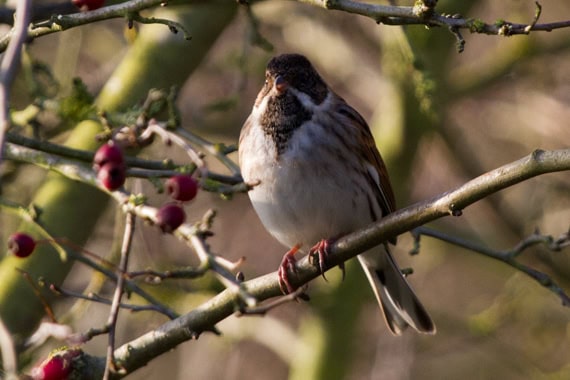
Reed Bunting

As if by magic the 1st of March truly knew it was the first day of meteorological spring. Having seen not much in the way of bird species in the last few weeks, a visit to Cotton End Park produced singing reed bunting, yellowhammer, linnet, song thrush, wren, blackbird, robin, dunnock and blue tit. A brimstone butterfly and a big queen bumblebee added to the joy. At Mill Park Reserve both smooth and great-crested newts were seen.

On the 2nd, peregrine, cormorant, and snipe were seen going over CEP and a pair of continental herring gulls (what we now call yellow-legged gulls) were seen in the field behind. A little egret at MPR and summer plumaged black-headed gulls on the playing fields reported.

Smooth Newt
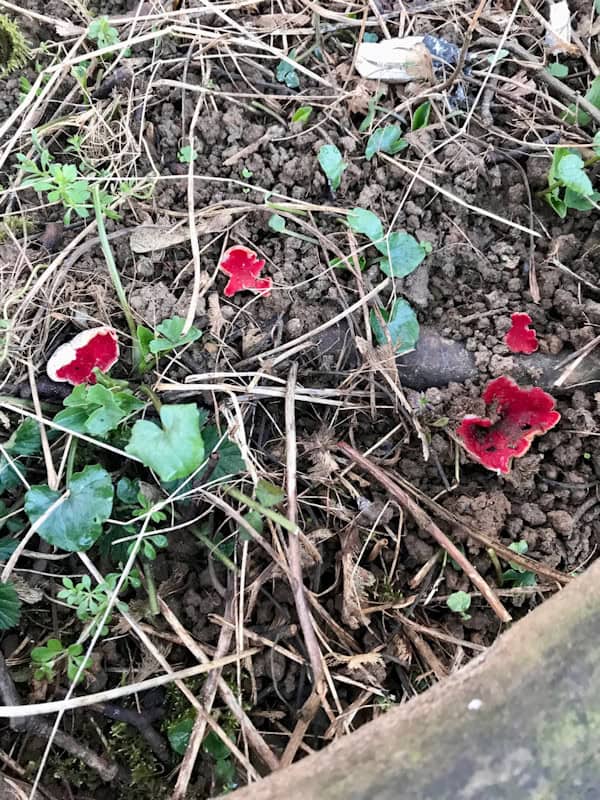
Scarlet Elf Cup

The 3rd, Jane and Richard see barn owl off Brington Road, a snipe seen in the Co-op Field off The Banks, greenfinch singing at William Road, and David, and others, report bats.

On the 7th, Birds calling at CEP included green and great spotted woodpeckers, and red-legged partridge… and briefly a chiffchaff (the first of the summer migrant birds!) but so I didn’t get carried away by all this talk of spring, a mixed flock, perhaps fifty each of wintering fieldfare, redwing and starling, were in the tops of the ash trees.

Cath hears chiffchaff from off Wright Road, a red admiral and brimstone noted, and a few scarlet elf cup mushrooms found.

Kite
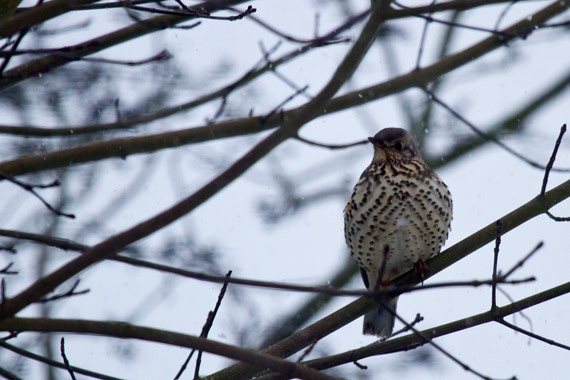
songy

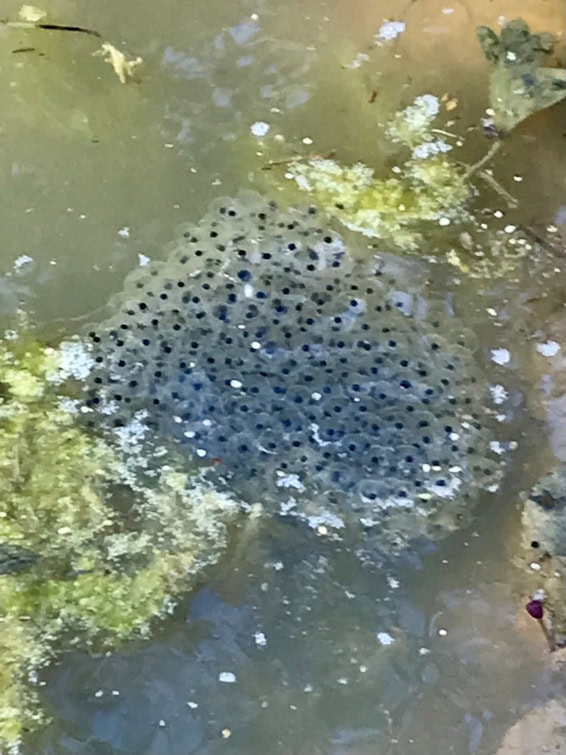
15th March, feeding the sheep at CEP and a large female sparrowhawk comes over and flushes a male blackbird, the chase is on, and the two disappear from view. Mistle thrush, snipe, linnet and kite seen. A search of the various ponds for frogspawn draws a blank when I remember the small muddy, dew pond in the ditch by the sheds, and there I find three clumps. The pair of yellow-legged gulls are still about.

19th, peacock and brimstone reported almost daily.

20th March, the equinox is upon us! A lunchtime stroll sees redwings, chiffchaffs, mallards, and meadow pipits.

Clump
King Cup

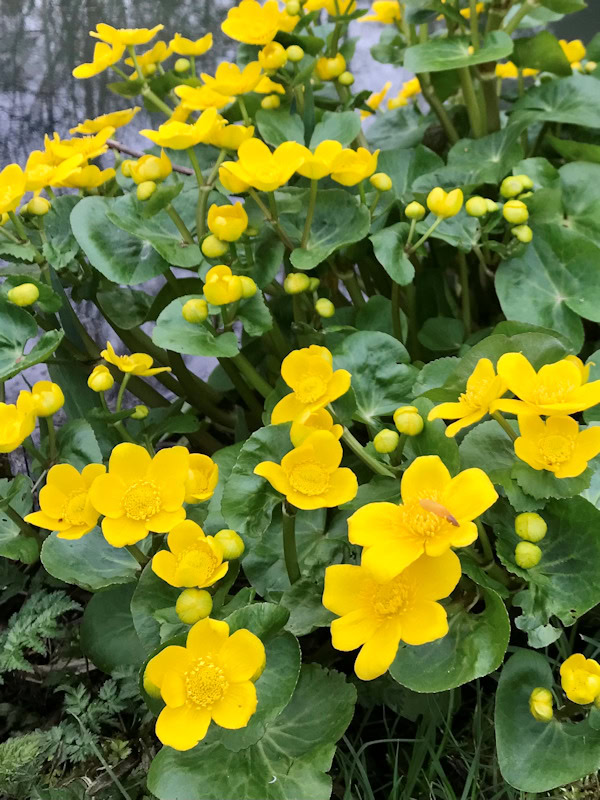
21st, frogs in the vernal pond at CEP also 3 snipe. Coltsfoot, king cup and snakes-head fritillary are just blooming.

23rd, yellowhammer, linnet and skylark off Foxhill Road, mistle thrush, fieldfare, meadow pipits and a pair of pied wagtails off Lodge Lane, and CEP has raven, moorhen and a dozen clumps of spawn.

Shoulder Stripe
The Herald

28th, Norman reports chiffchaff, the first blackcap, great-spotted wood’, and greenfinch from Stanhouse Close.

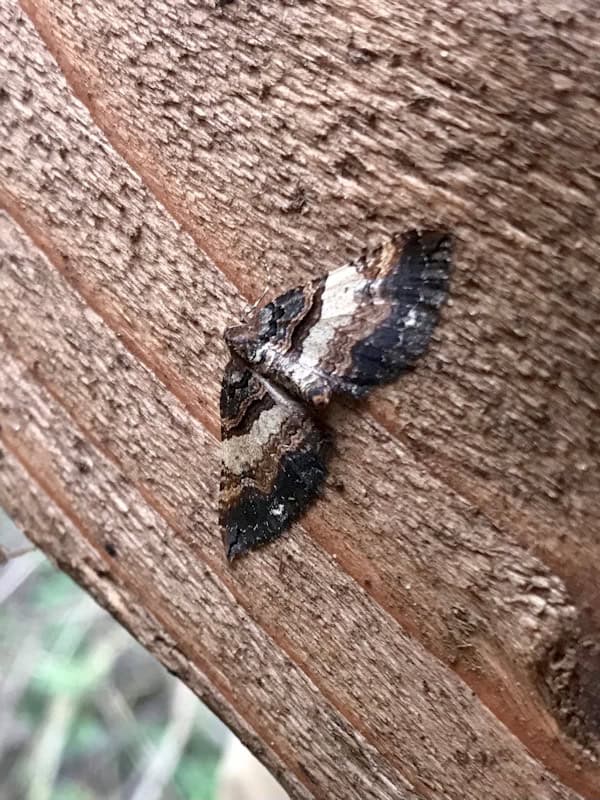
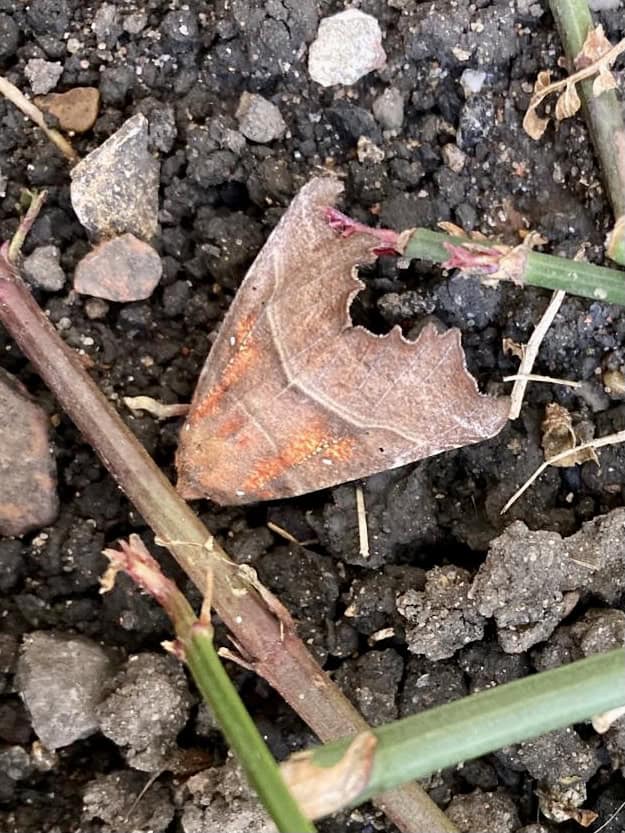
30th, An amazing stretch of good weather is pleasing the shepherds. Evans’ Pond has a pair of dabchick and gadwalls, David sees bats off Ashmore, Adam sees the herald moth and Grace sees comma and bee-fly.

David Green’s weather report. Max’ temp’ 20.6c on 20th at 1431h. Min’ -4c on 2nd at 0637h. rain, 29.2mm mostly on 22nd.

Village Wildlife Diary February 2025

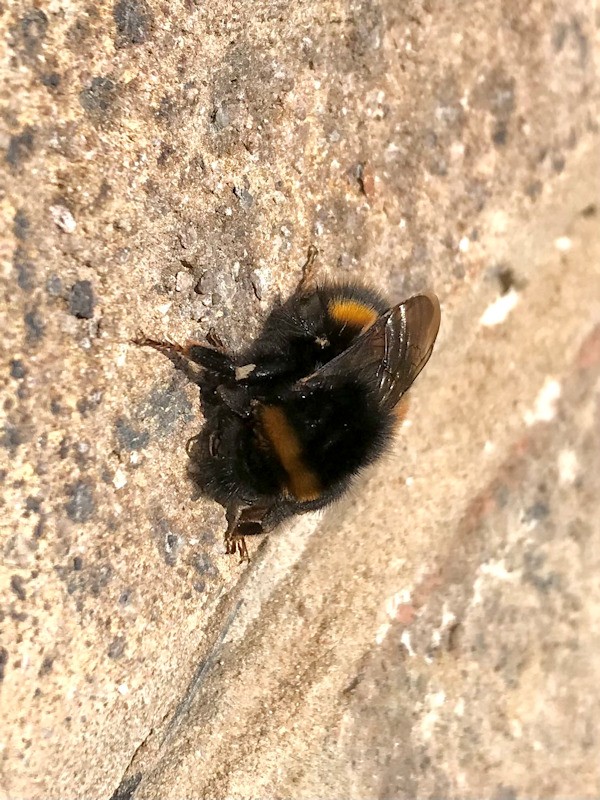
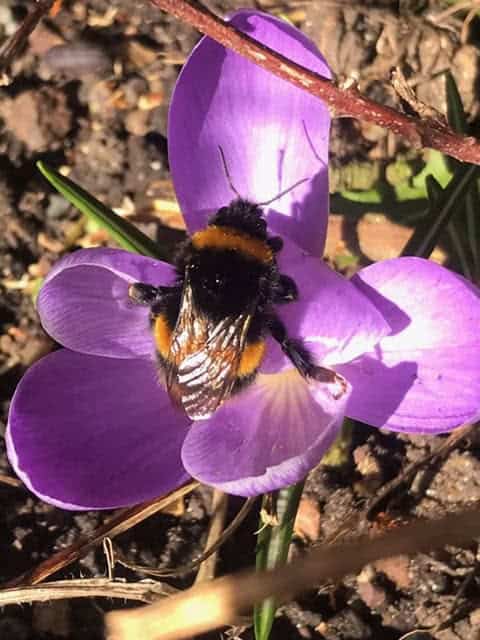
Queen Buff-tail
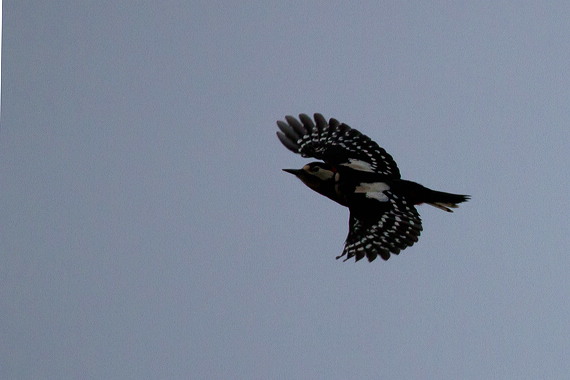
Great Spotted Woodpecker

Last month’s minor rant regarding our country’s supposed imminent need for millions of new houses has sparked a small response. Mark asked ‘what happens if there is continual expansion and urbanisation? … surely we’ll run out of space and resources, creating a far greater problem?’. Another wondered about the consequences of the government using house-building as a way of employing people, suggesting a classic ‘boom’ while it lasted and a devastating bust when it ends. A couple asked about the degradation of the planning laws and the ‘developer’ free-for-all that will follow. Steve was distressed by the fact that our local authorities were powerless to stop development and the community’s perceived loss of democracy.

My final thought on this subject is that I was born and raised and chose to live in a village (you might say I am lucky to have that choice). A village is a distinct entity, a small, functioning community within and part of the countryside. There is rural and there is urban; but continued building in villages destroys them though creeping urbanization. It is comparable to the mechanisms for cancer. Our village, along with tens of thousands around our country, have been subject to excessive additional housing that has severely compromised its village status and communities, their amenities, infrastructure and residents are being forced to cope with that change.

Cold and wet, warm and wet, cloudy and wet, ah February.

7th February, I’m at Cotton End Park and I have my thermal imager (a monocular that sees temperature variation, increasingly used by wildlife surveyors to spot wildlife, day or night, without disturbing it). I spot dozens of fieldfares and redwings feeding hidden in the undergrowth and I also find a sleeping fox, all invisible and liable to be disturbed by me as I continued. With my conventional binoculars I see chaffinches, skylarks and long-tailed tits. Everywhere is wet.

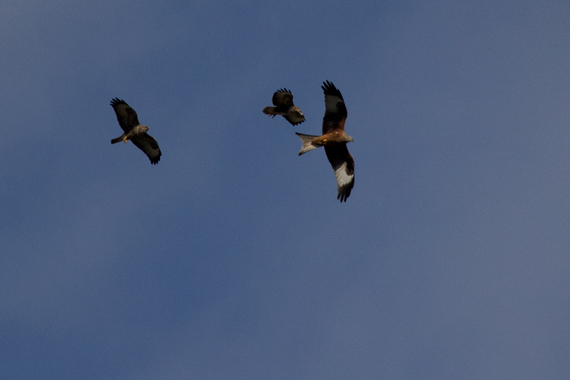
Buzzards and Kite
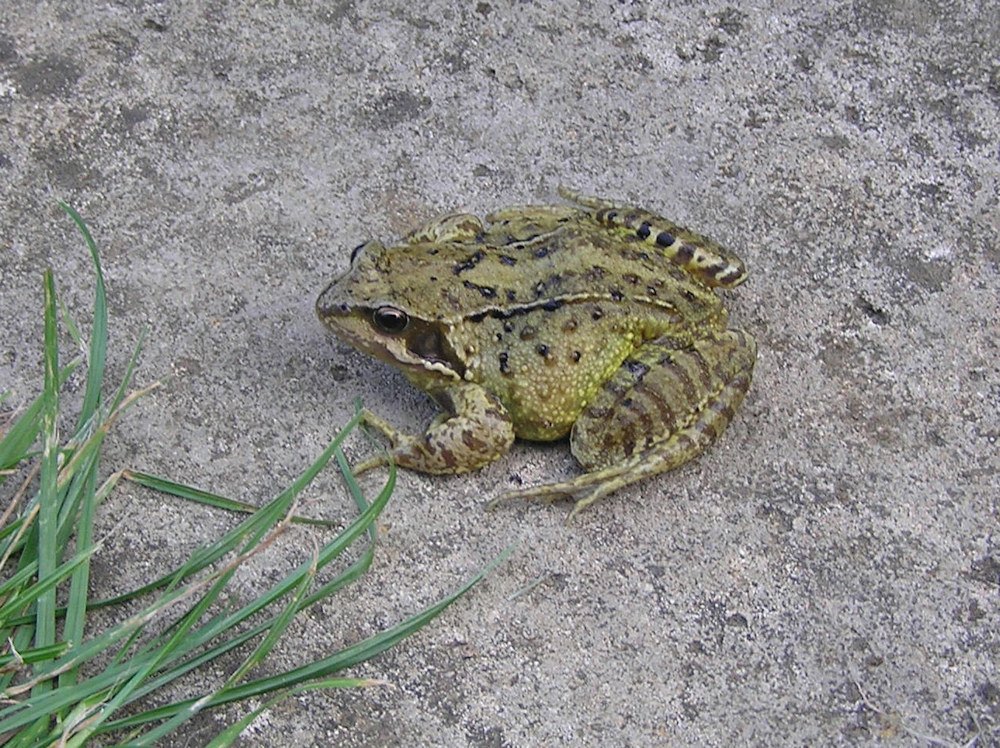
Frog

Lapwings! About fifty over the wharf.  There seem to be a number about this winter on the high, flat fields on the A5 and Daventry road. Nichola has a few tree sparrows feeding in the yard at her farm. Jenny reports a drumming woodpecker from Vanderplank Covert off Foxhill Road. Mike sees a a young otter at Willow Mill. I hear a moorhen flying over the Old Kings Head. Brian rescues a toad on the 18th, I see a frog crossing the road on the 20th. I am working on a nearby farm and spot a dark, robin-sized bird with white wing-panels sitting on a fence. It briefly sits and I get a good look; a flick of the tail shows me it’s a male black redstart. It immediately rains and we both retreat. Back at the park and the Rooks are noisy deciding which part of the crown of the ‘gas- works ash’ to nest in, there is enough mildness for gnats and ladybirds to be showing and a queen buff-tailed bumblebee takes to the air after months in hibernation. Primroses, snowdrops and crocus are now interspersed with the green rockets of upcoming daffs’ On the 22nd Sue Ebbage, provider of most of the images shown within these diaries over the years, sees a male brimstone butterfly off Lakeside.

During the last week the weather settles, as it often does at this time of year, and I see nine kites and two buzzards together in some sort of high-level meeting regarding territory. Singing greenfinch, chaffinch, wren, dunnock and goldcrest on Benbow Farm and a squashed frog on Harbidges Lane. Hello Spring.

David’s weather report as follows; max temp = 15.8c at 1217h on 21st, min temp = -2.7c at 2302h on 2nd. Precipitation 37.2mm.