
Last month’s minor rant regarding our country’s supposed imminent need for millions of new houses has sparked a small response. Mark asked ‘what happens if there is continual expansion and urbanisation? … surely we’ll run out of space and resources, creating a far greater problem?’. Another wondered about the consequences of the government using house-building as a way of employing people, suggesting a classic ‘boom’ while it lasted and a devastating bust when it ends. A couple asked about the degradation of the planning laws and the ‘developer’ free-for-all that will follow. Steve was distressed by the fact that our local authorities were powerless to stop development and the community’s perceived loss of democracy.
My final thought on this subject is that I was born and raised and chose to live in a village (you might say I am lucky to have that choice). A village is a distinct entity, a small, functioning community within and part of the countryside. There is rural and there is urban; but continued building in villages destroys them though creeping urbanization. It is comparable to the mechanisms for cancer. Our village, along with tens of thousands around our country, have been subject to excessive additional housing that has severely compromised its village status and communities, their amenities, infrastructure and residents are being forced to cope with that change.
Cold and wet, warm and wet, cloudy and wet, ah February.
7th February, I’m at Cotton End Park and I have my thermal imager (a monocular that sees temperature variation, increasingly used by wildlife surveyors to spot wildlife, day or night, without disturbing it). I spot dozens of fieldfares and redwings feeding hidden in the undergrowth and I also find a sleeping fox, all invisible and liable to be disturbed by me as I continued. With my conventional binoculars I see chaffinches, skylarks and long-tailed tits. Everywhere is wet.
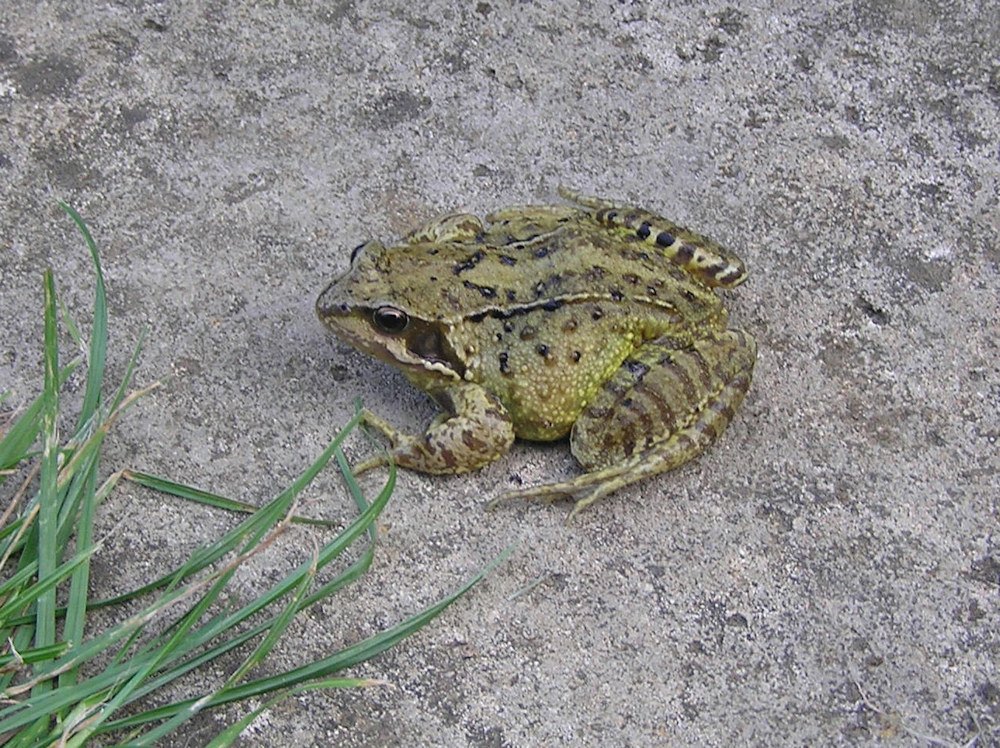
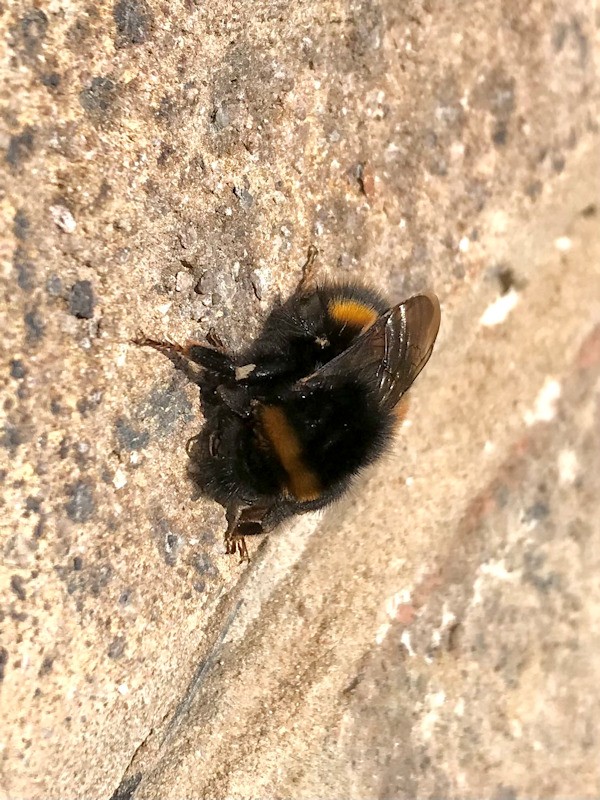
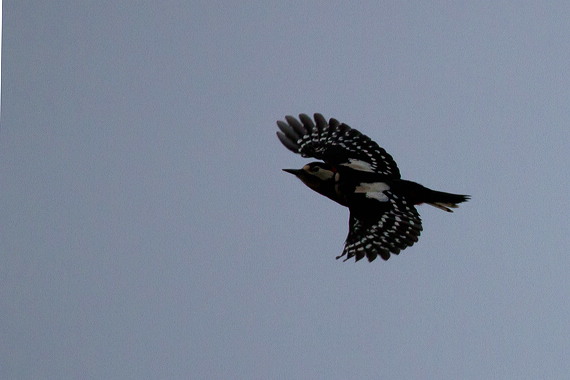
Lapwings! About fifty over the wharf. There seem to be a number about this winter on the high, flat fields on the A5 and Daventry road. Nichola has a few tree sparrows feeding in the yard at her farm. Jenny reports a drumming woodpecker from Vanderplank Covert off Foxhill Road. Mike sees a a young otter at Willow Mill. I hear a moorhen flying over the Old Kings Head. Brian rescues a toad on the 18th, I see a frog crossing the road on the 20th. I am working on a nearby farm and spot a dark, robin-sized bird with white wing-panels sitting on a fence. It briefly sits and I get a good look; a flick of the tail shows me it’s a male black redstart. It immediately rains and we both retreat. Back at the park and the Rooks are noisy deciding which part of the crown of the ‘gas- works ash’ to nest in, there is enough mildness for gnats and ladybirds to be showing and a queen buff-tailed bumblebee takes to the air after months in hibernation. Primroses, snowdrops and crocus are now interspersed with the green rockets of upcoming daffs’ On the 22nd Sue Ebbage, provider of most of the images shown within these diaries over the years, sees a male brimstone butterfly off Lakeside.
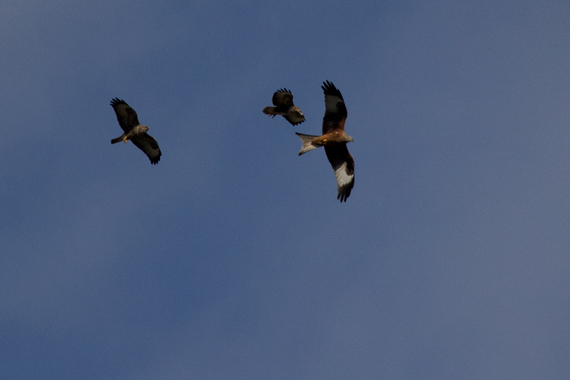
During the last week the weather settles, as it often does at this time of year, and I see nine kites and two buzzards together in some sort of high-level meeting regarding territory. Singing greenfinch, chaffinch, wren, dunnock and goldcrest on Benbow Farm and a squashed frog on Harbidges Lane. Hello Spring.
David’s weather report as follows; max temp = 15.8c at 1217h on 21st, min temp = -2.7c at 2302h on 2nd. Precipitation 37.2mm.