
1st February, a barn owl, the original ghost, floats over the roadside with such lightness that the displaced air from the vehicle in front of me makes the bird twitch in mid-flight. I slow to get a glimpse but it melts away. Alan has his annual visit from a/the local rook. Same time each year the bird(s) takes advantage of his bird-feeder fat balls. My friends at Portland Bird Observatory in Dorset experience the same phenomena annually.
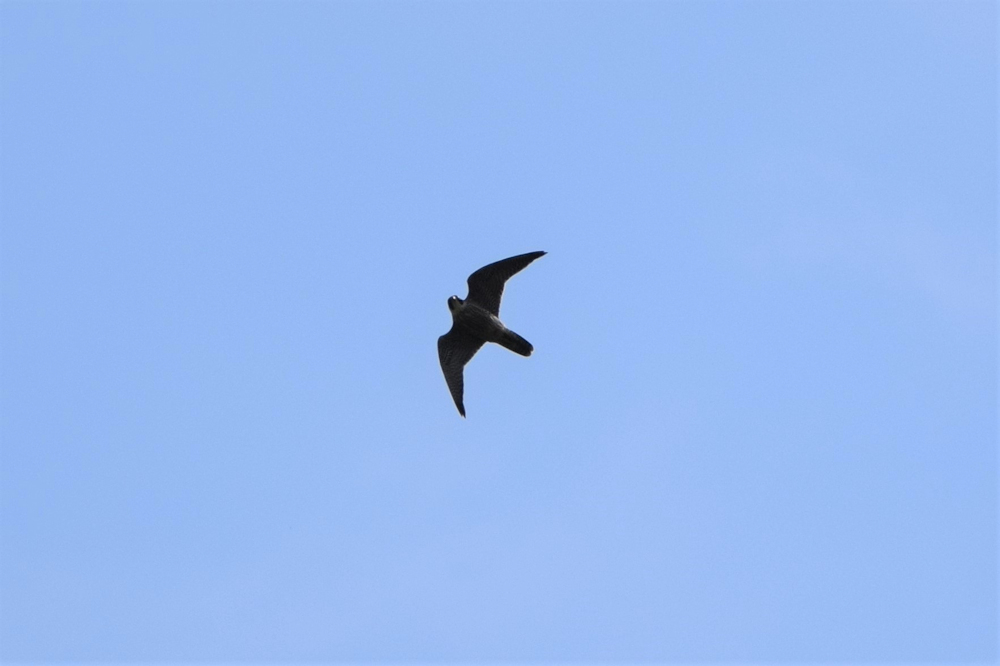
3rd February, I am on my rounds at Cotton End Park and the background chatter of rooks and jackdaws slowly ceases and there is a silence. I have a feeling and look up and around, and there cruising over is a peregrine. Paralleling it fifty yards away is another, a smaller bird perhaps a male. As they pass over the male suddenly flies upwards, checks, then swoops down disappearing behind some trees. Out of the other end of his direction comes a scattering of wood pigeons, a dozen exploding in all directions. The female flips sideways and locks on to one then powers forward with astonishing acceleration. I strain to see as they all vanish against the distant hillside.
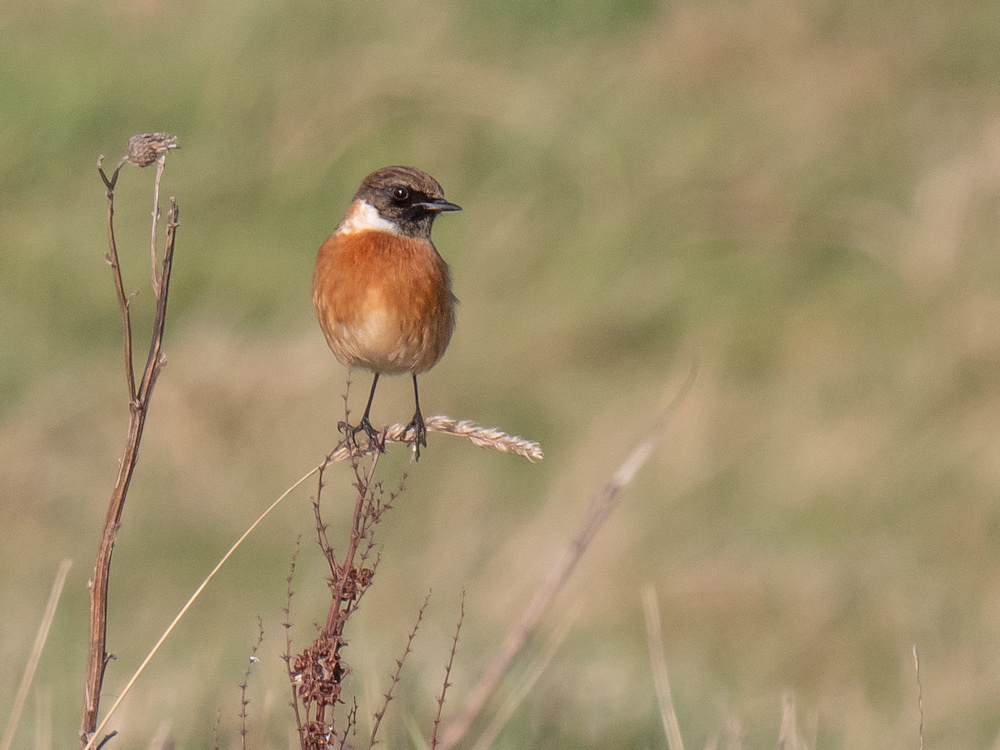
8th February, dog walking takes me into the landscape and I always feel that our access to the countryside is taken for granted. The fields are some ones land, their workplace and us villagers particularly the dog owners should be thankful that we have tolerant farmers and land-owners within our parish. I see two stonechats, a great-spotted woodpecker and hear chaffinch and skylark. Two mute swans and one cormorant over the village.
9th February, I get a couple of reports from people visiting CEP saying they witnessed the Hunt pursuing a fox across land beyond the park. They clearly saw the fox chased by the hounds and horse.
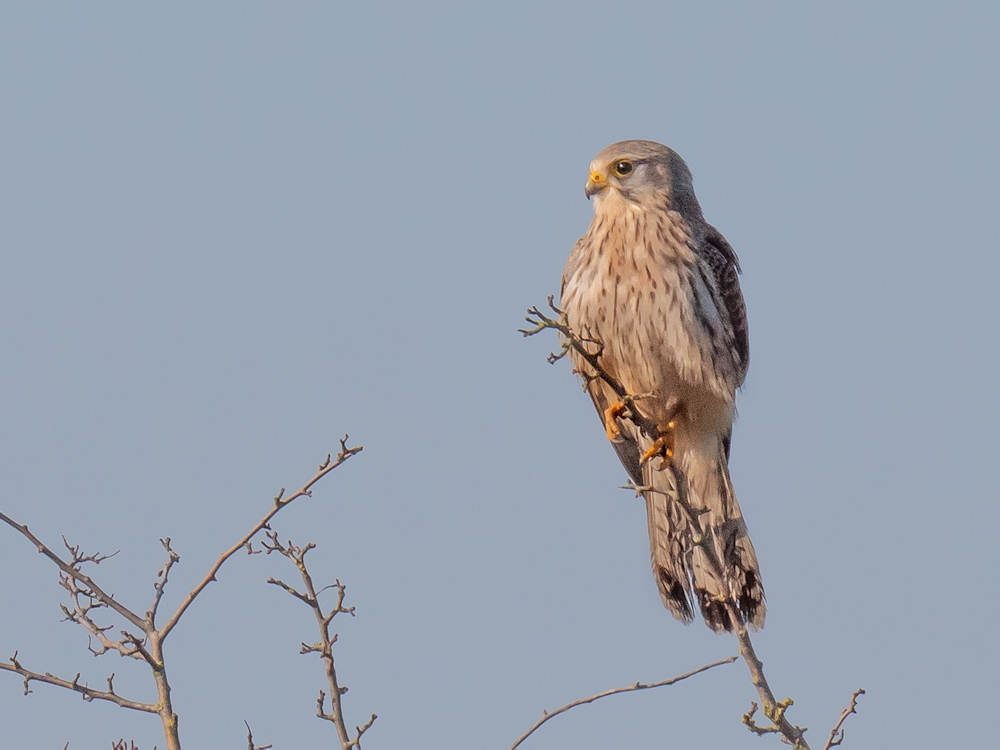
14th February, a bumblebee ventures out and blunders through a cloud on dancing gnats to land unsteadily on my garden fence. White-tailed maybe? Reports of tawny owl hooting near St Lawrence’s and a male kestrel is about CEP. They sometimes breed there. There appear to be less goldfinches about. Two or three people have reported this in relation to visitations to their garden feeders. We have been used to them over the last decade or so and numbers increased as people started stocking their feeders with Niger seed. But have we blundered into the same scenario as with greenfinches and other birds whose populations crashed as they succumbed to trichomonosis a deadly disease that is transmitted from dirty bird feeders?
16th February, after many days of dryness and weak sun, today is dull and damp. Does this stop the skylarks singing? No of course not. Our flora and fauna are all poised for the season of reproduction and pairs of Canada geese are on the search for places to nest.
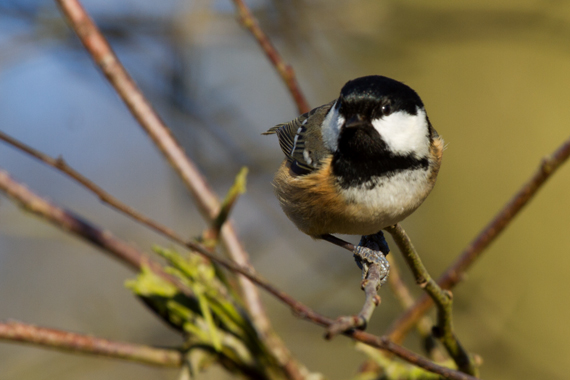
24th February, I hope, like me, that you are heartened by the snowdrops, daffodils and primulas that are flowering. I’ve given up worrying about if they are early or late and whatever that actually alludes to. They are a reassuring, constant, beautiful and resilient and in no time at all will be gone again for another year. Coal tits reported.
28th February, cold and damp after a reasonable dry-ish spell. This February dry spell was once a reliable window in which sheep farmers had an early batch of lambs. “They don’t mind the cold and they don’t mind the wet, but they don’t want both at the same time” as my father-in-law, Peter Spokes used to say.
February’s weather report courtesy of David Green. Max’ temp’ 16.9c on the 17th. Min’ temp’ -5.5c on 8th. Rainfall 7.6mm.