
1st July, with my new book ‘The Butterflies of Long Buckby’ heading towards completion the Ebbages and I are out looking for butterflies at various localities around the parish. We find 30 comma at one site, the 2 white-letter hairstreaks are still Cotton End Park and we find an aberrant small tortoiseshell lacking any yellow on its wings. Beautiful demoiselle, broad-bodied chaser, dabchick and grey heron also seen.
2nd July, Steve sends an image of summer chafer taken at the sports field.
4th July, hairstreaks still at CEP. Check.
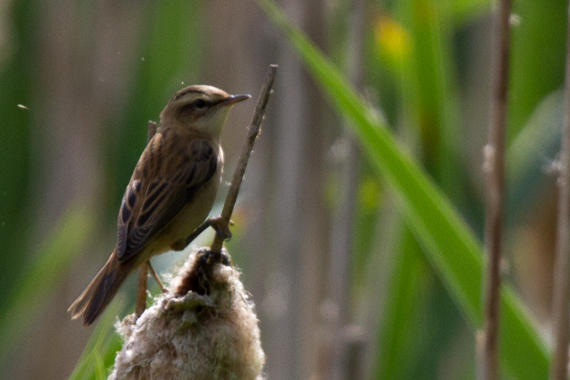
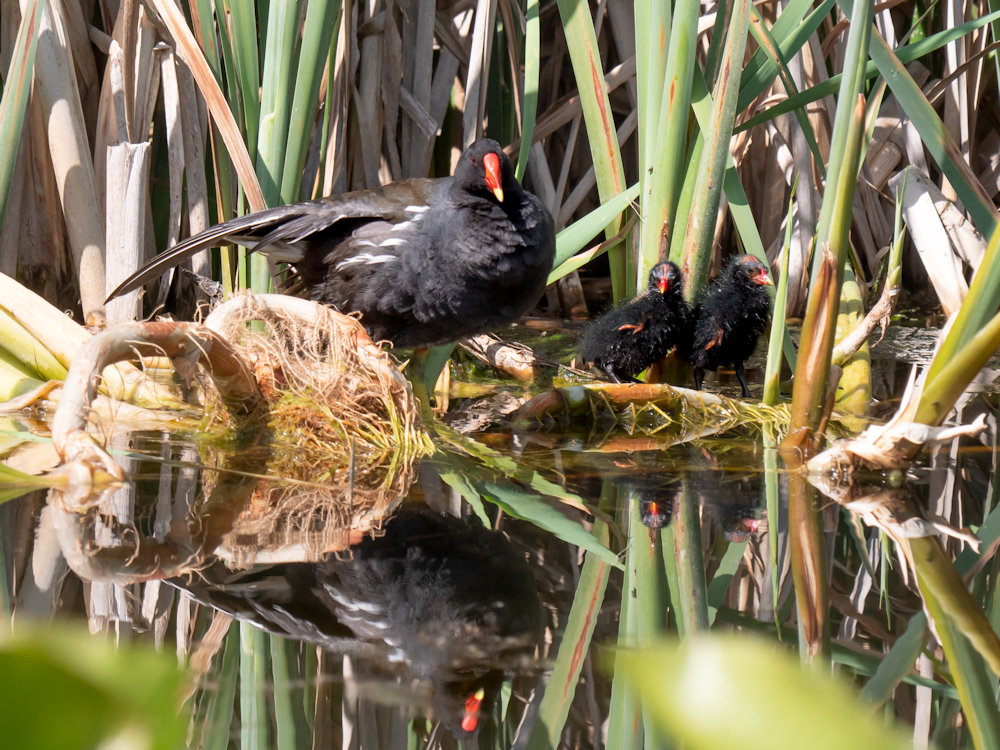
5th July, a dog walk out back and I wade through some growth by the side of a field to a spot where a few years ago there was a common spotted orchid. Behold there are 2 flowering plants there. We are cutting hay and note a frog and a toad in the process. 2 kites come over and follow the mower. CEP has 2 common darter, a singing sedge warbler, and the moorhen has 5 chicks.
7th July, Diana and Cath each report scarlet tiger moth, Chris has marbled white in the Co-op carpark and Alan has ringlets at the Wharf. Brian reports hummingbird hawkmoth from South Close and there is a facebook posting regarding a toadflax brocade moth caterpillar. At lunchtime there is peregrine over the village carrying a jackdaw and in the evening a hobby is prospecting amongst the young house martins over Holyoake.
9th July, 2 maybe 3 hairstreaks at CEP. Check. Chris has holly blue on Lakeside.
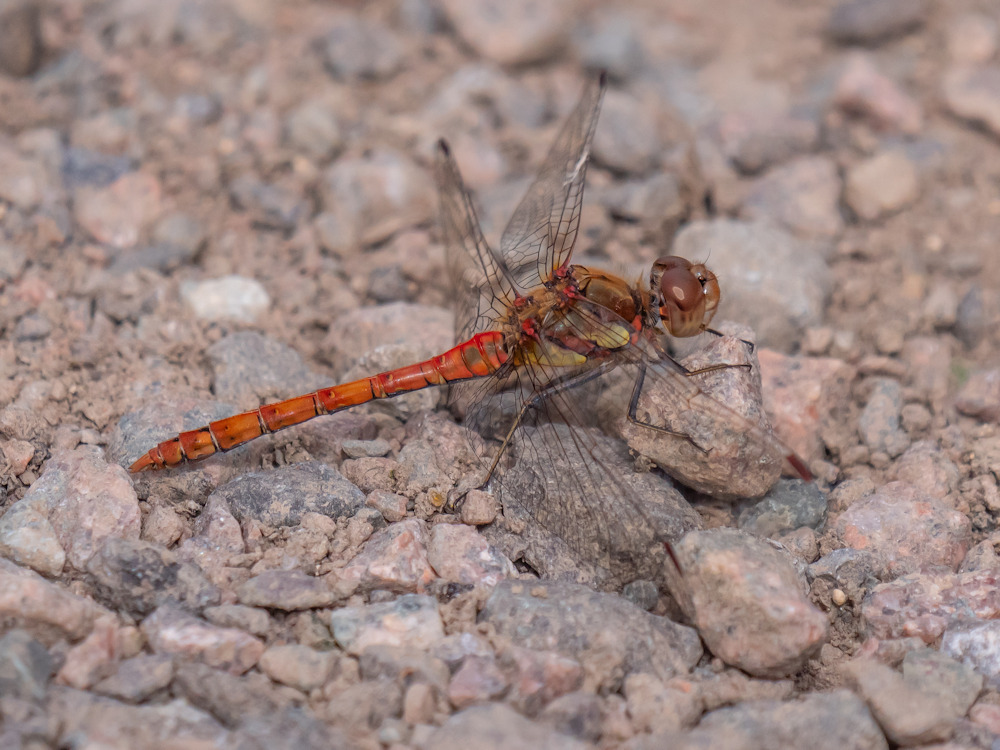
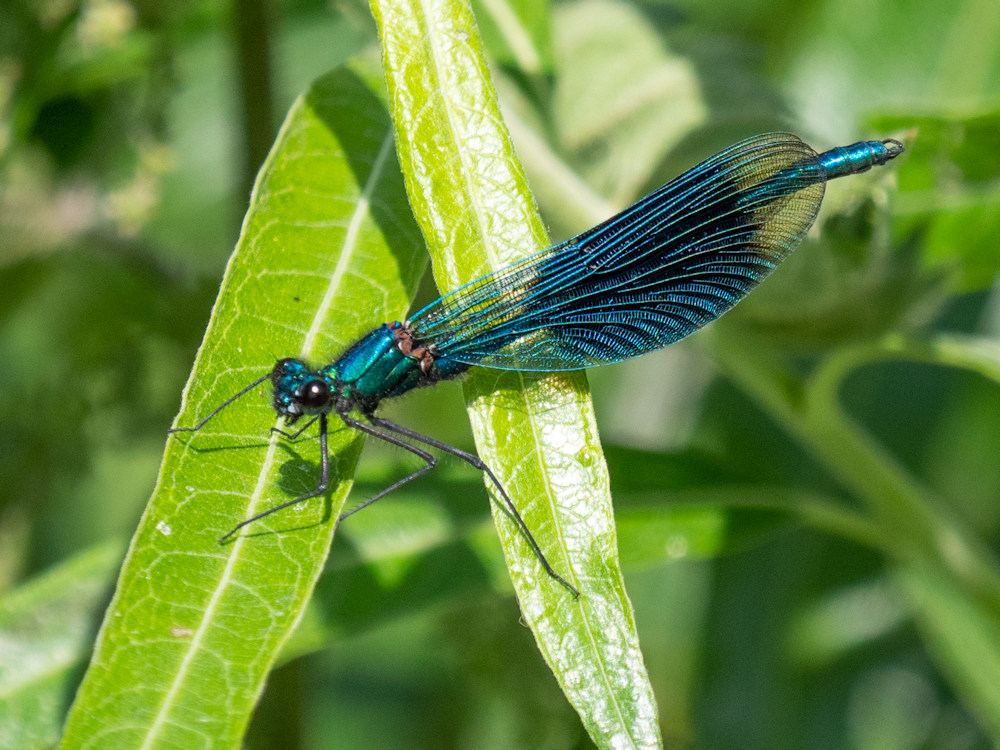
16th July, very warm conditions. 30+ swifts over High Street, sparrowhawk over as well, and a holly blue in our garden. CEP dragonflies include emperor, southern hawker, four-spotted chaser, common darter, emerald damsel, azure damsel and blue-tailed damsel. 12 species of butterfly noted. Jenny has an injured swift that she passes on to animal rescue. We note several bats coming out of a gap in the roof tiles at Grange Farm.
18th July, unusually hot. What strange creatures we are. We traditionally bemoan the lack of summer and pray for sunshine. Now it’s too hot and we’re moaning about the lack of rain. Wildlife activity is limited to the early morning only, even the insects hide away. Ruddy darter and banded demoiselle, brimstone and marbled white at CEP, with singles of greylag goose and grey wagtail flying over. 40 ish swifts over the norther half of the village this afternoon.
19th July, the van says 41degrees and we give up work at midday. The Pitsford Met’ Office climate station officially records 40.2 and our man on Ashmore records 39.5. Thanks David.
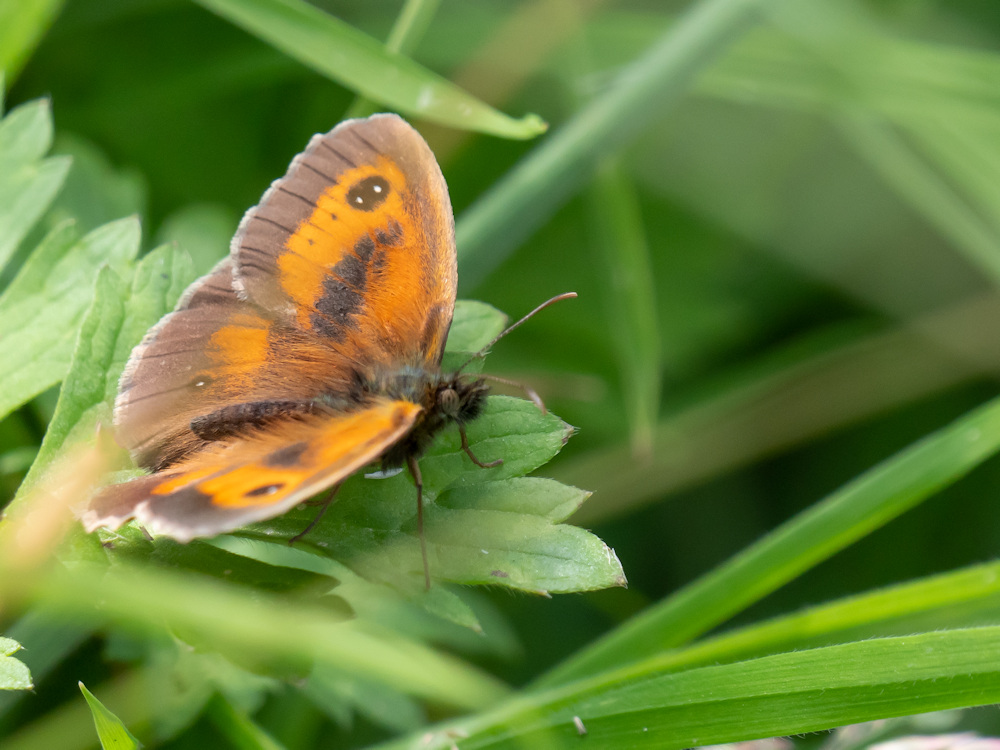
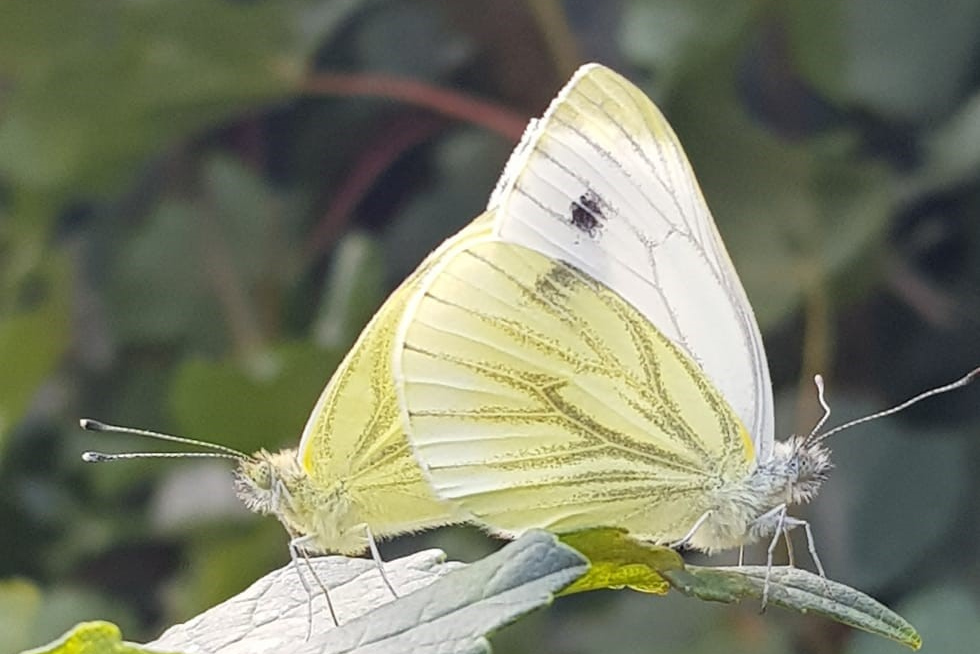
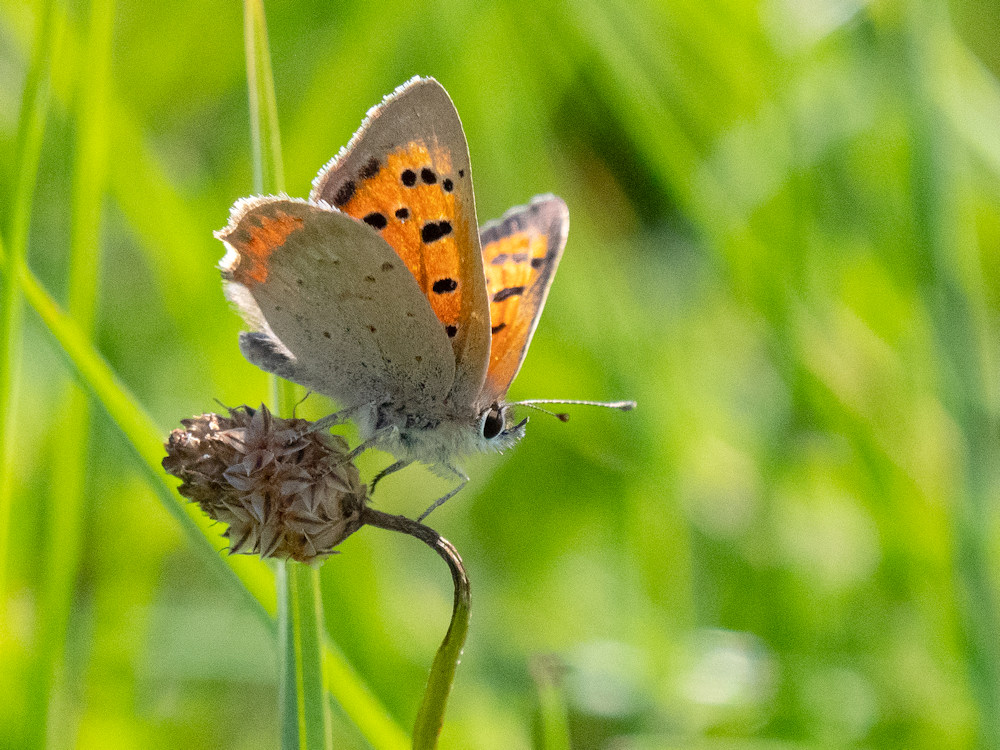
23rd July, lesser hornet hoverfly noted on thistle and 10 swifts heading south-west. At CEP we survey the butterflies and see 3 small white, 2 green-veined white, 3 peacocks, 2 painted ladies, 51 meadow browns, 2 ringlets, 62 gatekeepers, 1 common blue, 1 small copper and large, small and Essex skippers. No hairstreaks.
24th July, pristine red admirals, large white and painted ladies appear about the village gardens. A common blue butterfly but this time a female at CEP.
26th July, the sky has emptied of swifts as the majority start their return journey to Africa. The young leave first along with any non-breeders or immatures. Late afternoon as I search again for swifts a bird comes over at speed. It has a distinctive flight pattern and I suspect green sandpiper. Unhelpfully it doesn’t call.
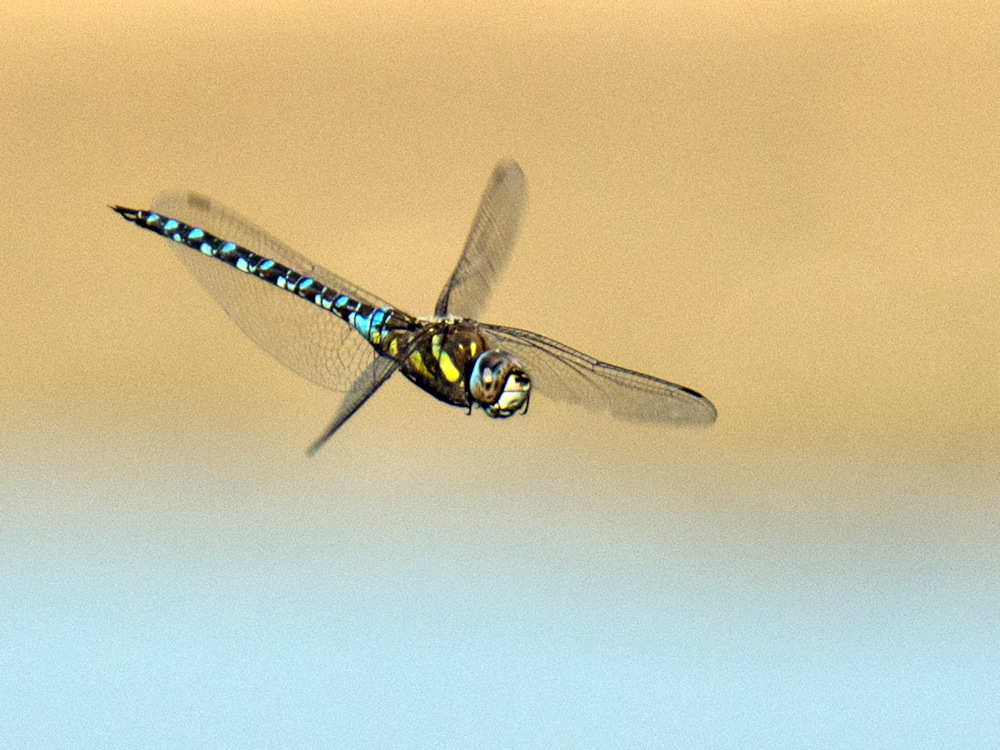
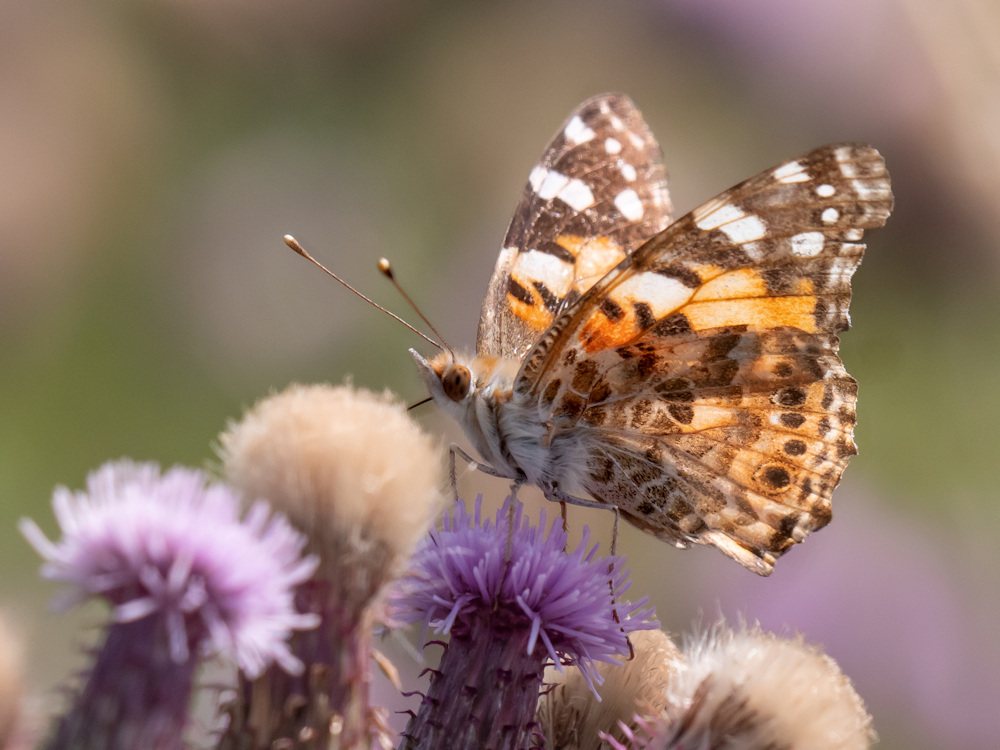
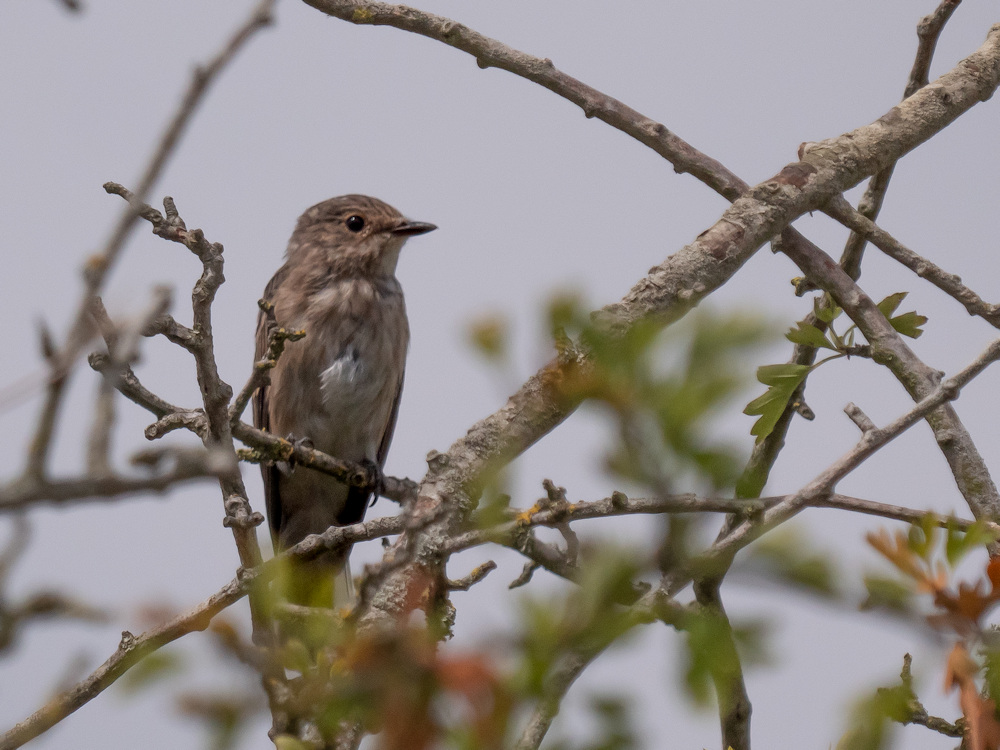
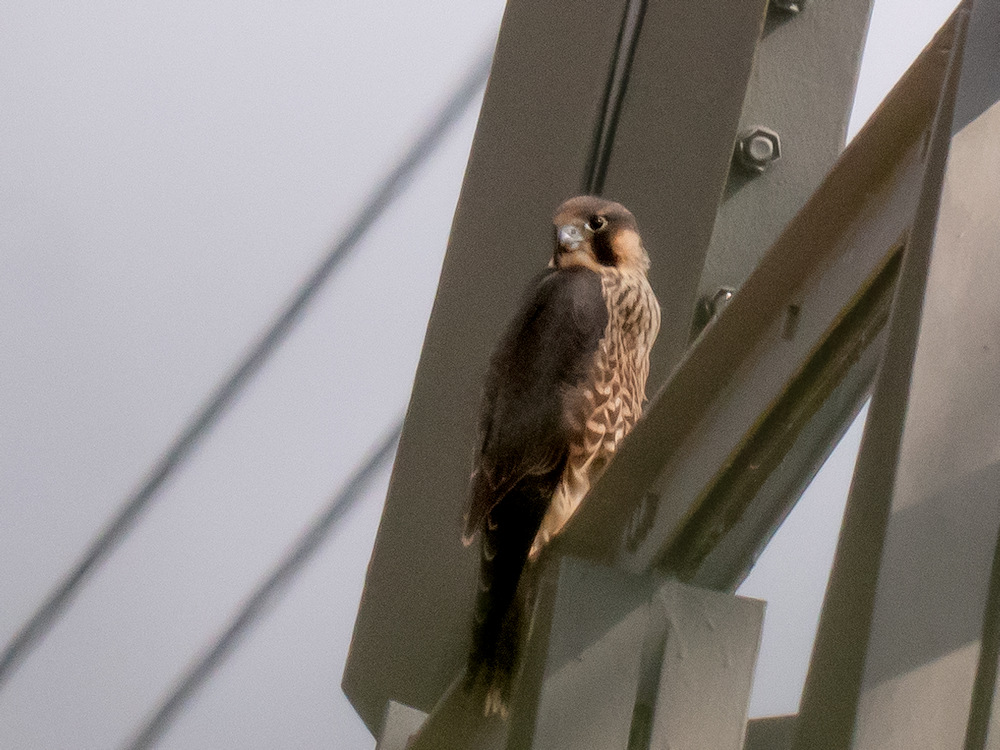
27th July, I immediately hear a begging juvenile peregrine as we arrive at Patford Bridge. A few steps forward and we see an adult female and a juvenile female head off along the pylon route towards the Bringtons still calling. The pair return later and the young bird finds and hassles a red kite before alighting on the steelwork. On the footpath down at the bridge off Foxhill Road we find 2 very young spotted flycatchers, one catches a female gatekeeper and swallows it whole. There is a willow warbler and 3 fledgling sedge warblers being fed by their parents. This is their second brood and they are busy bringing mainly damselflies to their begging youngsters. There are young whitethroat, blackcap, chiffchaff, robin and bullfinch about. Brimstone, common blue and small copper butterflies are seen and several hawker dragonflies also (southern, brown and migrant). Nearby we see ringlet and large skipper butterflies still in good condition whereas elsewhere they have come and gone.
28th July, The Big Butterfly Count at CEP sees 12 species including, for the first time in 4 years, brown argus (2) and a good 7 common blue (1f 6m). A lucky sighting as we decided today was the cut-off point for the butterfly book.

30th July, I have not seen or heard any yellow wagtails for ages. These birds are in trouble. A population decline of 97% between 1975 and 2017! In the parish my records are down to one or two fly-over records a year so it was good to hear one this morning and unusually it landed on a roof top and I could see it. This year’s young, which is promising.
31st July, a caress of drizzle as we water dying saplings at the park. Our man on Ashmore records 10mm of rain for the month. My butts are empty. Mr Evans reports that the 4 cygnets and the dabchick young have all disappeared from his ponds at Oak Tree Farm. Is the culprit Otter? Would they take cygnets?
Superb word pictures reflecting the life of our green spaces. Thank you, Nick.