
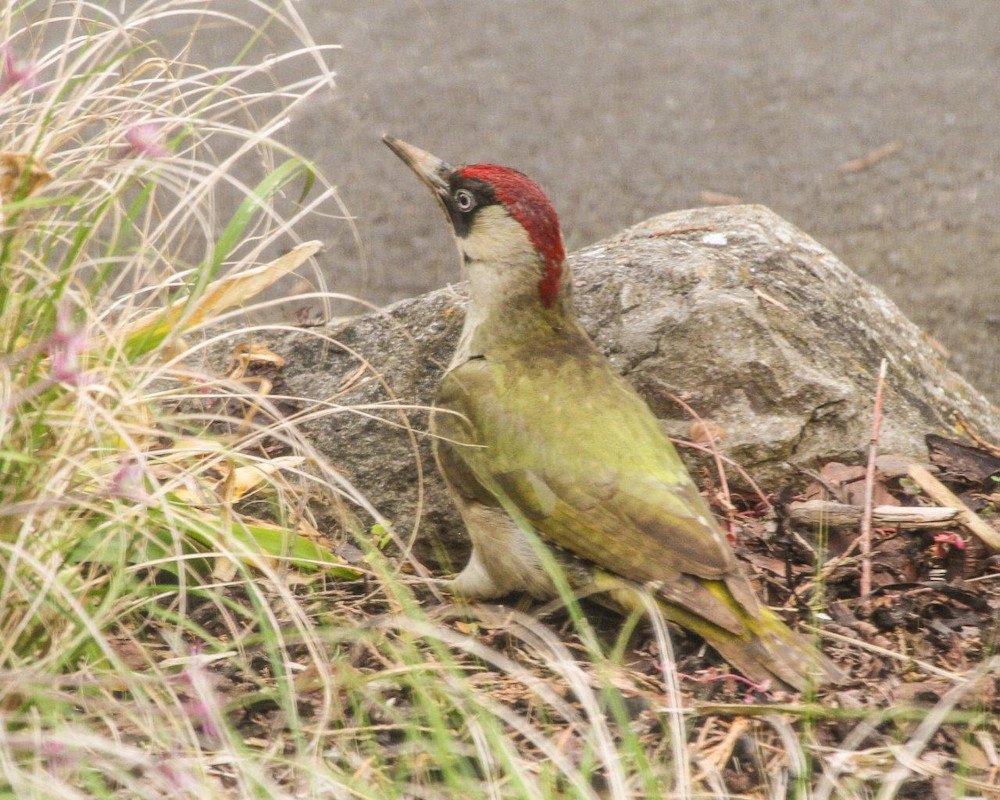
5th May, greener and greener, the grass growth seems to always catch us out. The resident green woodpecker yaffles away most of the morning but a rattling lesser whitethroat is ‘new-in’ (First sighting of an incoming summer migrant this year). A red admiral seen.
8th May, Richard sees a ‘new-in’ swift over The Leys, then two there later. Alan sends me a photo of a mush of pink flesh plus some fur from a road-kill at the Wharf. It’s a (was) polecat. The great and the good collect at Buckby Meadows for the unveiling of a plaque to commemorate the crowning of our new King. Long live the King.
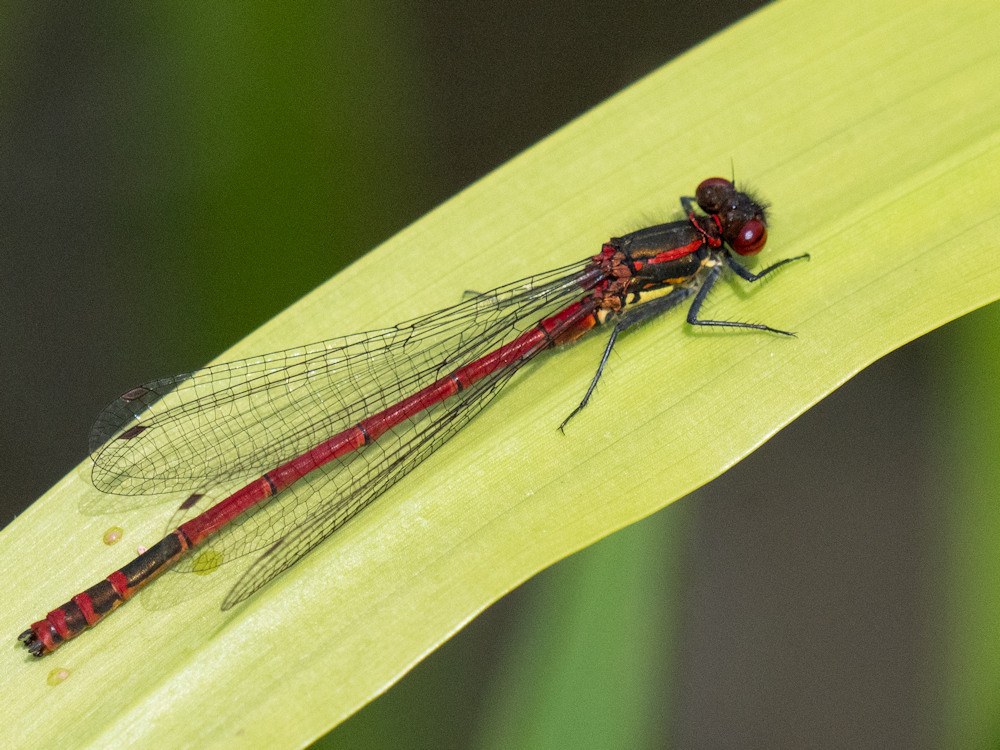
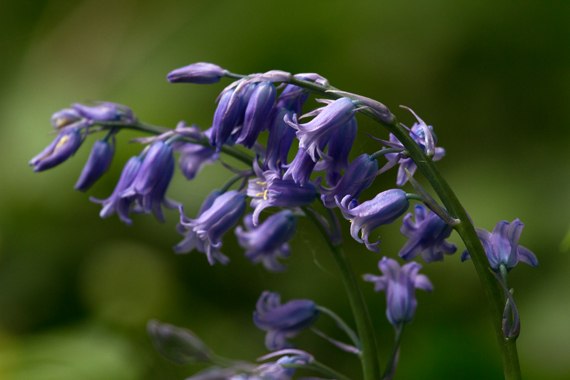
9th May, male orange-tip reported. Now a dozen swift over The Leys. 2 freshly emerged large red damsels noted at CEP and there are dandelions and bluebells.
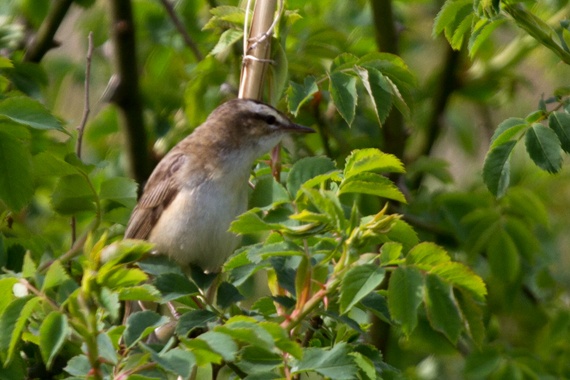
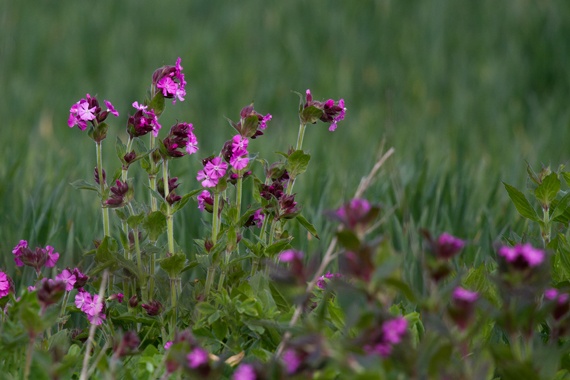
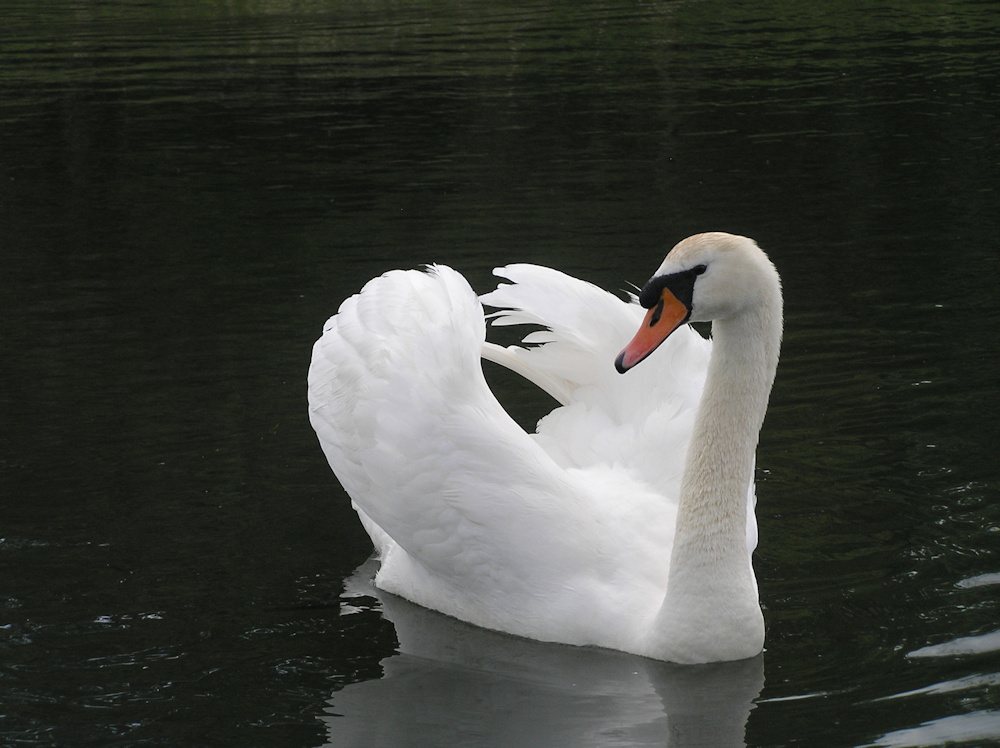
10th May, near the pond on the footpath off Foxhill Road the air is full of bird song. There is song thrush, blackcap, chiffchaff, sedge warbler, goldcrest and blue tit singing at the same time. The mute swans have evicted the Canada geese and sit patiently guarding either end of the island. I see two holly blue, orange-tip and small white. A handful of large red damselflies are settled on the nettles and a female orange-tip, beautifully camouflaged, sits still on the pristine white flowers of a mustard cress. I stand and watch and when she leaves I examine the small flower buds and after a while I find a minute, elliptical orange egg. At CEP a pair of red-legged partridge are amongst the sheep, a green woodpecker is anting in the meadow and the red campions are flowering.
13th May, I’m at Mill Park Reserve working on the platform wood-work when a pair of greylag geese go over calling. Mike comes to view progress and reports a kingfisher he saw minutes earlier.
15th May, it seems to be a good year for holly blue and orange-tip with multiple records received of both. Jane has been monitoring the mute swans on David’s pond and suggested they’ve hatched.
16th May, Jane texts me early and reports 7 or 8 cygnets bobbing about in the water. I find a strange looking beetle which I photograph and send the image to one of my insect-loving friends. He identifies the beetle as ‘golden-bloomed grey longhorn beetle’ then asks me to find species with shorter names in future.

18th May, warm and humid and after lunch I head for CEP hoping for some invertebrate action and there are large red damselflies and a few immature azure damsels. Then a movement. A reflection over the water larger and faster than the damsels. Frustratingly I can’t see the insect above, it’s so fast and can only follow it by its reflection as it hugs the reed edge around the back of the pond. I focus hard and eventually catch a glimpse through my binoculars by looking slightly ahead of where I think it may go. It’s a male hairy (Or early) hawker, a first for Cotton End Park! Excellent. I watch for a while longer and then have the great pleasure of chalking it onto the sightings board in the info’ shelter.
19th May, at lunchtime I return to look for the hawker and see it again patrolling the same territory on the main pond. I then wonder about the back pond viewable form the hide and pop ‘round. There is another and then a brief clash as another quickly appears then disappears. So two maybe three.
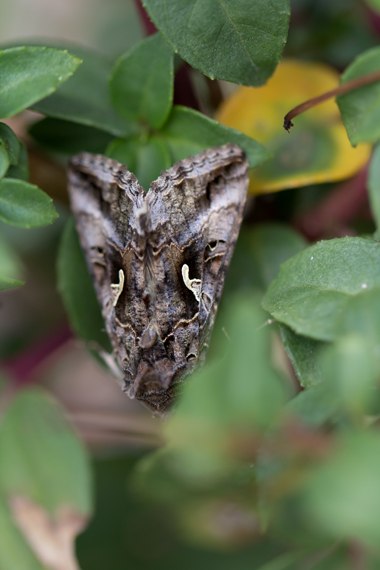
22nd May, I can’t resist looking for the hawker and whilst walking to the hide find a female of the species resting on a dock leaf. Males and a female not far from each other… might be breeding…Good stuff. A flash of blue is a male broad-bodied chaser with an immature nearby. The sun is out and I see a big, bright hornet and in the water a huge great diving beetle attacking the tadpoles. In the meadow there are the first common blue and small copper butterflies as well as holly blue, orange-tip, peacock, green-veined white and brimstone. Silver-Y moth also noted. It’s all go! And of course there are the flowers, the first of the yellow flag iris are in bloom plus ragged robin, red campion, yellow rattle, buttercups, red clover and not forgetting the incredible show of hawthorn blossom.
24th May, ‘I’ve seen a huge bird go over’, ‘I mean huge..’ my wife gets her phone and tells me she’s videoed it. Can you imagine my excitement? My wife knows what size heron, kite, buzzard, geese and swans look like so I know it’s something good. The video is just helpful enough for me to see the bird is a white stork. Heading east, mid- afternoon. Anybody else looking up at that time? (My county birder friends tell me it was seen along the Nene Valley later that day)
26th May, more dragonfly hunting at CEP reveals one early hawker, three broad-bodied chasers, one four-spotted chaser, dozens of large red damsels and hundreds of azure damsels. Our local farmer seems to have cut much of what I thought was a cereal field and I guess it might be the result of an uncontrollable weed infestation. My only concern is that we are in the middle of the bird breeding season and that bird nests/young could have been lost.
31st May, its half seven and I am nipping out with the dogs. It’s cold and misty and out of the gloom I hear the familiar call of an oystercatcher. It’s a bird I regularly see at the coast and as I look up two fly over heading east. Thanks to David Green for weather statistics: max’ temp’ 23.4c on the 24th, min’ 3.4c on the 3rd. rainfall – 26.4mm.