
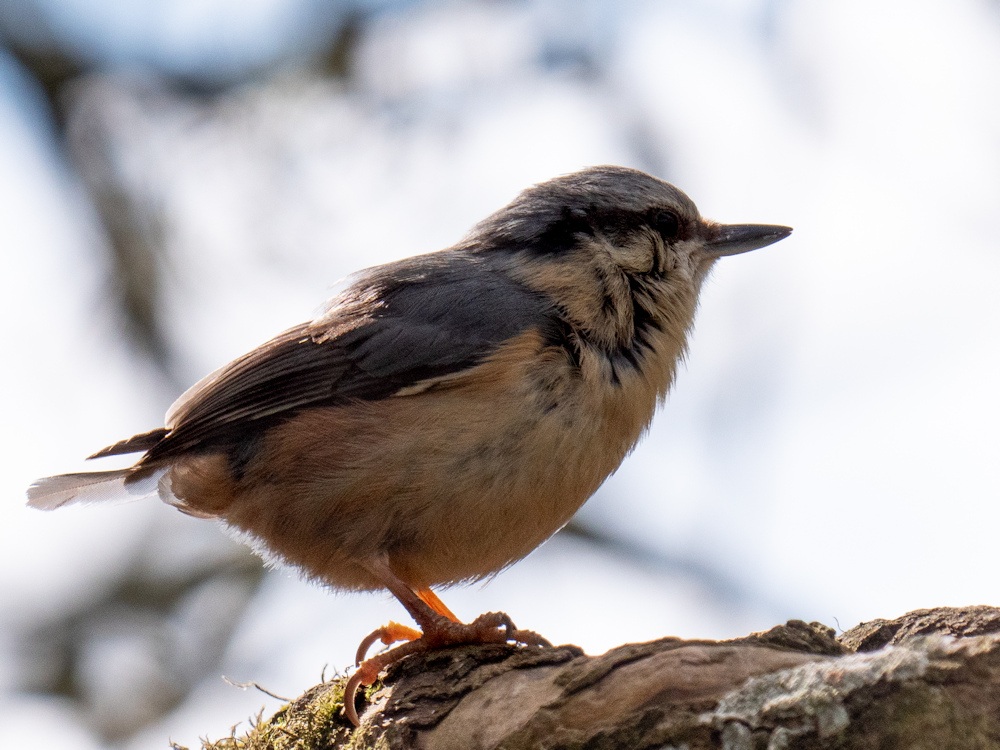
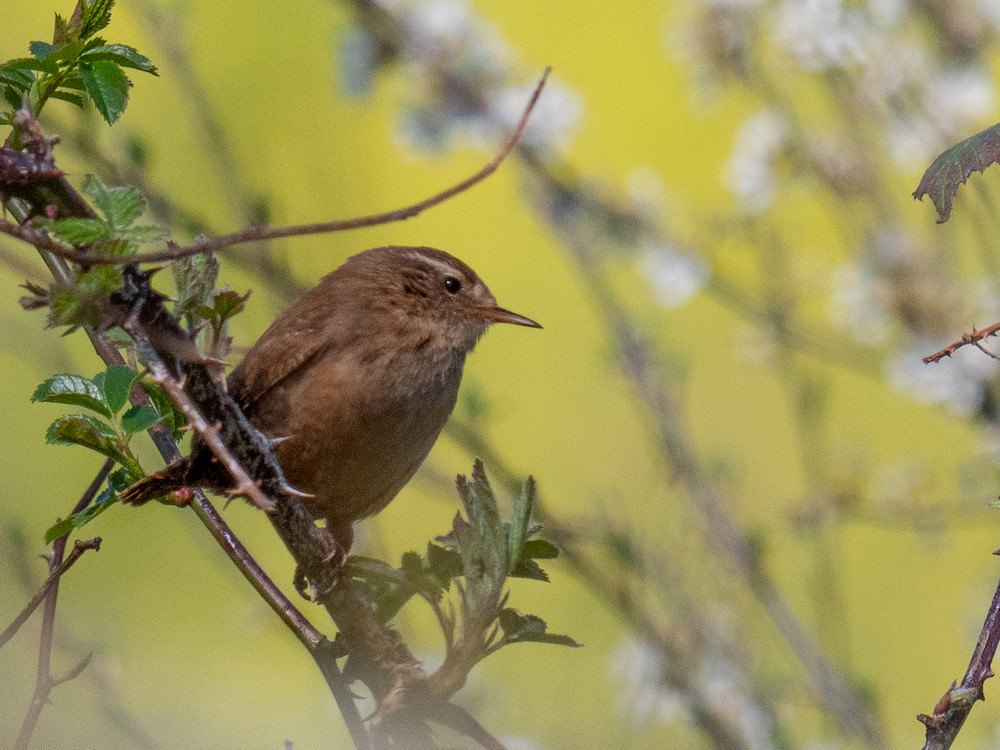
The fifth was still warm enough for us to find a migrant hawker dragonfly whilst working to maintain the ponds at Cotton End Park. A few extra blackbirds, probable European incoming migrants, joined the residents as they feasted with fieldfares and redwings on haws on our ample boundary hedge. A handful of blue, great, coal and long-tailed tits, goldcrests and wrens were busy amongst the ivy, constantly calling to each other. A nuthatch was seen in a village garden.
Plenty of pheasant released again this year despite common-sense bird-flu restrictions. These non-natives are out there consuming vast amounts of wild food depriving our native birds of food at exactly the time that they need it the most. To be fair many ‘shoots’ put food out for game-birds that is also consumed by some native birds but please tell me that there is a proven scientific method and practice in place to feed pheasants, so they do not negatively impact on the amount of wild food available for native wildlife. The environmental impact of having game-birds in our countryside is another factor in the decline of our local wildlife.
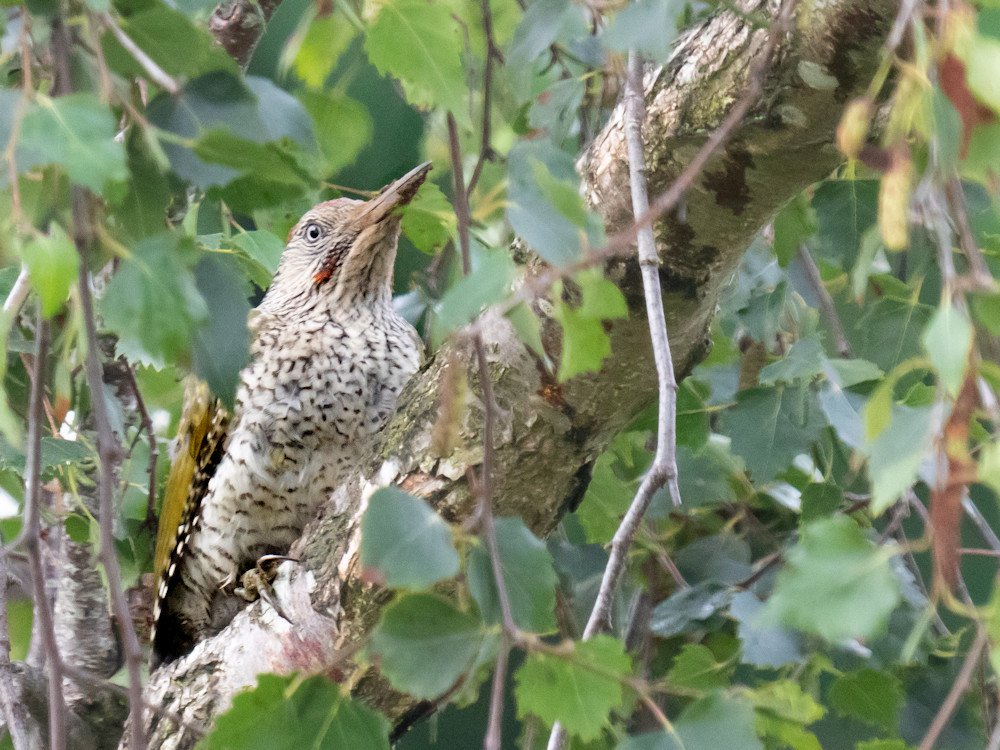
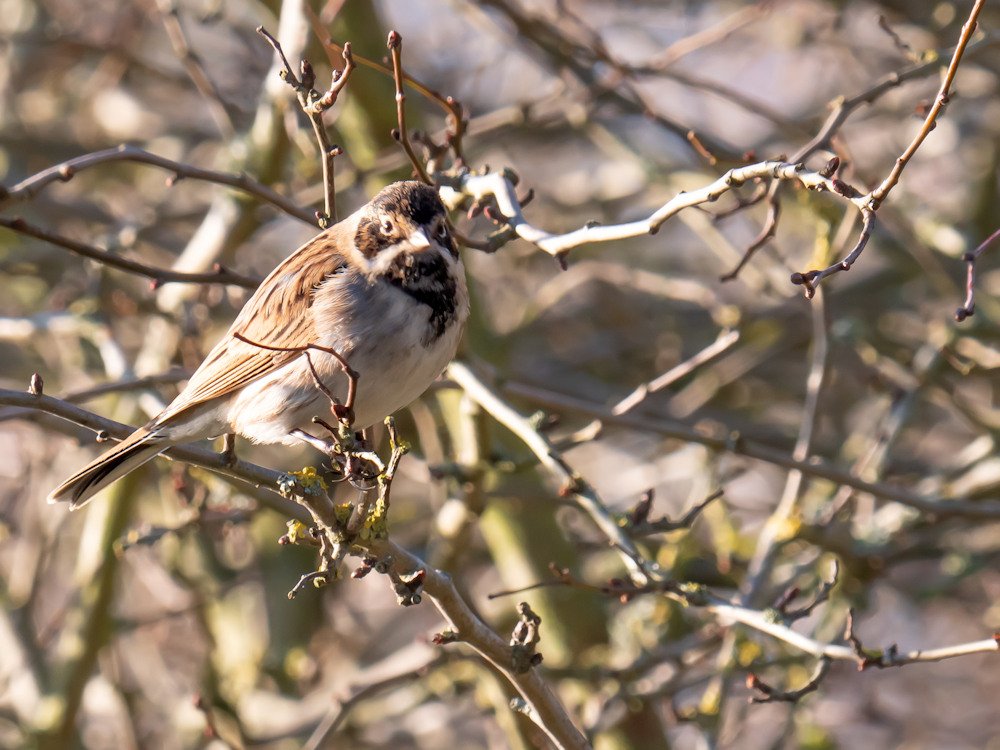
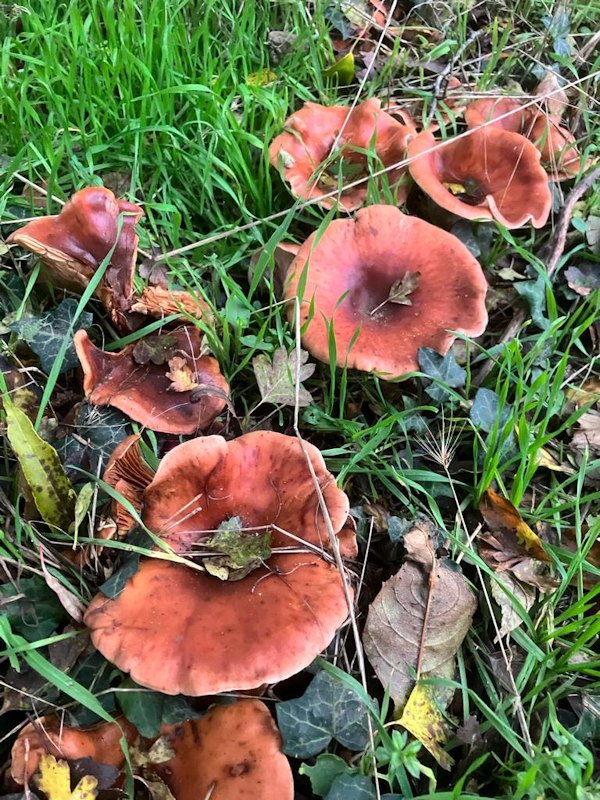
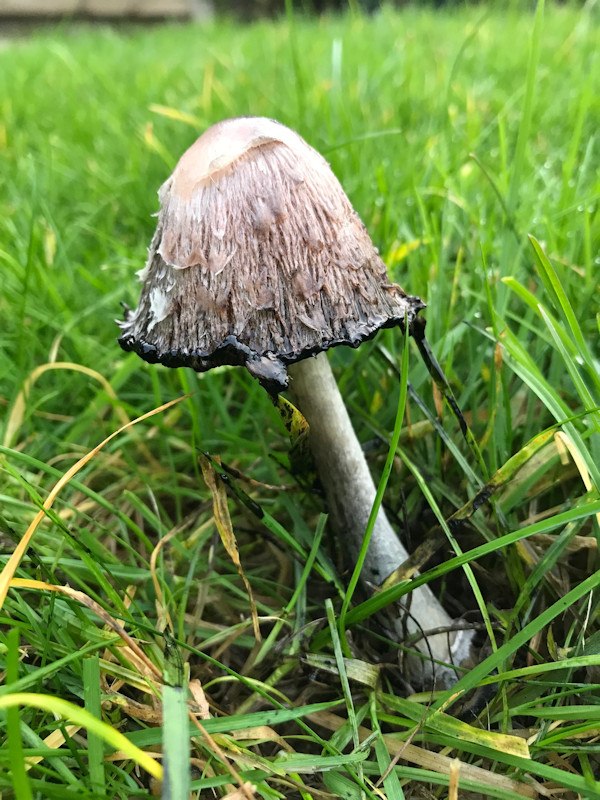
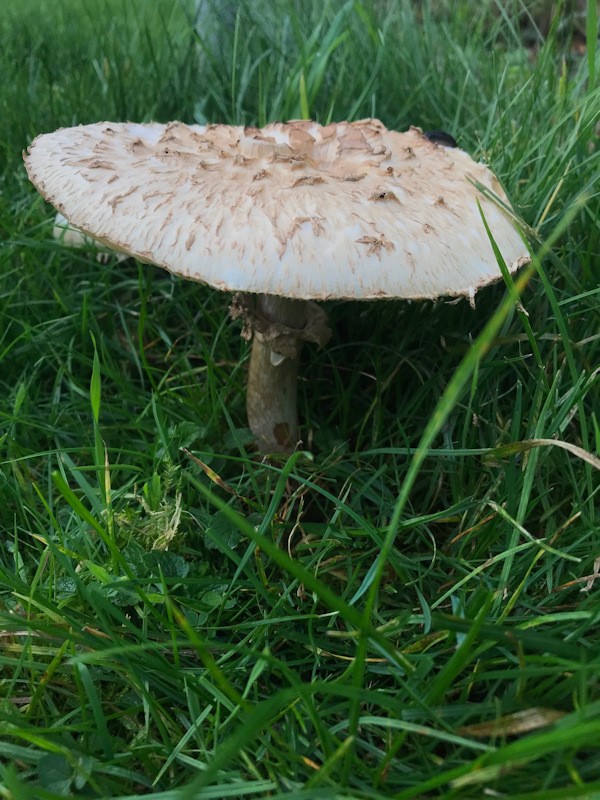
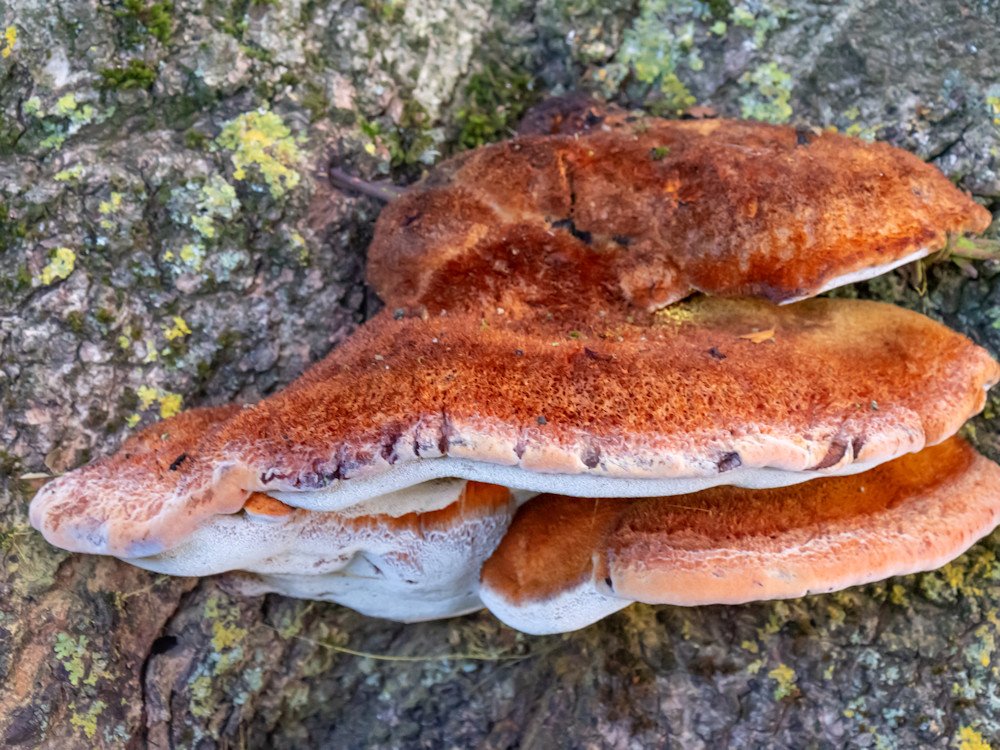
The rooks are spending time on half-hearted courtship and display before heading off the feed in the morning and seem to do similar when coming home and they roost in the tree that has the remains of last year’s nests. We still have a couple of rabbits at the park but other landowners tell me they have not seen any for ages. I also think buzzard numbers are down and want to correlate the two thoughts. Kites still seem to be an almost daily sighting with as many seen over the village as over the fields. The shooting fraternity have reported the first of the annual winter influx of woodcock, though it needs to be a lot colder on the continent before the majority arrive. I am working and concentrating on a tricky electric connection on a nearby farm but still the single fluty call of a golden plover penetrates my brain and I feel the need to look out and up. There at a great height are over a hundred plovers passing over. Allan reports a cormorant and a blackcap from the Wharf. The latter a mainly insectivorous warbler could well be an eastern European bird many of which manage to winter in the UK. A red admiral butterfly reported earlier in the month, and there is still an amazing show of fungi.
Bird-flu is still spreading and is devastating our native birds, particularly at the UK’s internationally important seabird colonies. These birds are already in decline due to recent changes in food availability in the seas around our coast and some of my birdwatching friends have been down to Cornwall recently as there have been a series of extraordinary bird and wildlife sightings confirming things are not as they should be. A handful of bird species normally only ever seen around tropical and South Atlantic waters are now being seen off our coast. There have also been many new fish species and other marine life seen as well. The cause is a warming sea and a collapsing food-chain in the areas where they normally live. The severity and frequency of global ocean warming events is now having a devastating effect on marine ecosystems with millions of seabirds reported dying and others dispersing. And on the Antarctic ice shelf over 7,000 emperor penguin chicks drown last winter because the thinning ice broke up unexpectedly. How many humans rely on the sea for their survival?
Local plant-finder extraordinaire Brian Laney has reported two species of orchid growing on some turf off Greenhill Road. This site has had similar reports in the past but the place gets mowed by contractors and the plants rarely flower.
Maximum temperature for the month was 14.5c on the 18th at 1233h, minimum, -5,4c on the 30th at 0004h. Precipitation 69.2mm. (Many thanks to David)