Village Wildlife Diary for July 2022

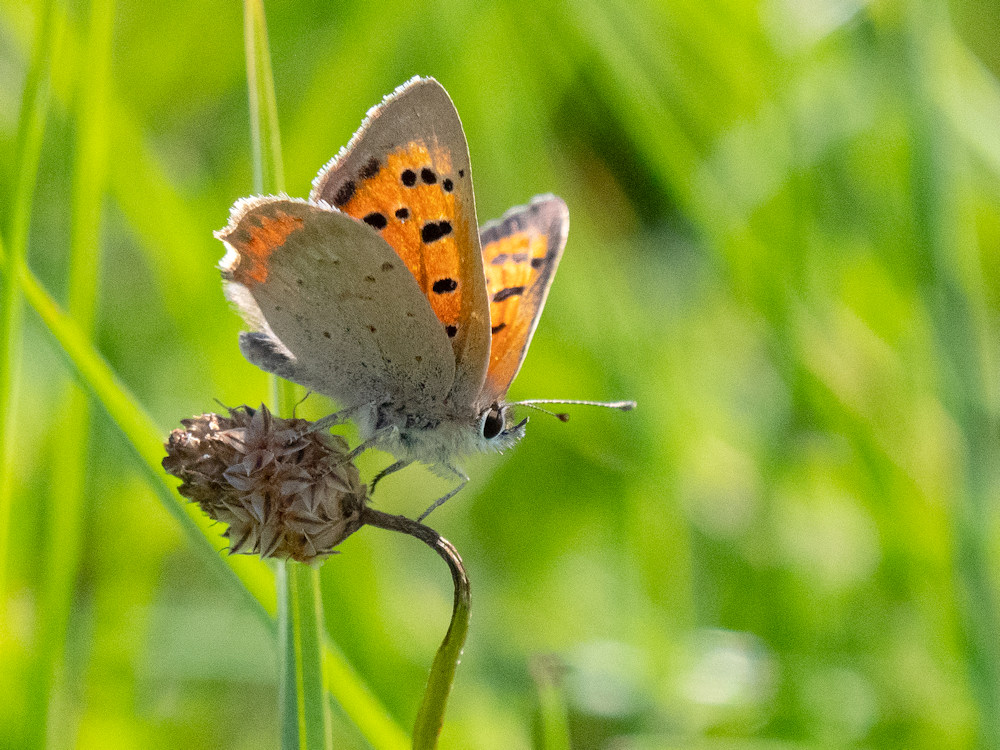
Small Copper
Small Copper

1st July, with my new book ‘The Butterflies of Long Buckby’ heading towards completion the Ebbages and I are out looking for butterflies at various localities around the parish. We find 30 comma at one site, the 2 white-letter hairstreaks are still Cotton End Park and we find an aberrant small tortoiseshell lacking any yellow on its wings. Beautiful demoiselle, broad-bodied chaser, dabchick and grey heron also seen.

2nd July, Steve sends an image of summer chafer taken at the sports field.

4th July, hairstreaks still at CEP. Check.
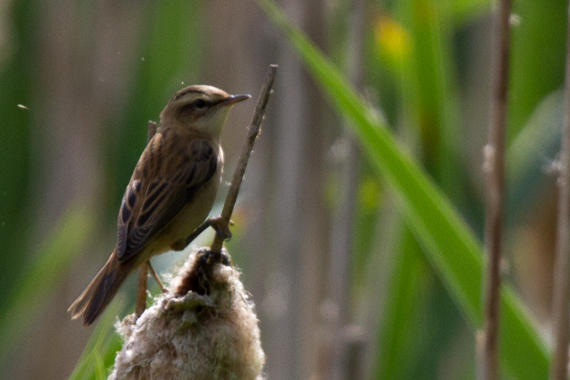
Sedge Warbler
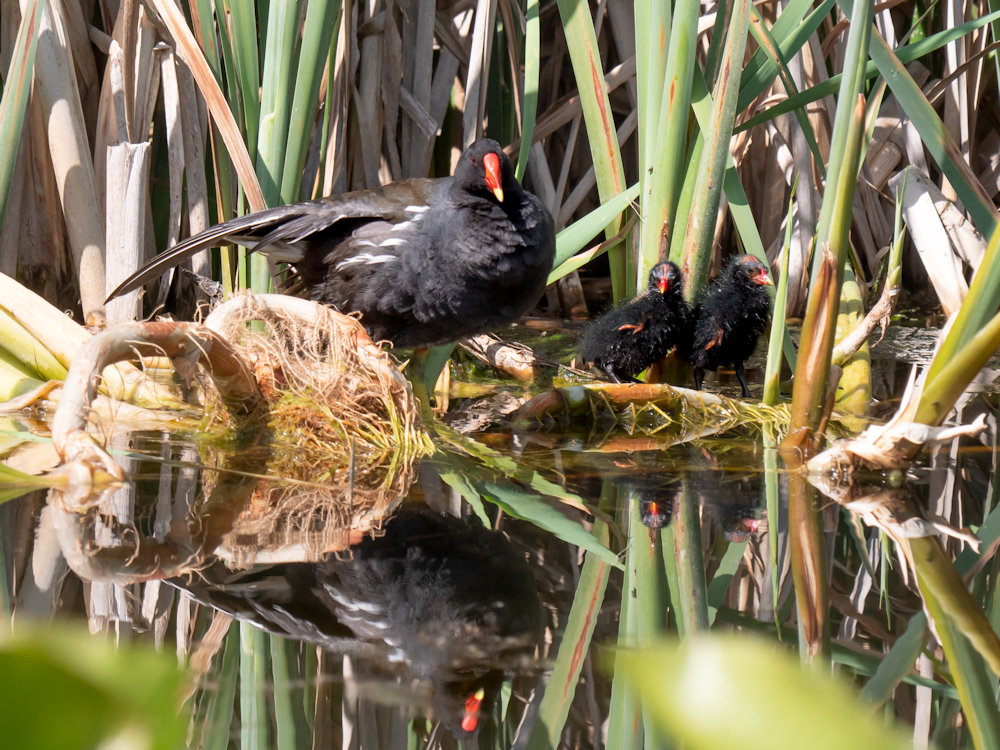
Moorhens

5th July, a dog walk out back and I wade through some growth by the side of a field to a spot where a few years ago there was a common spotted orchid. Behold there are 2 flowering plants there. We are cutting hay and note a frog and a toad in the process. 2 kites come over and follow the mower. CEP has 2 common darter, a singing sedge warbler, and the moorhen has 5 chicks.

7th July, Diana and Cath each report scarlet tiger moth, Chris has marbled white in the Co-op carpark and Alan has ringlets at the Wharf. Brian reports hummingbird hawkmoth from South Close and there is a facebook posting regarding a toadflax brocade moth caterpillar. At lunchtime there is peregrine over the village carrying a jackdaw and in the evening a hobby is prospecting amongst the young house martins over Holyoake.

9th July, 2 maybe 3 hairstreaks at CEP. Check. Chris has holly blue on Lakeside.
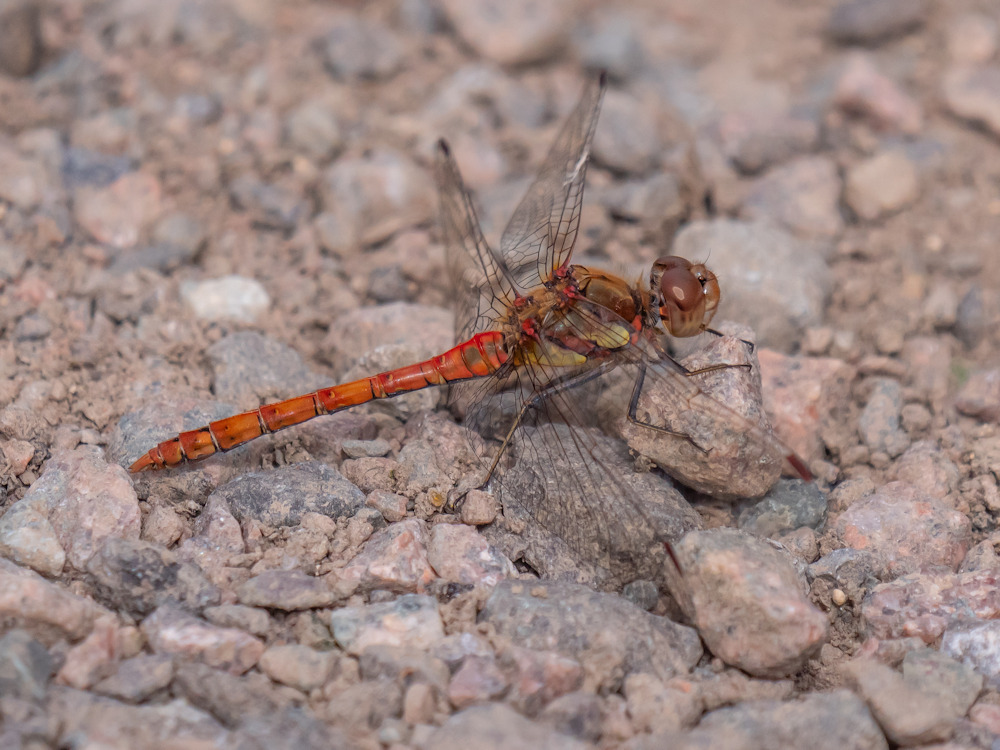
Ruddy Darter
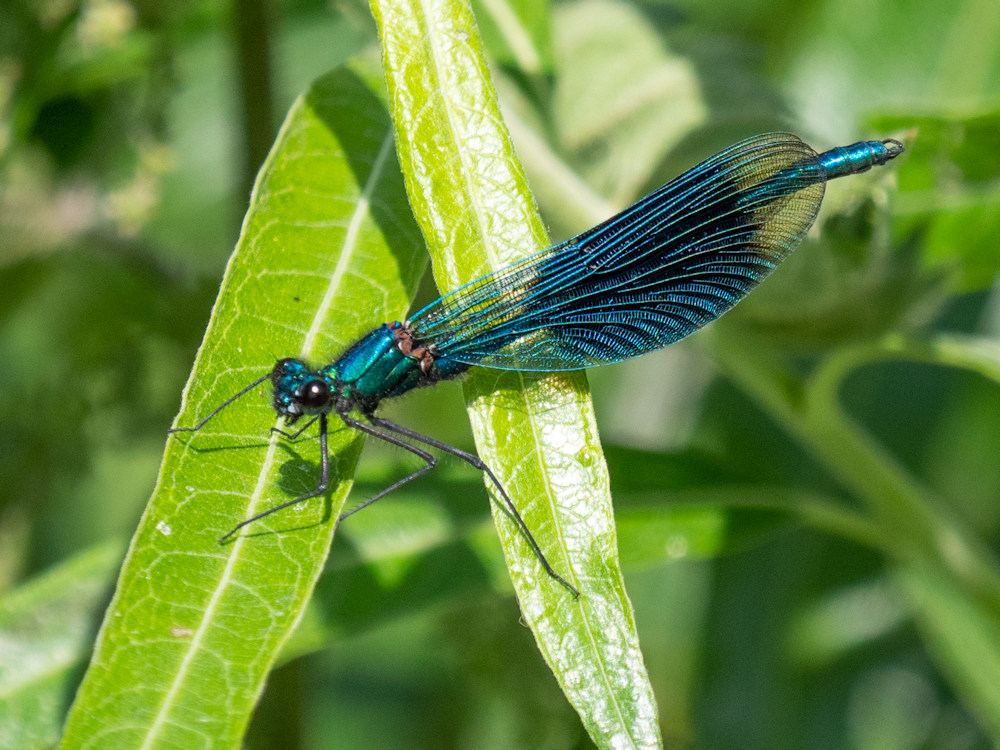
Banded Demoiselle

16th July, very warm conditions. 30+ swifts over High Street, sparrowhawk over as well, and a holly blue in our garden. CEP dragonflies include emperor, southern hawker, four-spotted chaser, common darter, emerald damsel, azure damsel and blue-tailed damsel. 12 species of butterfly noted. Jenny has an injured swift that she passes on to animal rescue. We note several bats coming out of a gap in the roof tiles at Grange Farm.

18th July, unusually hot. What strange creatures we are. We traditionally bemoan the lack of summer and pray for sunshine. Now it’s too hot and we’re moaning about the lack of rain. Wildlife activity is limited to the early morning only, even the insects hide away. Ruddy darter and banded demoiselle, brimstone and marbled white at CEP, with singles of greylag goose and grey wagtail flying over. 40 ish swifts over the norther half of the village this afternoon.

19th July, the van says 41degrees and we give up work at midday. The Pitsford Met’ Office climate station officially records 40.2 and our man on Ashmore records 39.5. Thanks David.
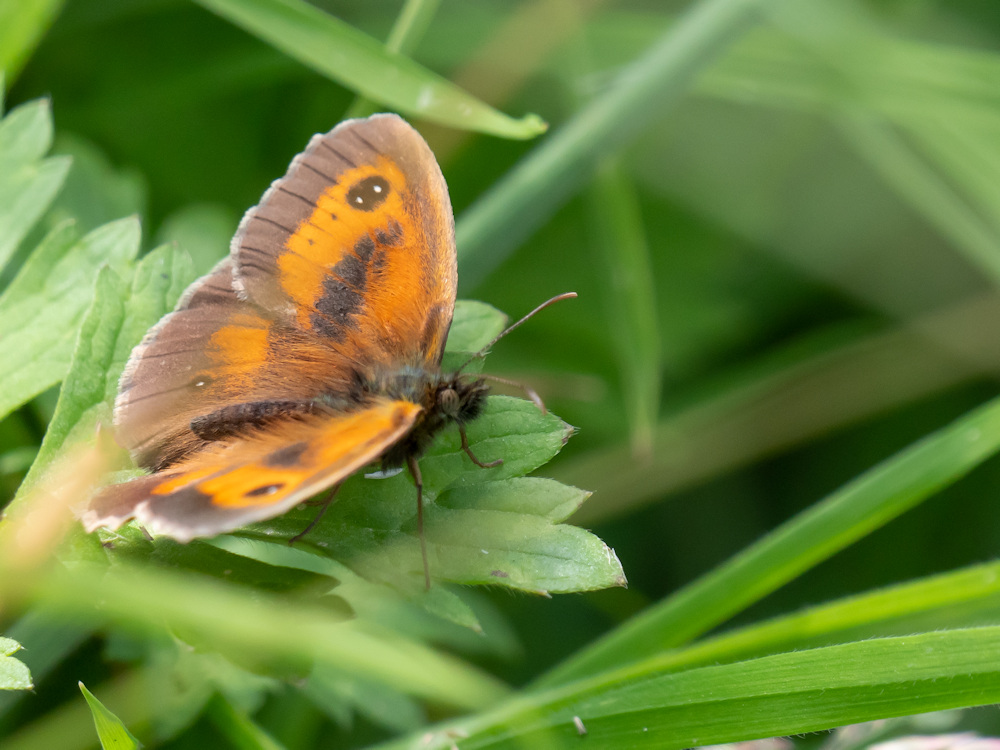
Gatekeeper
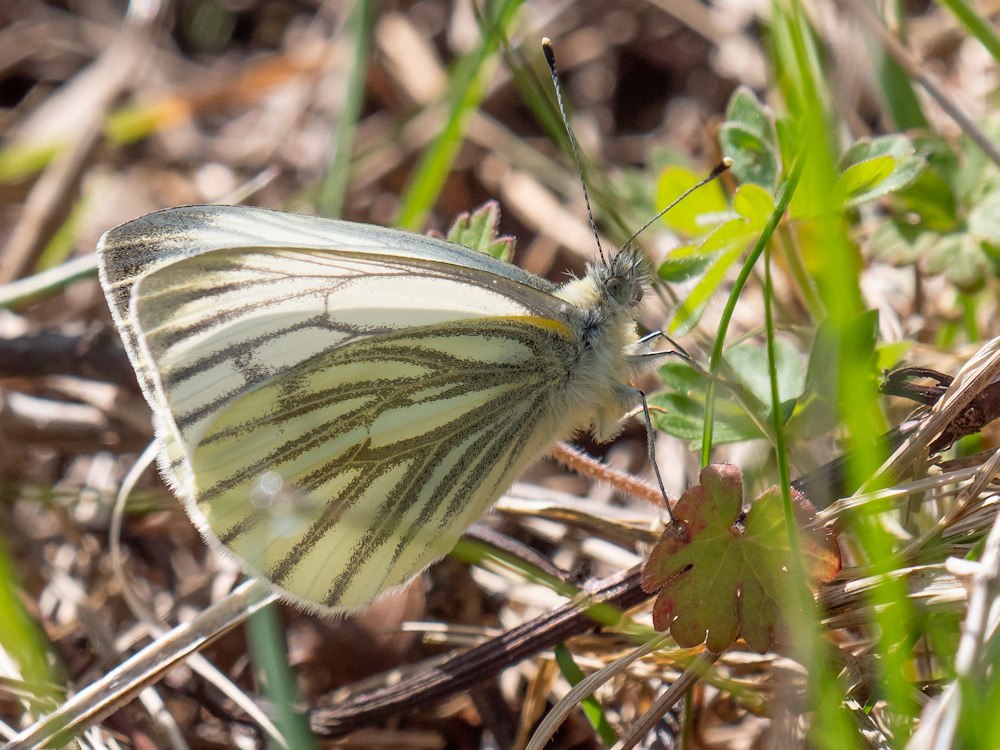
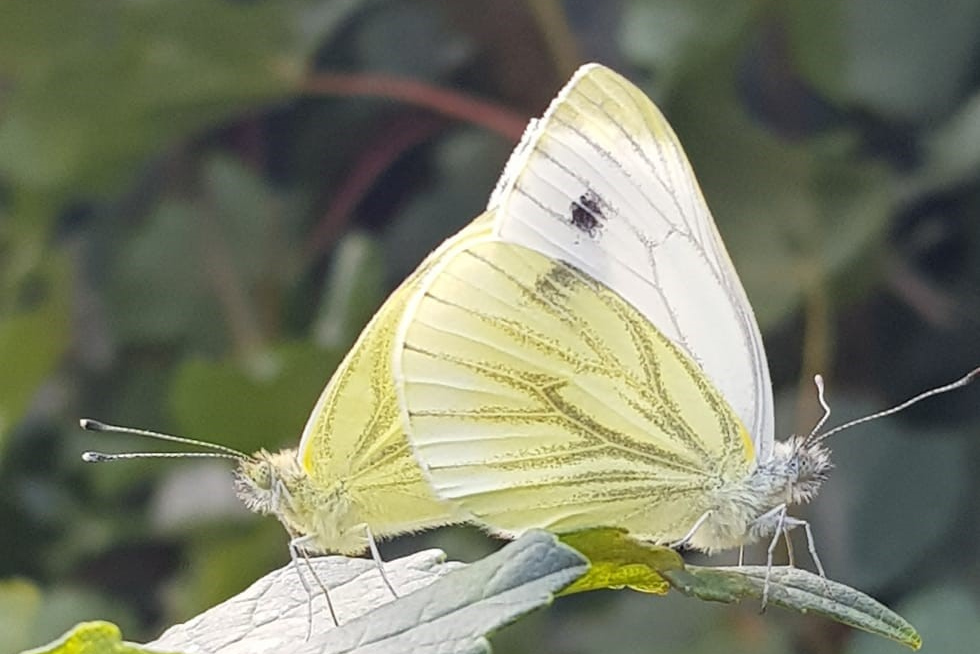
Green-veined Whites by Hannah

23rd July, lesser hornet hoverfly noted on thistle and 10 swifts heading south-west. At CEP we survey the butterflies and see 3 small white, 2 green-veined white, 3 peacocks, 2 painted ladies, 51 meadow browns, 2 ringlets, 62 gatekeepers, 1 common blue, 1 small copper and large, small and Essex skippers. No hairstreaks.

24th July, pristine red admirals, large white and painted ladies appear about the village gardens. A common blue butterfly but this time a female at CEP.

26th July, the sky has emptied of swifts as the majority start their return journey to Africa. The young leave first along with any non-breeders or immatures. Late afternoon as I search again for swifts a bird comes over at speed. It has a distinctive flight pattern and I suspect green sandpiper. Unhelpfully it doesn’t call.
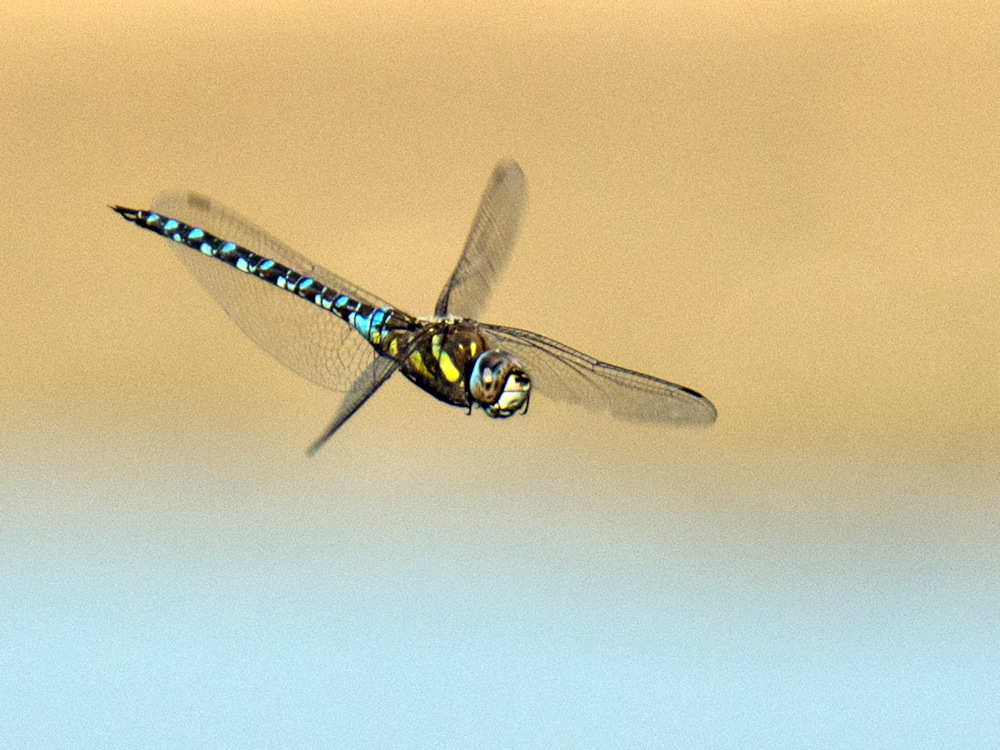
Migrant Hawker
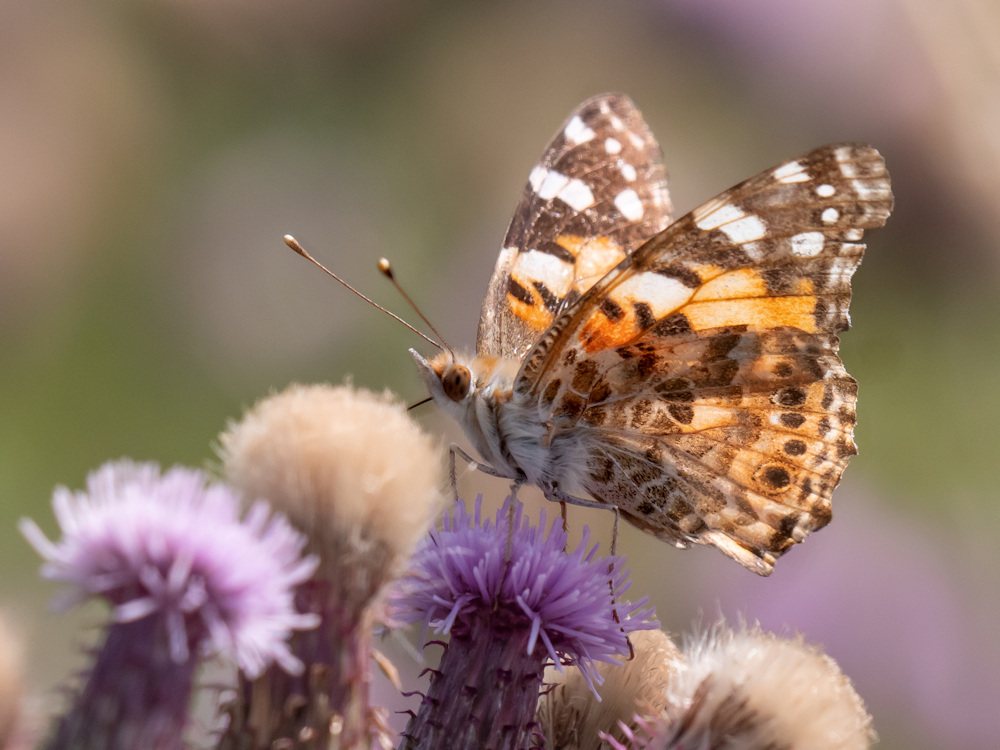
Painted Lady

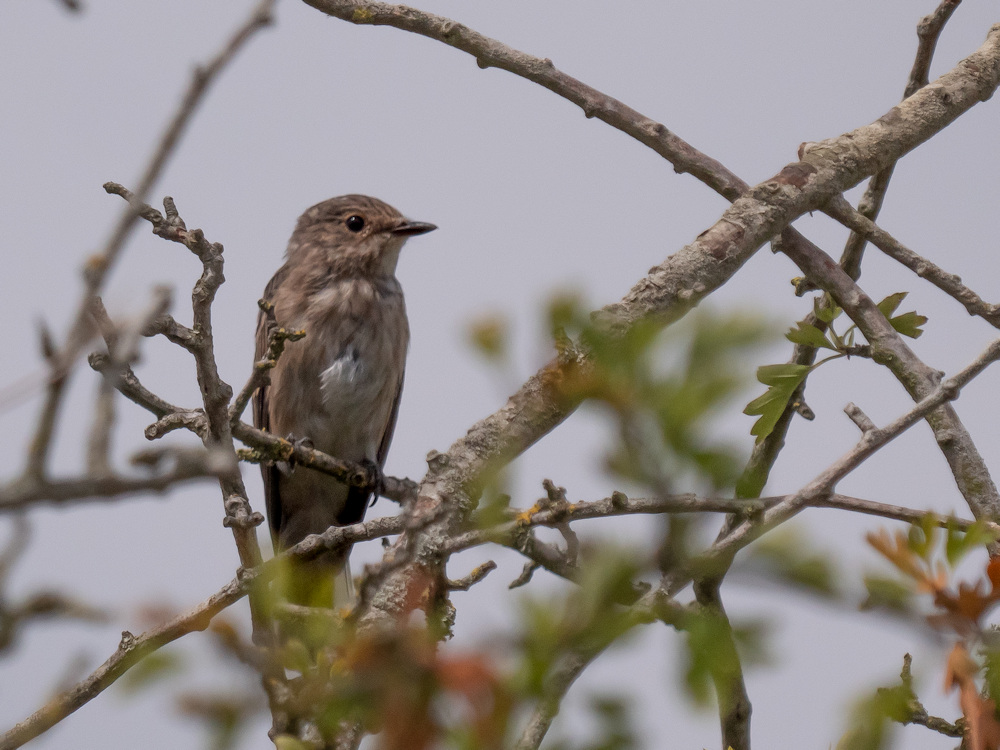
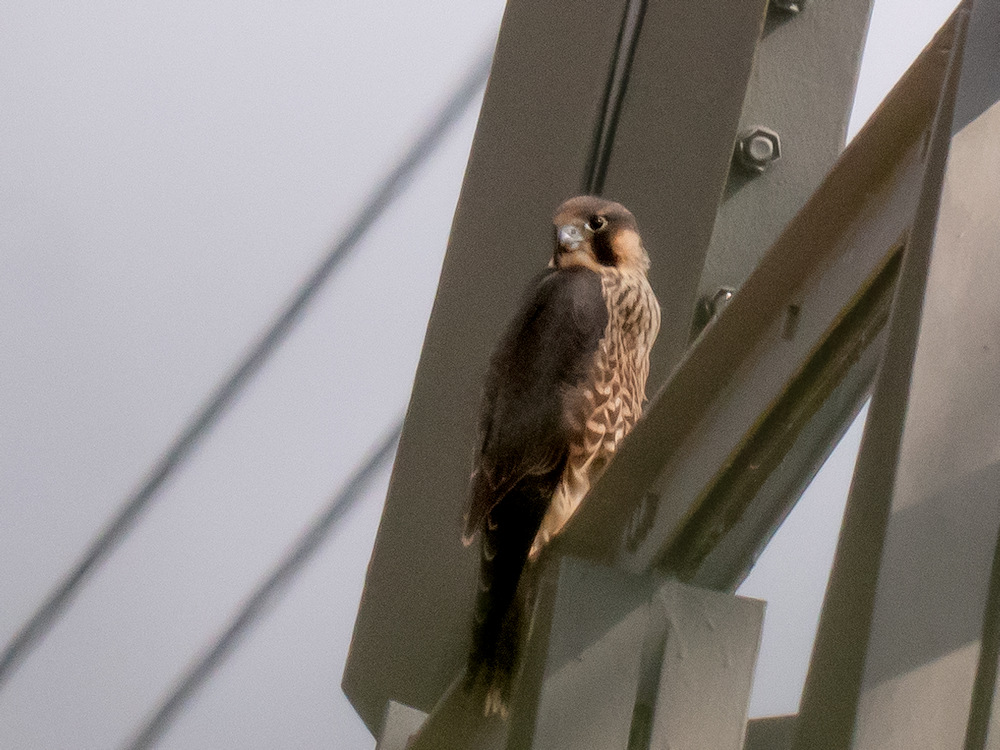
27th July, I immediately hear a begging juvenile peregrine as we arrive at Patford Bridge. A few steps forward and we see an adult female and a juvenile female head off along the pylon route towards the Bringtons still calling. The pair return later and the young bird finds and hassles a red kite before alighting on the steelwork. On the footpath down at the bridge off Foxhill Road we find 2 very young spotted flycatchers, one catches a female gatekeeper and swallows it whole. There is a willow warbler and 3 fledgling sedge warblers being fed by their parents. This is their second brood and they are busy bringing mainly damselflies to their begging youngsters. There are young whitethroat, blackcap, chiffchaff, robin and bullfinch about. Brimstone, common blue and small copper butterflies are seen and several hawker dragonflies also (southern, brown and migrant). Nearby we see ringlet and large skipper butterflies still in good condition whereas elsewhere they have come and gone.

28th July, The Big Butterfly Count at CEP sees 12 species including, for the first time in 4 years, brown argus (2) and a good 7 common blue (1f 6m). A lucky sighting as we decided today was the cut-off point for the butterfly book.

Common Blue underwing
Peregrine Juvenile

30th July, I have not seen or heard any yellow wagtails for ages. These birds are in trouble. A population decline of 97% between 1975 and 2017! In the parish my records are down to one or two fly-over records a year so it was good to hear one this morning and unusually it landed on a roof top and I could see it. This year’s young, which is promising.

31st July, a caress of drizzle as we water dying saplings at the park. Our man on Ashmore records 10mm of rain for the month. My butts are empty. Mr Evans reports that the 4 cygnets and the dabchick young have all disappeared from his ponds at Oak Tree Farm. Is the culprit Otter? Would they take cygnets?
Village Wildlife Diary for June 2022

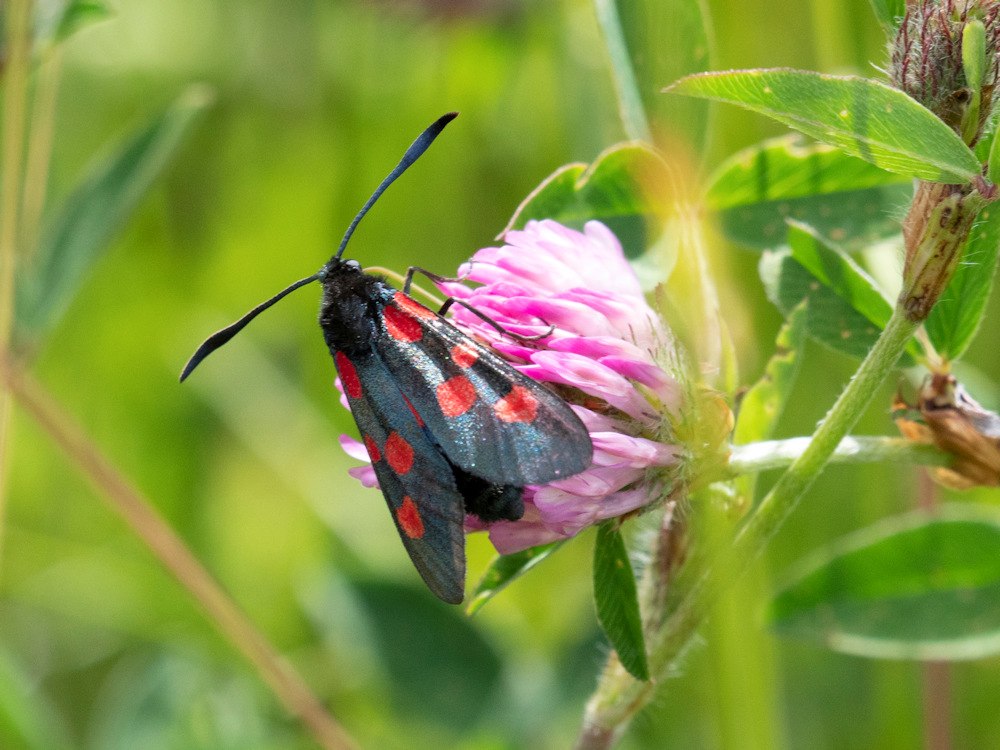
Five-spot Burnet by Chris
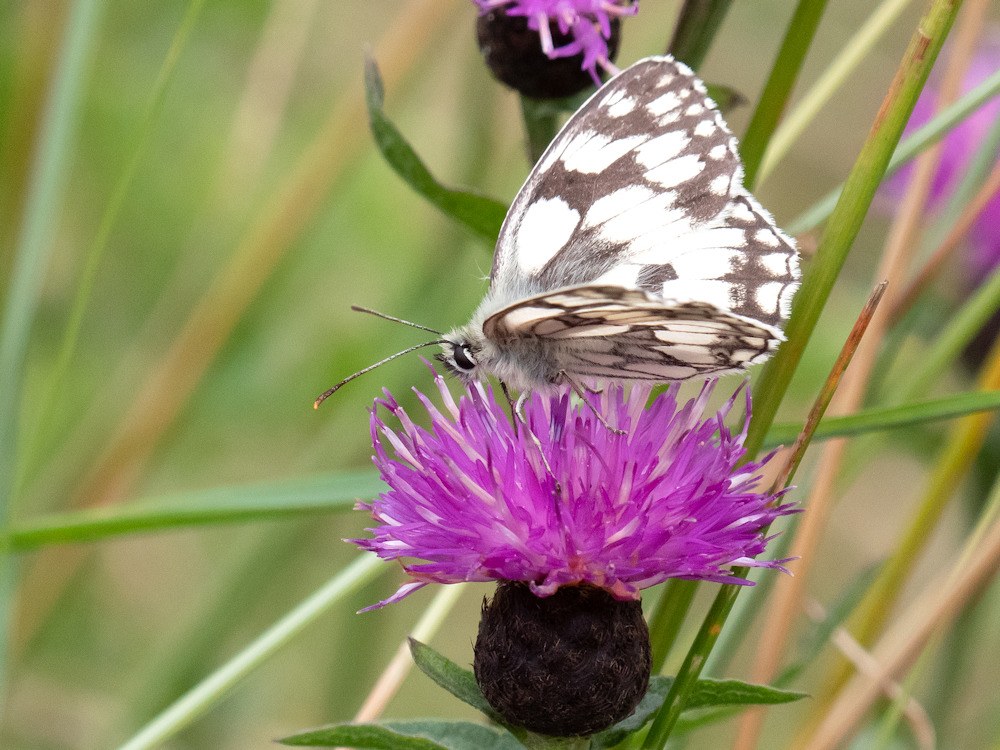
Marbled White

2nd June, David reports roe deer, fox and bats from Ashmore area. Hanglands has 4 speckled woods, and one each of red admiral, brimstone and large white. Raven and mistle thrush are also seen. Rather worryingly a deer or rabbit has been amongst my stand of bee orchid plants and nibbled off many of the heads. At Cotton End Park there is a 1 willow warbler singing. This is a late arrival and it only stays for the day. Last year there were two or three there singing from April into June. Ones and twos of lesser whitethroat, common whitethroat, blackcap and chiffchaff are also singing.

7th June, at the park the first large skipper is seen along with meadow brown and small tortoiseshell. There is a silver-y moth amongst the growing grass and at the pond an emperor, 2 four-spotted chasers, 3 broad-bodied chasers and dozens of azure damsels. There has been a little owl over the past few evenings behind our house. It has a running conversation with what I assume is an offspring.

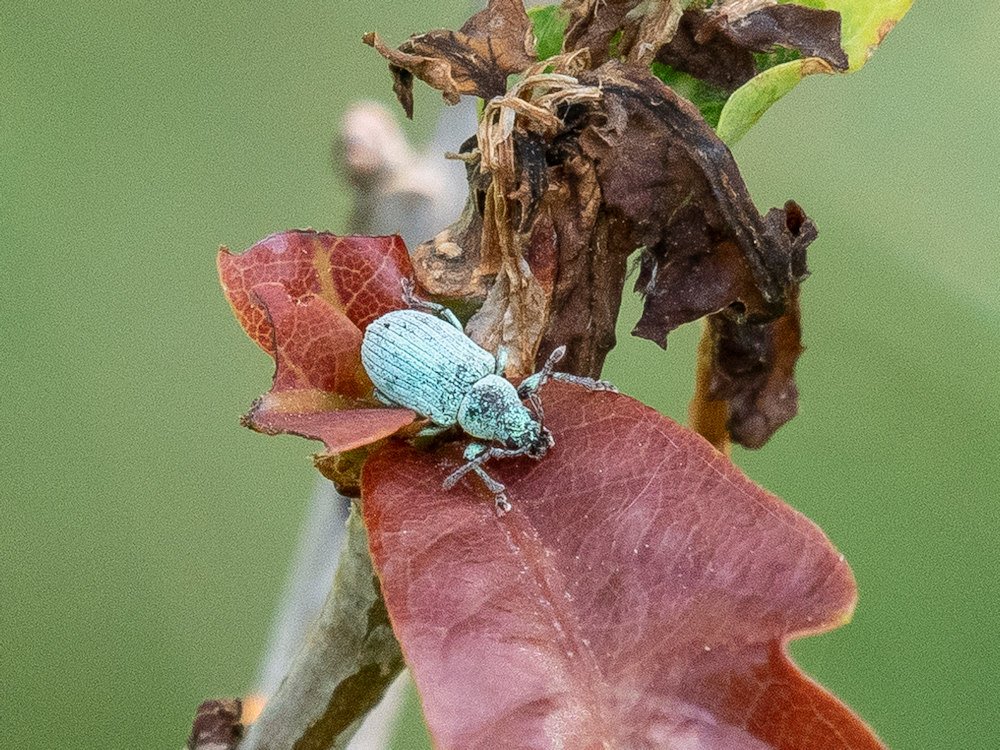
Polydrusus formosus by Chris
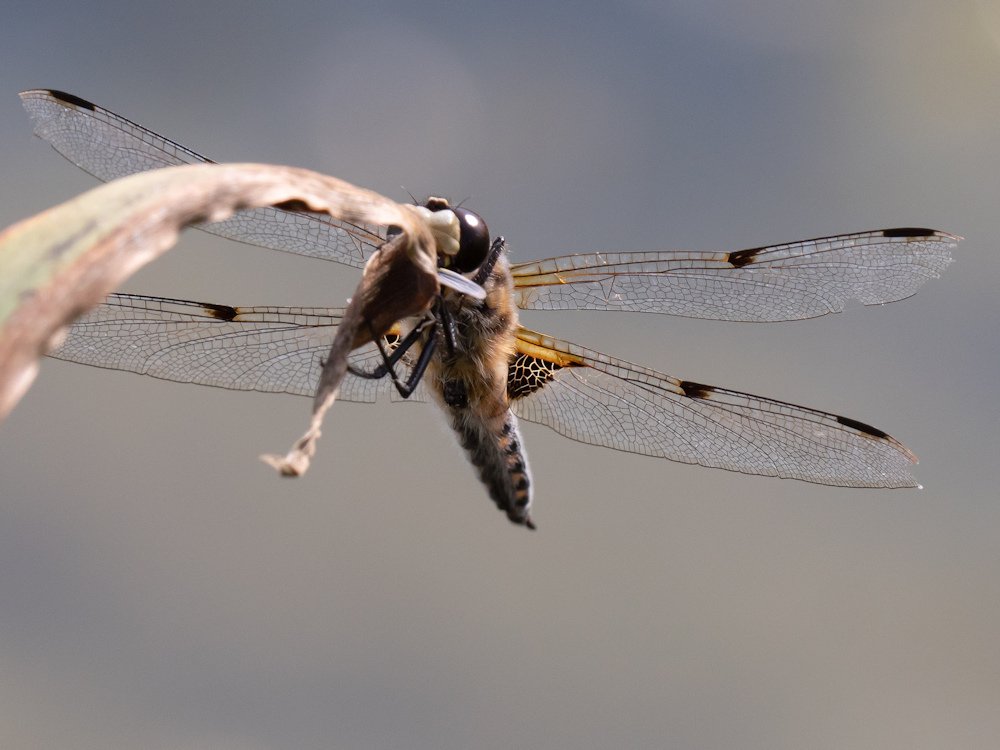
Four Spot Chaser by Sue

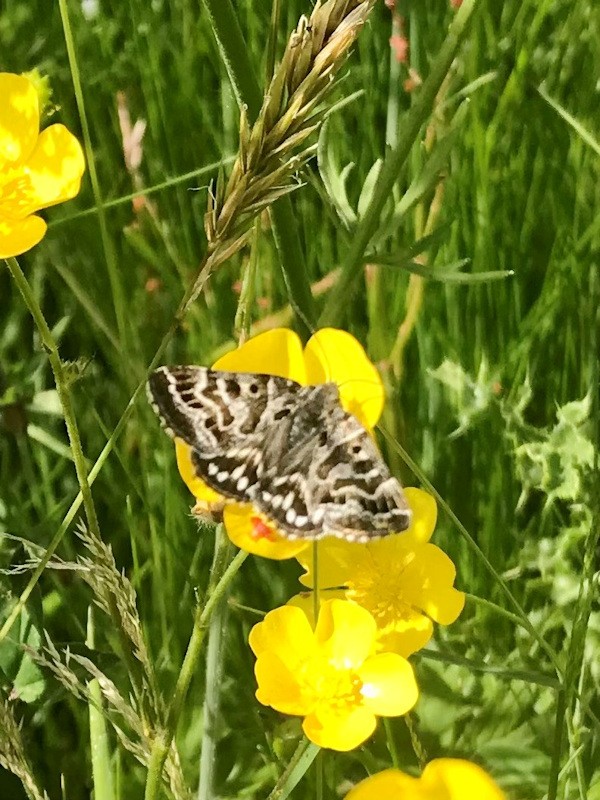
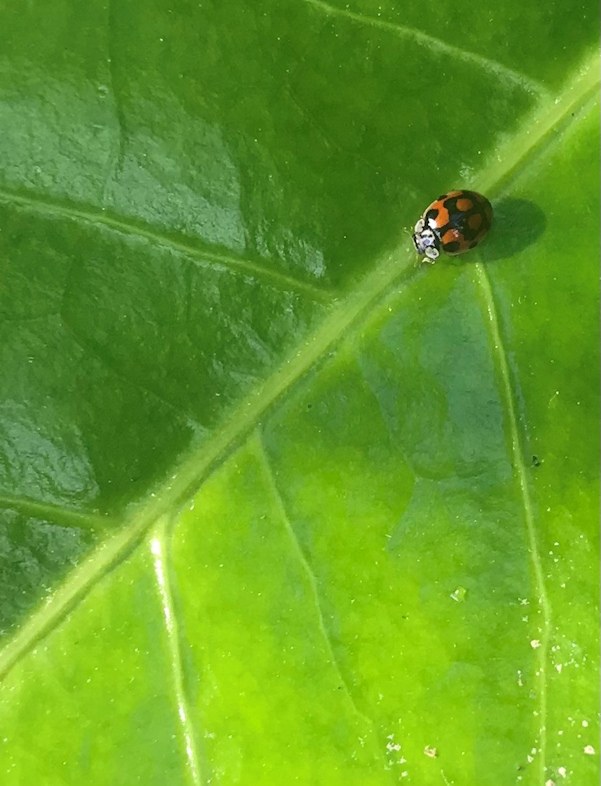
17th June, butterflies at CEP include 2 common blue, 40 meadow brown, 3 large skipper, 2 ringlet, 12 small torts’ and a Mother Shipton’s moth. At home there is ruby-tailed wasp, and from the only occupied nest-box the great tit chicks are increasingly noisy. I’m in the garden and find a two-spotted ladybird and the red arrows go over. Later at the farm we see bats, swifts, comma and speckled wood. At Hanglands I check on the bee orchids and find 30 flowering. Beautiful demoiselle reported.

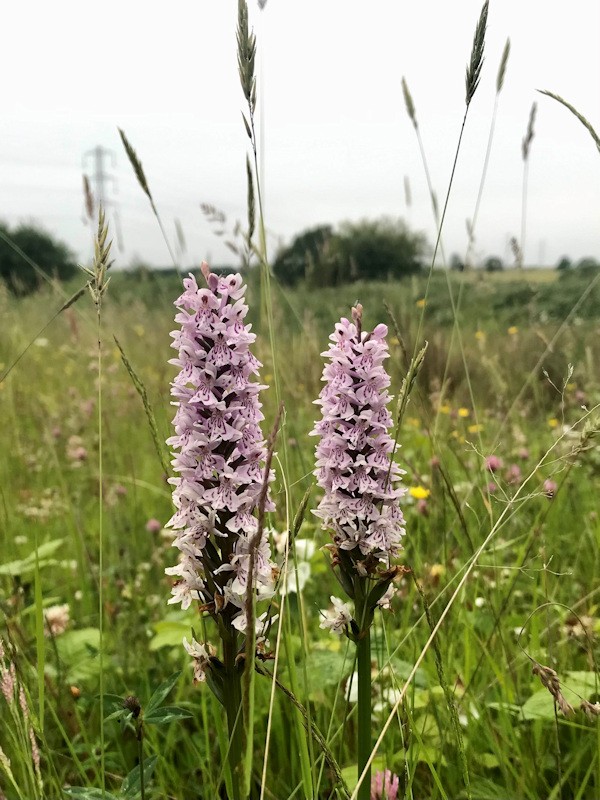
Common Spotted Orchid
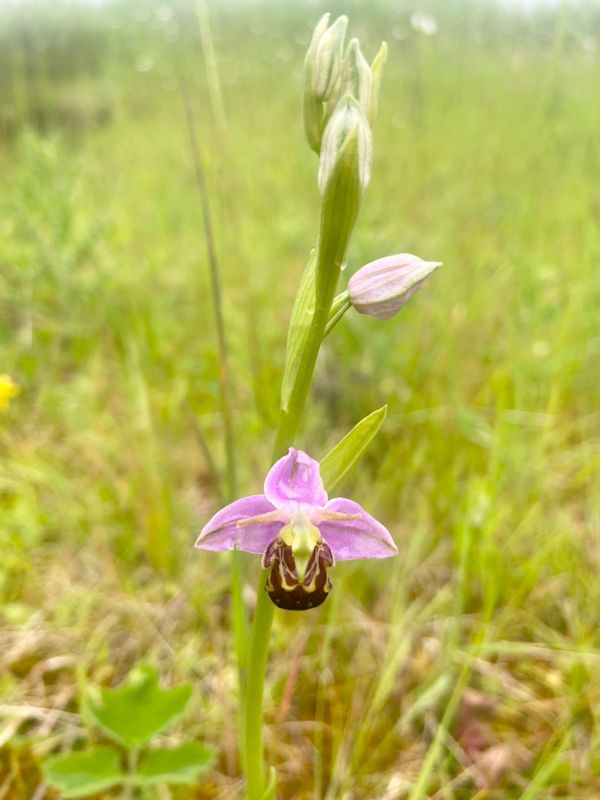
Hanglands Bee Orchid by Jenny

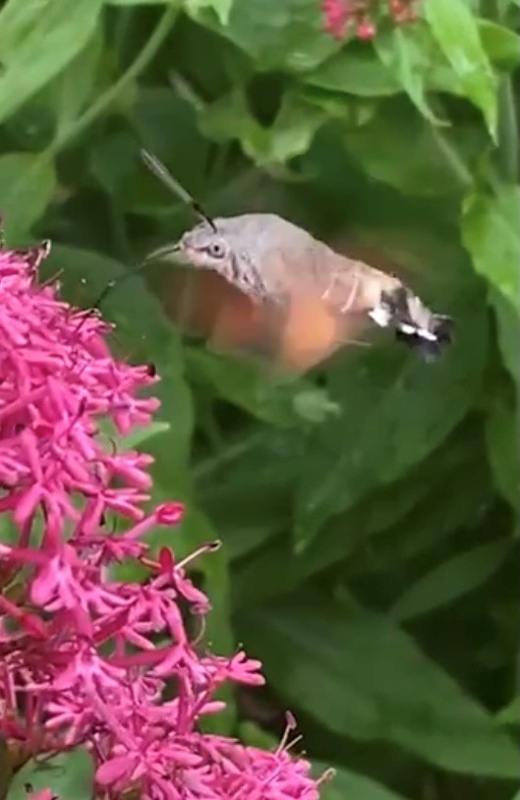
18th June, Jenny sends me a video of hummingbird hawkmoth. Brilliant. It’s there for several days. At a local site we find a stand of 8 common spotted orchids. Cinnabar and coronet moths are noted.

21st June, a bit of post-lunch path mowing at the park and 8 species of butterfly are about including marbled white. I also find a newly emerged southern hawker. Ravens and a drumming woodpecker are reported, also red admiral and greenfinch. Peter sends me a photo’ of scarlet tiger moth from Market Place.

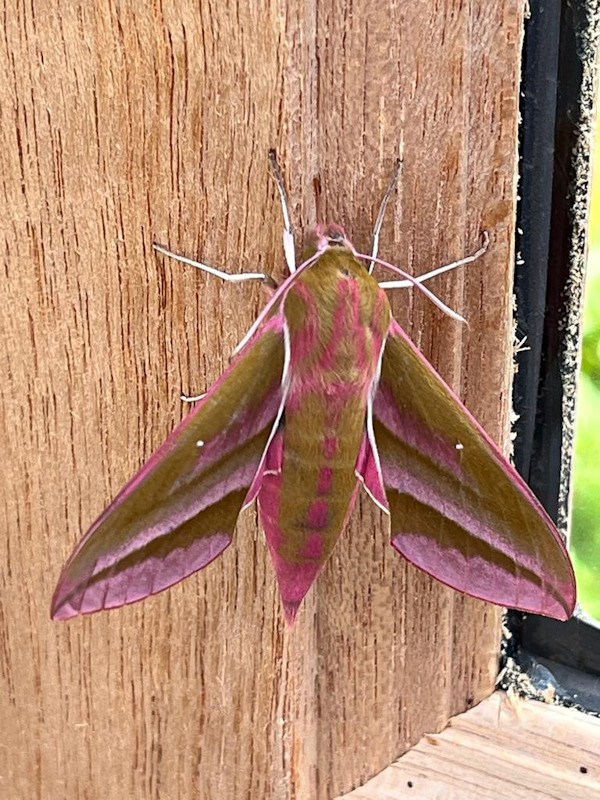
Elephant Hawkmoth by Lucinda
Hummingbird Hawkmoth by Jenny

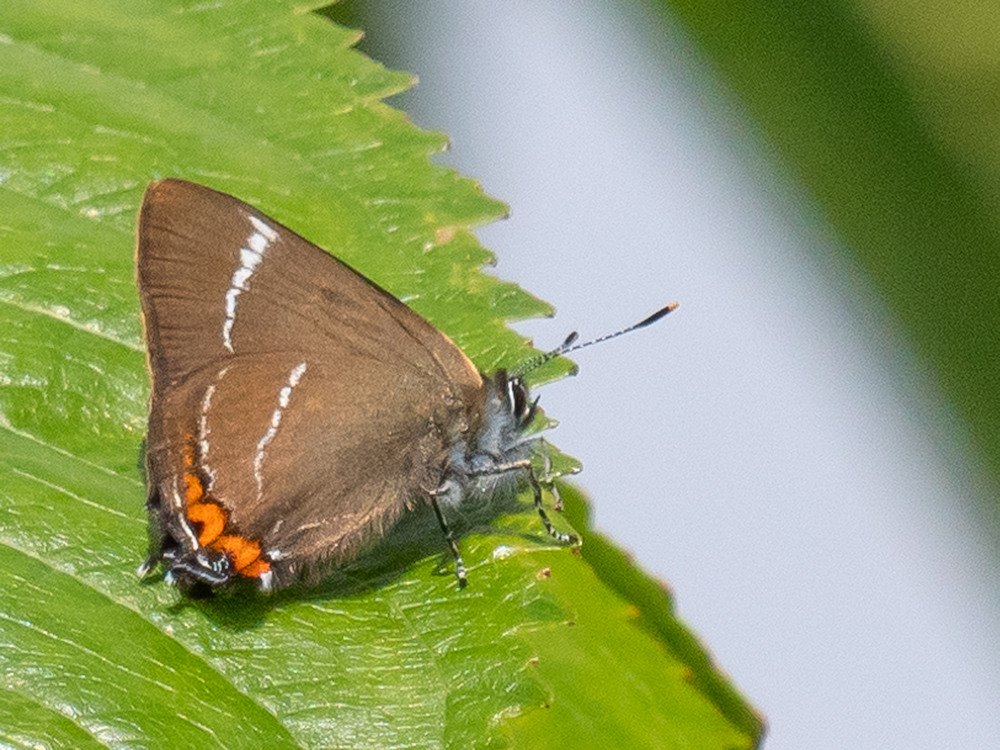
22nd June, the early morning warmth encourages me to go butterfly hunting at CEP. In the last few days about 10 species have been seen and as I walk down the slope I notice a movement up in a tree. It is a small dark butterfly with a fast jerking flight that eventually lands. Immediately I raise my binoculars and am looking at a pristine white-letter hairstreak butterfly. First one I’ve seen in Buckby for many years and a first for Cotton End Park.

23rd June, same time, same place, same tree. This time there are two. I take some woefully distant record photo’s.

Mother Shiptons Moth
Two Spotted Ladybird

24th June, out with Chris and Sue our local professional wildlife photographers but unlike the previous few days it’s cold and dull so no butterfly activity. At Evans’ Ponds there are 6 sedge warblers at least 3 of which are juveniles suggesting local breeding. The swans have cygnets and the dabchick parents each have a single offspring in tow.

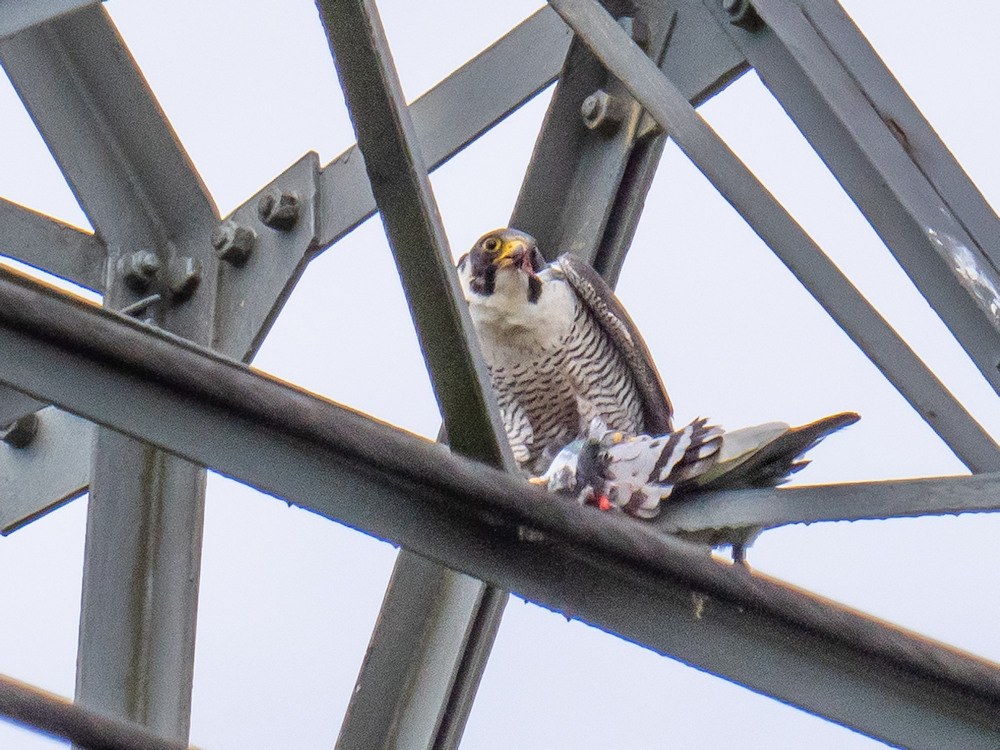
25th June, a busy Saturday starts with some sheep work but not before we see 6 (!) hummingbird hawkmoths warming themselves on a roof at Grange Farm. At CEP the Ebbage’s try again, with success, for the white-letter Hairstreak and also see a peregrine falcon catch a pigeon and land on the park pylon for a plucking session. Is their nest nearby? They also tell me a chap was there and says he saw a red kite and a sea-eagle go over the park. The white-tailed sea-eagles that are roaming the UK are from a reintroduction scheme on the Isle of Wight and all carry satellite trackers. I will try and find out if one has drifted over. I arrive later to the park and see double figures of marbled white and the first small skippers of the year.

White-letter Hairstreak by Sue
Peregrine with wood pigeon

26th June, Alan sees a tern, probably common tern going along the canal at The Wharf, he also sees muntjac in his garden and reports a dozen marbled whites from the junction at the A5. Billy and I have an encounter with the biggest horse-fly we have ever seen probably a tabanus species. We both jumped out of its way. There is a noisy family of 4 ravens about the village, also ones and twos of red kite, buzzard and sparrowhawk. There are family parties of lesser black-backed gulls going over, and there are handfuls of swift and house martins up in the blue. Jenny reports hedgehogs from gardens on The Banks, and Lucinda an elephant hawkmoth from Holyoake.

The Coronet
Small Phoenix

30th June, I find that at least 2 of hummingbird hawkmoths are still about the valerian flowers at grange farm. CEP still has 2 white-letter hairstreaks along with 20 plus marbled whites, and 8 other butterfly species. I spot a common blue damsel amongst the grass as well. I note the park is full of home-grown juvenile goldfinch, blackbird, whitethroat, blackcap, chiffchaff, long-tailed tit, blue and great tit, wren and swallow. There are young rooks, carrion crows and jackdaws on the pastures and the second brood of moorhen bob like fluffy black ping-pong balls on the pond. Hanglands has a dozen bee orchids and several yellow flag iris still in flower and speckled wood and red admiral on the wing.

Village Wildlife Diary for April 2022

Pied Wagtail
Small Tortoiseshell

2nd April, a hundred plus flock of mainly fieldfare and redwing with starling, song thrush and chaffinches on fields off Brington Road. Skylark, greenfinch and buzzard also about, and a couple of meadow pipits go over.

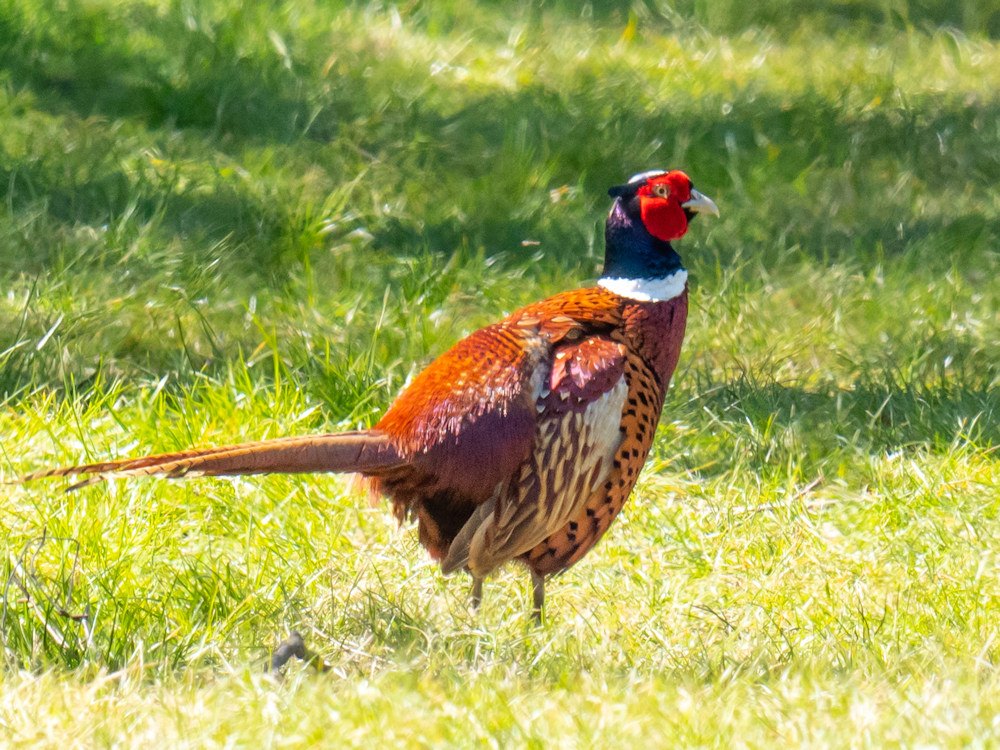
4th April, the shooting season has finished but countryside is awash with pheasants. They are big birds and eat a lot and during the shooting period part of their diet is supplied by the gamekeeper; afterwards they fend for themselves. They consume ‘wild’ food and must seriously affect the food availability for our native wildlife. They also surely increase the numbers of predators/scavengers by being a prime food source especially via road-kill. One of our local farmers complained to me about the number of foxes, kites and buzzards in the countryside, and I suggested it’s maybe because he releases hundreds of tons of fresh pheasant meat into the environment each year. Why does the shooting industry release 50 plus million pheasants annually into our already fragile natural environment when there are so many ‘left-over’ after the shooting season finishes each year?

Pheasant
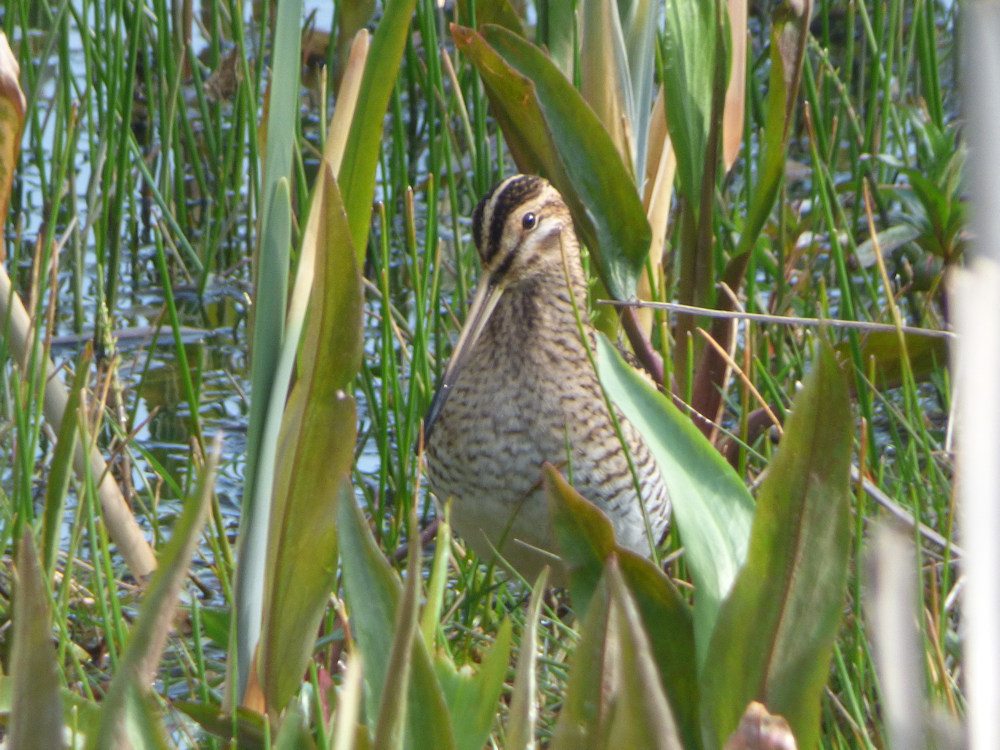
Snipe by Adam

8th April, Cotton End Park has a snipe, new blackcaps with chiffchaff and linnet singing. There are yellowhammer, green woodpecker, snipe and moorhen in the wildlife area and a swallow comes in for a quick drink before heading off. Peacock and bumblebees reported. Angela sees a swallow with a dark breast.

9th April, my old Hebridean ewe Agnes has a ewe lamb, it’s like a black teddy bear, and we call her Ciara (Kee-rah) meaning ‘little dark one’. Fieldfares 10, and linnets 60, still on fields between Foxhill Road and East Street.

12th April, at the wharf Alan still has brambling at his feeder plus fledged Blackbird and a fly-over swallow.

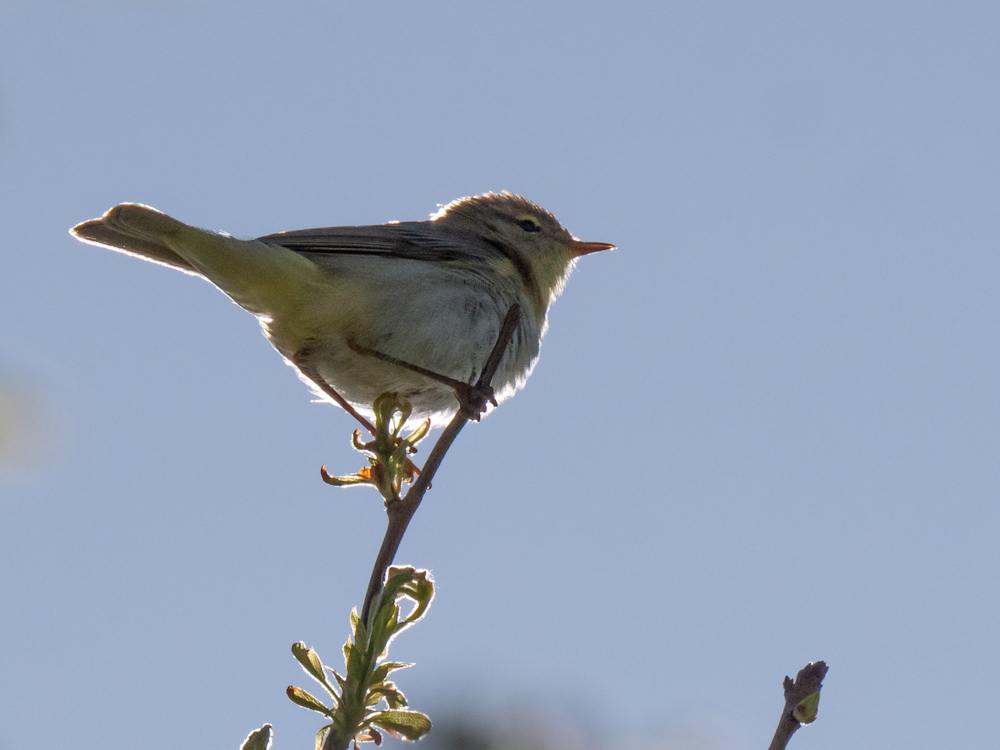
Chiffchaff
Green-veined White

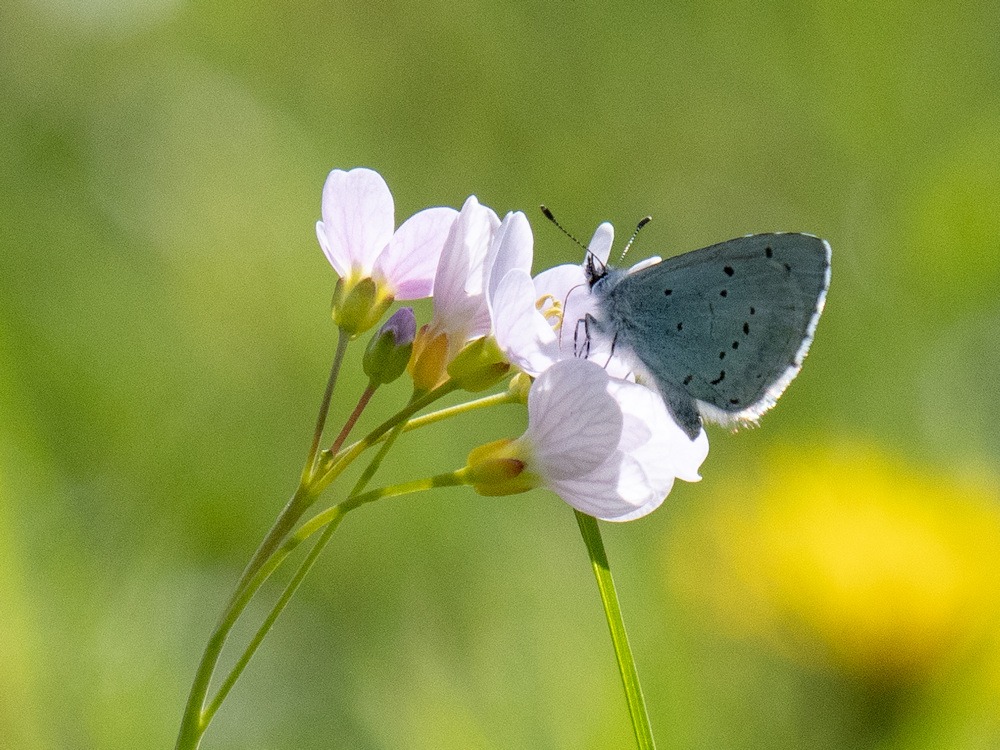
14th April, still a snipe at CEP. I would have thought it would have moved to its breeding grounds by now. 3 blackcaps are singing, and the fritillary flowers look fab. On the track off The Banks/Foxhill Road a whitethroat sings and a few cuckoo-flowers are out. Chris has holly blue off Lakeside and Alan sees 11 mallard ducklings on pound 8 by the canal. The oil-seed rape is flowering.

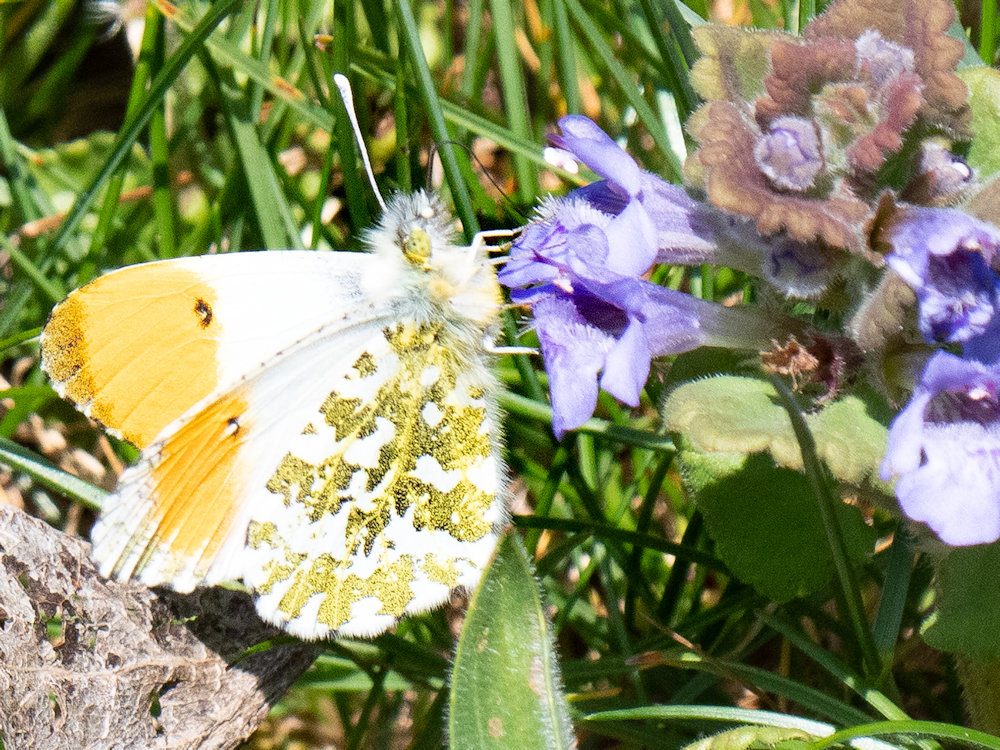
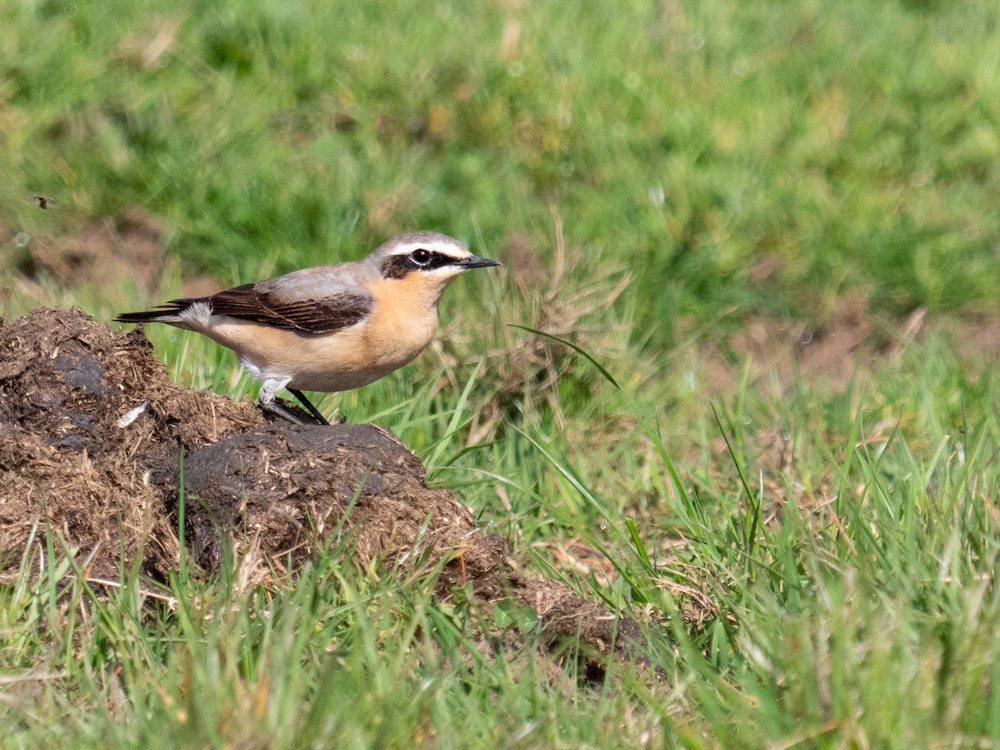
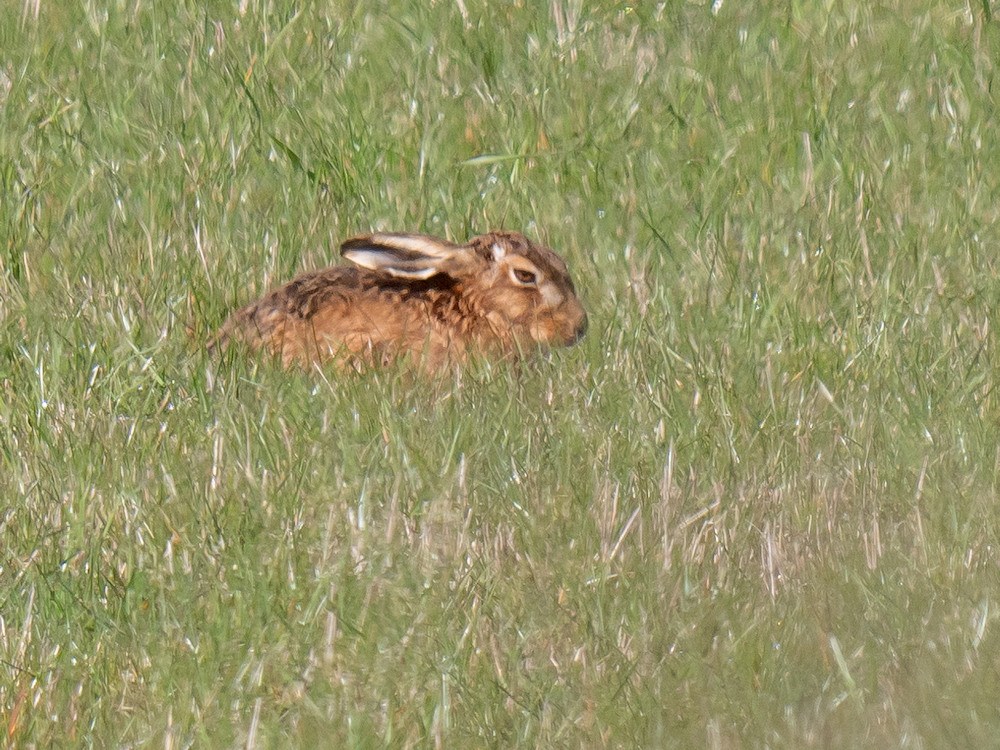
15th April, Sue, Chris and I go for a birding session with the hope of seeing some summer migrants though all is quiet until we see a cracking male wheatear in a horse paddock off the Brington Road. It is standing on horse dung picking of the flies in same way it would have done with camel dung during the winter in sub-Saharan Africa. With the horses following us with increasing interest, we approach in a tight line resembling a six-legged horse and the bird seems quite happy to let us get closer. Sue and Chris take a good couple of hundred shots of the bird. Good stuff. We also see hares, whitethroat and 3 swallow plus orange-tip, green-veined white and three other butterfly species. Ange sees holly blue in our garden.

Orange-tip
Wheatear

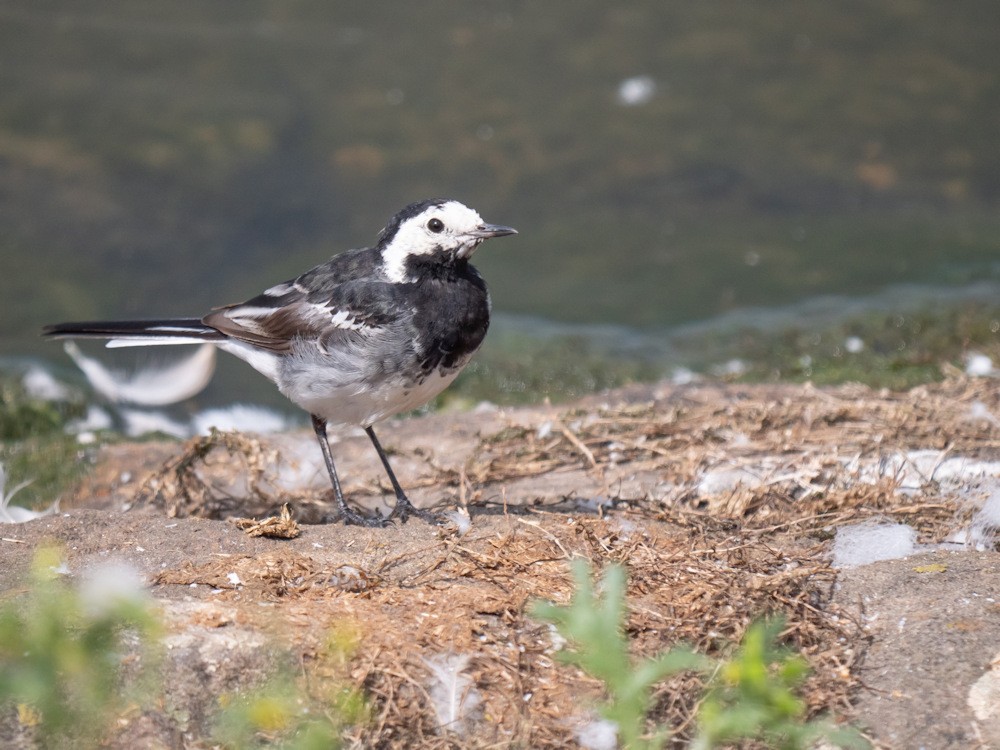
16th April, CEP has jay, red-legged partridge, whitethroat and singing mistle thrush, plus cuckoo-flower, cow slip, snakes-head fritillary and dandelions in bloom. At the farm we have started lambing in earnest and I hear jay, skylark and coal tit, and see yellow wagtail, meadow pipit, pied wagtail and red kite.

19th April, I have been stopping as I usually do at a gate on the Foxhill Road where the open sheep pasture annually hosts the odd Wheatear on passage in spring and/or autumn. Some years, even with regular visits at the right time I still see nothing. This spring I have stopped and looked a dozen times and nothing but today there sits a lovely male Wheatear, shimmering in the heat-haze. I am pleased as punch.

21st April, CEP has an incoming lesser whitethroat, snipe and swallow.

Hare
Holly Blue on Ladies Smock

26th April, I hear a willow warbler but it is at Harlestone Firs saw mill whilst I‘m collecting sheep fence stakes. The old rusty corrugated roofing tins rescued from the farm buildings conversion lay in at the edge of the wood at Hanglands as a place of safety for small mammals etc. They are also a good way of seeing wildlife that is normally hidden from you and once in a while I gently lift the tins to see what’s there. Today there’s a common shrew, a short-tailed bank vole and a ‘baby’ grass snake. The sun shineth and holly blue, small white and brimstone flutter through my garden. As I stand watching a call emits from above and my first house martin of the year goes over. Muntjac, fox, grey heron and 2 greylag geese reported.

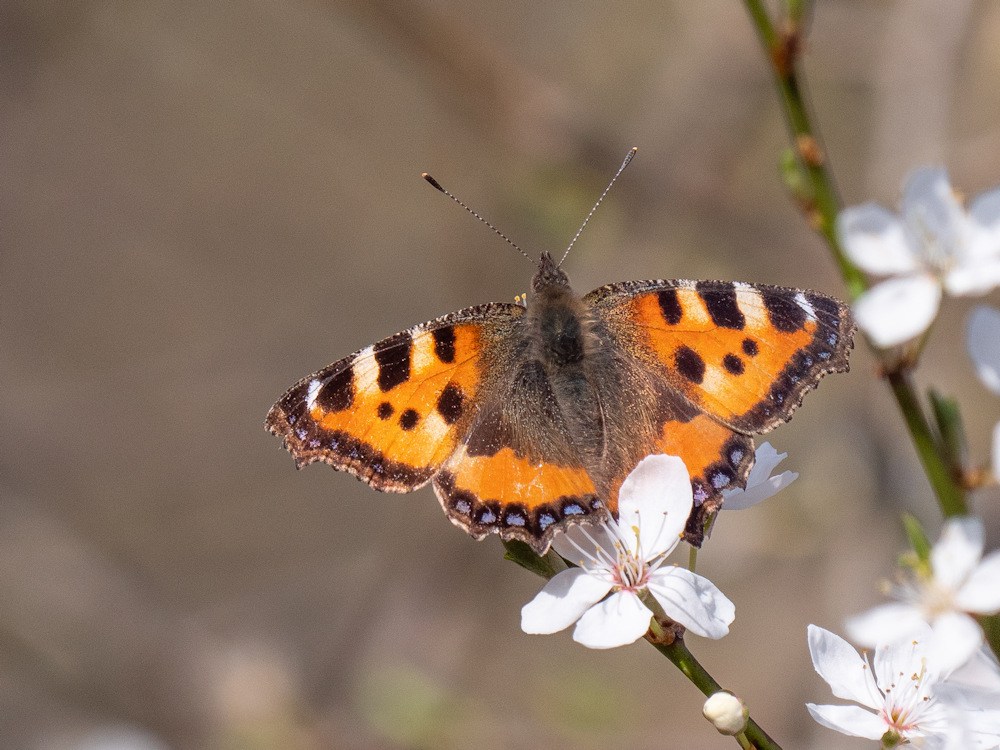
30th April, from CEP I can see eight hares together in nearby pasture. A lovely day off prompts me to go walk-about. I don’t see much but hear song and mistle thrush, wren, blackcap, chiffchaff, whitethroat, lesser whitethroat, yellowhammer, reed bunting, great spotted woodpecker, little grebe, bullfinch, red-legged partridge, and linnet. The warmth brings forth brimstone, peacock, small tort’, holly blue and orange-tip. With perception the world turns towards the sun.