Village Wildlife January 2024

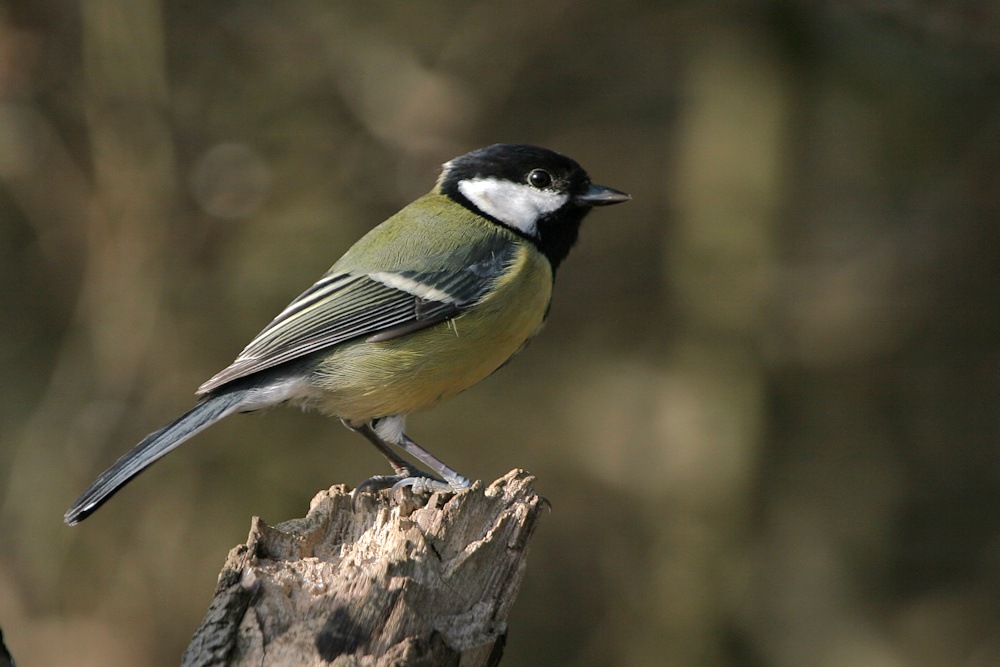
Great Tit
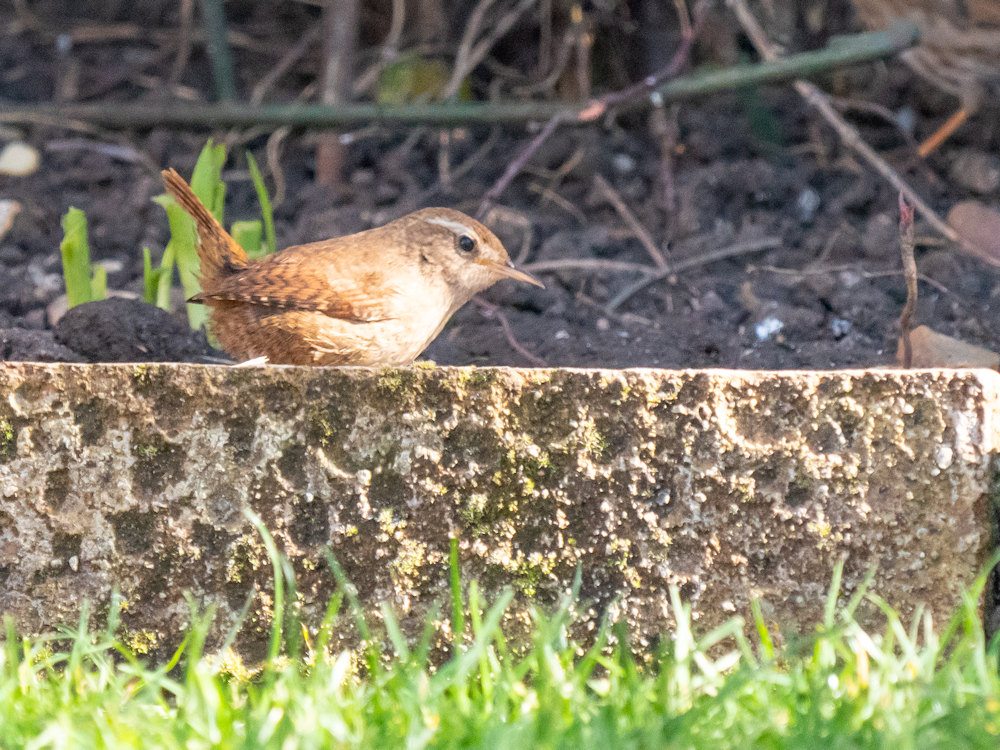
Wren

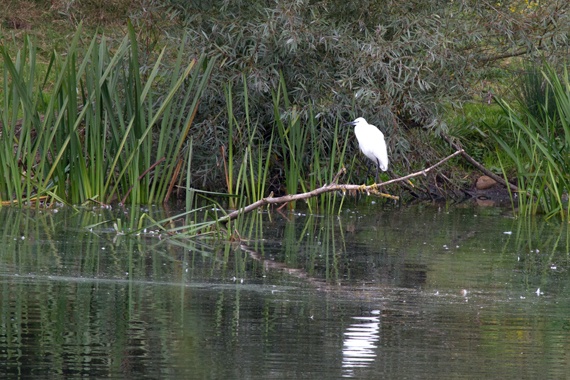
An extensive range of weather kept us all on our toes this month. A few mornings of frost were a rarity with noticeable warm, windy and wet dominating. The floods that attracted a great egret (formerly great white egret) to the parish disappeared but the bird remained with several reports from Surney, Bridge House Farm lake and Lodge Park Farm lake throughout the month. For maybe ten years we have had the odd wintering little egret yet only twenty years ago little egret was described as a ‘Scarce becoming frequent visitor’ and great egret was described as a ‘Rare vagrant’ in the Northants Bird Report, since then both species have become virtually resident in the county; And as I’ve mentioned before they were thought of as birds of the Mediterranean region when I was young. From a distance a white blob by water could be either egret, and size is difficult without comparison, but the main features of the great egret include a much longer, thinner, angular neck and a large yellow, ‘dagger’ bill. They are basically more grey heron-like than little egret and quite a spectacle in flight as well.
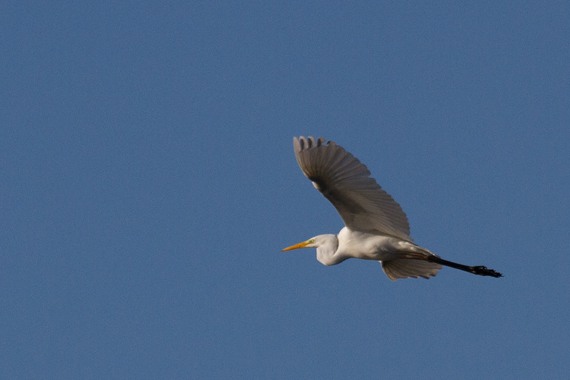
Great Egret
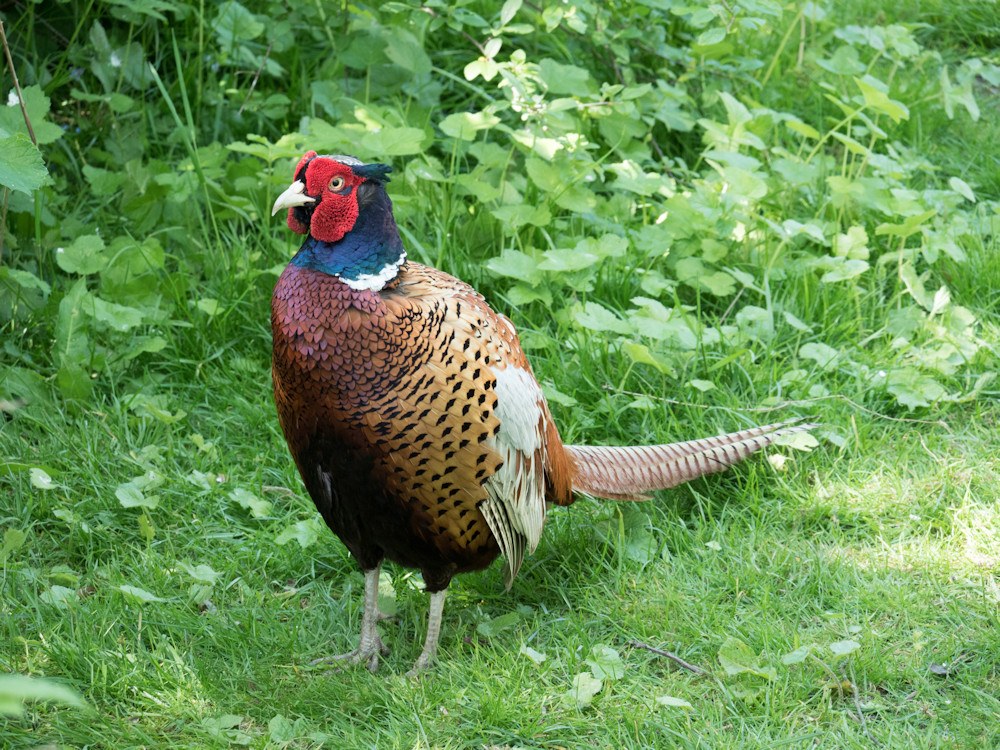
Pheasant

My comments on the pheasant shooting industry (November diary) were picked up by local shooter Trevor Moore who invited me to discuss my suggestion that game birds (reared birds, mainly pheasants, released on mass to be shot) in the environment have a negative impact on native wildlife. We agreed on several issues including that game cover (specifically managed areas of game friendly crops, corridors, plantations etc) are beneficial to native wildlife and that to a degree supplementary food put down for pheasants can be eaten by some native birds. We were less certain on how much wild food pheasants actually eat, what releasing large numbers at one time has on already fragile ecosystem and how they calculate how many the environment can accommodate. We also wondered about how many pheasants were shot (reportedly the national average is less than 40%) and what happened to the survivors. We also discussed the number that breed afterwards, get injured though shooting or on the roads, linking this to the disproportionately higher numbers of native foxes, buzzards, kites etc that take advantage of this mass of easily sourced food; and then get persecuted. We concluded that local volunteer-run shoots were in perspective with their locations compared to commercial shoots which were pressured by having to pay game-keepers and make money from paying guests. On the whole we thought that the local landscape benefits from the many plantations and existing woodland used for game rearing and if shooting was stopped then they could be cleared to be replaced by agriculture. My thanks to Trevor for his insight and for sharing his knowledge and love of our countryside and wildlife, and on balance there seems to be more gains than losses in having game shooting in our countryside.

Aside from shooting, Trevor, with the aid of local landowners is invested in helping barn owls to breed by erecting and maintaining nest boxes. We have two at Cotton End Park and owls have used them in the past but often get usurped by jackdaws. Of course there are too many jackdaws because people feed them in their gardens throughout the year, but that’s another story. We have now cleared out our nest boxes of jackdaw twigs and refurbished them ready for spring. Fingers crossed.
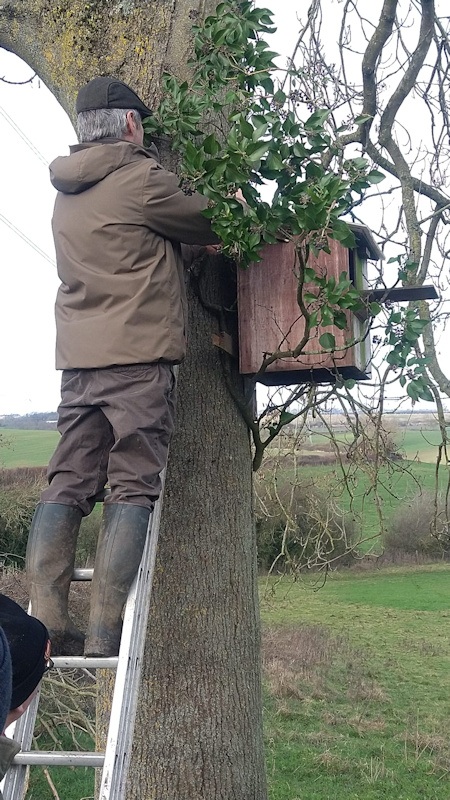
erecting owl box at CEP
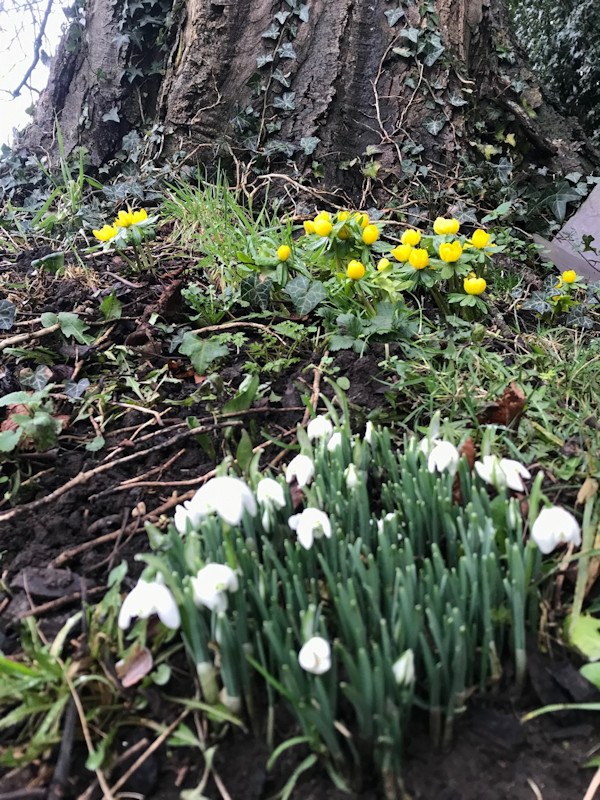
aconites and snowdrops

I was pleased to see 40 odd lapwing near West Haddon on the 20th, and the first butterfly of the year in the form of a red admiral on the 22nd off Spencer Road. Alan reports raven and goldcrest from the Wharf and David finds a pair of stonechats from the footpath in the ridge & furrow field below Church Farm. I see them a week later (27th) and also the great egret at Lodge Park Farm lake. A jack snipe is seen at CEP along with stock dove on the 28th.

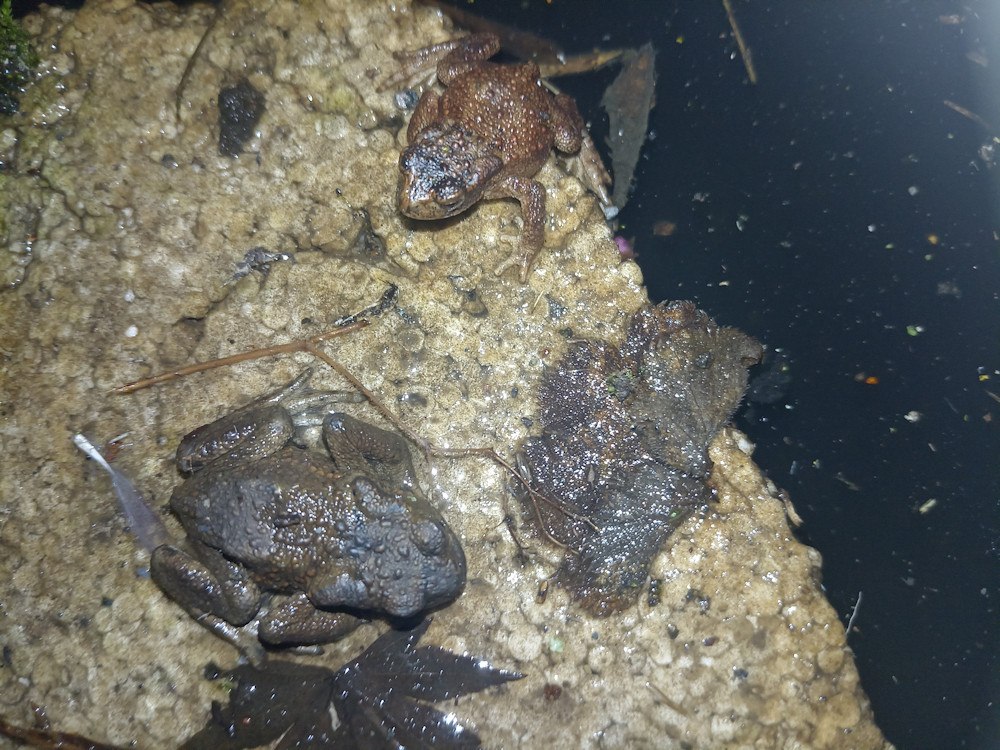
Mill Park is full of snowdrops, aconites and even flowering violets, and is full the songs of great tit, blue tit, song thrush and robin. A ‘pied’ jackdaw is reported from Harbidges Lane and Brian Laney reports young frogs, toads and great crested newts from the drains on the new estates. Brian is using polystyrene floats in the drains for the amphibians to rest on after they fall in and then rescues them. Road drains must account for the deaths of untold numbers of creatures that fall through the grills.
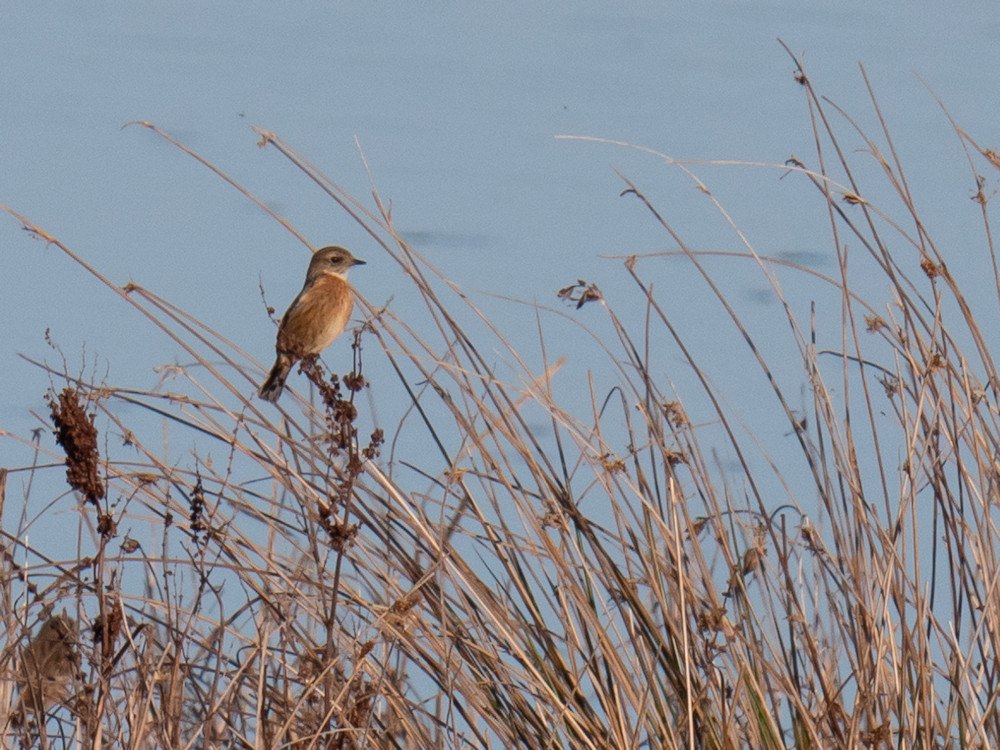
Stonechat
amphibians on float

Several dead badgers noted on the roads around us. To think they are getting shot by government agents, trapped, dug out and shot by landowners, abused in various way by the hunt and are dying on mass on our roads seems remarkable knowing that our own government in 2022 states ‘Badgers and their setts are protected by the Protection of Badgers Act 1992, where it is an offence to take, injure or kill a badger – or attempt these actions.’

Maximum temperature for the month was 13.7c on the 23rd at 2052h, minimum, -9.2c on the 18th at 0145h. Precipitation 55.6mm. (Many thanks to David)
Village Wildlife Diary – December 2023

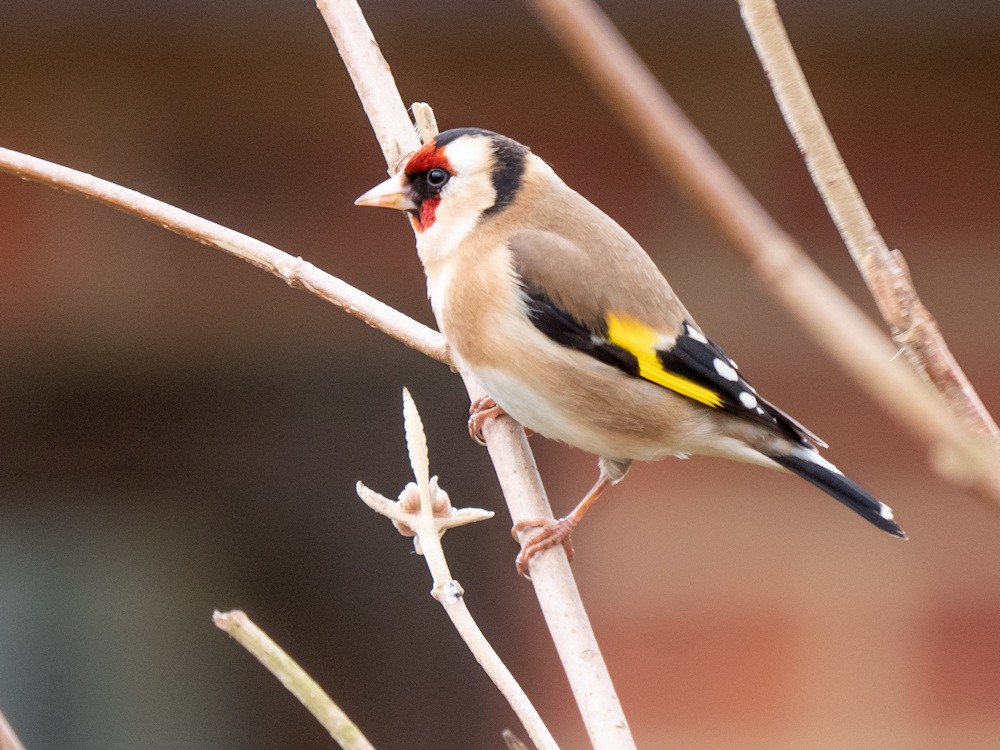
Goldfinch
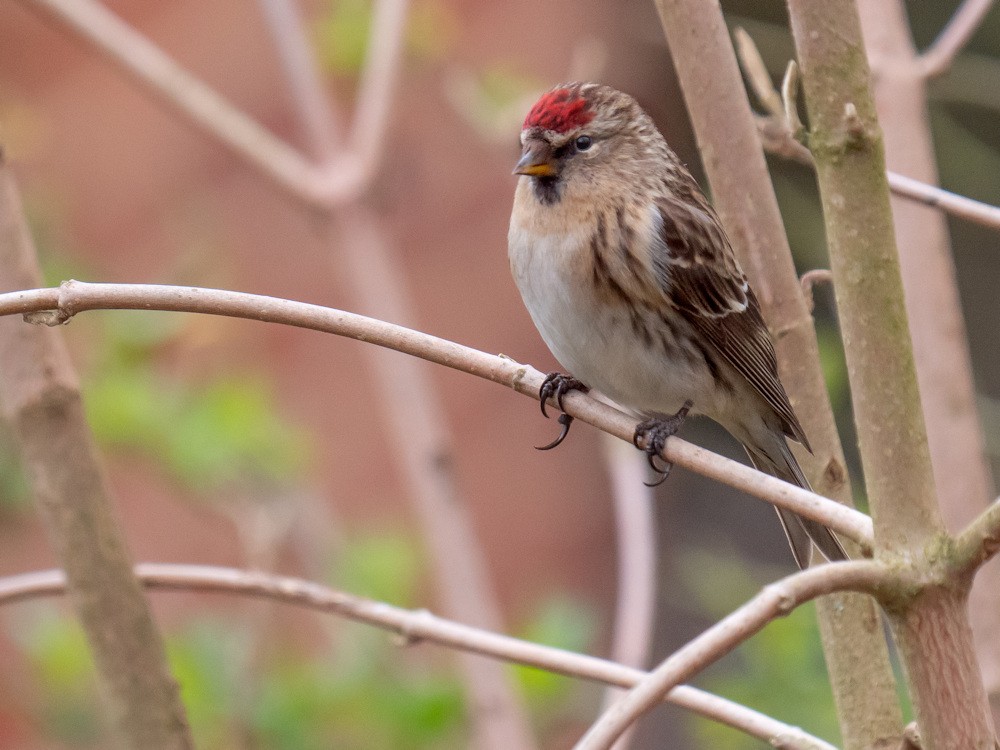
Redpoll

We are heartened by finding fairly fresh owl pellets (regurgitated pellets of indigestible fur and bone) in our owl box at the park. Good fun is had with our younger volunteers teasing the fur apart and extracting various skulls and jaws and matching them up. Mainly voles and mice of course though in the past I’ve had frog skulls and bones.

Little Egret
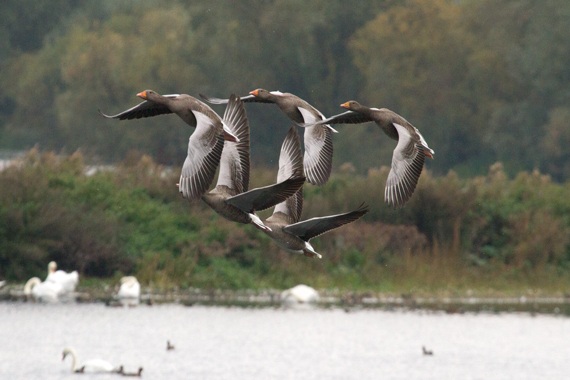
Greylag Geese

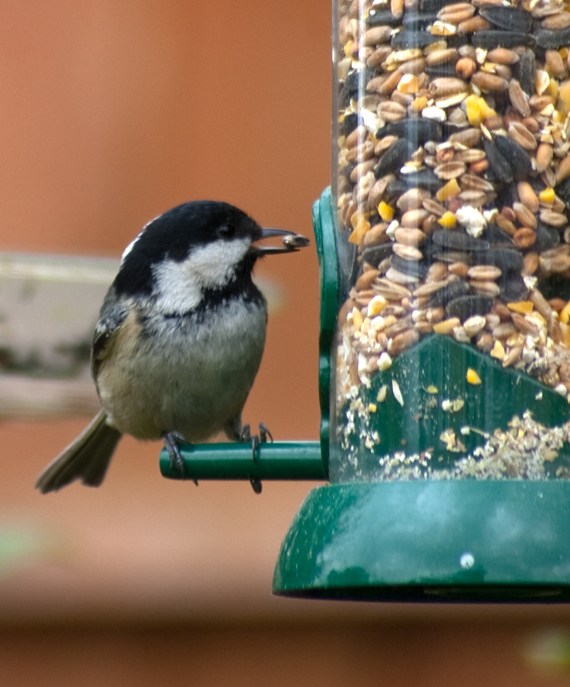
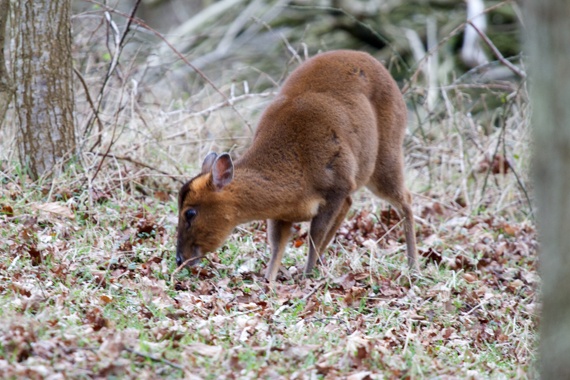
It seems to rain almost every day and reports of a little egret on Lakeside and great egret on floods at Surney are not surprizing. Records of fly-over cormorant, greylag geese and mute swans received plus Alan saw a cormorant fishing on the canal. Despite the rain the mildness has encouraged wood pigeons, collared doves and stock doves to, sing (Coo?) pair-up and display and no doubt some will be nest-building. There is a keen song thrush on East Street that sings regularly and coal tit, goldcrest, wren, robin and mistle thrush have also been singing. Another blackcap was seen in a garden on Buckby Meadows and there still one or two siskin and redpolls about. Muntjac reported from off Brington Road.

Coal Tit
Muntjac

My wildlife friends tell me there are reports of frogspawn from Cornwall and Devon.

I am sent a Christmas card with a painting of a soldier in a snowy trench in WW1. He is holding up his rifle and on the end of the bayonet is a robin. And the caption reads “sat on the end of my bayonet like a bloomin’ Christmas card, he did”. I am reminded that the human world seems as mad as ever and go to the park and feed the sheep.

Happy new year to one and all.

Maximum temperature for the month was 13.4c on the 13th at 10483h, minimum, -4.2c on the 2nd at 0935h. Precipitation 117.6mm. (Many thanks to David)
Village Wildlife Diary – November 2023

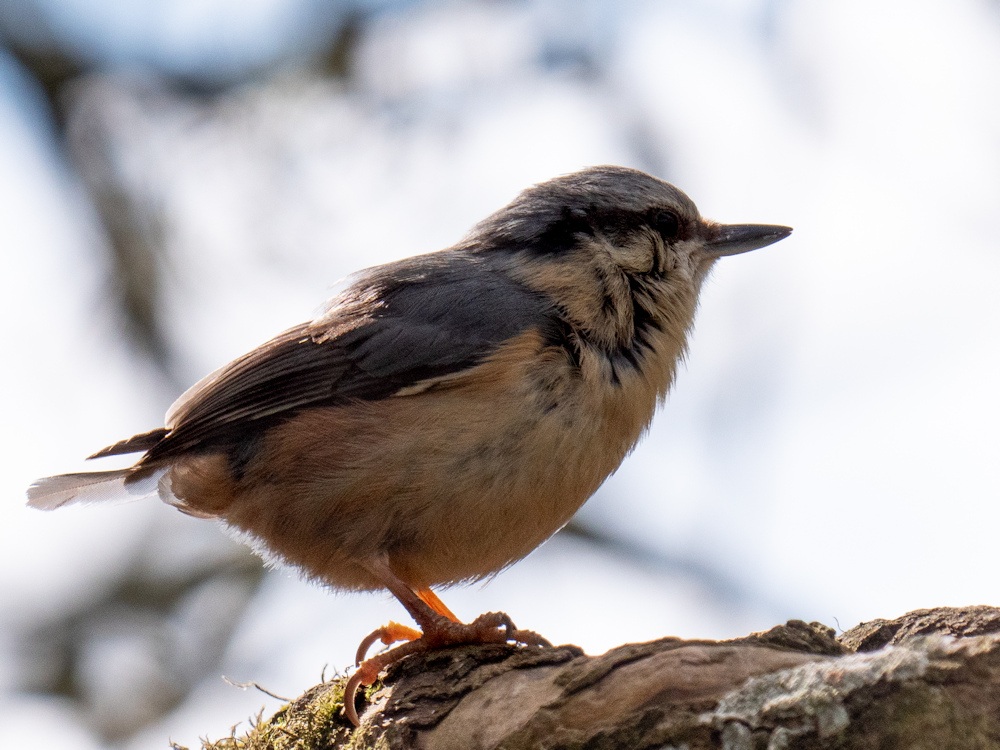
Nuthatch
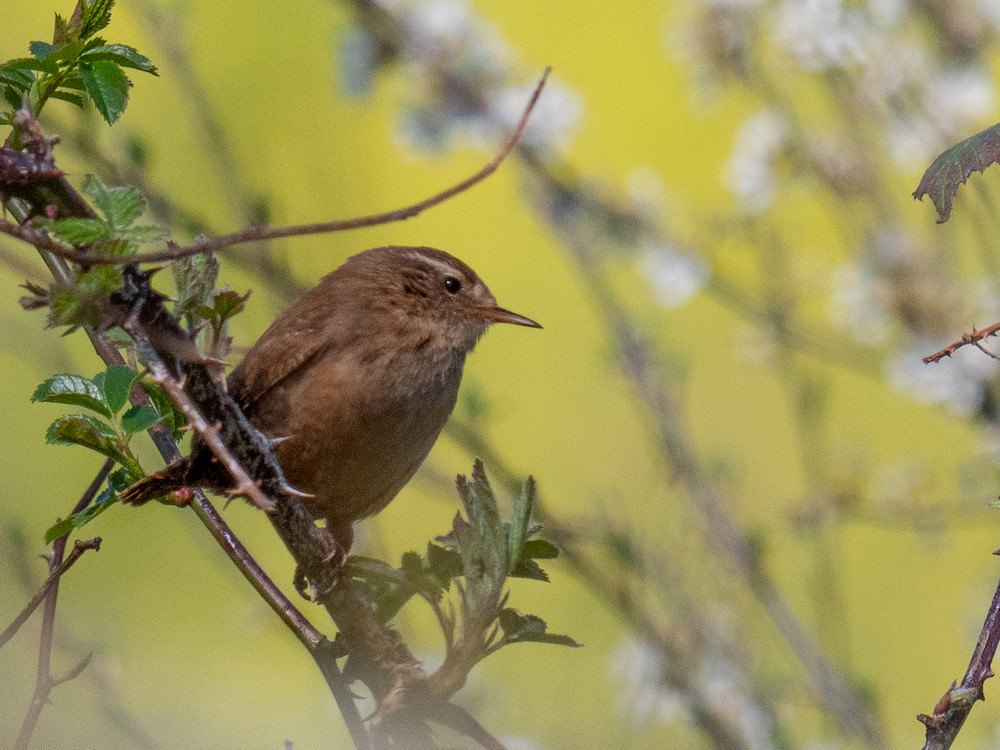
Wren

The fifth was still warm enough for us to find a migrant hawker dragonfly whilst working to maintain the ponds at Cotton End Park. A few extra blackbirds, probable European incoming migrants, joined the residents as they feasted with fieldfares and redwings on haws on our ample boundary hedge. A handful of blue, great, coal and long-tailed tits, goldcrests and wrens were busy amongst the ivy, constantly calling to each other. A nuthatch was seen in a village garden.

Plenty of pheasant released again this year despite common-sense bird-flu restrictions. These non-natives are out there consuming vast amounts of wild food depriving our native birds of food at exactly the time that they need it the most. To be fair many ‘shoots’ put food out for game-birds that is also consumed by some native birds but please tell me that there is a proven scientific method and practice in place to feed pheasants, so they do not negatively impact on the amount of wild food available for native wildlife. The environmental impact of having game-birds in our countryside is another factor in the decline of our local wildlife.

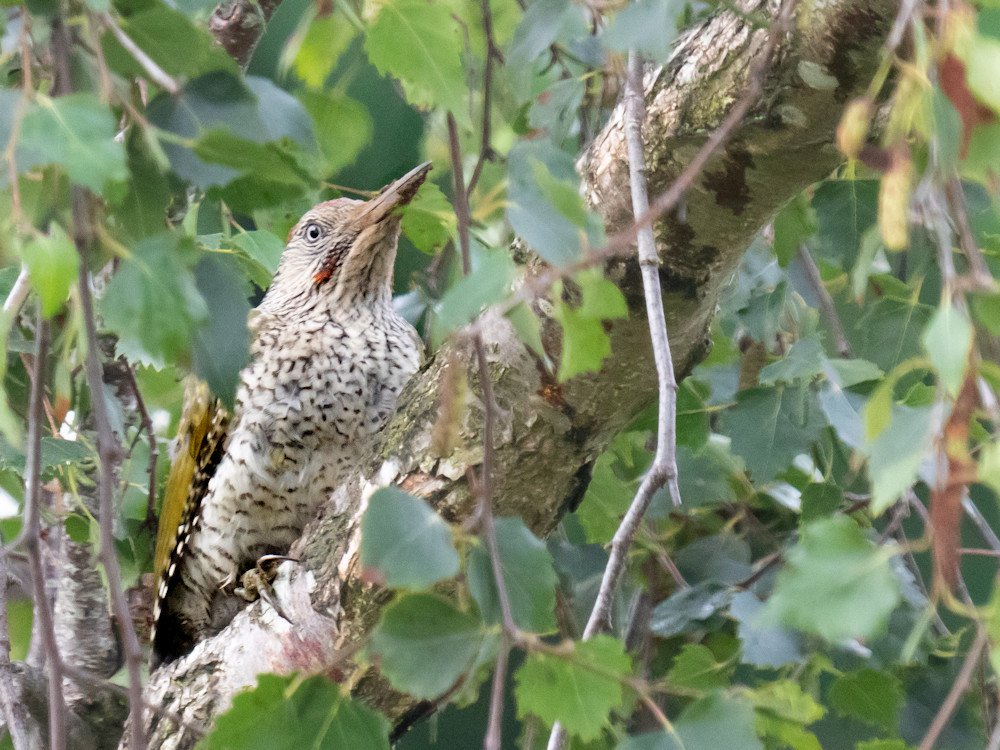
Green Woodpecker
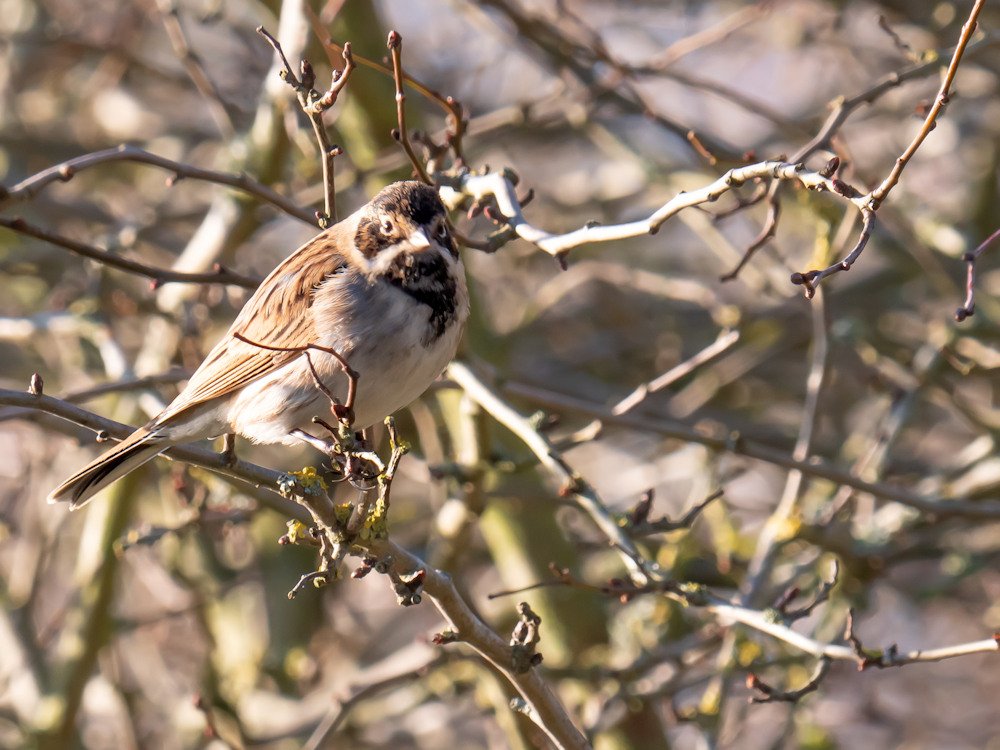
Reed Bunting

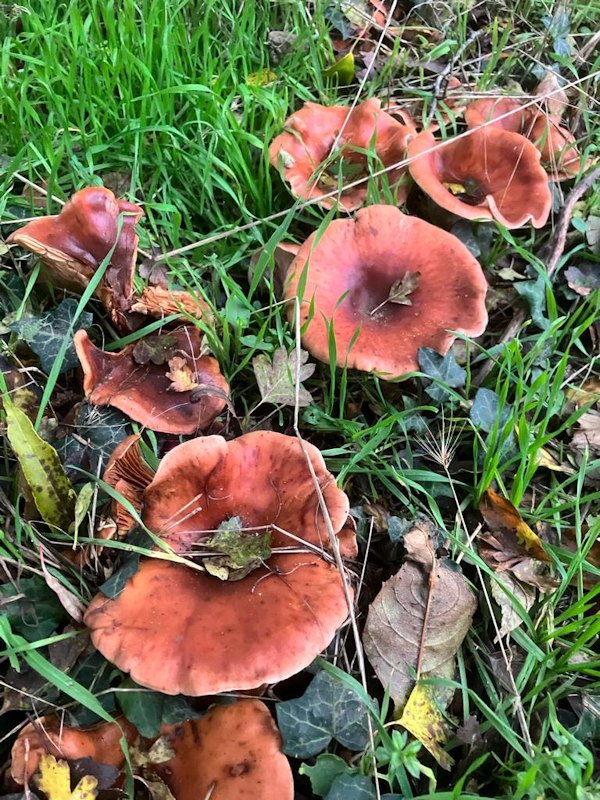
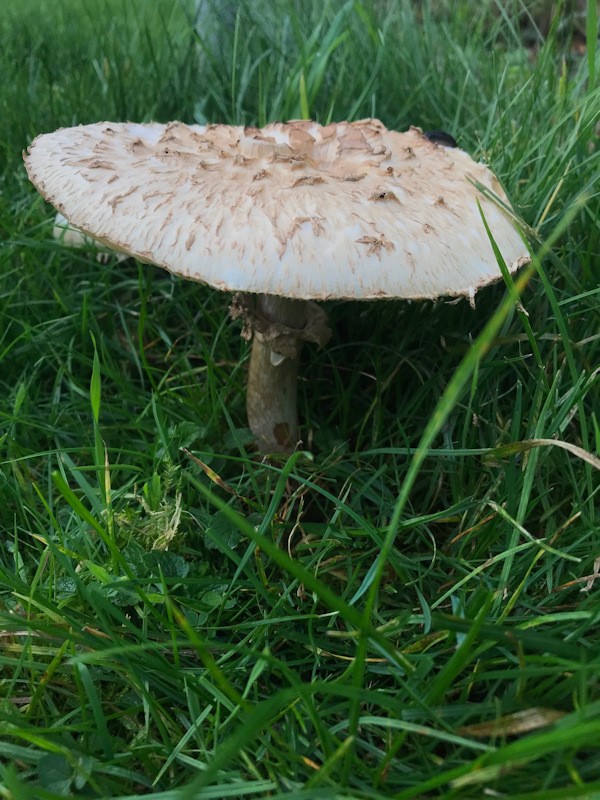
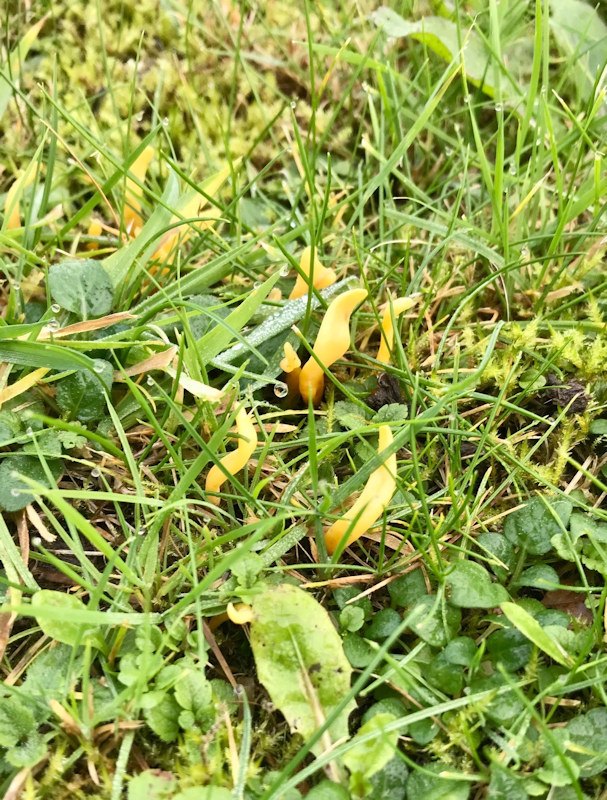
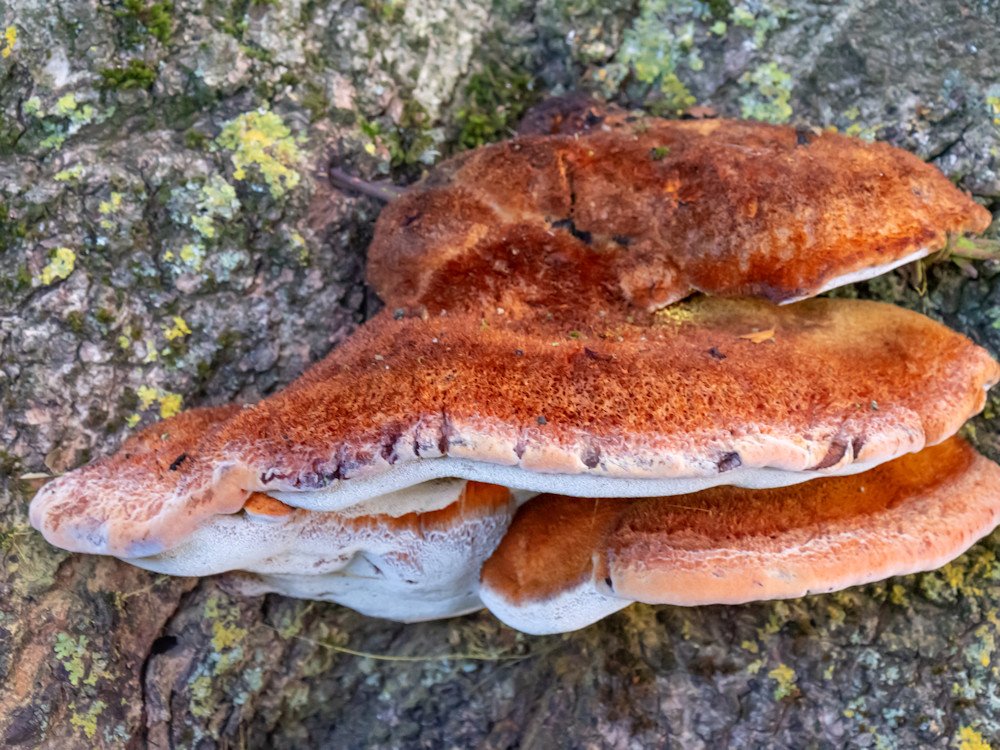
The rooks are spending time on half-hearted courtship and display before heading off the feed in the morning and seem to do similar when coming home and they roost in the tree that has the remains of last year’s nests. We still have a couple of rabbits at the park but other landowners tell me they have not seen any for ages. I also think buzzard numbers are down and want to correlate the two thoughts. Kites still seem to be an almost daily sighting with as many seen over the village as over the fields. The shooting fraternity have reported the first of the annual winter influx of woodcock, though it needs to be a lot colder on the continent before the majority arrive. I am working and concentrating on a tricky electric connection on a nearby farm but still the single fluty call of a golden plover penetrates my brain and I feel the need to look out and up. There at a great height are over a hundred plovers passing over. Allan reports a cormorant and a blackcap from the Wharf. The latter a mainly insectivorous warbler could well be an eastern European bird many of which manage to winter in the UK. A red admiral butterfly reported earlier in the month, and there is still an amazing show of fungi.

fungi sp
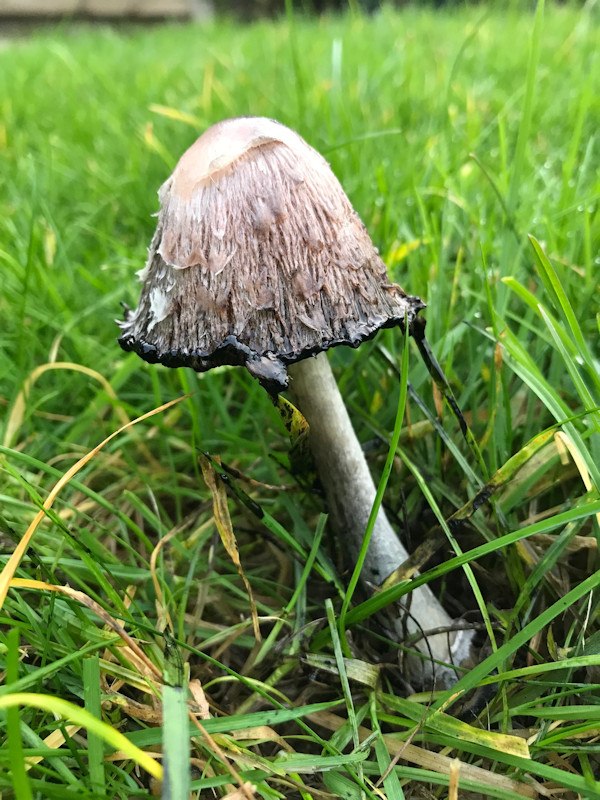
inkcap fungi sp
parasol fungi sp

Bird-flu is still spreading and is devastating our native birds, particularly at the UK’s internationally important seabird colonies. These birds are already in decline due to recent changes in food availability in the seas around our coast and some of my birdwatching friends have been down to Cornwall recently as there have been a series of extraordinary bird and wildlife sightings confirming things are not as they should be. A handful of bird species normally only ever seen around tropical and South Atlantic waters are now being seen off our coast. There have also been many new fish species and other marine life seen as well. The cause is a warming sea and a collapsing food-chain in the areas where they normally live. The severity and frequency of global ocean warming events is now having a devastating effect on marine ecosystems with millions of seabirds reported dying and others dispersing. And on the Antarctic ice shelf over 7,000 emperor penguin chicks drown last winter because the thinning ice broke up unexpectedly. How many humans rely on the sea for their survival?

clavulinopsis fungi sp
bracket fungi sp

Local plant-finder extraordinaire Brian Laney has reported two species of orchid growing on some turf off Greenhill Road. This site has had similar reports in the past but the place gets mowed by contractors and the plants rarely flower.

Maximum temperature for the month was 14.5c on the 18th at 1233h, minimum, -5,4c on the 30th at 0004h. Precipitation 69.2mm. (Many thanks to David)