Village Wildlife Diary – October 2023

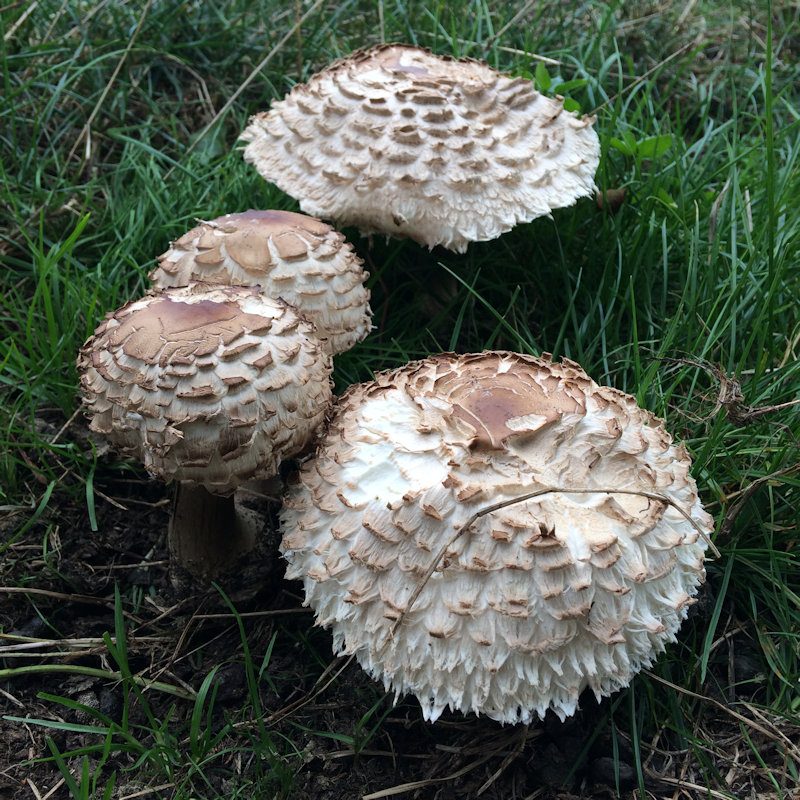
maybe Shaggy parasol
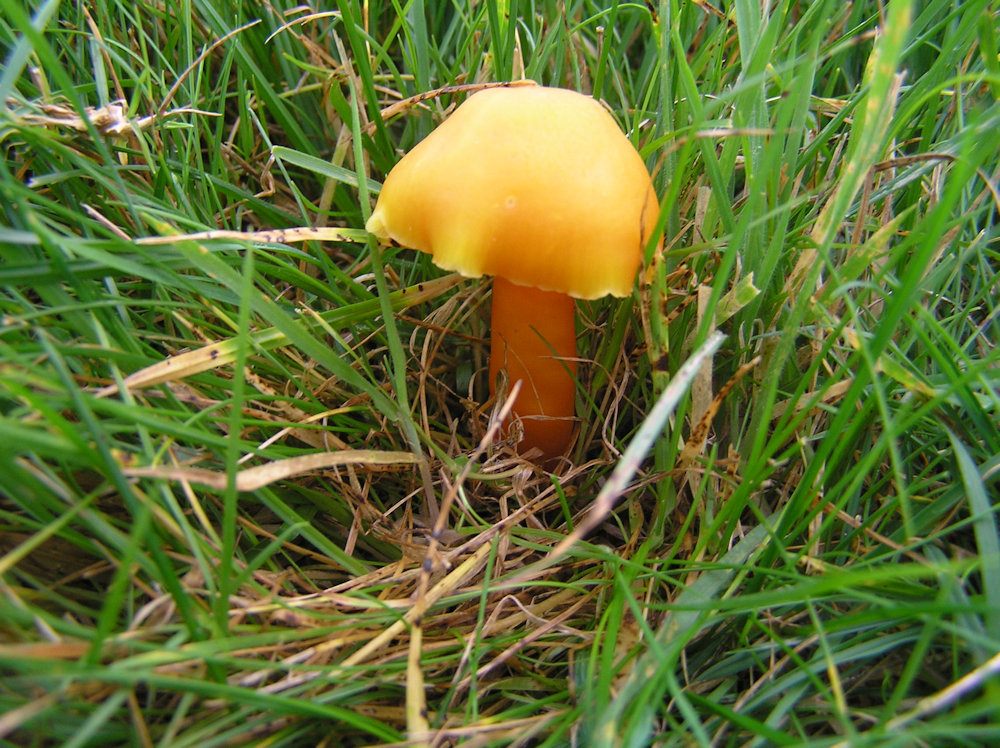
Waxcap sp

No sooner are the fields harvested and tilled that they are then drilled and sown, with many showing a green mist of cereal shoots by the end of the month. Our sheep paddocks are still green as the grass continues to grow, the mix of sun and showers keeping conditions ideal. Even a brief mid-month frost didn’t stop the process as many a lawn owner will attest. The warm/damp ground is now producing mushrooms for many fungi species but also keeping the slugs and snails active so most of the mushrooms I come across are immediately attacked by them before they get a chance to mature. The six Sakura cherry trees, gifted by the government of Japan, are now on their second year at Cotton End Park, and each tree is showing different signs of autumn with some having leaves of various reds and some gold; they really are quite pretty.
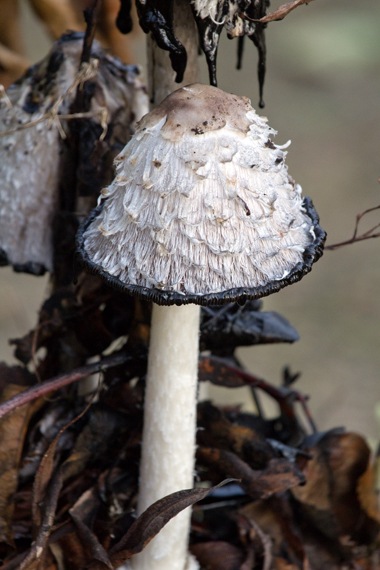
Shaggy inkcap
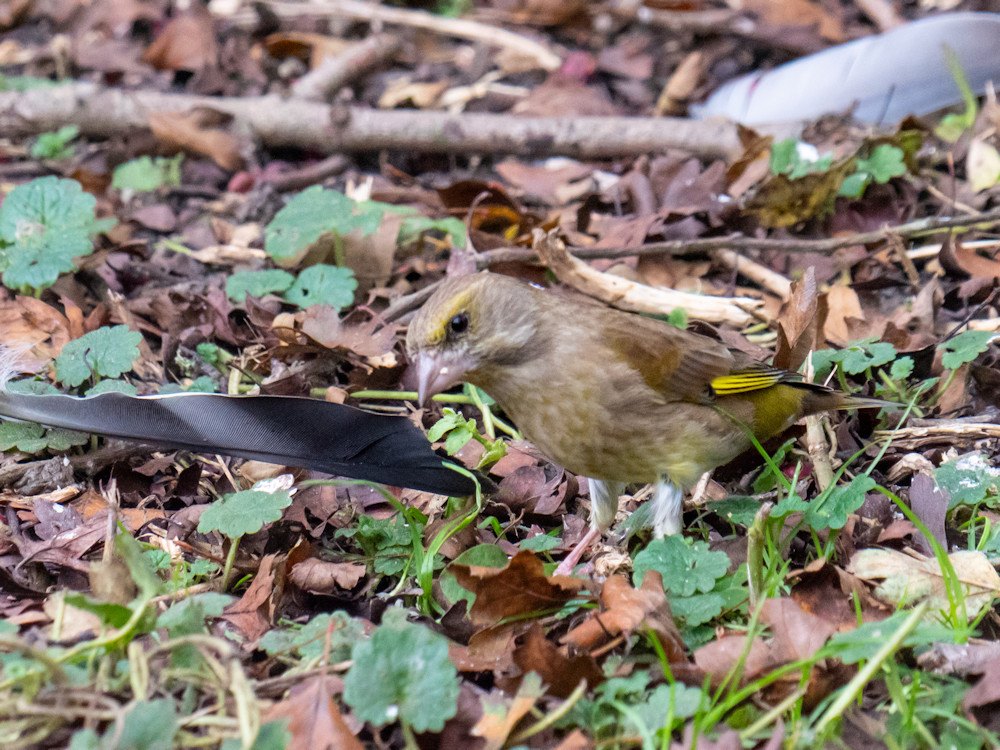
Greenfinch

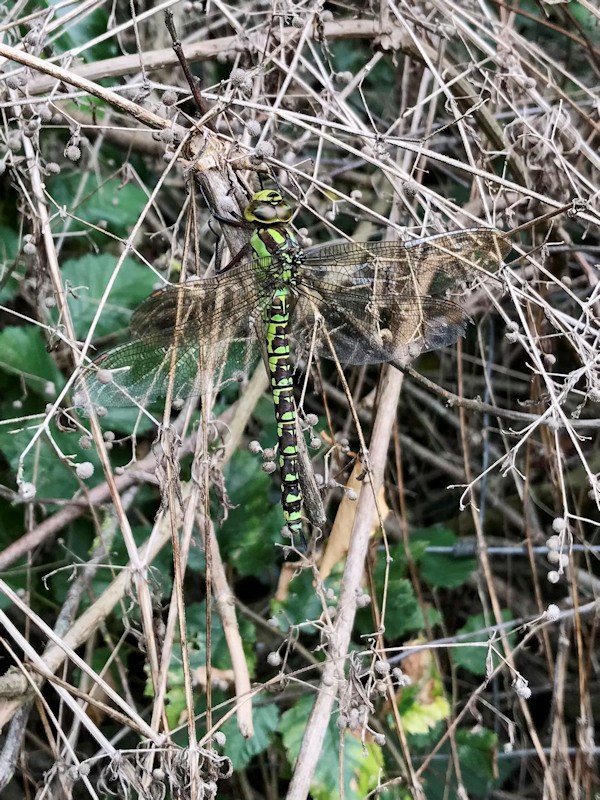
During the first week of the month dragons and damsels seen included southern hawker, migrant hawker, common darter, ruddy darter and willow emerald. Butterflies were reduced to red admiral, brimstone, speckled wood and small white. By the end of the month only red admiral and common darter were being seen. The still nights were warm enough for a couple of bat records to be noted, but the first truly winter bird migrant, the redwing (A small Scandinavian thrush) was heard going over during the night of the 10th. Several have been reported on a daily basis since and the other winter migrant thrush, the fieldfare, has been noted since the 15th. Talking of thrushes, our resident mistle thrush has been heard singing on a couple of occasions during the month.
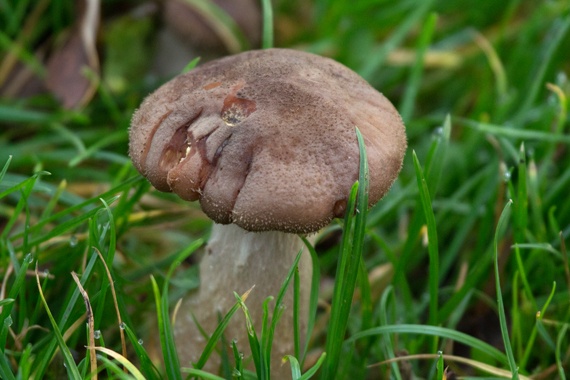
mushroom sp
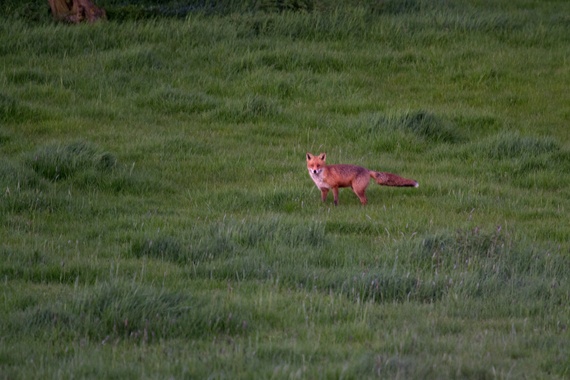
Fox

A roe deer was seen as road-kill as was a polecat during the month with a few hedgehogs also succumbing to the internal-combustion engine presumably desperately trying to gain enough weight to hibernate. No matter now. Brian has been monitoring the moths around his village garden and has found box tree moth and olive tree moth, the latter a migrant from Europe the former designated a pest for damage done to box hedges by its caterpillars.
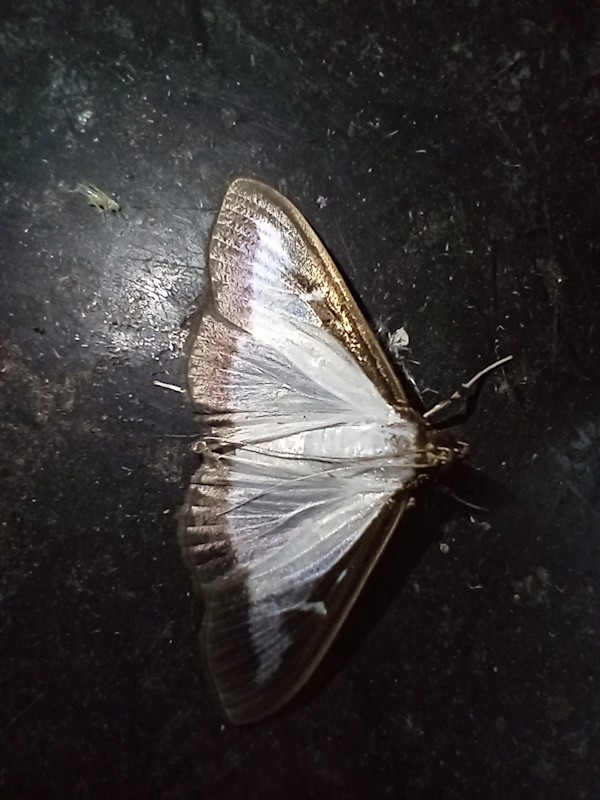
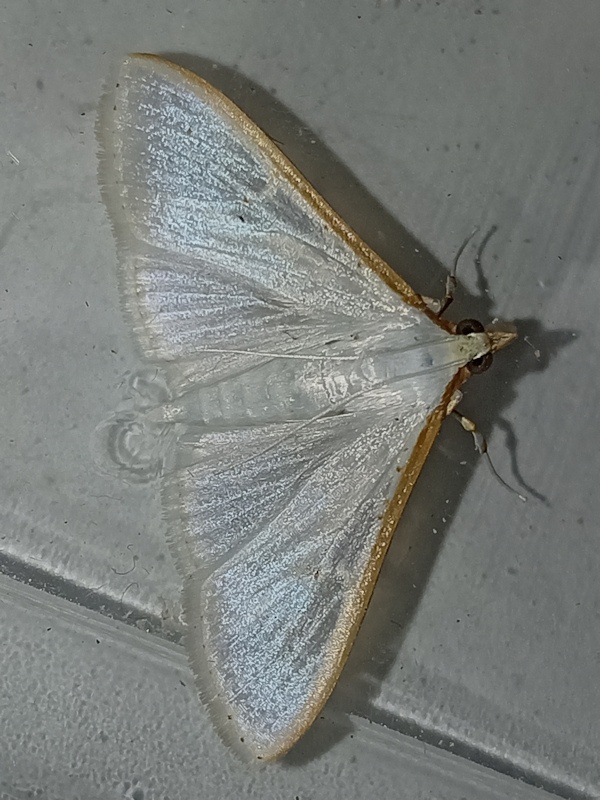
Box tree moth
Olive tree moth

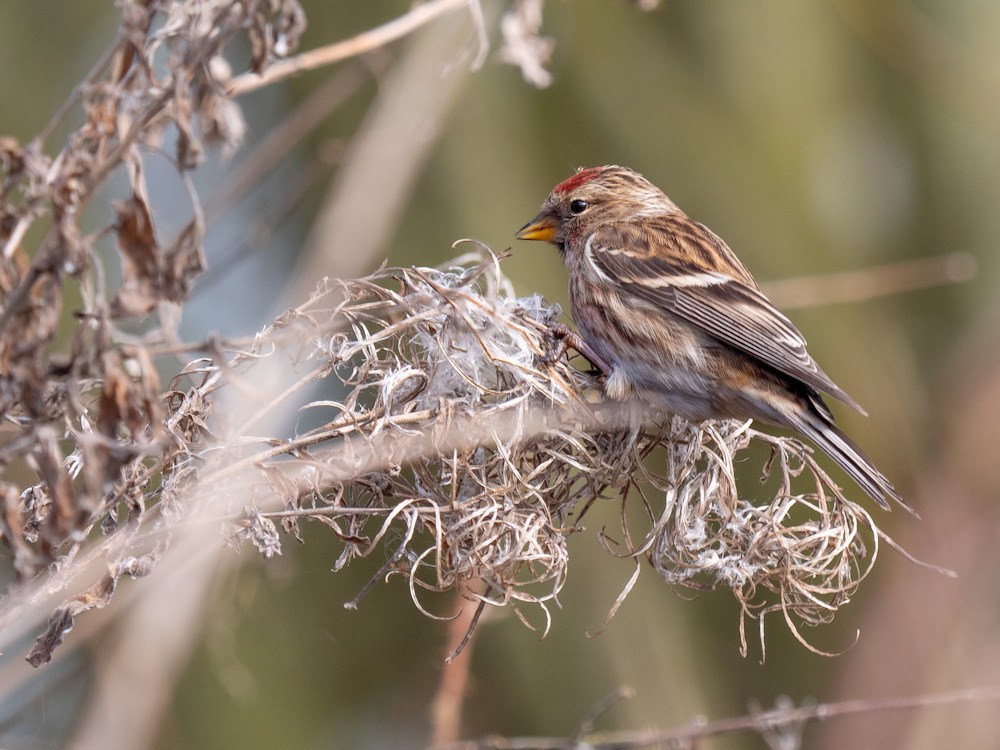
The last(?) swallow was reported mid-month, and a gang of black-headed gulls are about the parish causing as much trouble as the jackdaws in gardens and on the streets. A few larger gulls, mainly lesser black-backed and herring have been moving through as have Canada and greylag geese. Greenfinch, lesser redpoll, grey wagtail, coal tit and goldcrest reported from the village, grey squirrel seem to be up in numbers.
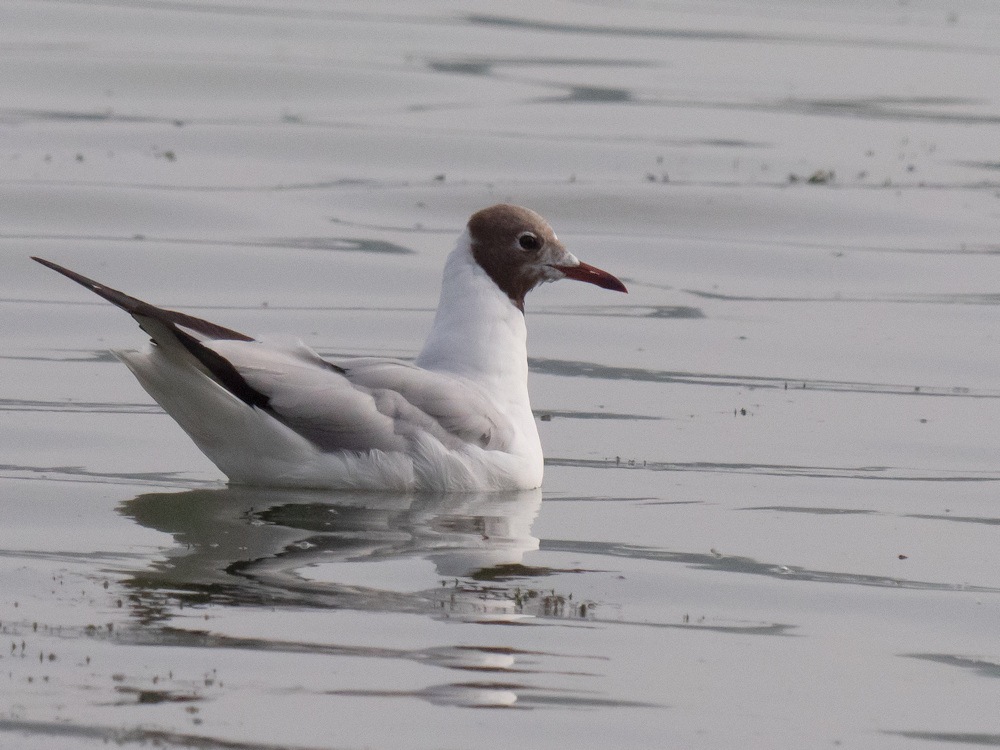
Black-headed gull
Lesser Redpoll

Maximum temperature for the month was 25.8c on the 8th at 1402h, minimum, -0.6c on the 16th at 0248h. Precipitation 98.4mm. (Many thanks to David)
Village Wildlife Diary – September 2023

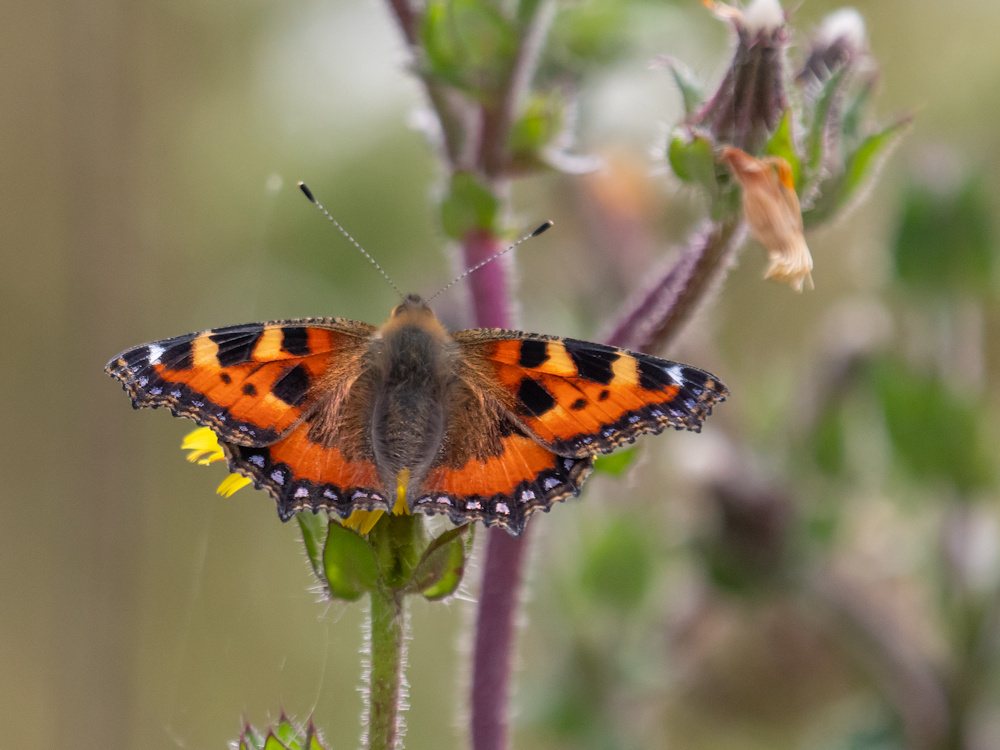
Small Tortoiseshell
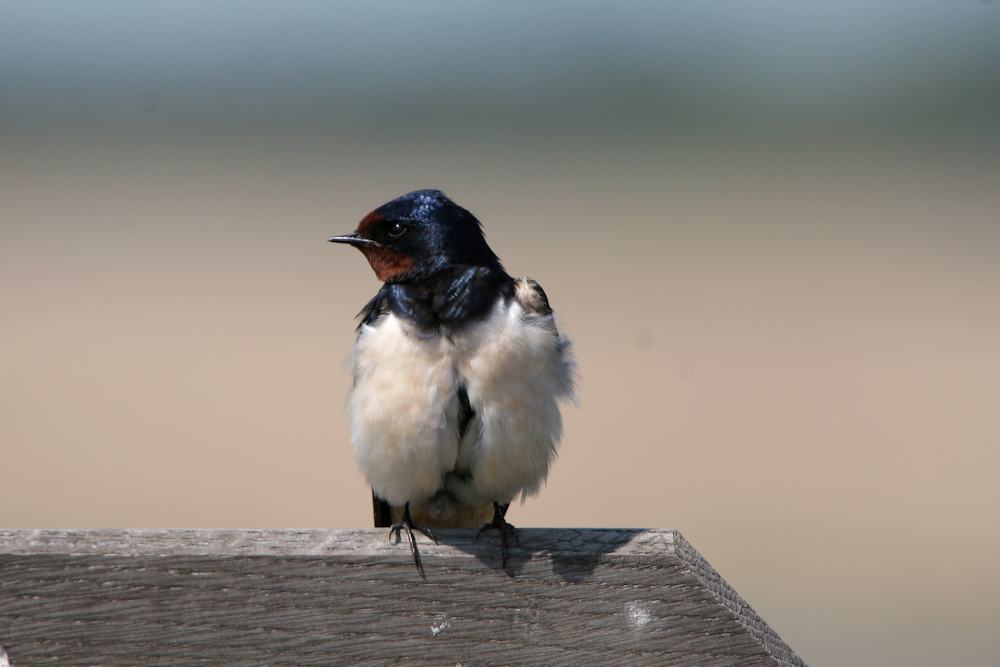
Swallow

As fields are harvested and tilled the golds are replaced by browns. The greens of the trees and hedges are at their greenest as they contrast the burgeoning reds of hips and haws. Very few sloes about though? The acorns on one of oaks at CEP are strangely distorted by the knopper gall wasp. This happens every few years and the tree seems ok and produces normal acorns the following year. This wasp has only been in the UK since the 1970’s and is part of a community of some 900 other insect species that induce abnormal growths on a variety of plant species as part of their life cycle.

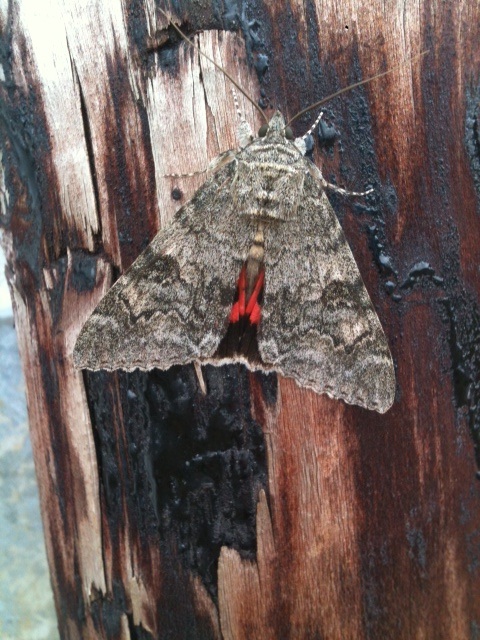
Red Underwing
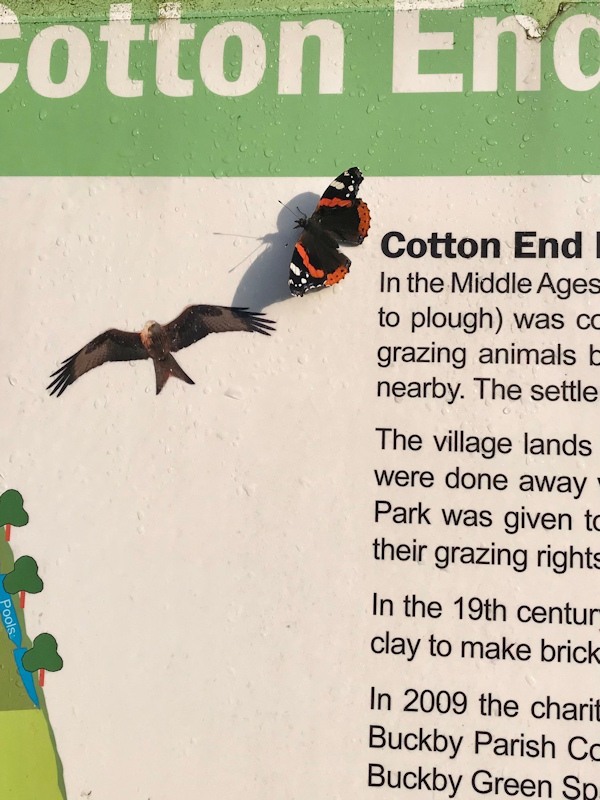
The Reds

Butterflies noted this month include large and small white and painted lady, all three of which are migrating onto our shores as well as being born here. Brimstone, small tortoiseshell and comma will be looking to hibernate soon. Speckled wood, small copper, common blue and brown argus were also seen. I think we can safely say that it has been an outstanding year for red admirals. Some will head back to the continent and some will hibernate. Hummingbird hawkmoth has also been seen in numbers, as have other moths and although the timing seems out, spiders are more prevalent now. Three records of hornet and a couple of hornet hoverflies noted.

Hummingbird Hawkmoth
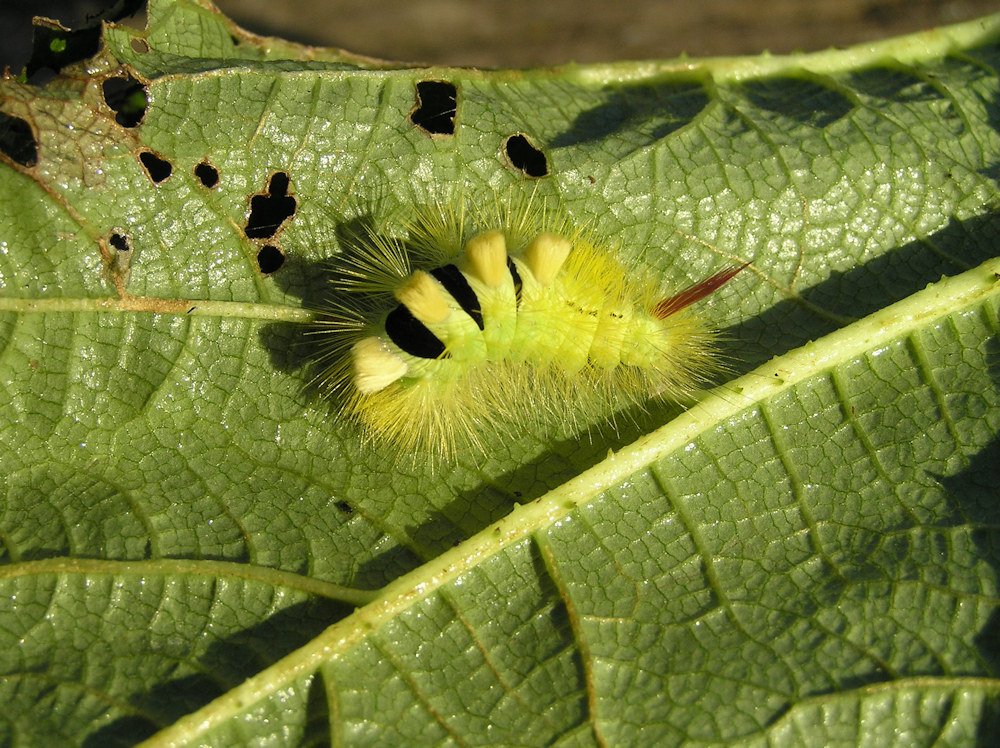
Pale Tussock Moth

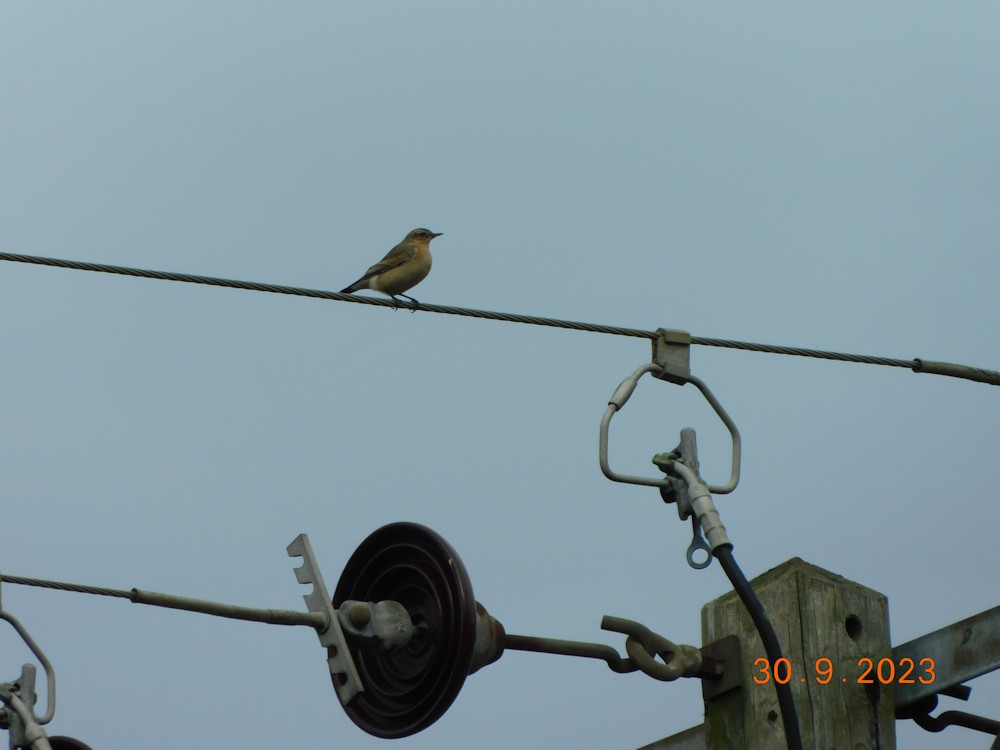
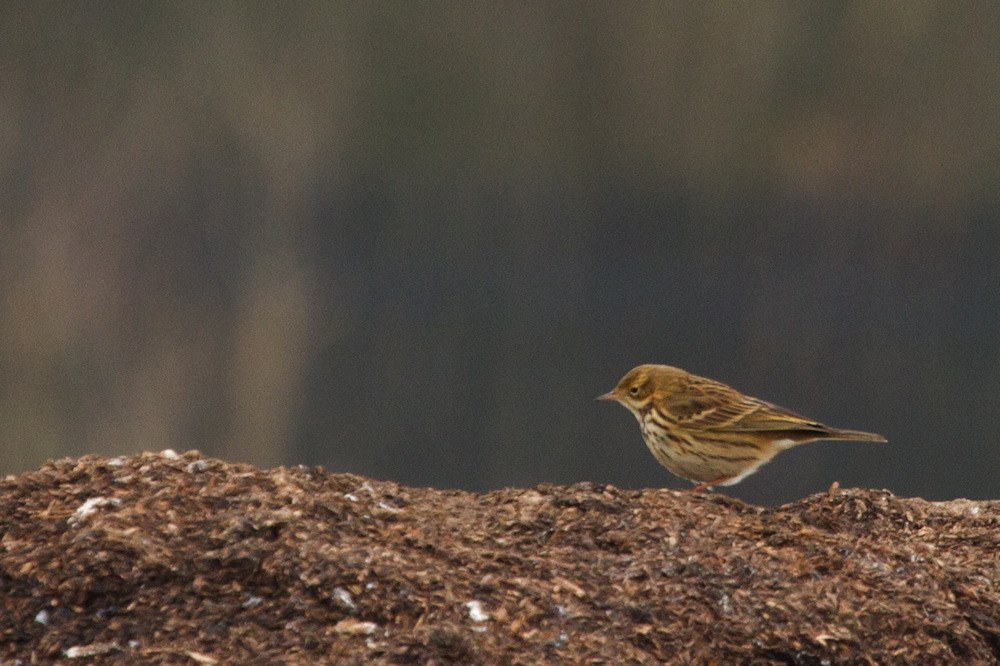
An almost white plumaged juvenile buzzard is about the north of the parish and has been seen with a couple of red kites on plough. The meadow pipit is a small bird that nests on mountain sides, moorland and heaths and migrates to warmer climes this time of year. There has been an almost continuous trickle of ones and twos over the parish during the month. A family of five spotted flycatchers were noted as they too head south. Alan reports a mute swan family (two adults and six cygnets) from the canal at the Wharf. He also had a chiffchaff singing from his tv aerial at one point. There are a few chiffchaffs and blackcaps around the village mostly moving through. On the 15th at CEP, as the fog cleared, I saw two whitethroat, eight blackcap and 16 chiffchaff along with 20 meadow pipits and two grey wagtails; they were all gone the next day. One or more wheatears were spotted by John at Uplands and he even managed a photograph. Still several swallows and house martins about early on and a peregrine was seen.

Wheatear by John
Meadow Pipit

Many thanks to David for the weather stats… Maximum temperature for the month was on the 9th with 33.5c at 1311h and the minimum was on 21st with 6.3c at 0625h and we had 63.6mm of rain over the month.

Village Wildlife – August 2023

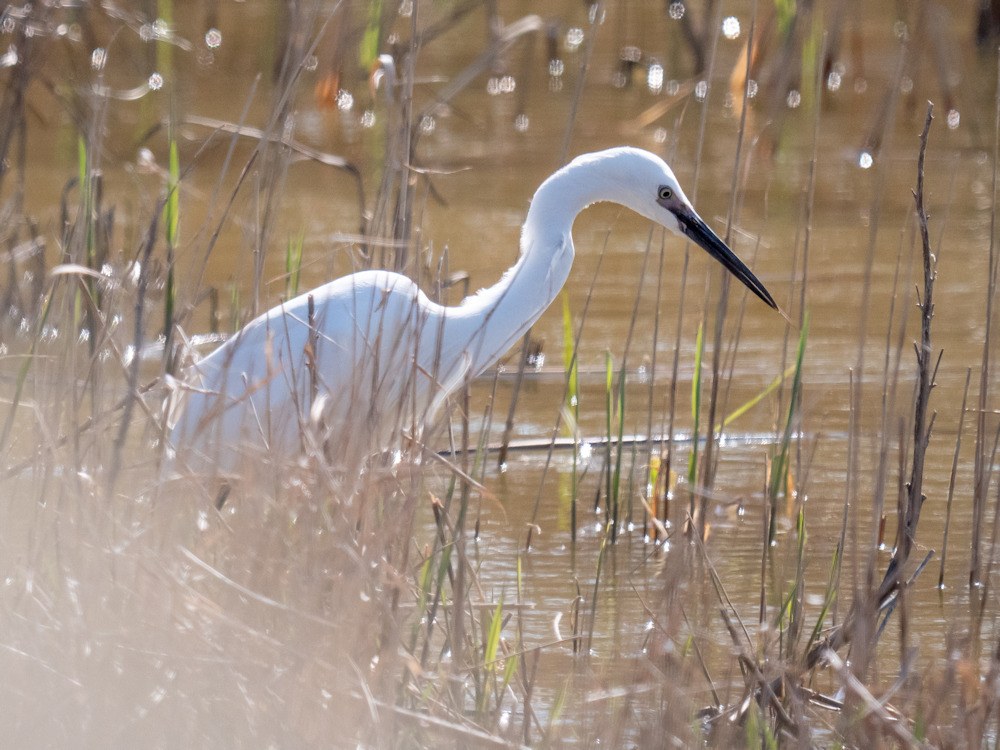
Little Egret
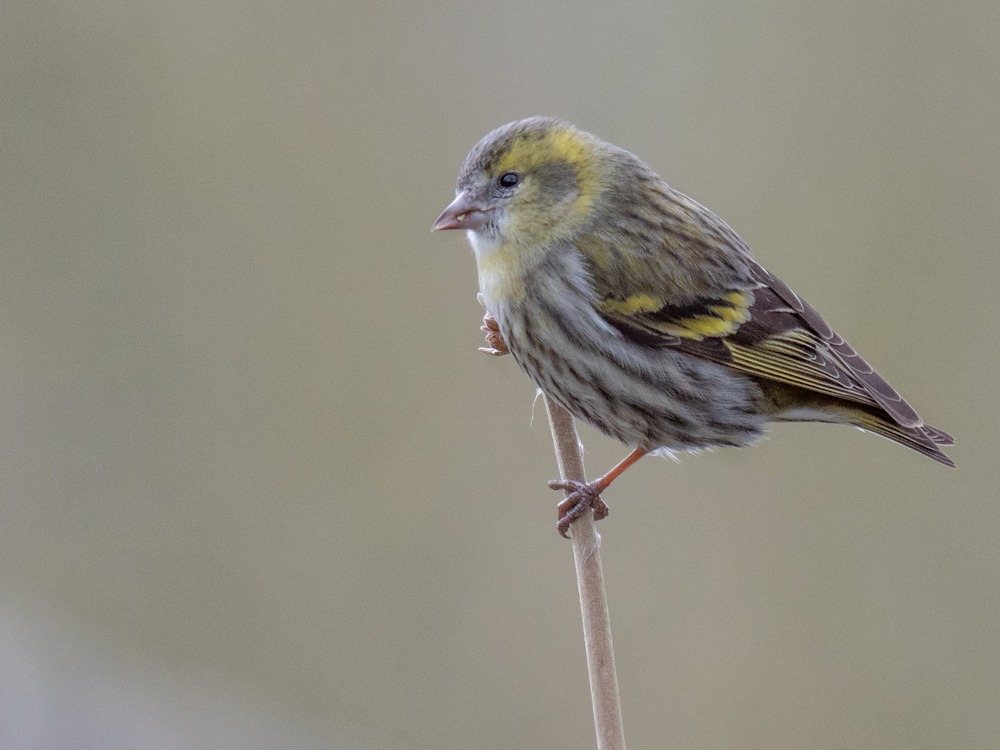
Siskin

Are you aware that last November the (continued) culling of Badgers was given the go-ahead in our county? This allows four more years of intense culling within specific areas of Northamptonshire and so far around 2000 have been officially either shot or trapped. Many landowners have been killing them for ages with the anticipation of licencing. Nearly a quarter of a million have so far been culled in the England in a nationwide effort to control bovine bTB. The Northants Badger Group suggests many species of wildlife and livestock carry bTB and that 94% of infections, the primary cause, are transmitted from cow to cow. You’d have thought there’d be a better, more scientific, way to control bTB than shooting Badgers and there is but many farmers and fox hunting groups like the thought of getting rid of these pesky creatures from their land. It is of course pointless killing Badgers in one area as they will re-colonize from another as all wildlife naturally does all of the time. Shooting seems stupid and inefficient.

I bet millions of worker-hours have been dedicated to successfully finding vaccines for covid over the past few years and those scientist are now probably sitting around twiddling their microscopes, so why can’t they be redirected to finding a vaccine for bTB? Which by the way has been around for centuries more or less in the same form. My question is; Is the British tax payer funding the shooting of Badgers?

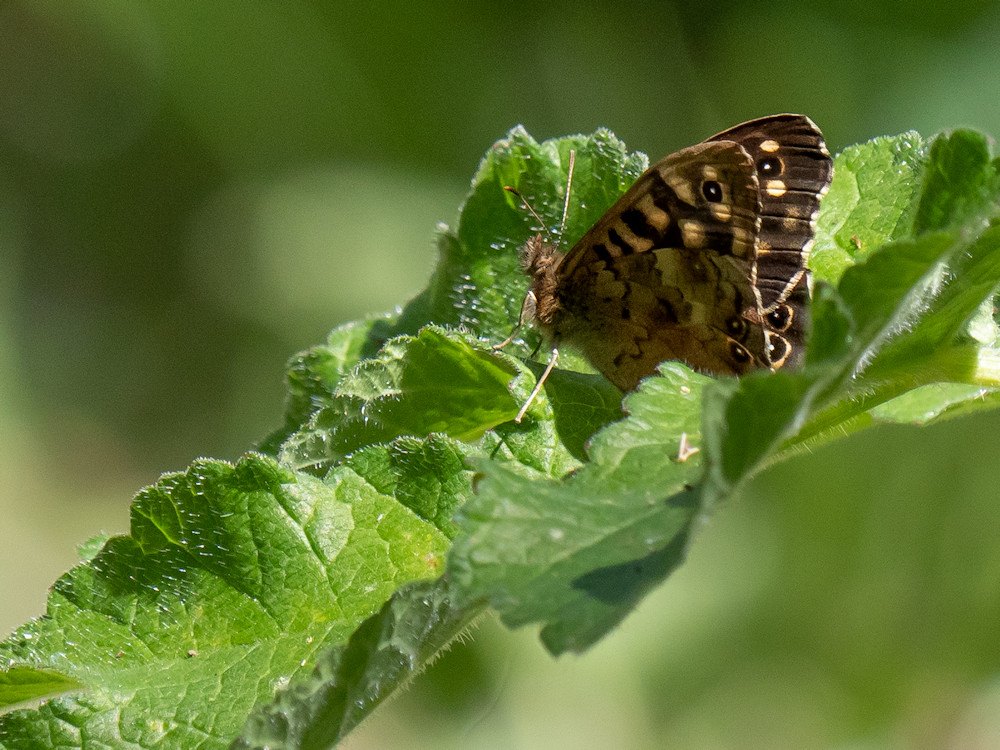
Speckled Wood
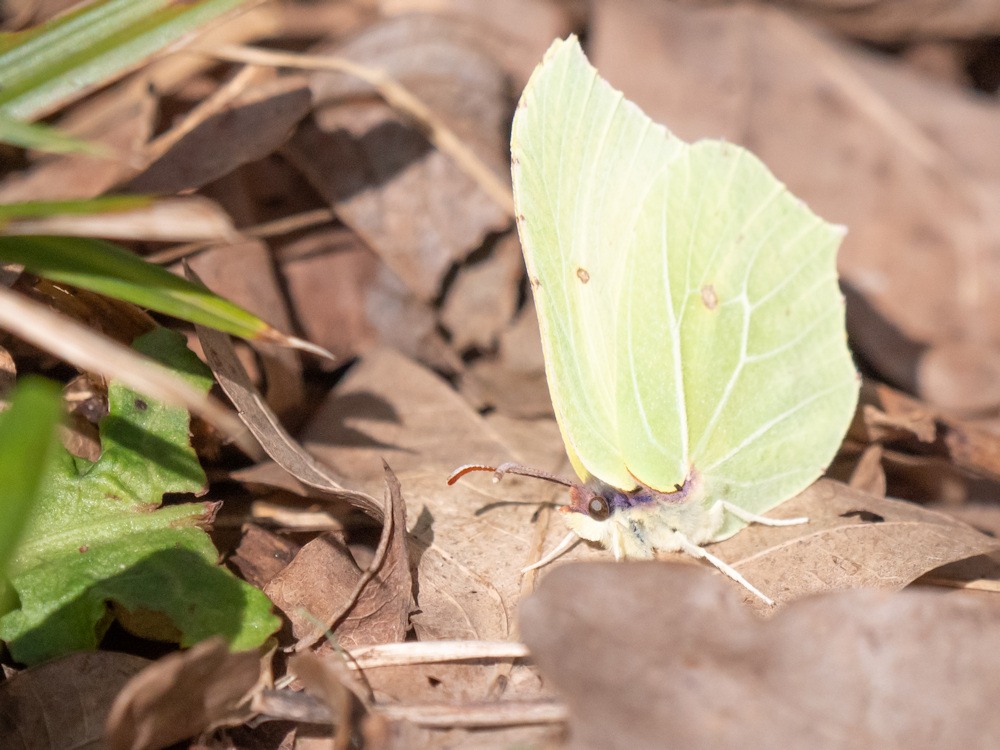
Brimstone

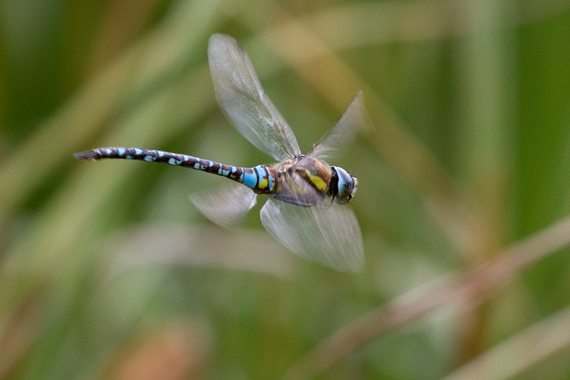
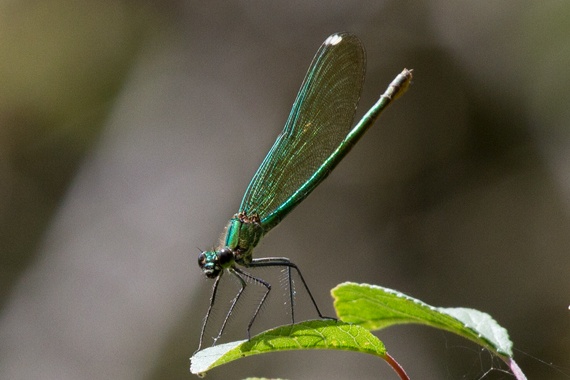
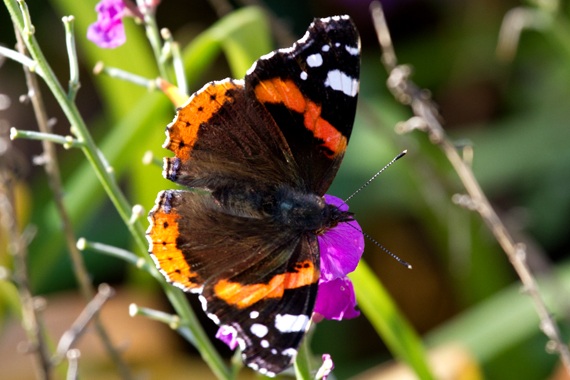
August’s weather has been a little more settled than July and late summer dragonflies such as migrant and southern hawkers have been appearing around the gardens of the village hunting ‘mossies’ and midges. At Cotton End Park both common and willow emerald damselflies are around the pond, the former holding territories around the fringes near the water, the latter higher up, using overhanging willow twigs to deposit eggs. The amazing population burst of gatekeeper butterflies has ended abruptly and the only species in number now seem to be a new generation of speckled wood, new red admirals and small whites. A few brimstone, holly and common blues are also still about but very few small tortoiseshell.

Migrant Hawker
Willow Emerald

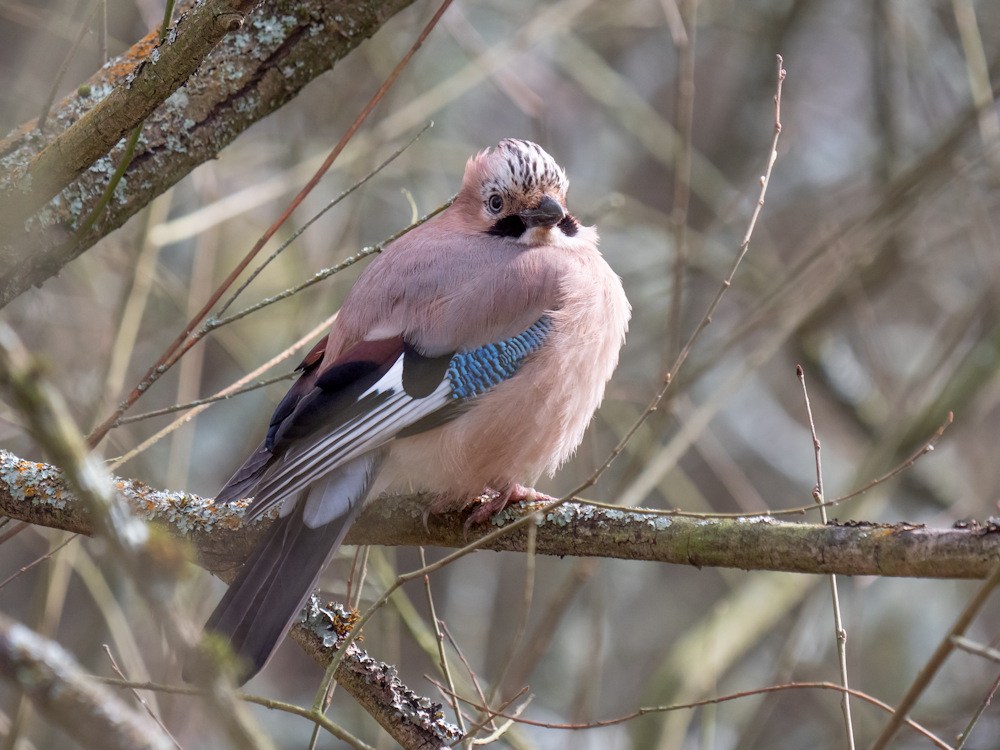
The swifts, having only been here since mid-May, have already departed from our skies with the last recorded on the 9th. The swallows are still here and on at least their second brood with several youngsters noted about the parish. Other birds noted and reported include coal tit, goldcrest, jay, spotted flycatcher, siskin, willow warbler, little egret and lesser whitethroat. The local kites and buzzards have been prospecting amongst the mowers and harvesters, as crops are gathered between the showers.

Jay
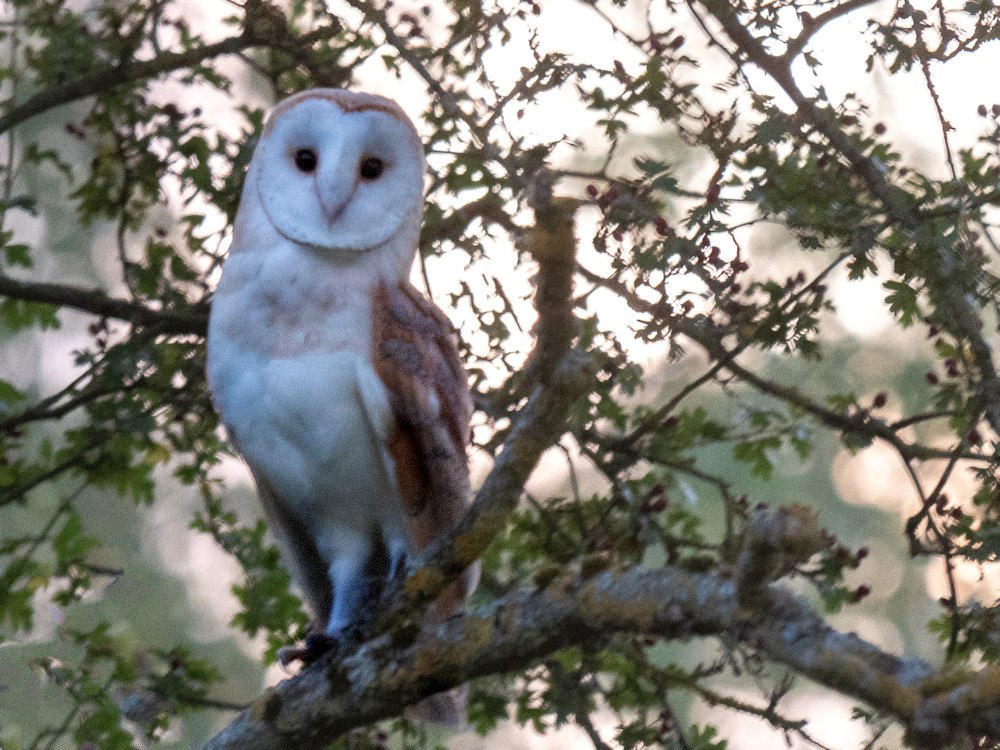
Barn Owl

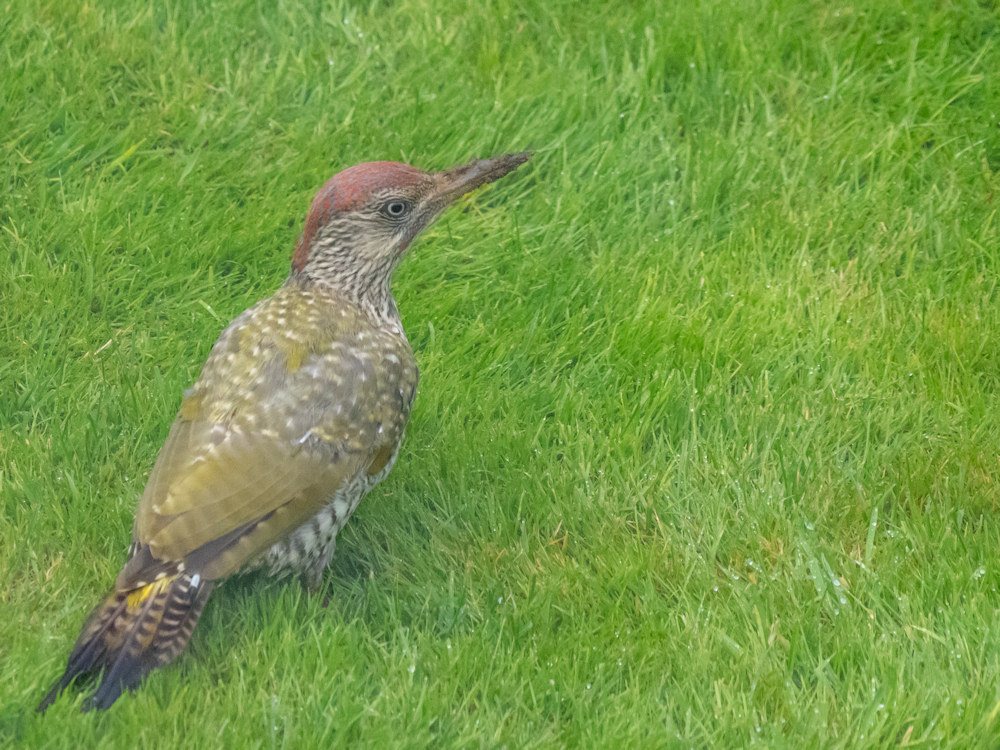
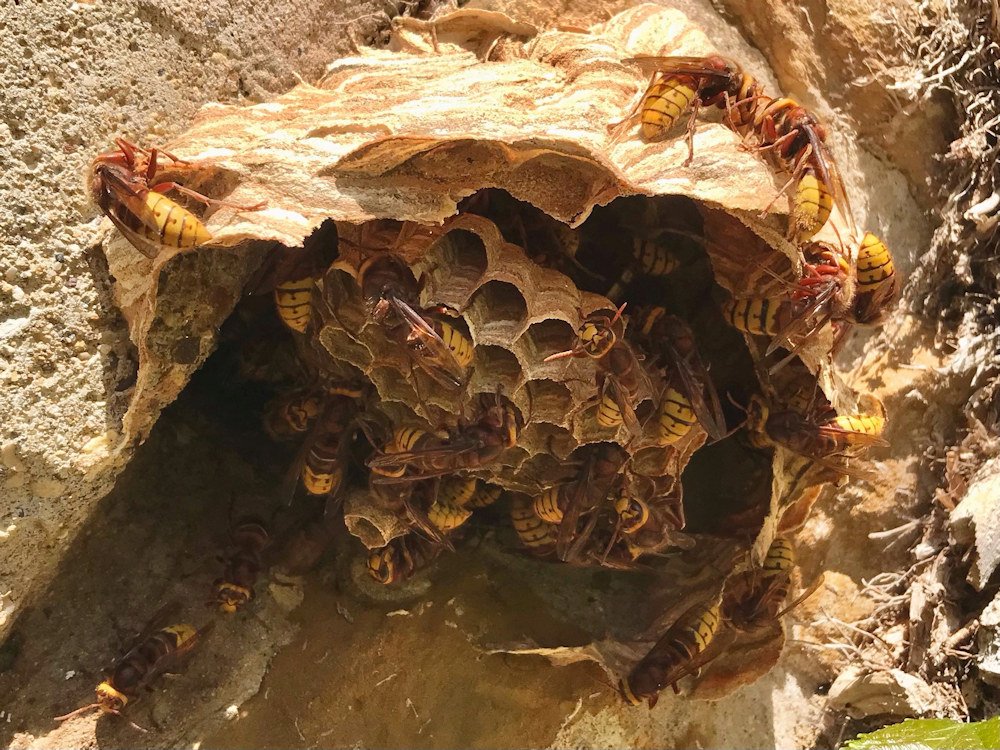
Cath saw and photographed a hornet’s nest and Sue had a green woodpecker in her garden. David notes the mute swans and cygnets are doing well at Oak Tree Farm. The village starlings and jackdaws are now in sizable flocks and have been reported descending on peoples gardens to hoover up any food. Alan saw a road-kill polecat on the A5 which seems to be the only place we get records from and Trevor has three fledgling barn owls to report. Another couple of Otter records from in the village suggests they are still working their way through our garden fish ponds.

juvenile Green Woodpecker
Hornet’s nest

Maximum temperature for the month was on the 16th with 28.1c at 1242h and the minimum was on 26th with 6.8c at 0526h and we had 39.2mm of rain over the month.

Red Admiral
Female Southern Hawker