Are you aware that last November the (continued) culling of Badgers was given the go-ahead in our county? This allows four more years of intense culling within specific areas of Northamptonshire and so far around 2000 have been officially either shot or trapped. Many landowners have been killing them for ages with the anticipation of licencing. Nearly a quarter of a million have so far been culled in the England in a nationwide effort to control bovine bTB. The Northants Badger Group suggests many species of wildlife and livestock carry bTB and that 94% of infections, the primary cause, are transmitted from cow to cow. You’d have thought there’d be a better, more scientific, way to control bTB than shooting Badgers and there is but many farmers and fox hunting groups like the thought of getting rid of these pesky creatures from their land. It is of course pointless killing Badgers in one area as they will re-colonize from another as all wildlife naturally does all of the time. Shooting seems stupid and inefficient.
I bet millions of worker-hours have been dedicated to successfully finding vaccines for covid over the past few years and those scientist are now probably sitting around twiddling their microscopes, so why can’t they be redirected to finding a vaccine for bTB? Which by the way has been around for centuries more or less in the same form. My question is; Is the British tax payer funding the shooting of Badgers?
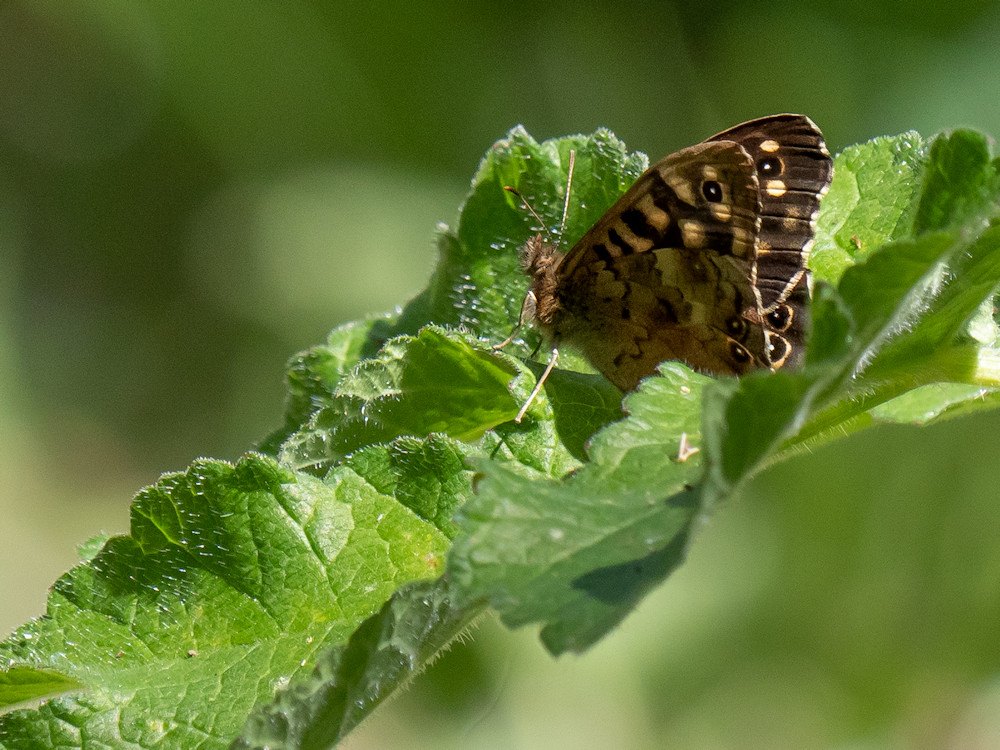
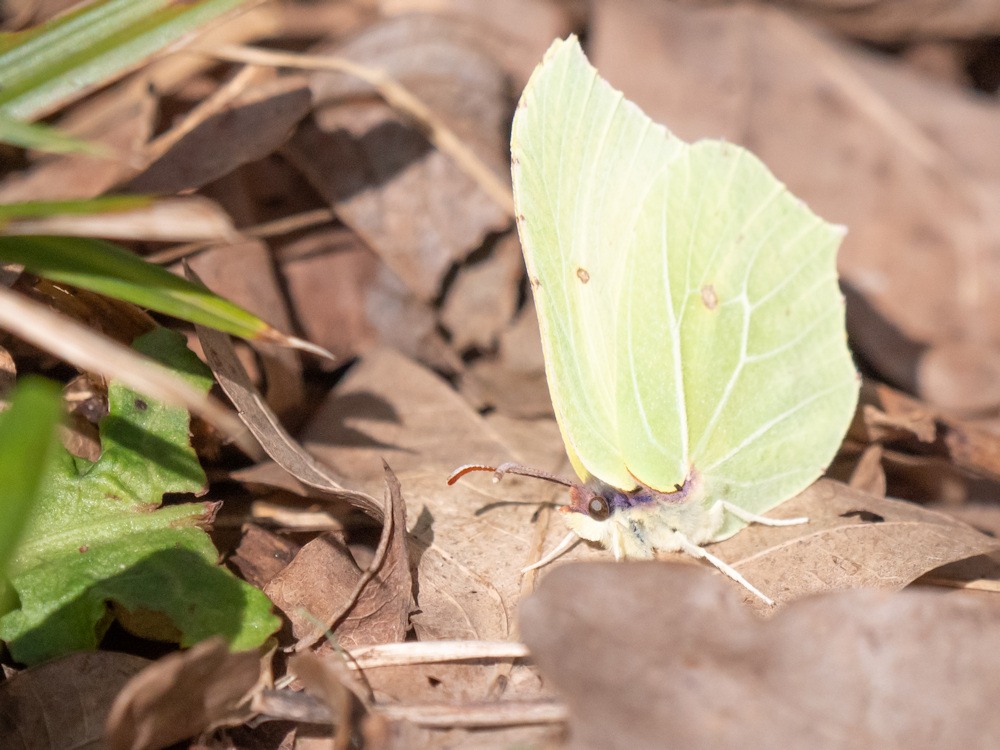
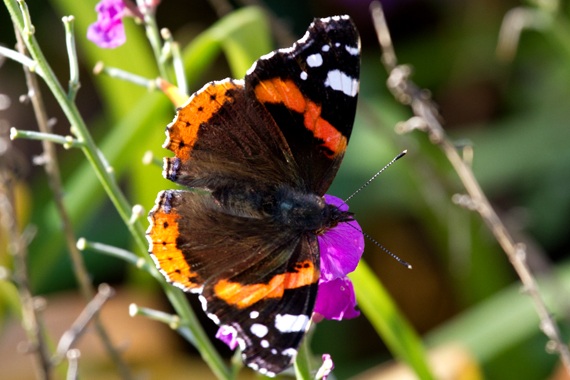
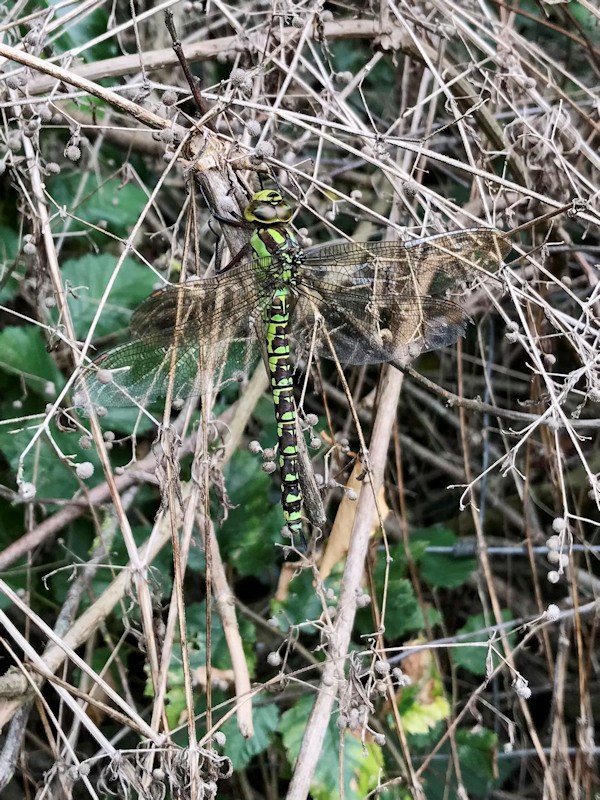
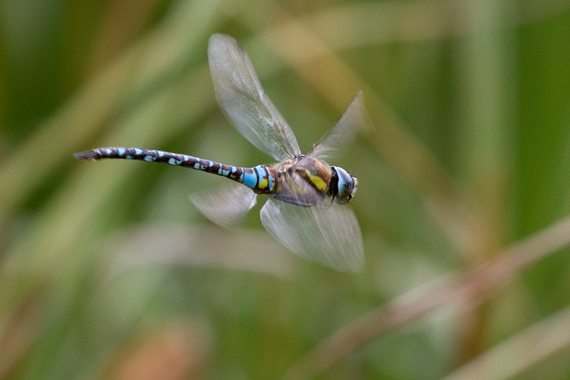
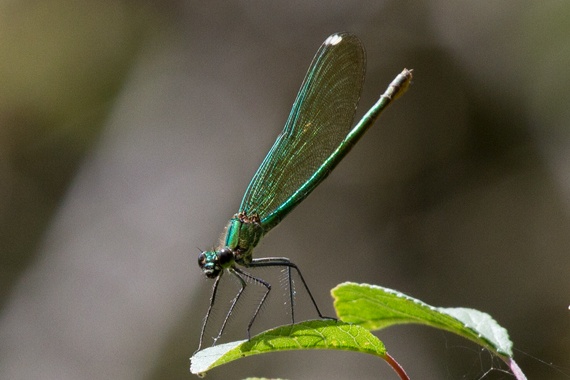
August’s weather has been a little more settled than July and late summer dragonflies such as migrant and southern hawkers have been appearing around the gardens of the village hunting ‘mossies’ and midges. At Cotton End Park both common and willow emerald damselflies are around the pond, the former holding territories around the fringes near the water, the latter higher up, using overhanging willow twigs to deposit eggs. The amazing population burst of gatekeeper butterflies has ended abruptly and the only species in number now seem to be a new generation of speckled wood, new red admirals and small whites. A few brimstone, holly and common blues are also still about but very few small tortoiseshell.
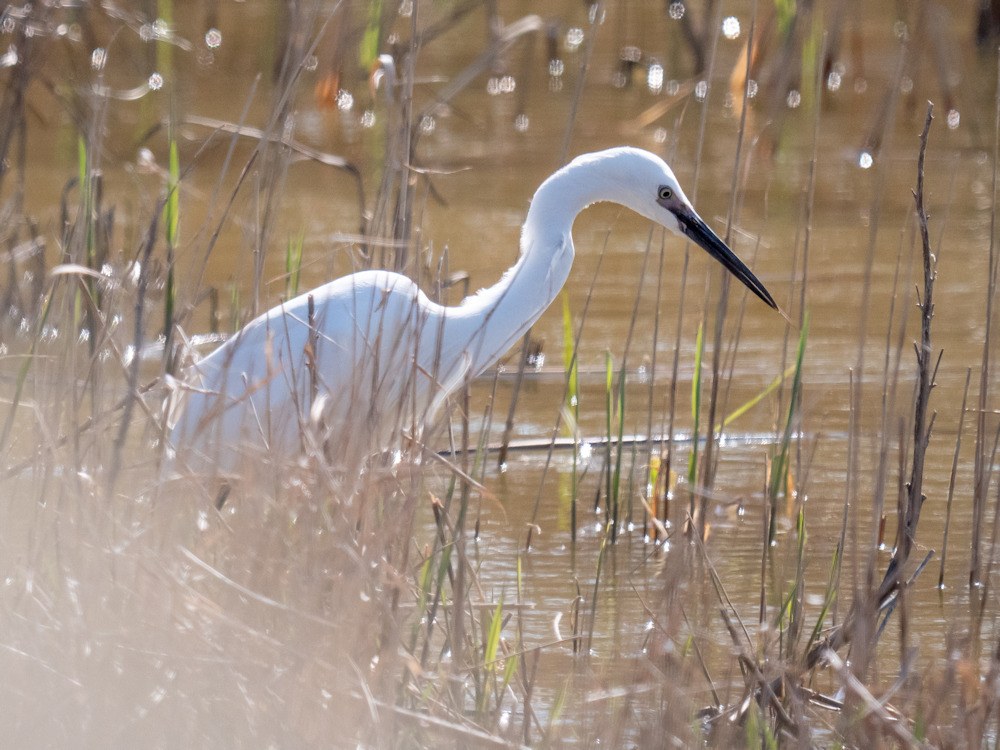
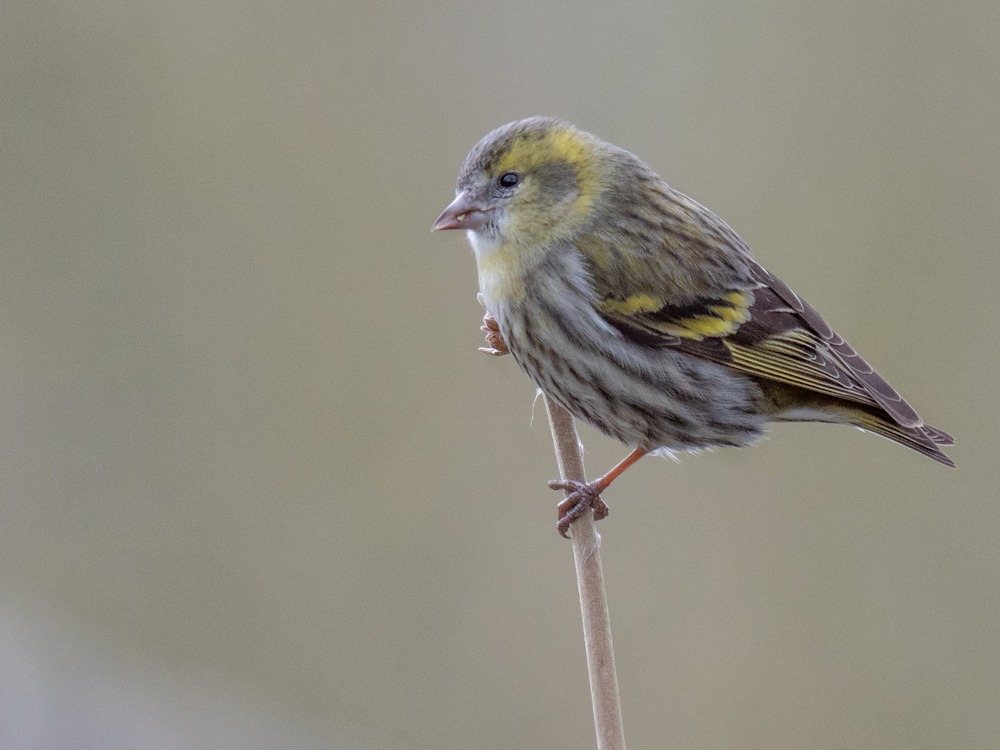
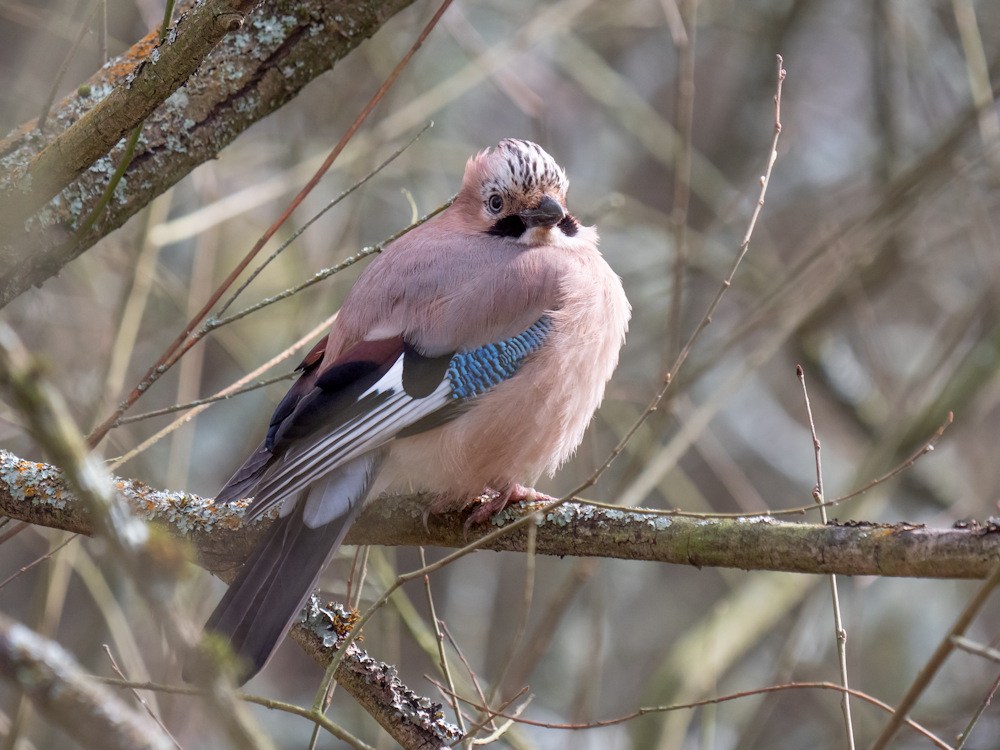
The swifts, having only been here since mid-May, have already departed from our skies with the last recorded on the 9th. The swallows are still here and on at least their second brood with several youngsters noted about the parish. Other birds noted and reported include coal tit, goldcrest, jay, spotted flycatcher, siskin, willow warbler, little egret and lesser whitethroat. The local kites and buzzards have been prospecting amongst the mowers and harvesters, as crops are gathered between the showers.
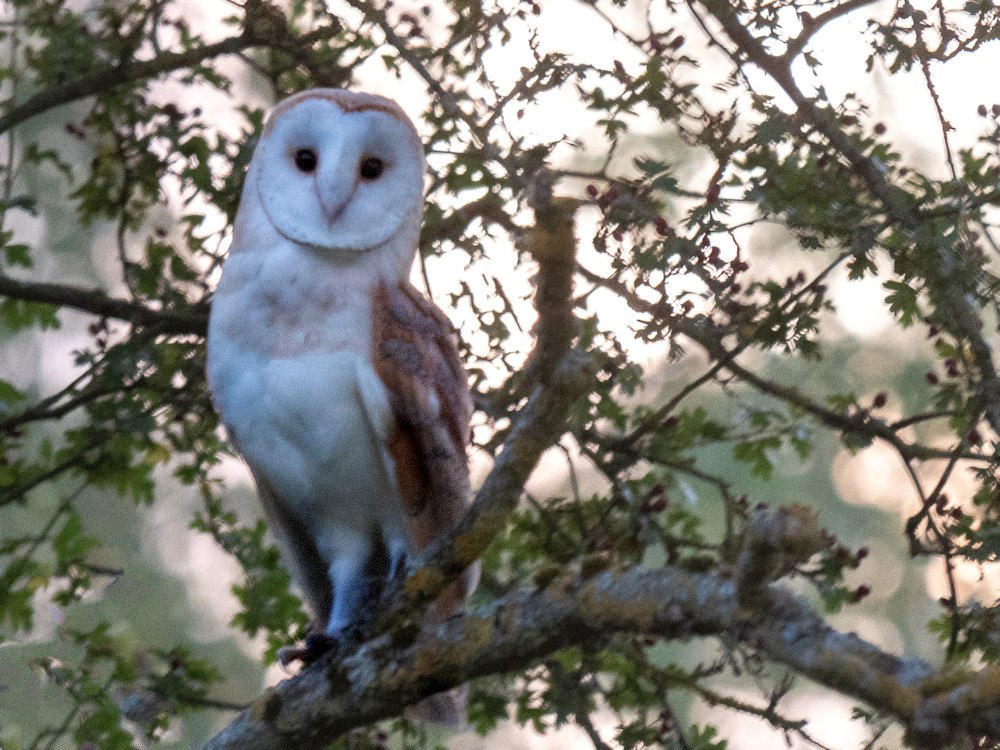
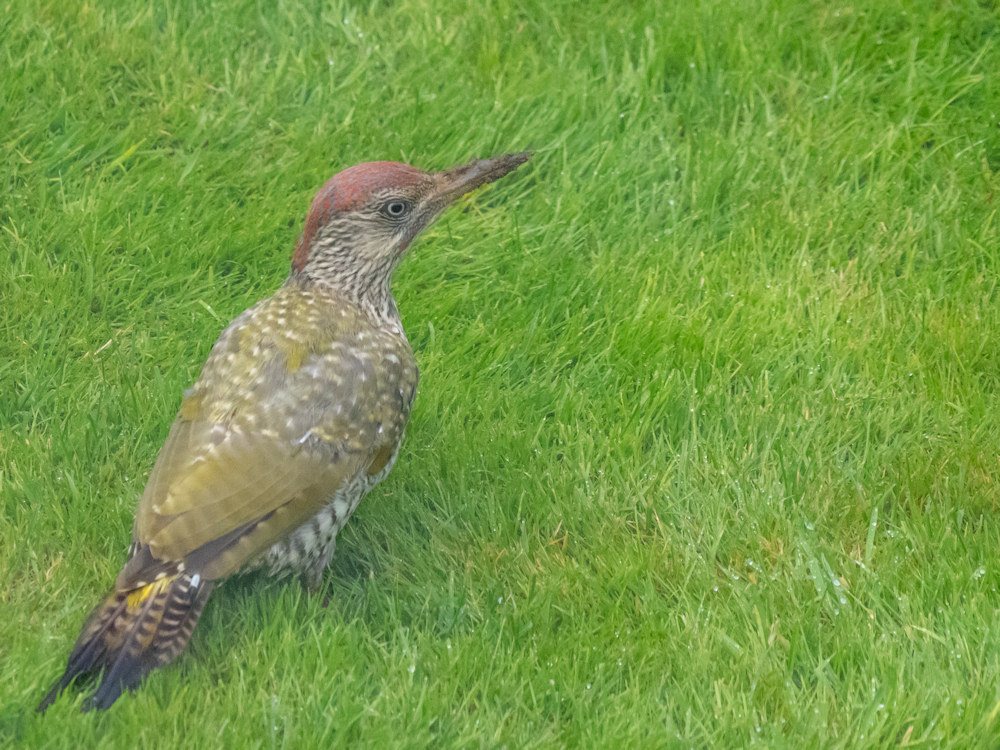
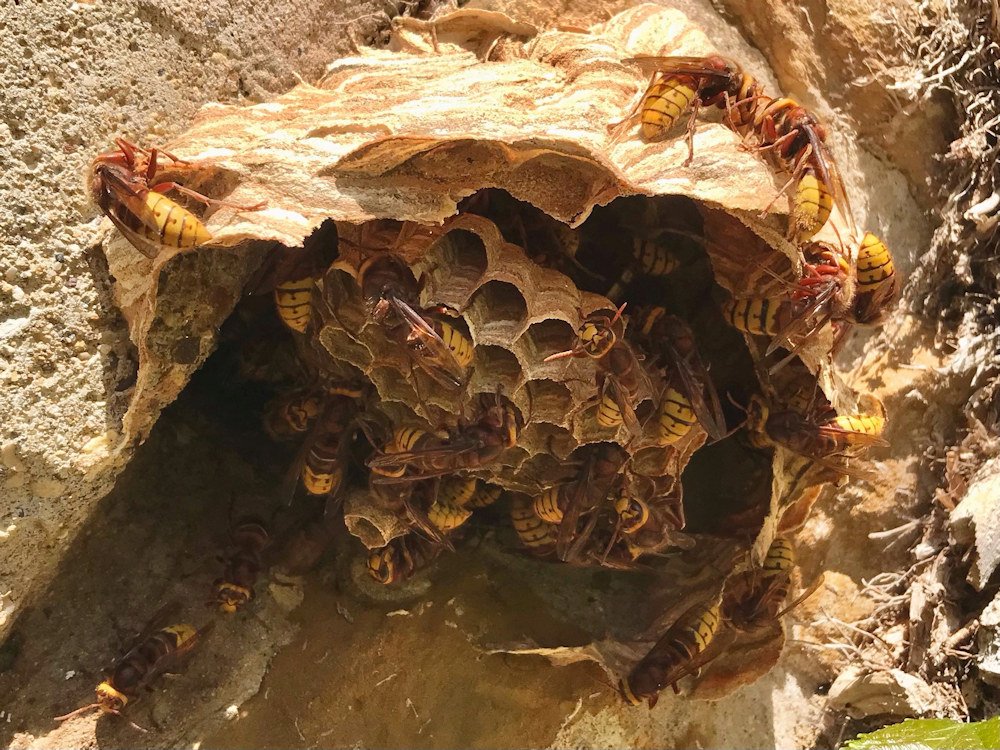
Cath saw and photographed a hornet’s nest and Sue had a green woodpecker in her garden. David notes the mute swans and cygnets are doing well at Oak Tree Farm. The village starlings and jackdaws are now in sizable flocks and have been reported descending on peoples gardens to hoover up any food. Alan saw a road-kill polecat on the A5 which seems to be the only place we get records from and Trevor has three fledgling barn owls to report. Another couple of Otter records from in the village suggests they are still working their way through our garden fish ponds.
Maximum temperature for the month was on the 16th with 28.1c at 1242h and the minimum was on 26th with 6.8c at 0526h and we had 39.2mm of rain over the month.