
After decades of bemoaning the plight of the otter, with campaigns against hunting and efforts to protect their river habitats, the otter is well and truly back on the scene. This apex river predator was an indicator of the health and glory of our water-ways but was virtually wiped out in mainland Britain during the 1970’s through the culmination of centuries of persecution, pollution and loss of habitat. They have since been coming back naturally as well as through re-introduction schemes. For a good few years now signs of their presence has been noted on the canal at the Wharf and on the major streams around the parish. And rather like the mink and the grey heron before it, it wasn’t going to be too long before they discovered the delights of our garden ponds. We couldn’t have designed a better feeding station for these fish-lovers than the average garden pond; it is the equivalent of a garden bird feeder. With the use of increasingly accessible nocturnal camera technology sightings have become regular and it’s good to know this species has bounced back from brink. As for your coy and goldfish strong chicken wire on a heavy frame might help and eventually why not let the fish return to their natural camouflaged colours through specific breeding? They might stand more of a chance…
July’s weather has been a roller-coaster of wet and warm which has suited some of our wildlife but not all. There seems to be a great show of fungi around the parish including within the village with mushrooms coming up in places not been seen before. There doesn’t seem to be a patch of grass, be it garden or curb, that has not had a showing.
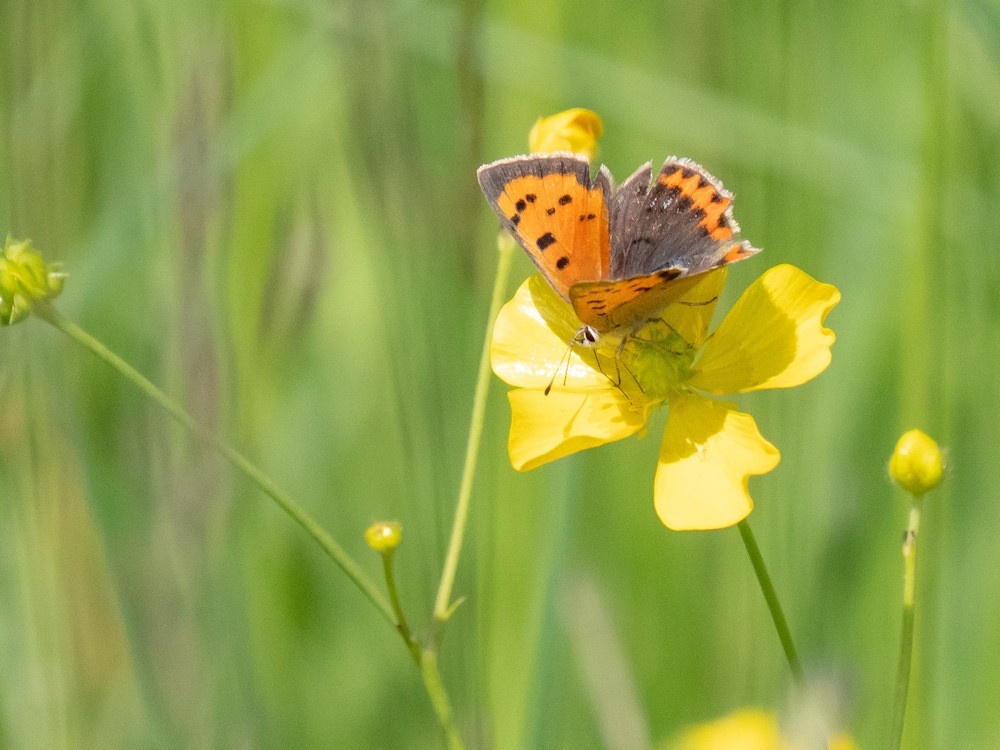
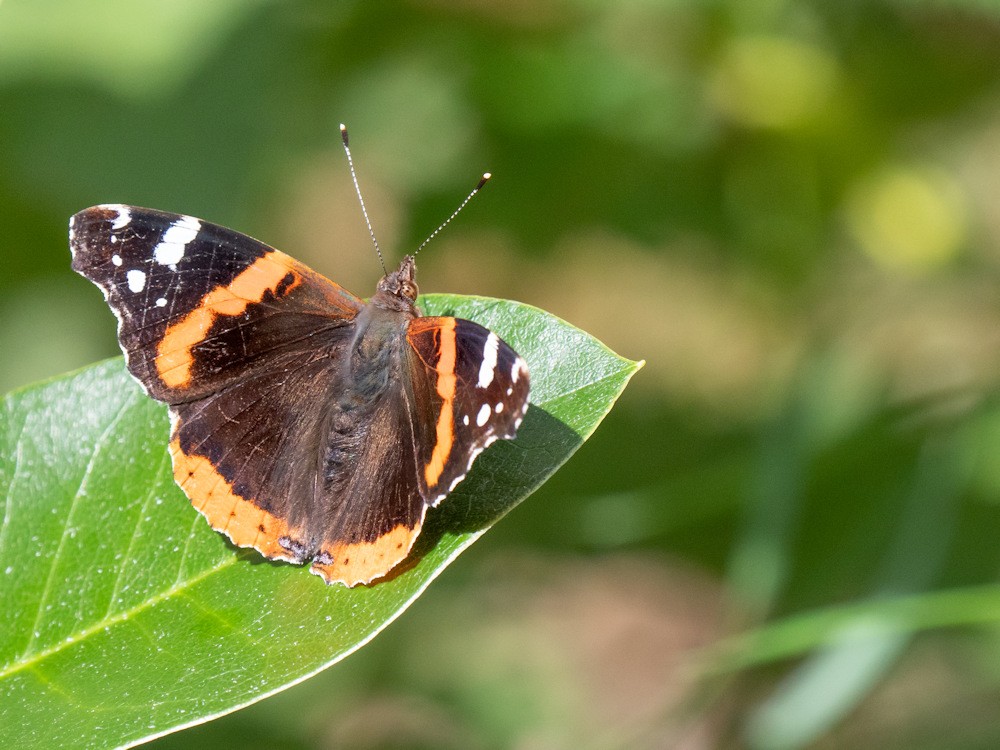
Butterflies have also been prolific this July with high numbers of certain species that didn’t do so well last year. In fact the hot spring last year and the shorter dry spell this spring has altered the populations of some grassland butterflies so for example there are less meadow browns and marbled whites, but more gatekeepers this month. There are currently incredible numbers of red admirals and peacocks too.

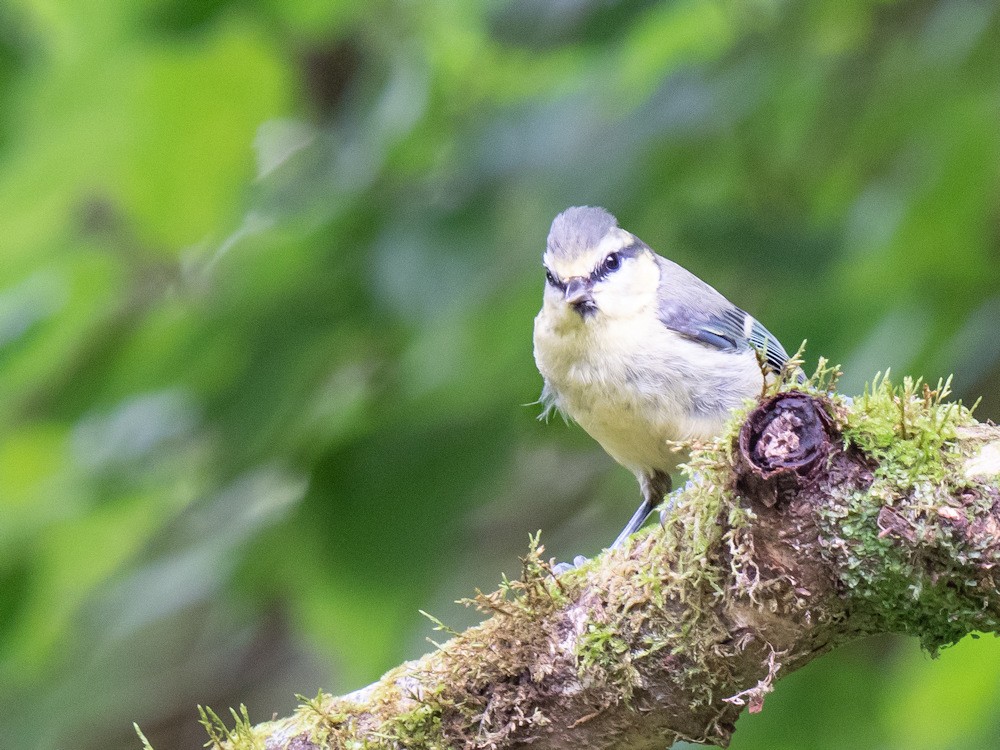
There has been a peregrine family about the skies above the parish. They emit an intense, fairly high pitched ‘Riek riek riek riek’ call and can be heard as adults and juveniles interact. Their small cousin the hobby has also made an appearance showing interest in the swifts over south close. One or two siskins have been seen going over as well as grey wagtail. Many garden birds are raising further broods but the village cat population is decimating the fledglings.
Maximum and minimum temperatures for the month were both on the same day, the 7th July, with 5.9c at 0452h and 28.3c at 1617h and we had 100.8mm of rain over the month.
Seen in south close garden yesterday – a black hair streak butterfly