After decades of bemoaning the plight of the otter, with campaigns against hunting and efforts to protect their river habitats, the otter is well and truly back on the scene. This apex river predator was an indicator of the health and glory of our water-ways but was virtually wiped out in mainland Britain during the 1970’s through the culmination of centuries of persecution, pollution and loss of habitat. They have since been coming back naturally as well as through re-introduction schemes. For a good few years now signs of their presence has been noted on the canal at the Wharf and on the major streams around the parish. And rather like the mink and the grey heron before it, it wasn’t going to be too long before they discovered the delights of our garden ponds. We couldn’t have designed a better feeding station for these fish-lovers than the average garden pond; it is the equivalent of a garden bird feeder. With the use of increasingly accessible nocturnal camera technology sightings have become regular and it’s good to know this species has bounced back from brink. As for your coy and goldfish strong chicken wire on a heavy frame might help and eventually why not let the fish return to their natural camouflaged colours through specific breeding? They might stand more of a chance…
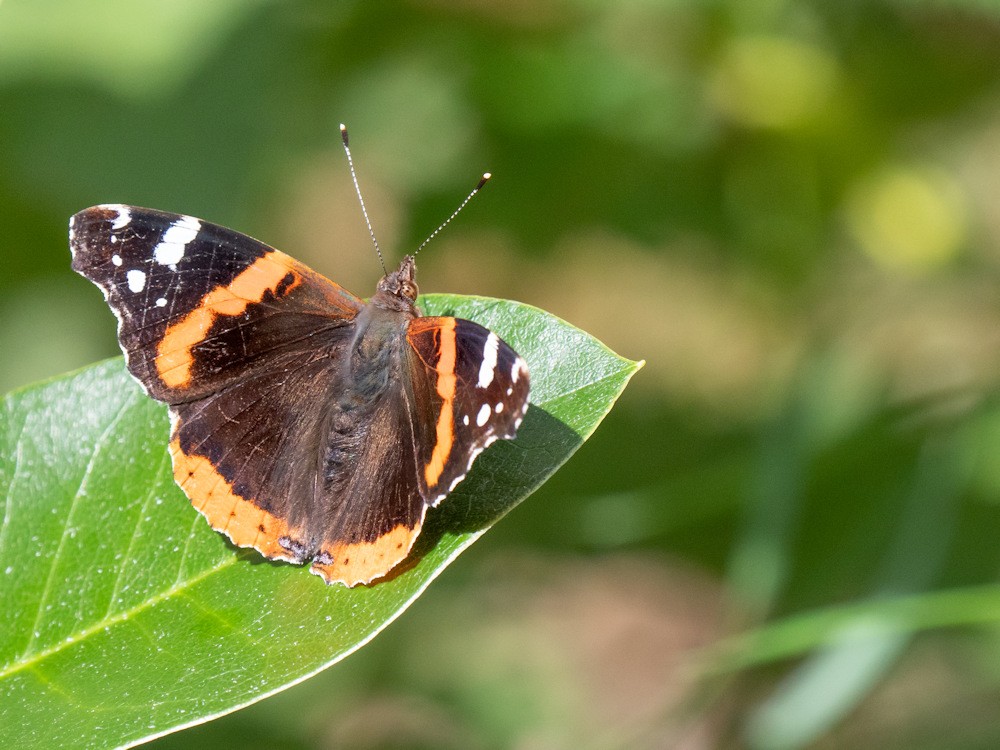
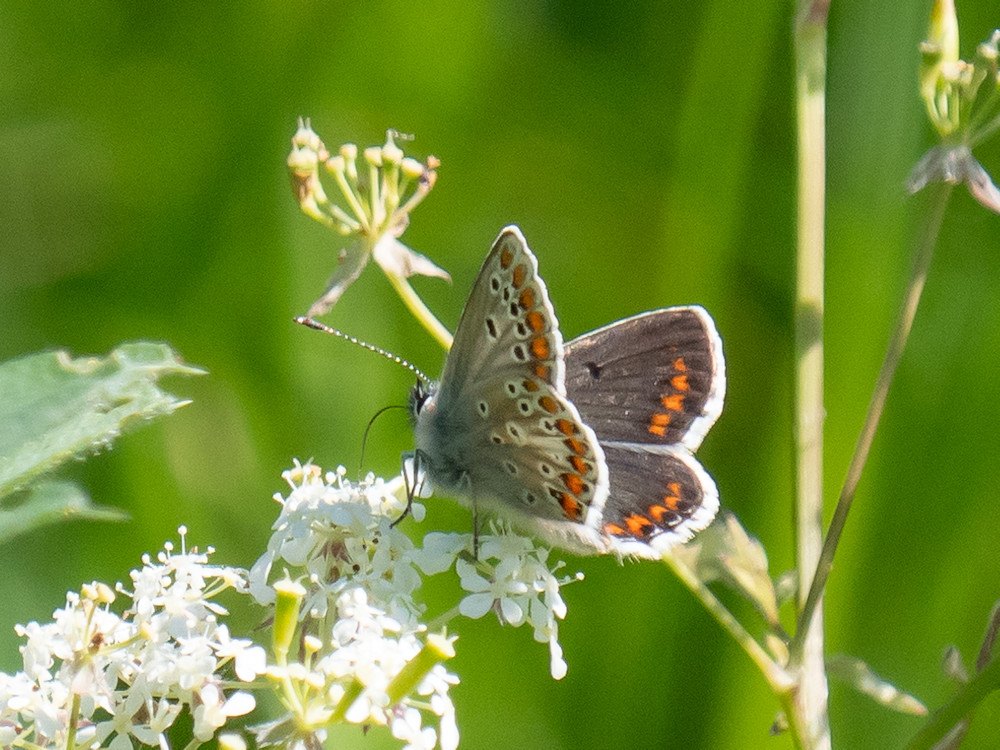
Red Admiral
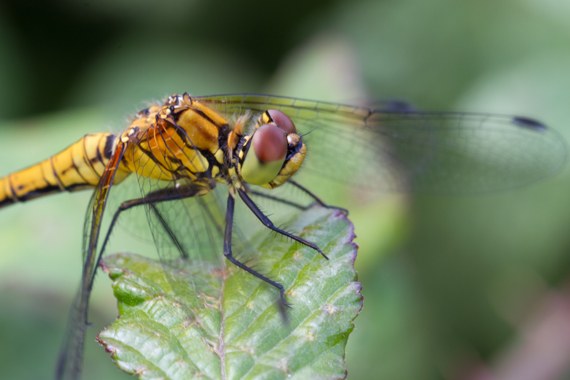
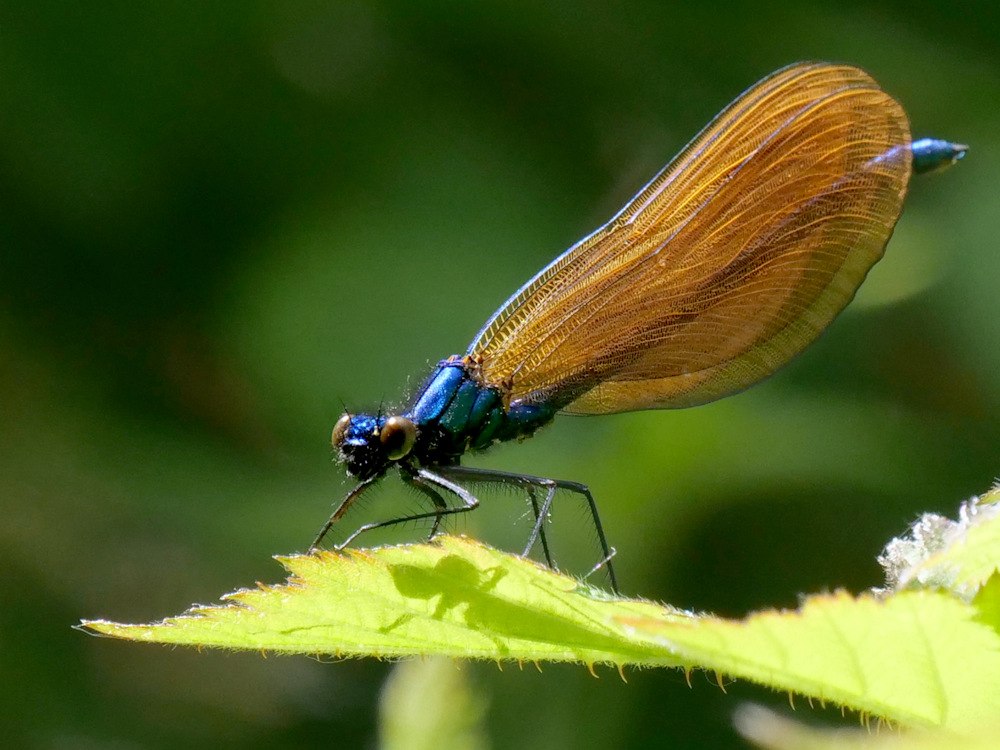
Ruddy Darter
July’s weather has been a roller-coaster of wet and warm which has suited some of our wildlife but not all. There seems to be a great show of fungi around the parish including within the village with mushrooms coming up in places not been seen before. There doesn’t seem to be a patch of grass, be it garden or curb, that has not had a showing.
Butterflies have also been prolific this July with high numbers of certain species that didn’t do so well last year. In fact the hot spring last year and the shorter dry spell this spring has altered the populations of some grassland butterflies so for example there are less meadow browns and marbled whites, but more gatekeepers this month. There are currently incredible numbers of red admirals and peacocks too.
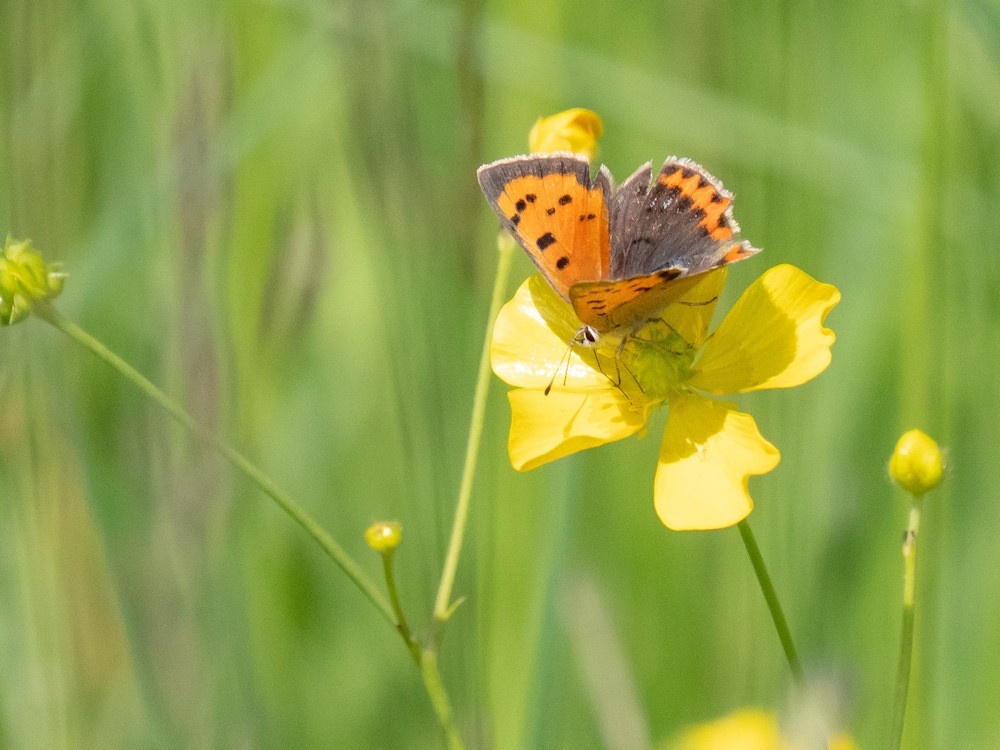
Male Gatekeeper
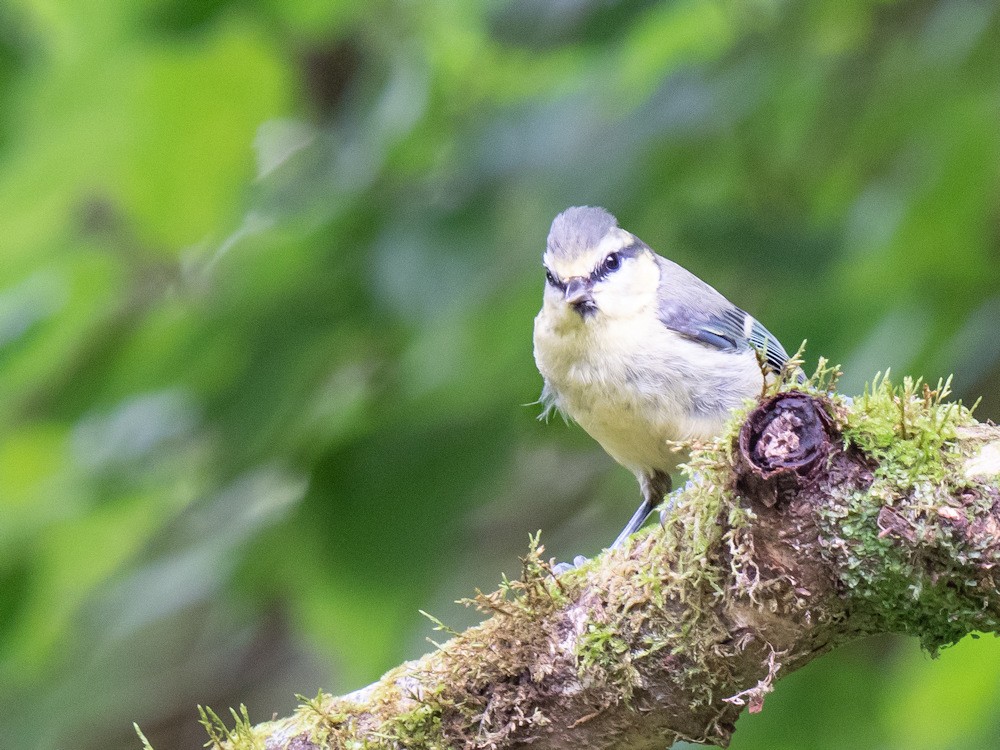
Blue Tit
There has been a peregrine family about the skies above the parish. They emit an intense, fairly high pitched ‘Riek riek riek riek’ call and can be heard as adults and juveniles interact. Their small cousin the hobby has also made an appearance showing interest in the swifts over south close. One or two siskins have been seen going over as well as grey wagtail. Many garden birds are raising further broods but the village cat population is decimating the fledglings.
Maximum and minimum temperatures for the month were both on the same day, the 7th July, with 5.9c at 0452h and 28.3c at 1617h and we had 100.8mm of rain over the month.
1st June, lots of fledgling birds reported with blackbird, starling, robin and great tit being commonest with goldcrest, wren, chaffinch and song thrush young also reported.
2nd June, I take ace wildlife photographers Chris and Sue Ebbage on our annual ‘Buckby Safari’. It’s sunny but a cold wind blows. We visit Patford Bridge, Cotton End Park and the footpath between Foxhill Road and Murcott. Dragonflies noted included hairy hawker, four-spotted chaser, beautiful demoiselle, red-eyed damsel and blue-tailed damsel. Butterflies included brimstone, orange-tip, speckled wood, holly and common blues, and brown argus. Birds included a peregrine seen performing a mid-air food pass to a juvenile and a pair of mute swans with their seven cygnets.
4th June, at the allotments we find a toad and speckled wood butterfly as we struggle to keep up with the watering. A bee orchid is reported.
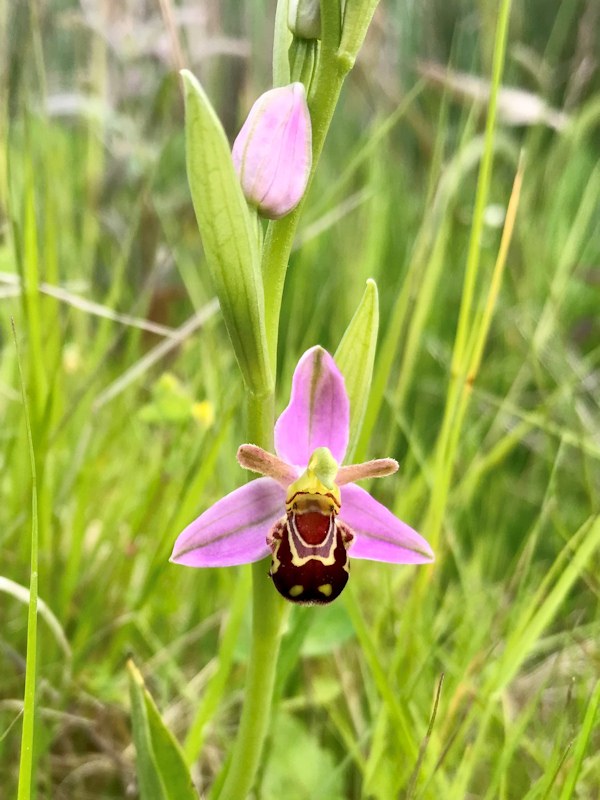
Bee Orchid
Toad
7th June, arriving at the pond platform at the park I see a new kid on the block. A male emperor is cruising his territory. As a predatory larvae he spend perhaps three years in the mucky depths of the pond consuming prey including tadpoles but now for just a few weeks he is transformed into a super-efficient flying terminator. Cinnabar and silver-Y moths reported.
9th June, I hope to see the hairy hawker but think the emperor has seen him off or the moorhen has had him. A beautiful demoiselle is a nice surprise as is the first large skipper of the year.
10th June, the cool wind abates and the sun shows its strength. Unlocking at CEP I find a huge buzzing, chestnut-brown beetle; a cock chafer. It lumbers about the meadow and I can’t help think it’s an easy meal for something. A dark butterfly turns out to be the first meadow brown of the year and I hear the first and maybe only lesser whitethroat of the spring. I go to Mill Park Reserve to catch up on their spring.
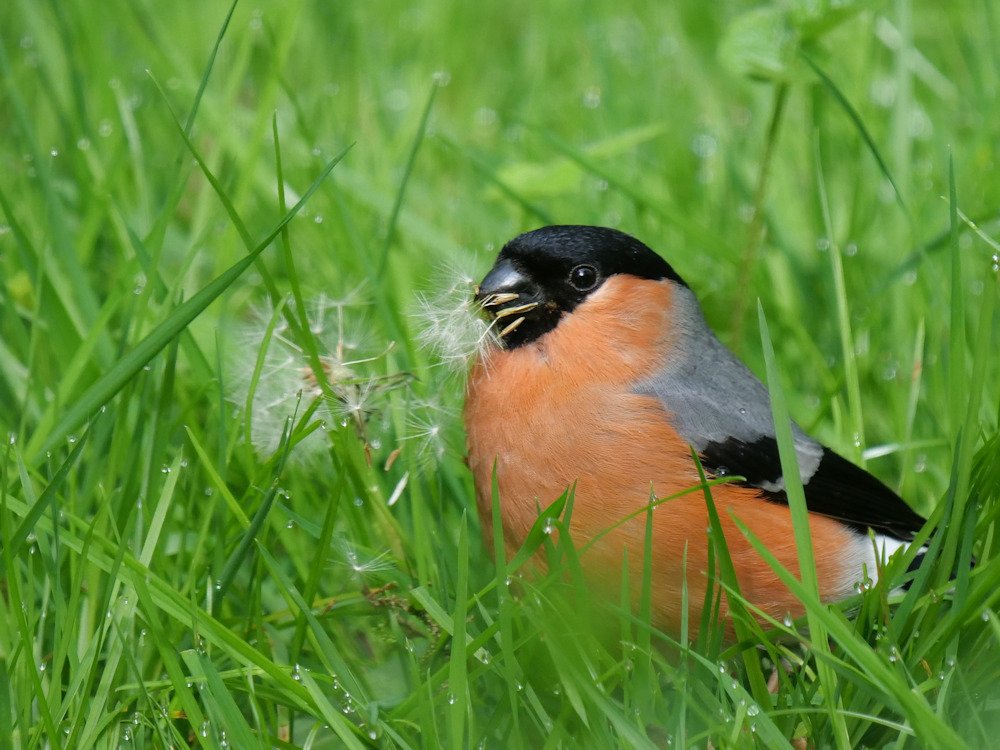
Bullfinch
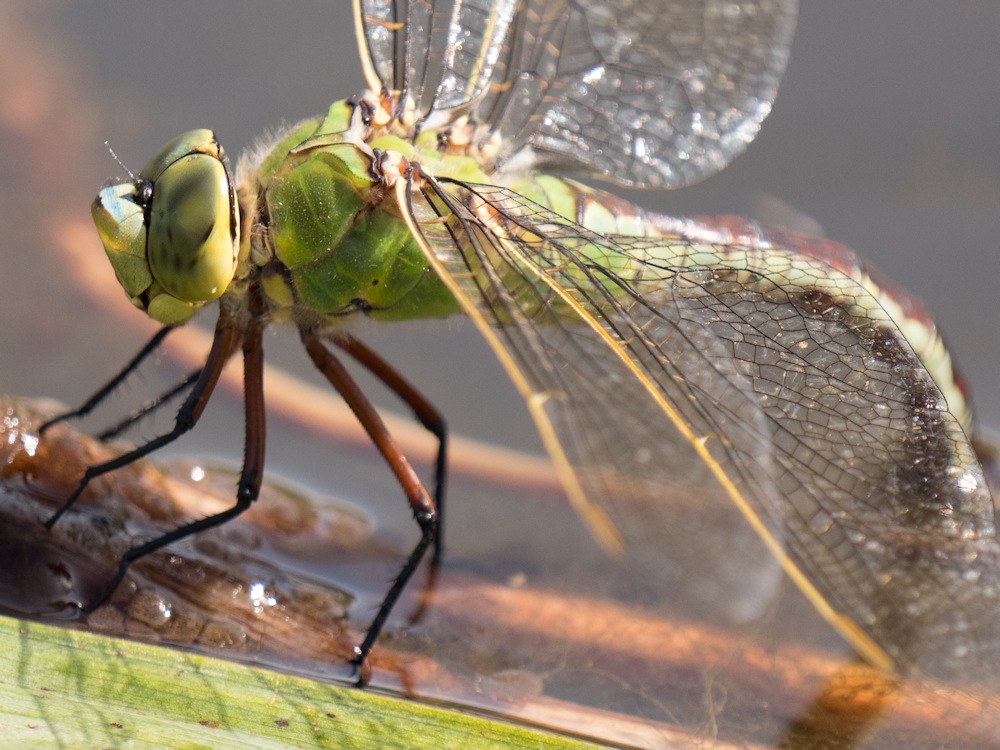
Four-spotted Chaser
11th June, a work party at CEP, but the heat is hard to work in so I call a halt and we head of the pond for some R&R and educational insect hunting. The morning light is perfect. A female emperor joins the male and a banded demoiselle appears. We see broad-bodied and four spotted chasers and hundreds of paired, egg-laying damselflies. I’m scanning the vegetation and suddenly see a creamy white damselfly. This is an immature white-legged damsel and new for the park! Further scanning reveals an adult male. This damsel and the banded demoiselle prefer the deep slow-moving waters of the canal and may have dispersed from there. I’m a happy bunny, two new species of dragonfly for the park in the last month and undoubtedly a reflection on the maturity of the ponds and wildlife area. More bee orchids and common spotted orchids reported. The heat starts to generate grey oppressive clouds, roll on the rain.
13th June, Jenny reports bee orchid from Hanglands NR and the first marbled white of the year is noted. Angela sees three lapwing over the Harlestone Road. As well as birds and insects passing through the parish during the last month I have noted the following, three Hercules transported, the Red Arrows, a Spitfire, a big red hot-air balloon and the Flying Scotsman; Oh to be in England…
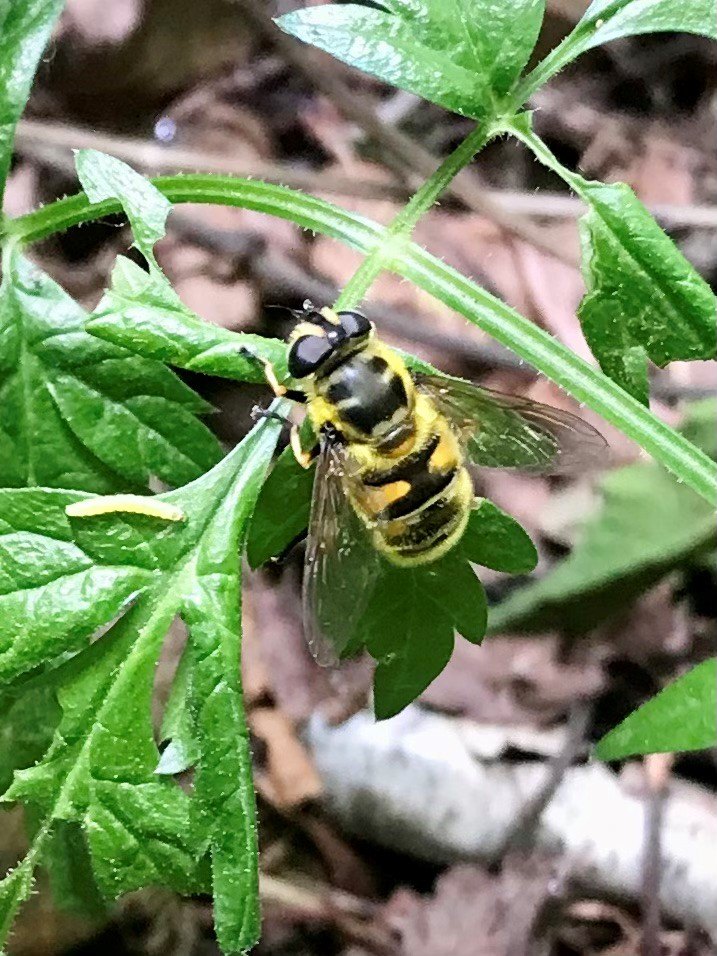
Myathropa florea
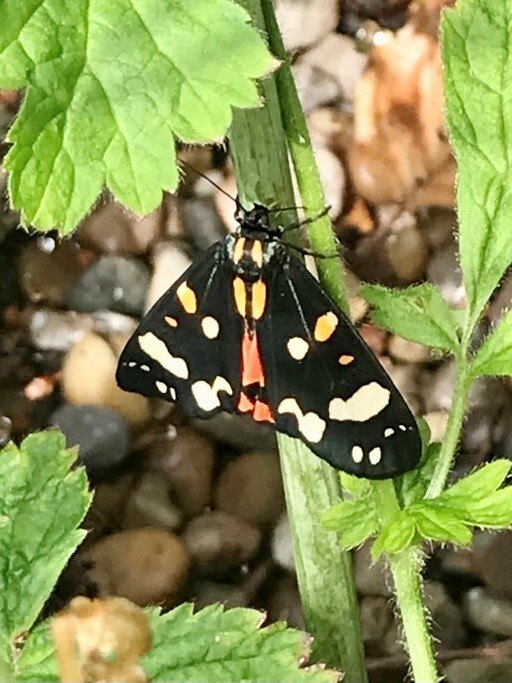
Scarlet Tiger
14th June, our moorhens have five black, fluffy, ping-pong ball sized chicks and are busy chasing damselflies. They grab at the joined egg-laying pairs pushing both male and female insects, still joined, into the tiny gape of the chicks. I’m impressed to see there are house martin nest boxes erected along Holyoake, and that they are occupied. I’m not sure if there are any other house martin colonies elsewhere in the village?
17th June, Mill Park Reserve is buzzing with volunteers keeping the place in trim. Dean and Emma are hard at it but we have time to see Demoiselles, stickle-backs, loach, speckled wood, slow worm and grass snake. Alan sees and photographs a scarlet tiger moth.
21st June, a lunchtime foray to CEP is timed with an elusive sunny interval. There are seven species of butterfly on the wing including small skipper and marbled white, there is also a scarlet tiger. The meadow by the pond is teaming with toadlets that would easily sit on the tip of your little finger and is starting the buzz with various grasshopper species. The pond is busy with hawkers, chasers and the odd demoiselle amongst the throng of paired damsels. PM and I’m strimming the public footpath at the bottom of the banks and am surprised to see a banded demoiselle plus a beautifully named yellow shell moth.
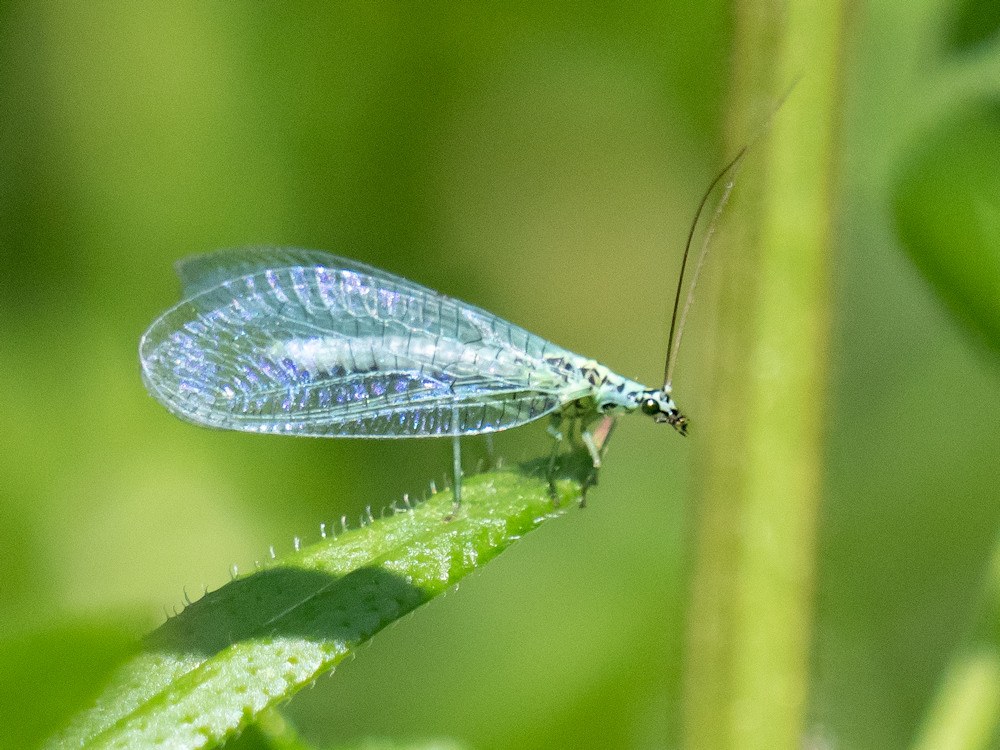
Lacewing
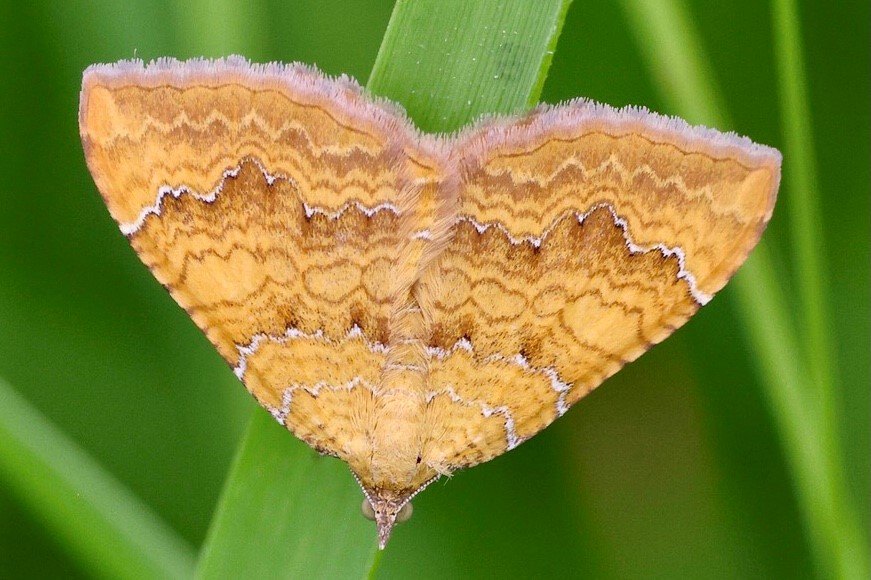
Yellow Shell by Dave Jackson
23rd June, several reports of scarlet tiger about the village. 10 swifts seen over William Road. Trevor reports a barn owl on eggs in one of his specially constructed nest boxes. Fingers crossed. Robert sees a muntjac off East Street.
25th June, our Sunday work-party at Cotton End Park is blessed with sun and warmth. We have the usual seasonal mowing, strimming and trimming jobs but I add to the tasks by suggesting a site butterfly count. I would like an idea of how many butterflies are actually on the wing at any one time, so allocate areas of the park to the volunteers and ask them to count what they see at a particular time. Our Duke of Edinburgh students quite rightly enjoy this activity as do the regular volunteers as it’s far less irksome than mowing and we total about 300 on the wing at that point. A visitor is using an app on her phone that identifies birds by their call and tells me there is a spotted flycatcher ‘over there’. Adam and I have a look but to no avail. Is a calling juvenile robin fooling the technology? Elsewhere comma and cinnabar moth reported and a hedgehog is noted running up Harbidges Lane.
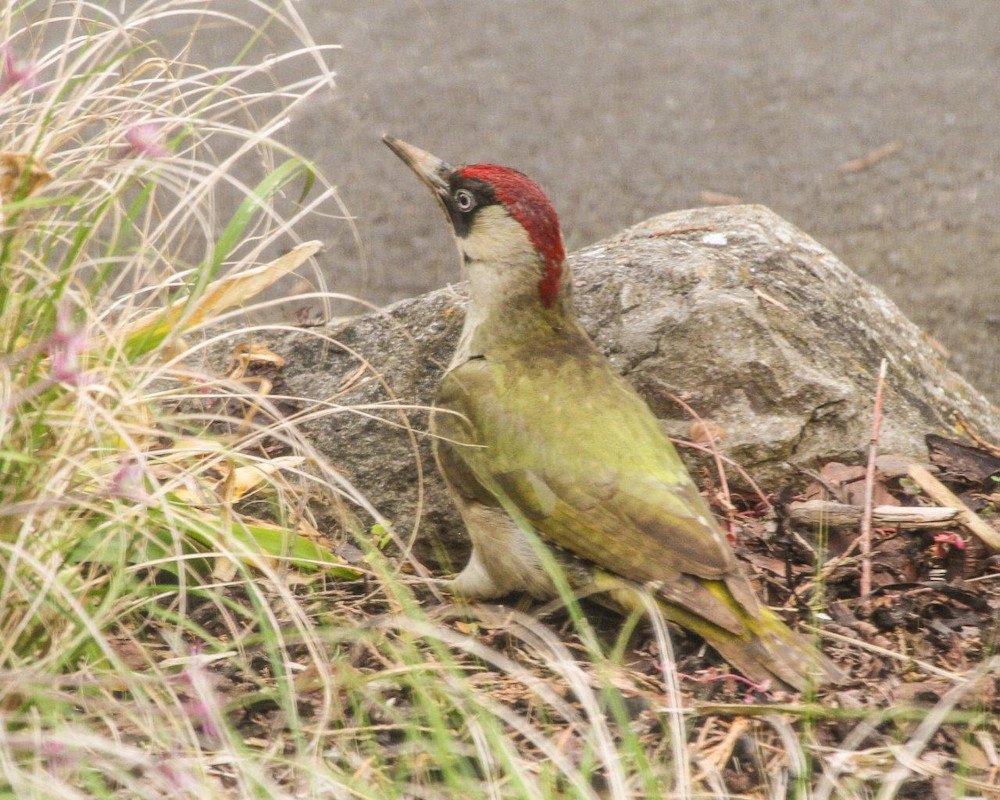
5th May, greener and greener, the grass growth seems to always catch us out. The resident green woodpecker yaffles away most of the morning but a rattling lesser whitethroat is ‘new-in’ (First sighting of an incoming summer migrant this year). A red admiral seen.
8th May, Richard sees a ‘new-in’ swift over The Leys, then two there later. Alan sends me a photo of a mush of pink flesh plus some fur from a road-kill at the Wharf. It’s a (was) polecat. The great and the good collect at Buckby Meadows for the unveiling of a plaque to commemorate the crowning of our new King. Long live the King.
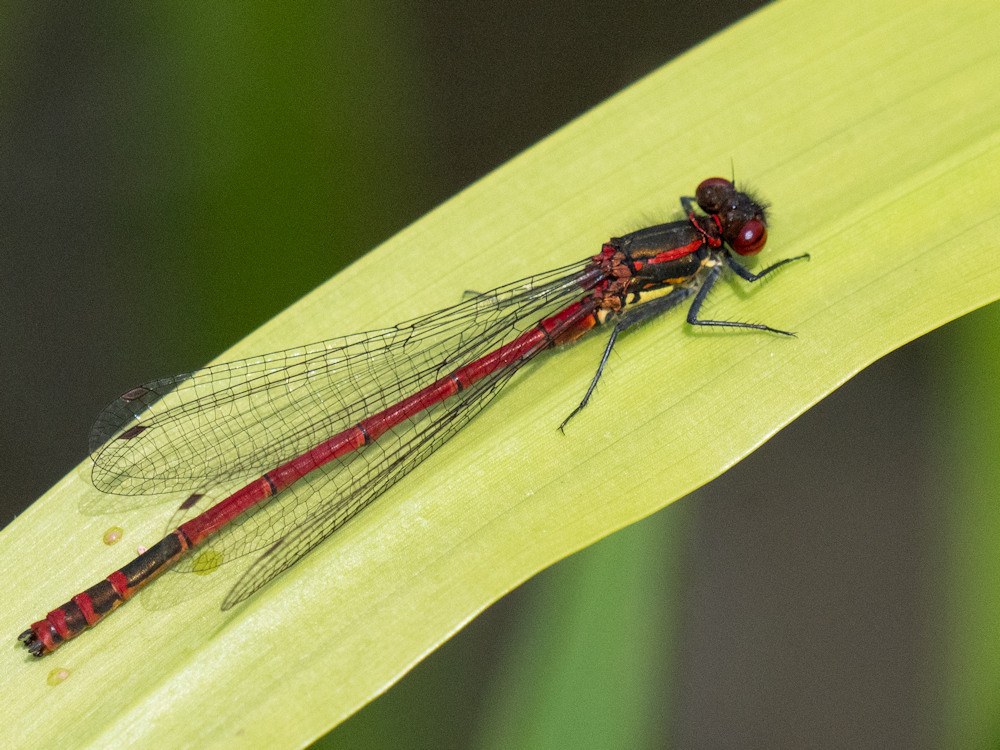
9th May, male orange-tip reported. Now a dozen swift over The Leys. 2 freshly emerged large red damsels noted at CEP and there are dandelions and bluebells.
Sedge Warbler
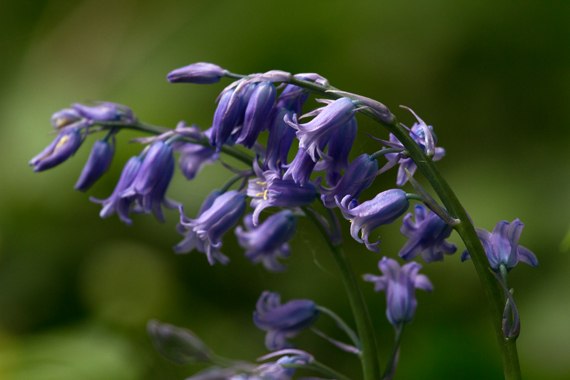
Bluebells
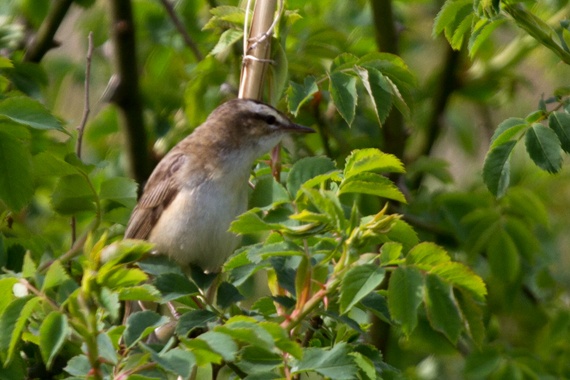
10th May, near the pond on the footpath off Foxhill Road the air is full of bird song. There is song thrush, blackcap, chiffchaff, sedge warbler, goldcrest and blue tit singing at the same time. The mute swans have evicted the Canada geese and sit patiently guarding either end of the island. I see two holly blue, orange-tip and small white. A handful of large red damselflies are settled on the nettles and a female orange-tip, beautifully camouflaged, sits still on the pristine white flowers of a mustard cress. I stand and watch and when she leaves I examine the small flower buds and after a while I find a minute, elliptical orange egg. At CEP a pair of red-legged partridge are amongst the sheep, a green woodpecker is anting in the meadow and the red campions are flowering.
13th May, I’m at Mill Park Reserve working on the platform wood-work when a pair of greylag geese go over calling. Mike comes to view progress and reports a kingfisher he saw minutes earlier.
15th May, it seems to be a good year for holly blue and orange-tip with multiple records received of both. Jane has been monitoring the mute swans on David’s pond and suggested they’ve hatched.
16th May, Jane texts me early and reports 7 or 8 cygnets bobbing about in the water. I find a strange looking beetle which I photograph and send the image to one of my insect-loving friends. He identifies the beetle as ‘golden-bloomed grey longhorn beetle’ then asks me to find species with shorter names in future.
Golden-Bloomed Grey Longhorn Beetle
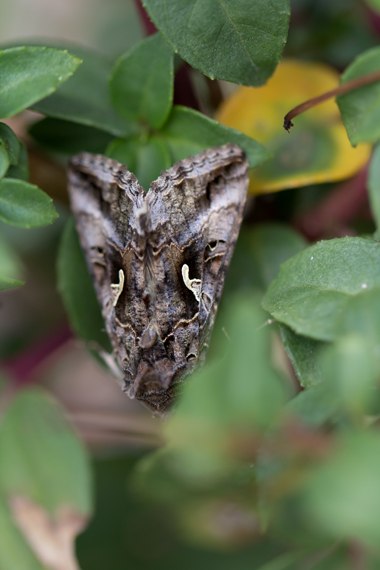
Silver-Y Moth
18th May, warm and humid and after lunch I head for CEP hoping for some invertebrate action and there are large red damselflies and a few immature azure damsels. Then a movement. A reflection over the water larger and faster than the damsels. Frustratingly I can’t see the insect above, it’s so fast and can only follow it by its reflection as it hugs the reed edge around the back of the pond. I focus hard and eventually catch a glimpse through my binoculars by looking slightly ahead of where I think it may go. It’s a male hairy (Or early) hawker, a first for Cotton End Park! Excellent. I watch for a while longer and then have the great pleasure of chalking it onto the sightings board in the info’ shelter.
19th May, at lunchtime I return to look for the hawker and see it again patrolling the same territory on the main pond. I then wonder about the back pond viewable form the hide and pop ‘round. There is another and then a brief clash as another quickly appears then disappears. So two maybe three.
22nd May, I can’t resist looking for the hawker and whilst walking to the hide find a female of the species resting on a dock leaf. Males and a female not far from each other… might be breeding…Good stuff. A flash of blue is a male broad-bodied chaser with an immature nearby. The sun is out and I see a big, bright hornet and in the water a huge great diving beetle attacking the tadpoles. In the meadow there are the first common blue and small copper butterflies as well as holly blue, orange-tip, peacock, green-veined white and brimstone. Silver-Y moth also noted. It’s all go! And of course there are the flowers, the first of the yellow flag iris are in bloom plus ragged robin, red campion, yellow rattle, buttercups, red clover and not forgetting the incredible show of hawthorn blossom.
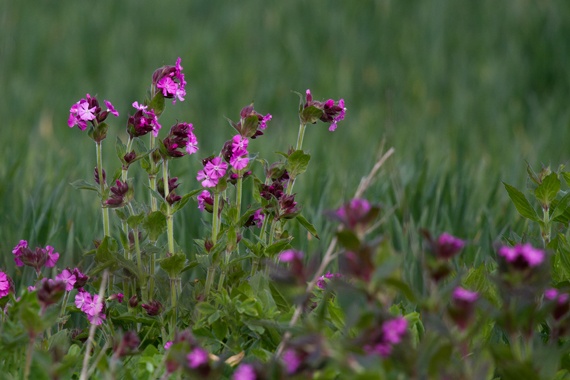
Red Campion
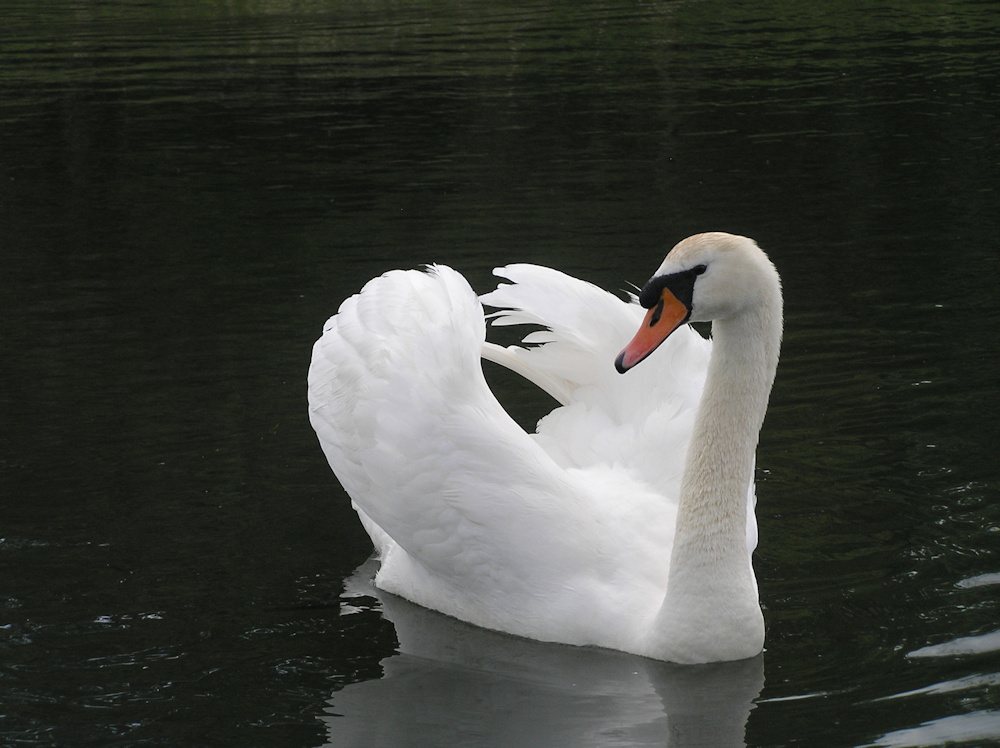
Mute Swan
24th May, ‘I’ve seen a huge bird go over’, ‘I mean huge..’ my wife gets her phone and tells me she’s videoed it. Can you imagine my excitement? My wife knows what size heron, kite, buzzard, geese and swans look like so I know it’s something good. The video is just helpful enough for me to see the bird is a white stork. Heading east, mid- afternoon. Anybody else looking up at that time? (My county birder friends tell me it was seen along the Nene Valley later that day)
26th May, more dragonfly hunting at CEP reveals one early hawker, three broad-bodied chasers, one four-spotted chaser, dozens of large red damsels and hundreds of azure damsels. Our local farmer seems to have cut much of what I thought was a cereal field and I guess it might be the result of an uncontrollable weed infestation. My only concern is that we are in the middle of the bird breeding season and that bird nests/young could have been lost.
31st May, its half seven and I am nipping out with the dogs. It’s cold and misty and out of the gloom I hear the familiar call of an oystercatcher. It’s a bird I regularly see at the coast and as I look up two fly over heading east. Thanks to David Green for weather statistics: max’ temp’ 23.4c on the 24th, min’ 3.4c on the 3rd. rainfall – 26.4mm.