Village Wildlife Diary for April 2023

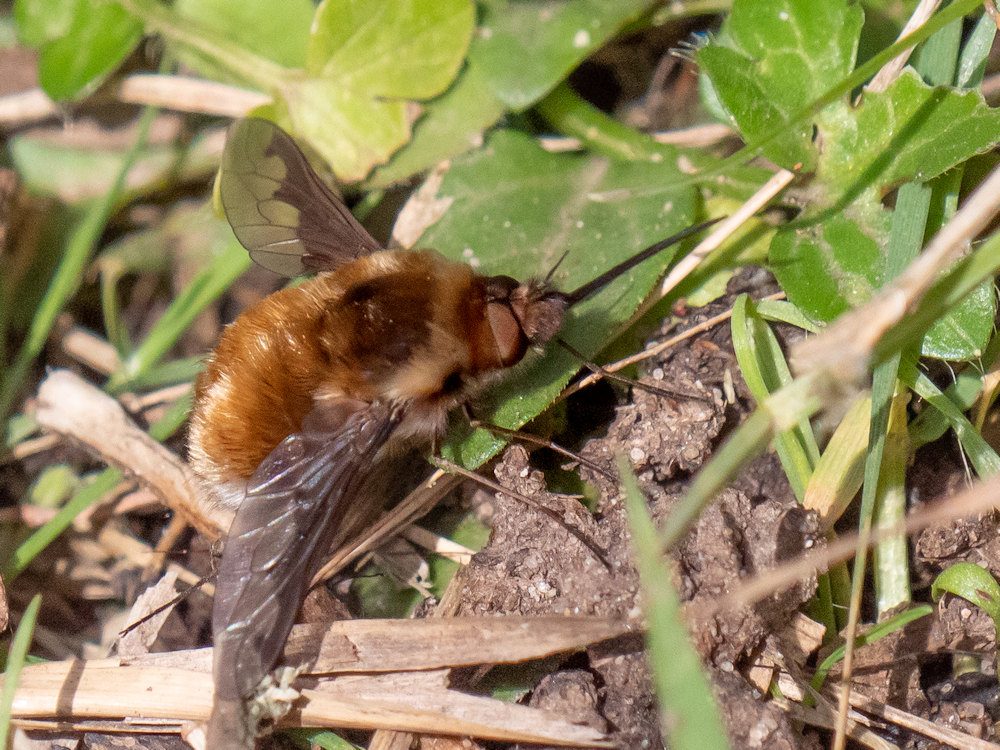
Bee Fly
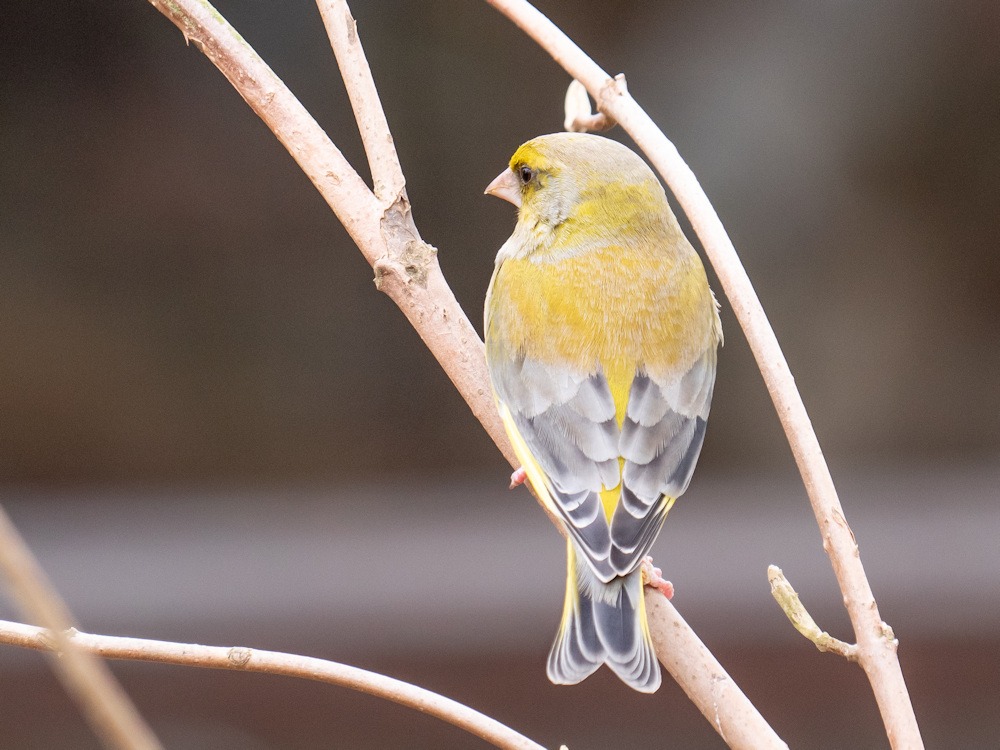
Greenfinch

4th April, in the vain hope of seeing something that suggests spring bird migration is under way, I am at the highest part of the village on Sandy Lane. This area always looks good but oddly the only bird of note I see is a nuthatch, really a woodland bird but happy with any mature stand of deciduous trees. Richard reports cormorant and peregrine. Geoff sees a lone swallow.

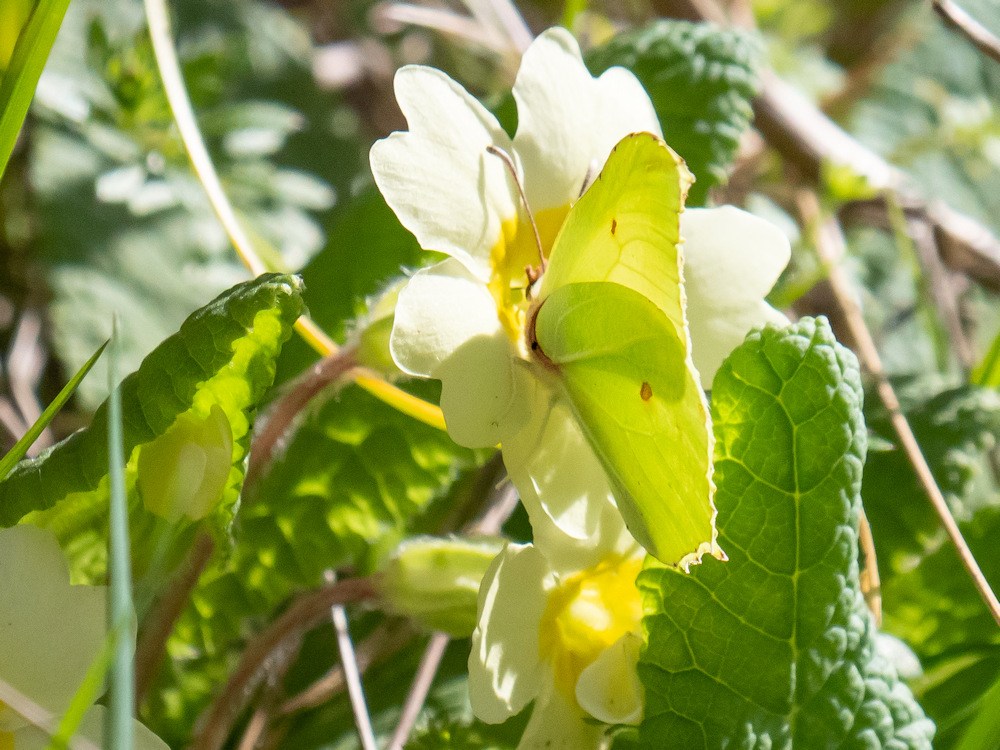
5th April, Chris and Sue see brimstone and small tortoiseshell. Mark reports 3 little egrets and at least 20 skylarks from off Brington Road. I see a fieldfare and a ‘new-in’ blackcap.

7th April, warm perhaps even hot today. Butterflies reported include peacock and brimstone, also the first bee-fly of the season with chiffchaff and green woodpecker vocal throughout the day. Chris sees a holly blue – another first for the season. There are swallows over Market Place, High Street, Cotton End Park, Oak Tree Farm and Brington Road, unless of course it is just one doing the rounds.
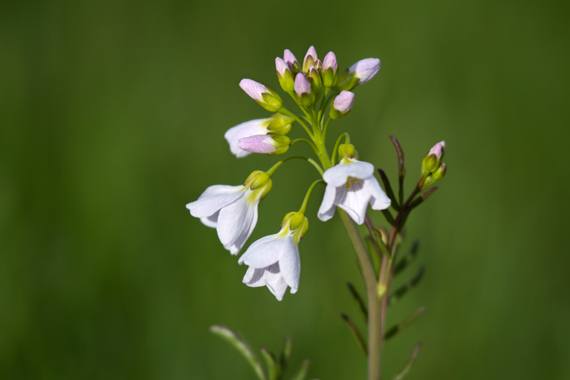
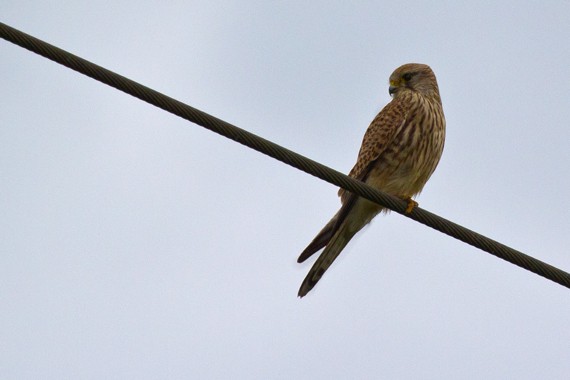
Ladies Smock
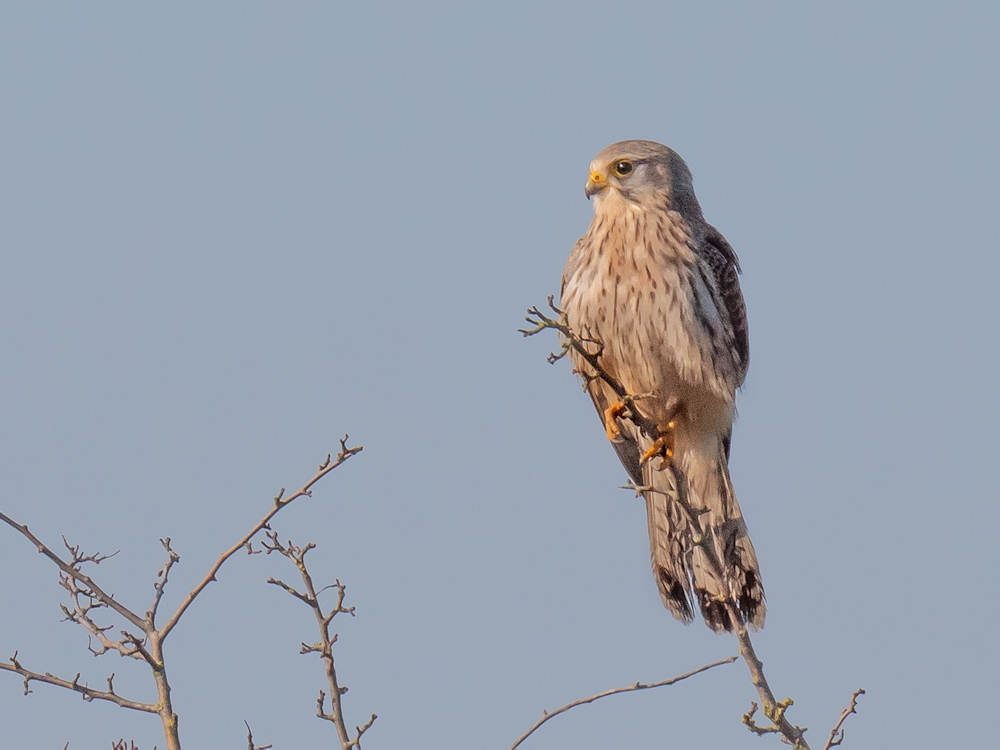
Kestrel

9th April, Richard sees two ‘new-in’ house martins over Holyoake.

11th April, a mixed flock of winter thrushes, fieldfare and redwing, with starlings are feeding in Armley field.

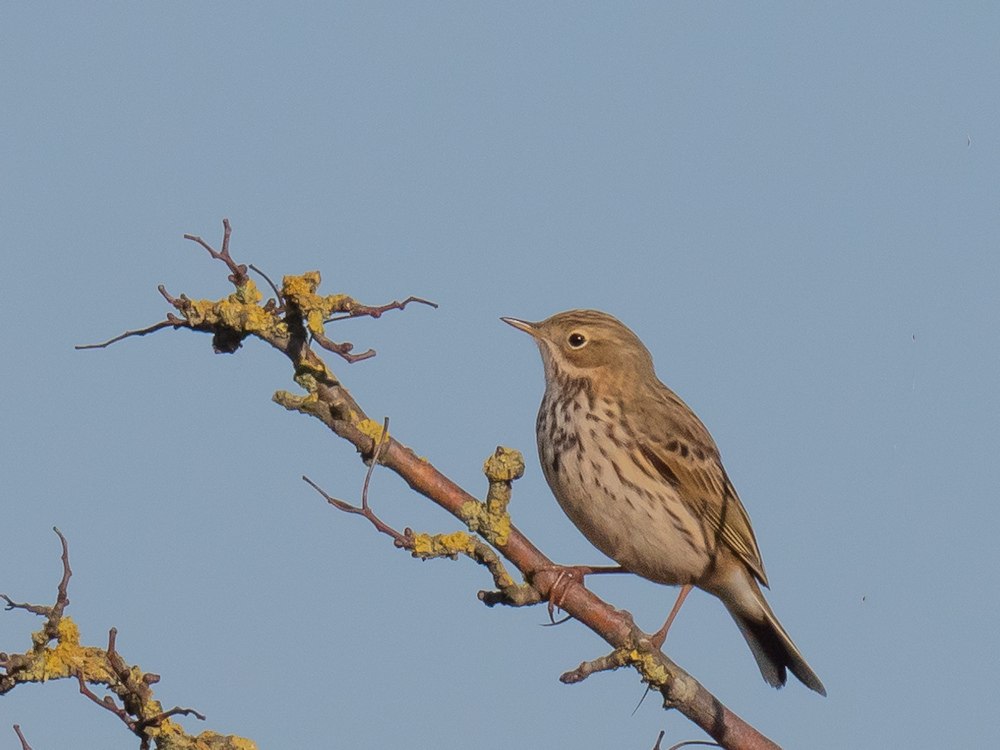
12th April, again searching for migrant birds first thing and I come across 7 meadow pipits off Lodge Lane. These birds are probably on their way to northern climes. At the bottom of the lane there is a good sprinkling of beautiful, pale lilac, cuckoo flowers in the empty sheep pasture.
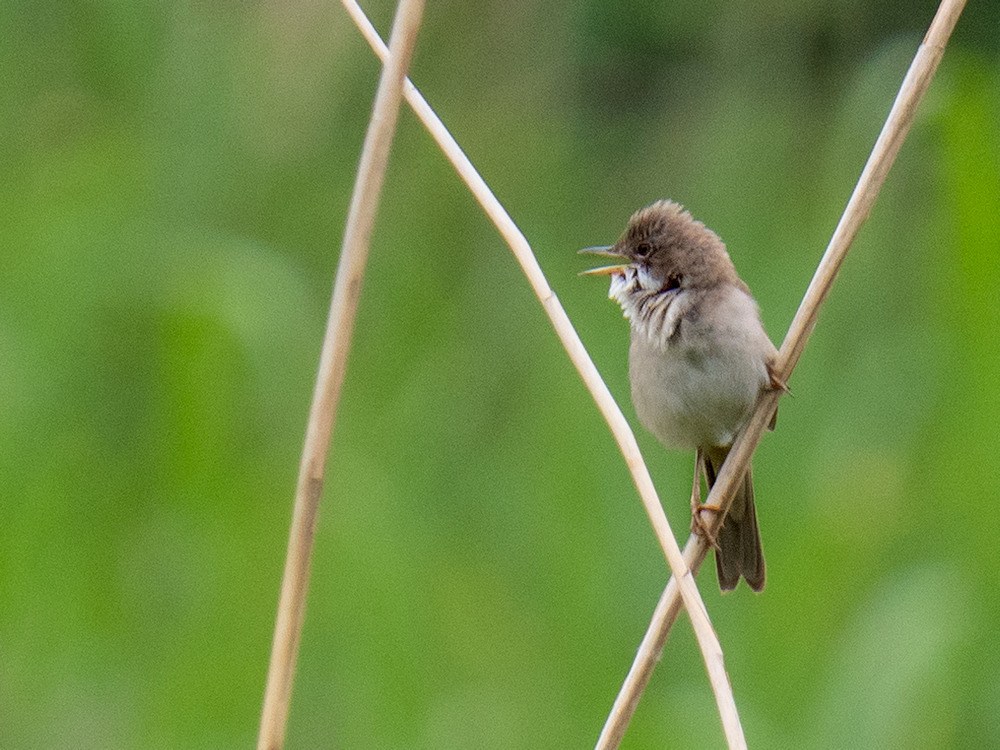
Whitethroat
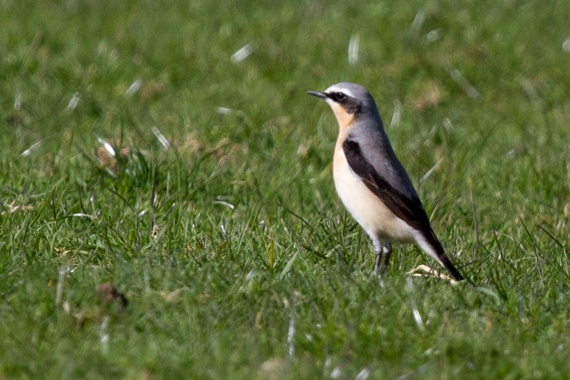
Wheatear

14th April, cold and drizzle to start the day but this is perfect for migrant hunting. Those birds pushing north love to progress through clear skies so low cloud and rain drops them down into our countryside. At Evans’ ponds there is willow warbler and blackcap, and the mute swans and Canada geese are nesting. On footpaths off Foxhill Road, I am pleased find a single male wheatear amongst the sheep muck. A true passage migrant that could be on its way the Scandinavia, Canada, Greenland, Iceland or Scotland. At CEP a whitethroat and 2 willow warbler are new-in and a ring of emergent St Georges’ mushrooms are pushing through the grass much to the delight of the sheep and rabbits.

15th April, a couple of now late redwings are about the park also jay.

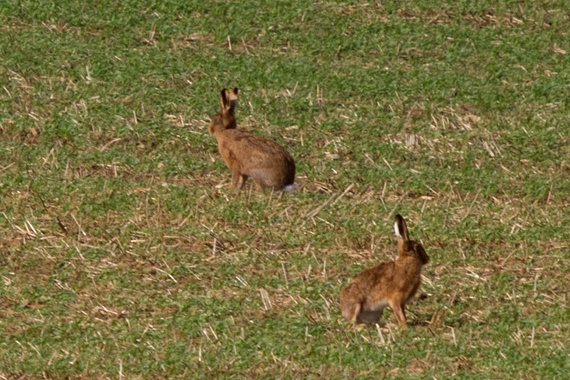
16th April, at Sandy Lane 2 jay, 3 swallow and a pair of pied wagtails. A jay over Lodge Lane plus 3 hares. Foxhill Road has a wheatear on a fence post next to the flowering rape field. On one of the flower head sits a male reed bunting and a few meadow pipits fly over.
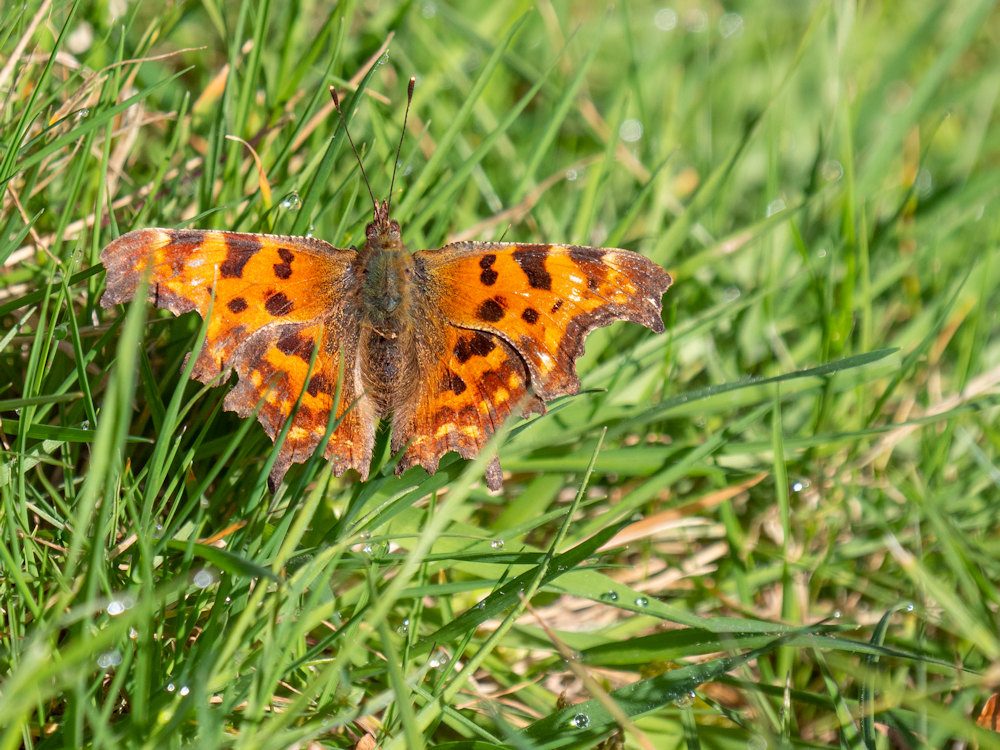
Comma
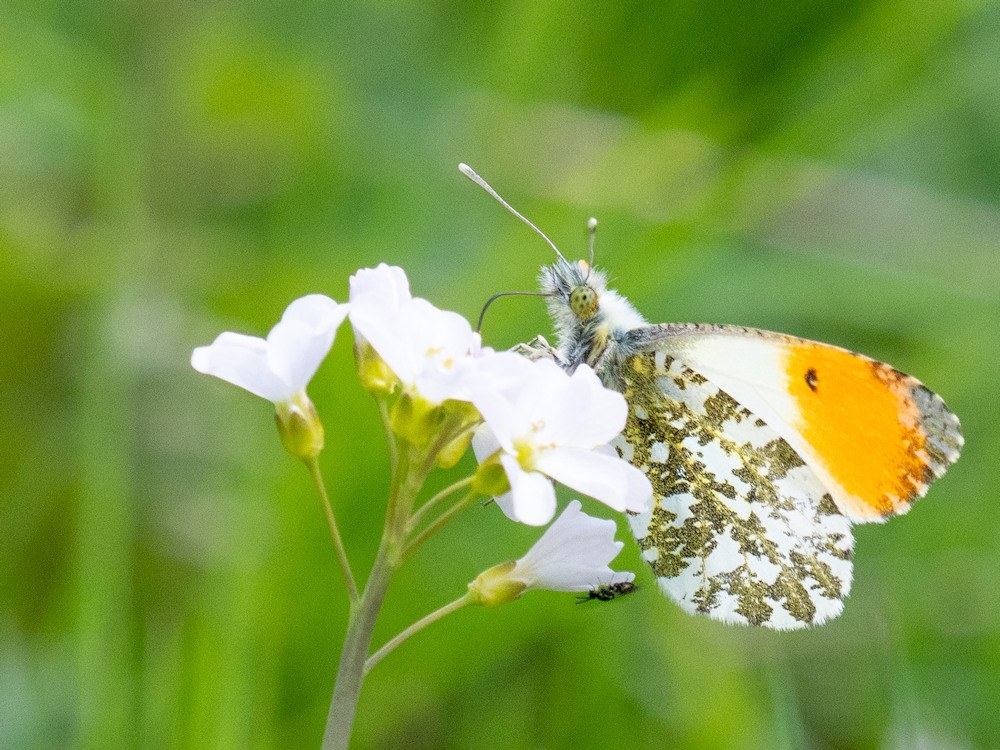
Orange Tip

17th April, I’m invited into BBC Radio Northampton to talk about my book ‘The Butterflies of Long Buckby’. Bernie Keith, the host, is excellent and eases my nerves with kindness and humour. 3,2,1. Red light on… I can’t remember what I said but apparently its available on Iplayer.

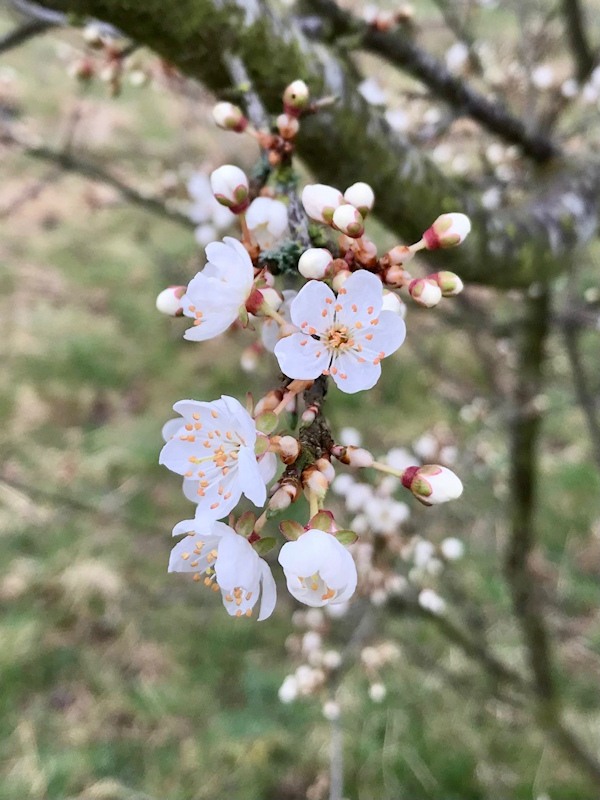
18th April, the first bird I see before checking the sheep at CEP is a cracking male redstart. Fiery red underparts, rump and tail, grey back, black mask with a white forehead. It is possibly the most contrasting and most colour-rich plumaged redstart I’ve ever seen. The blackthorn blossom is pure and bright, a perfect canvas for our colourful visitor, but snows gently with slightest breath. Down by the ponds the calf-high purple fritillaries nod their heads at the shocking yellow-headed dandelions below. A Siskin or two fly over calling.
The last week of April, is the usual mix of weather but the warm and dampness is encouraging more St Georges’ mushrooms to erupt. There are four rings of them the widest being twelve feet in diameter. The sun brings out the butterflies and holly blue, comma, small tortoiseshell, brimstone, orange-tip and speckled wood are reported.

Weather report for the month from David Green, max temp’ 20.3c on the 29th, minimum -4c on the 5th and rainfall, 49.2mm.
Village Wildlife Diary for March 2023

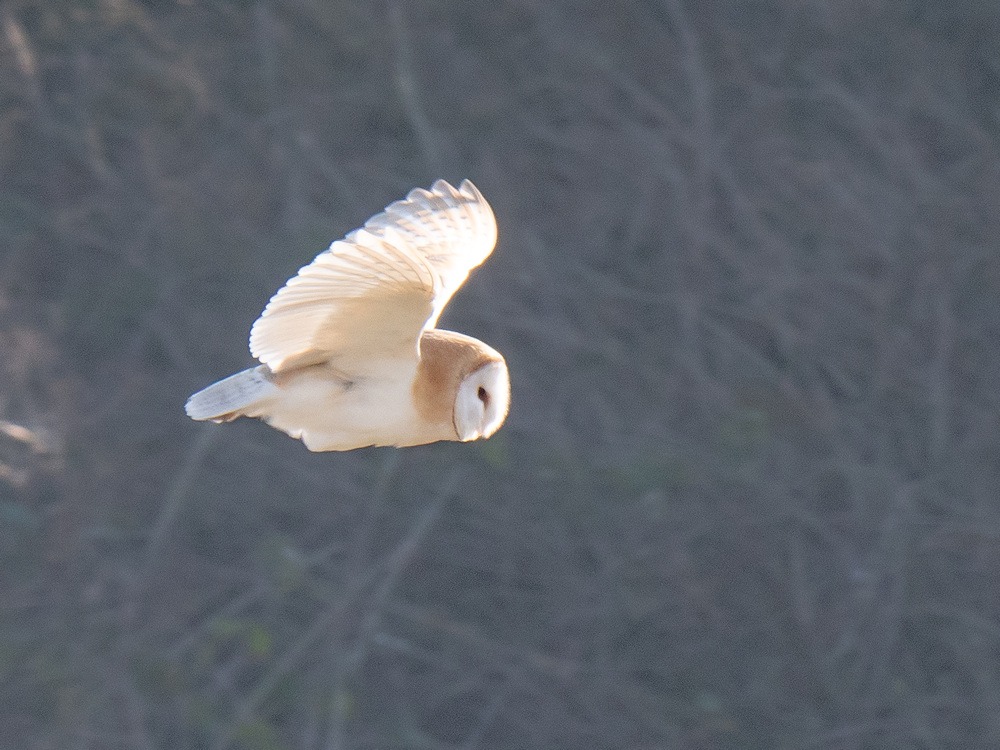
Barn Owl
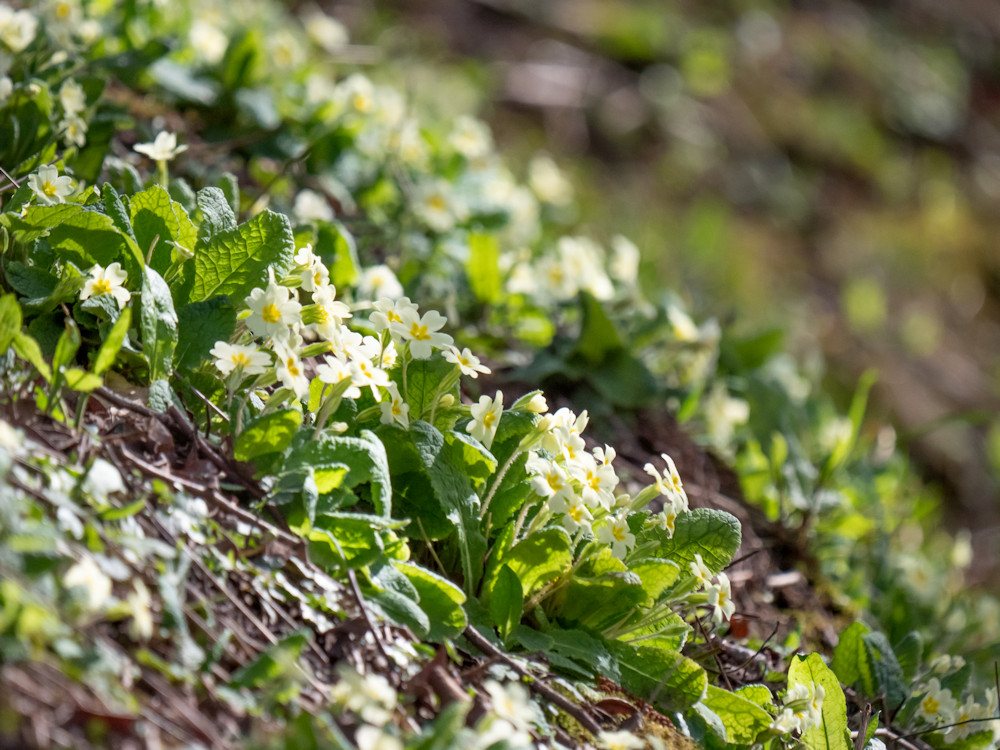
Primroses

1st March, the rooks are busy. Twigs, broken and scattered into the pastures by winter winds are now gathered and taken back up into the tree tops to add to last years depleted nest. It’s all noise and action, and this attracts a kite that drifts over to inspect progress. The bickering mob leap to see it off. During this distraction I notice one rook stealing a stick from a neighbour’s nest to add to its own.

3rd March, a cormorant over the village and a peregrine over the 428. The black-headed gulls are now coming into summer plumage and moulting from their white winter plumage into an actual ‘black headed gull’. There are forty on the rugby pitch. Bumblebees reported, greenfinch and goldcrest singing, and a flock of 150 redwings, starlings and fieldfares seen near Murcott.

5th March, Dean rings me and gives an excellent description of a probable short-eared owl from the Brington Road. He followed it for quite a while, seeing it land on the ground at one point. There is a chiffchaff calling at the settling pond on the Mountcroft estate and rooks are busy building nests aside the railway. Grey heron seen at Surney Bridge.

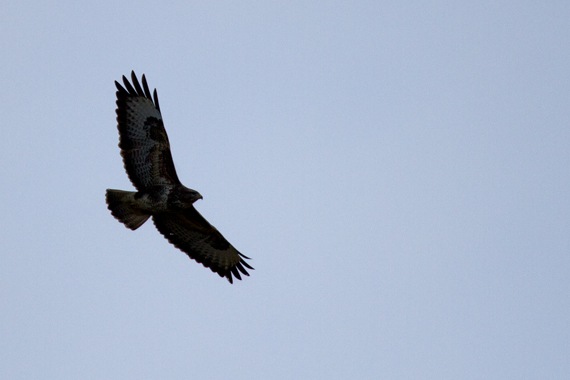
6th March, Tom reports a barn owl near to the village on the Foxhill Road. Pairs of Buzzard are circling and calling. Handfuls of Mallard are flying around the houses of Hall Drive. Multiple males pursuing a single female. Is she victim of their relentless attention or is she leading them, testing their stamina? Coltsfoot flowering and yellowhammer singing.

9th March, winter appears and I fill the hay feeder and open up the shed for shelter. Will the ewes choose now to lamb?

Buzzard
Wren

10th March, at 0530h the air is still and the village hushed by the layer of snow. The peace is broken gently by a singing blackbird. My old pick-up is ok in the snow and I take my wife to the ambulance station in Kingsthorpe for her shift, the whitened countryside promoting nostalgic conversation.

12th March, the mildness overnight is enough for the frogs and a handful of frogs spawns appear in the vernal pond at CEP. A pair of beautiful long-tailed tits seen.

13th March, a terrific wind blows, what a week of weather we’re having but spare a thought for the rooks, their stick nests are freshly constructed and probably contain the first of their eggs.

14th March, all four rooks nest in the old ash in gas works corner are still up there, though they do have less volume than before. Now 20 clumps of spawn in the pond. Green woodpecker calling from the back of Lime Avenue.

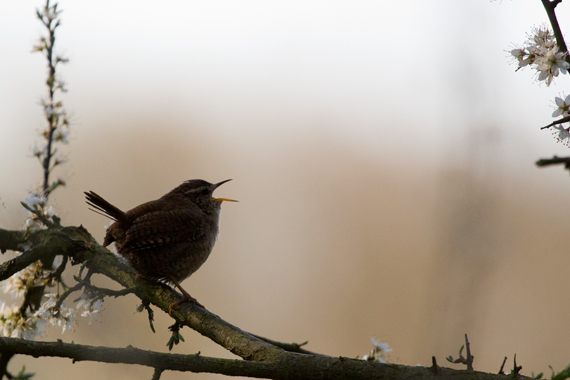
17th March, since I was a child the middle of March has generally seen the appearance of the first of our summer migrant birds and this year is no different with four chiffchaffs flitting amongst the willows at CEP. Pairs of reed bunting, stock dove and mallard are about as well as moorhen, great and blue tits, wren, dunnock and blackbird. Hares in the distance and the shoots of fritillary noted. A warm afternoon and Mike reports Brimstone at Willow Mill with another seen off East Street. At Evans’ ponds there are single pairs of gadwall and mute swan plus the odd bumblebee and a little egret at Bridge House Farm Lake.

Hares
Brimstone

18th March, a flurry of chiffchaff records including Mill Park Reserve and Brington Road. Dean sees a barn owl and David sees Bats over Ashmore. Brimstones and bumblebees reported.

19th March, it’s Mothering Sunday and Agnes our Hebridean ewe appears from the shelter with two tiny black lambs. They seem almost teddy-bear like though have the head spots where their horns will grow. The CEP volunteers are delighted but I curtail talk of naming them just yet. Marsh marigolds are flowering and some earlier prunus blossom is already falling. Pied wagtail and linnet are noted.

20th March, reed buntings reported from a garden off The Leys and also seen along the track off The Banks. A handful of meadow pipits over the village.

21st March, a peacock butterfly warming itself at ground level is disturbed by a dog-walker and is whisked away by the stiff breeze.

23rd March, Sandy Lane is one my favourite bird migration watch-points. It looks ideal being high up with a few nice grassy paddocks and trees, and wonderful views over the parish. In reality I rarely see anything much there and this morning I make do with a handful of linnets and a dunnock. I meet a ‘horse’ lady who sees barn and little owl there quite regularly. There is a report of sea-eagle (one of the IoW introduced birds) being seen over first Hollowell and then Ravensthorpe reservoirs and I speculate with the aid of a map whether it drifted over the village?

The first blossom
Meadow Pipit

26th March, for the past week or so we have been watching the antics of at least 30 if not 50 male toads in the pond at CEP. They appear to be evenly spaced on the bottom as if holding territory, presumably waiting for a female to come past. A lapwing seen north of the village is a good sign. Singing yellowhammer, chaffinch, wren, song thrush and dunnock noted.

27th March, we’re about the roads in the surrounding villages and see at least 4 freshly killed badgers during the morning.

28th March, a lone fieldfare at Oak Tree farm, 10 redwings nearby and a fly-over redpoll maybe the last of the departing winter migrants. Brian reports cut-leaved dead-nettle from Burnham Way.

30th March, between the 10th and 30th March Brian has rescued 571 toads at the crossing point on Foxhill Road, and finds a female great-crested newt nearby. There are over 100 toads in view from the platform at Cotton End Park. It’s an amazing sight, and by the board-walk a few snakes-head fritillaries have come into flower. I’m in the garden and hear an alarm call from a bird I haven’t seen since last September; a swallow. It hangs about enough for my son to pop out and have a look. A rather early record.

31st March, David sees more bats over Ashmore and sends his weather statistics for the month as follows, warmest was the 30th at 16.9c, coldest was the 11th with -5.5c and we had 91.6mm of rain.

Village Wildlife Diary for February 2023

Coal Tit
Peregrine

1st February, a barn owl, the original ghost, floats over the roadside with such lightness that the displaced air from the vehicle in front of me makes the bird twitch in mid-flight. I slow to get a glimpse but it melts away. Alan has his annual visit from a/the local rook. Same time each year the bird(s) takes advantage of his bird-feeder fat balls. My friends at Portland Bird Observatory in Dorset experience the same phenomena annually.

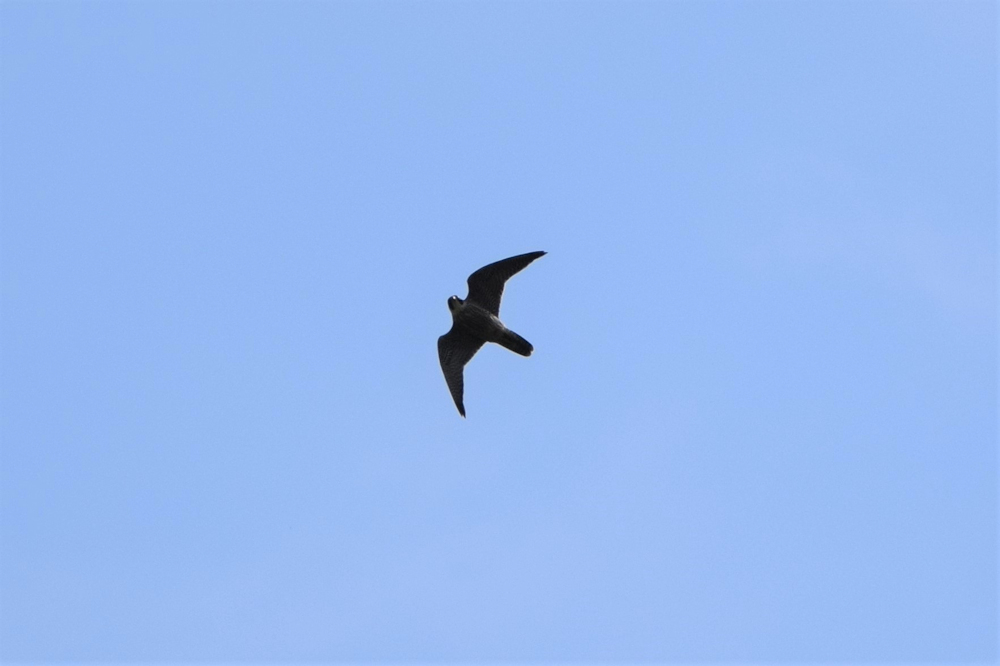
3rd February, I am on my rounds at Cotton End Park and the background chatter of rooks and jackdaws slowly ceases and there is a silence. I have a feeling and look up and around, and there cruising over is a peregrine. Paralleling it fifty yards away is another, a smaller bird perhaps a male. As they pass over the male suddenly flies upwards, checks, then swoops down disappearing behind some trees. Out of the other end of his direction comes a scattering of wood pigeons, a dozen exploding in all directions. The female flips sideways and locks on to one then powers forward with astonishing acceleration. I strain to see as they all vanish against the distant hillside.

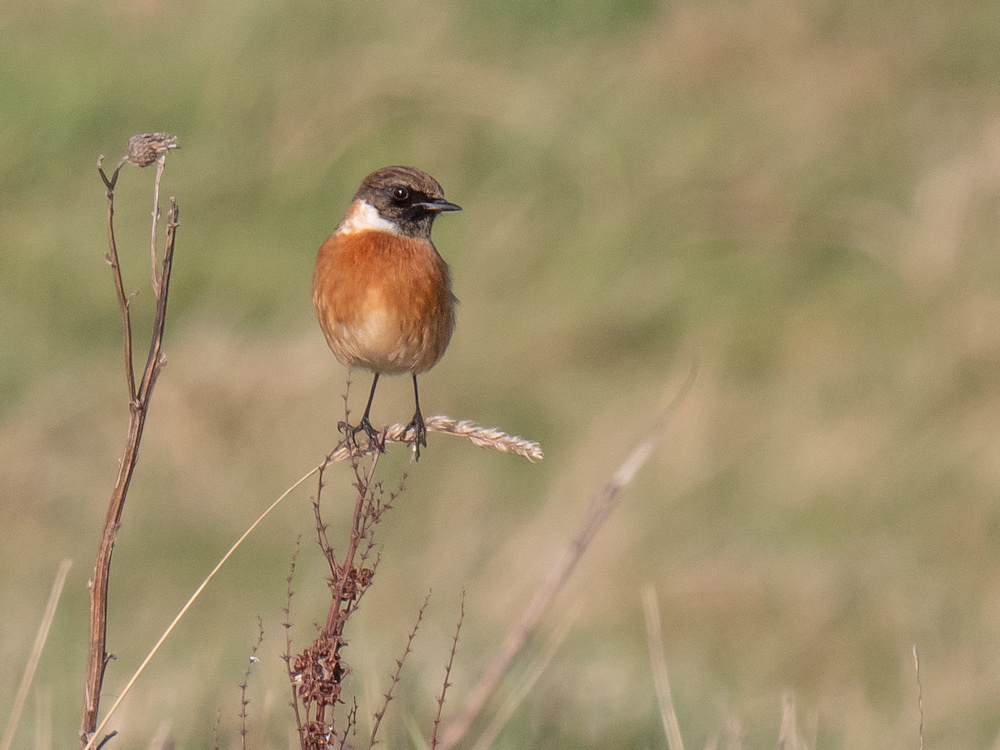
8th February, dog walking takes me into the landscape and I always feel that our access to the countryside is taken for granted. The fields are some ones land, their workplace and us villagers particularly the dog owners should be thankful that we have tolerant farmers and land-owners within our parish. I see two stonechats, a great-spotted woodpecker and hear chaffinch and skylark. Two mute swans and one cormorant over the village.

9th February, I get a couple of reports from people visiting CEP saying they witnessed the Hunt pursuing a fox across land beyond the park. They clearly saw the fox chased by the hounds and horse.

Stonechat
Kestrel

14th February, a bumblebee ventures out and blunders through a cloud on dancing gnats to land unsteadily on my garden fence. White-tailed maybe? Reports of tawny owl hooting near St Lawrence’s and a male kestrel is about CEP. They sometimes breed there. There appear to be less goldfinches about. Two or three people have reported this in relation to visitations to their garden feeders. We have been used to them over the last decade or so and numbers increased as people started stocking their feeders with Niger seed. But have we blundered into the same scenario as with greenfinches and other birds whose populations crashed as they succumbed to trichomonosis a deadly disease that is transmitted from dirty bird feeders?

16th February, after many days of dryness and weak sun, today is dull and damp. Does this stop the skylarks singing? No of course not. Our flora and fauna are all poised for the season of reproduction and pairs of Canada geese are on the search for places to nest.

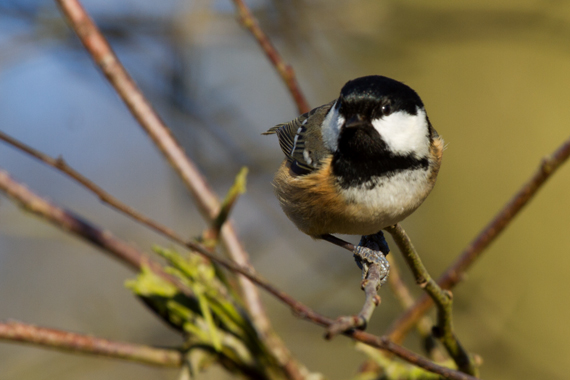
24th February, I hope, like me, that you are heartened by the snowdrops, daffodils and primulas that are flowering. I’ve given up worrying about if they are early or late and whatever that actually alludes to. They are a reassuring, constant, beautiful and resilient and in no time at all will be gone again for another year. Coal tits reported.

28th February, cold and damp after a reasonable dry-ish spell. This February dry spell was once a reliable window in which sheep farmers had an early batch of lambs. “They don’t mind the cold and they don’t mind the wet, but they don’t want both at the same time” as my father-in-law, Peter Spokes used to say.

February’s weather report courtesy of David Green. Max’ temp’ 16.9c on the 17th. Min’ temp’ -5.5c on 8th. Rainfall 7.6mm.